

Transportar milhares de toneladas de agregados triturados até uma montanha remota para uma plataforma de lixiviação destrói os orçamentos do projeto e atrasa a construção. Mas economizar na camada de drenagem e proteção corre o risco de perfuração catastrófica da geomembrana, bloqueio da recuperação da solução grávida e multas ambientais massivas.
Este guia ajuda as equipes de aquisição de mineração e os engenheiros locais a avaliar como os geossintéticos pesados podem substituir com segurança porções de agregados tradicionais. Ao compreender as capacidades dos materiais, você aprenderá como selecionar geotêxteis e geocompósitos de alta massa para reduzir os custos de transporte sem comprometer a drenagem básica e a segurança do revestimento.
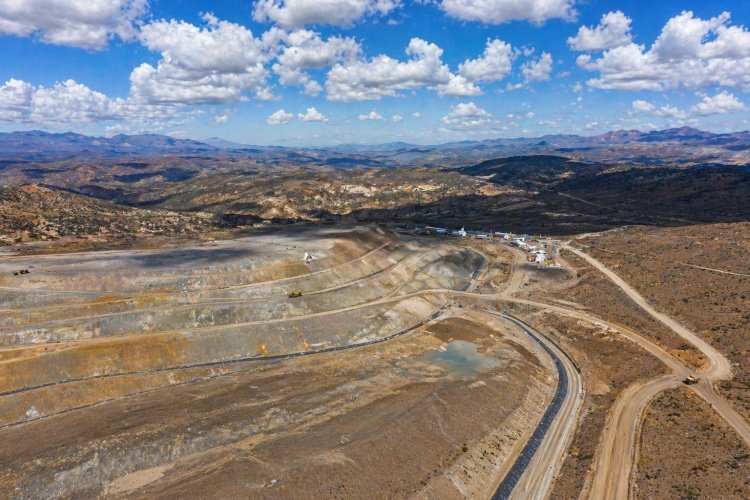
Quando os operadores mineiros me contactam pela primeira vez sobre o fornecimento de materiais, o seu principal objectivo é muitas vezes reduzir custos logísticos extremos. Trazer cascalho limpo e triturado para um local localizado a 4.000 metros acima do nível do mar é universalmente doloroso. Na prática, a redução de agregados é possível, mas depende sempre de condições precisas de projeto e de uma rigorosa seleção de materiais.
Por que as camadas agregadas ainda são críticas na lixiviação de heap
Antes de discutirmos a substituição do agregado, devemos entender o que ele realmente faz. Você não pode simplesmente retirar uma camada de cascalho de 500 mm de um sistema sem levar em conta o intenso trabalho físico e hidráulico que o cascalho realiza durante as décadas de vida útil de uma mina.
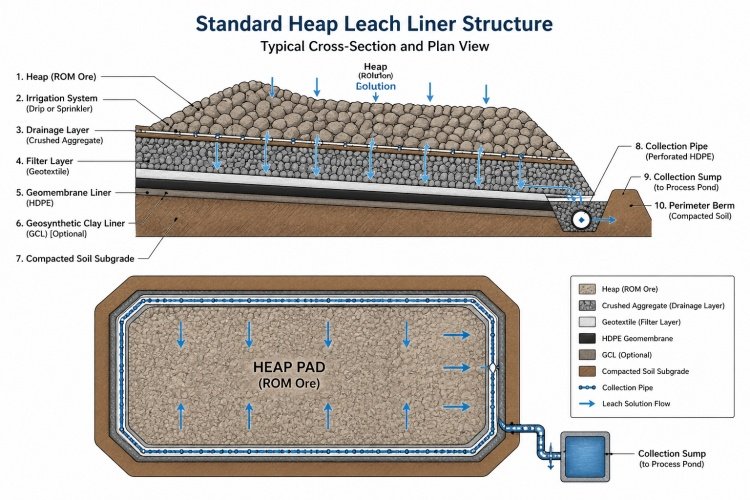
Na construção clássica de lixiviação em pilha, após a preparação do subleito do solo compactado e a implantação da geomembrana de Polietileno de Alta Densidade (PEAD), uma camada de revestimento é instalada. Este revestimento é normalmente uma camada espessa de agregado triturado e peneirado. Serve três funções não negociáveis.
Primeiro, fornece proteção absoluta contra furos para o revestimento da geomembrana. Quando enormes caminhões de transporte despejam o primeiro carregamento de minério bruto bruto (ROM) irregular na plataforma, o revestimento de plástico será destruído instantaneamente se não houver buffer. O agregado atua como um escudo físico entre o minério pesado e pontiagudo e a barreira impermeável.
Em segundo lugar, o agregado garante uma drenagem de alta capacidade. Todo o modelo financeiro de uma mina de lixiviação depende da Solução de Lixiviação Grávida (PLS) – o fluido químico que transporta o ouro ou cobre dissolvido – fluindo suavemente até o revestimento e viajando rapidamente para os tubos de coleta. Os espaços vazios no agregado impedem o retorno do fluido.
Terceiro, fornece distribuição de carga crítica. À medida que a pilha cresce até 60 ou 80 metros de altura, milhões de toneladas de força compressiva empurram o revestimento para baixo. Uma camada agregada bem graduada distribui uniformemente essa tensão extrema de carga pontual, evitando falhas localizadas no revestimento. Por estas razões mecânicas fundamentais, o agregado ainda é essencial na maioria dos projetos e não pode simplesmente ser eliminado.
O verdadeiro desafio: custo versus risco
Quando analiso listas de quantidades de projectos mineiros internacionais, a tensão entre os custos civis e o risco a longo prazo é óbvia. O transporte de agregados adequados é muitas vezes o maior item de linha no orçamento de construção overliner. Se a topografia local não tiver rocha dura adequada ou se as operações de britagem forem atrasadas, os gerentes de projeto estarão sob intensa pressão para reduzir a espessura especificada do agregado.
No entanto, as consequências da redução excessiva dos agregados são catastróficas. Se o tampão de proteção for muito fino, um único pedaço pontiagudo de minério sob pressão de milhões de toneladas cortará o revestimento de HDPE. Uma vez que o revestimento é comprometido, o PLS altamente valioso e carregado quimicamente vaza diretamente para as águas subterrâneas. A mina não só perde o seu produto final, mas também gera enormes passivos ambientais.
Um risco ainda mais perigoso é a falha na drenagem. Se você remover o agregado e a camada basal se comprimir em lama, o PLS não poderá drenar. O líquido se acumula dentro da pilha, criando uma enorme pressão freática de água. Isto reduz drasticamente a resistência ao cisalhamento da pilha de minério. Eventualmente, a encosta falha, resultando em um deslizamento catastrófico de rochas tóxicas e ácido.
Portanto, modificar a camada de revestimento não significa escolher uma folha de plástico mais barata. Este é um problema de otimização de risco, não uma simples substituição. A estratégia baseia-se na introdução de materiais geossintéticos avançados que realizam com segurança os trabalhos mecânicos e hidráulicos da rocha perdida.
Abordagens baseadas em materiais para reduzir agregados
Para reduzir com segurança o tamanho da camada agregada, os engenheiros de mineração especificam geossintéticos especializados de nível industrial. Como fornecedor, minha função é garantir que esses materiais realmente sobrevivam às duras realidades químicas e físicas da mina. Aqui estão as três abordagens de materiais primários usadas para reduzir o volume da rocha.
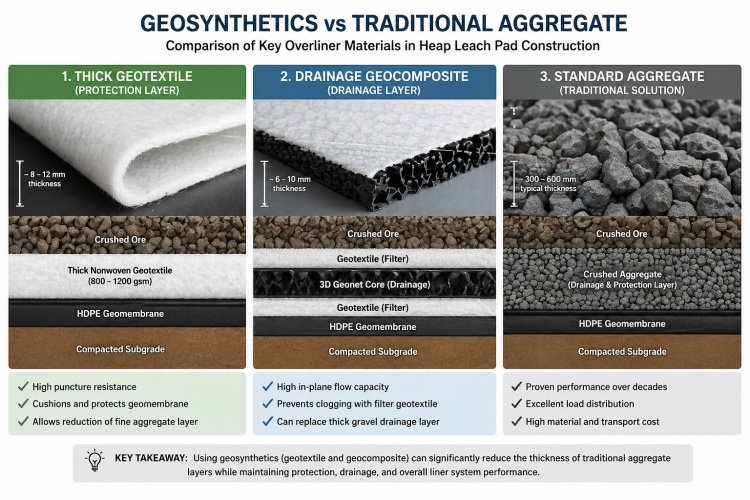
1. Geotêxteis não tecidos de alta massa
Os geotêxteis civis padrão (como aqueles usados na construção de estradas) têm geralmente de 200 a 300 gramas por metro quadrado (gsm). Eles são completamente inúteis sob uma almofada de lixiviação. Para substituir o efeito de amortecimento do cascalho, os engenheiros especificam geotêxteis não tecidos agulhados e de alta massa variando de 800 g/m² a 1.200 g/m² ou mais.
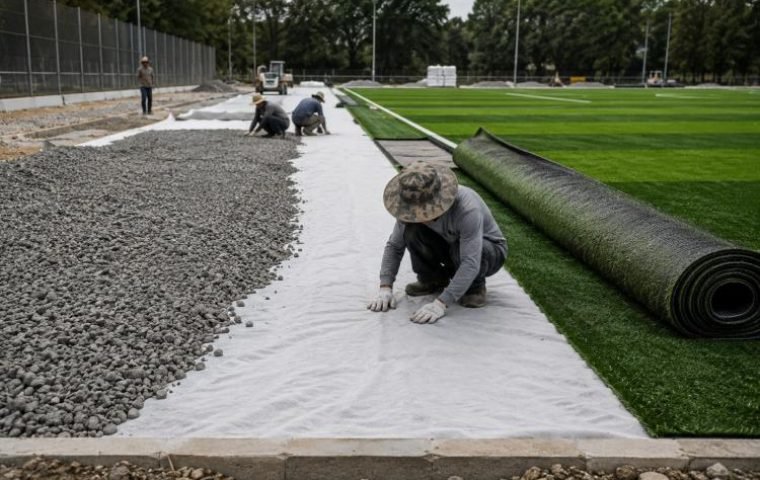
Esses tecidos extremamente grossos e densos agem como um feltro industrial pesado. Quando colocado diretamente sobre a geomembrana HDPE, um geotêxtil de 1000 g/m² oferece enorme resistência à perfuração. Isto absorve o impacto da carga pontual do minério britado, distribuindo com segurança as arestas vivas portanto, eles não podem recuar o plástico abaixo. Ao utilizar um geotêxtil pesado, a espessura necessária da camada protetora de areia ou cascalho fino pode ser significativamente reduzida.
2. Camadas de drenagem geocomposta
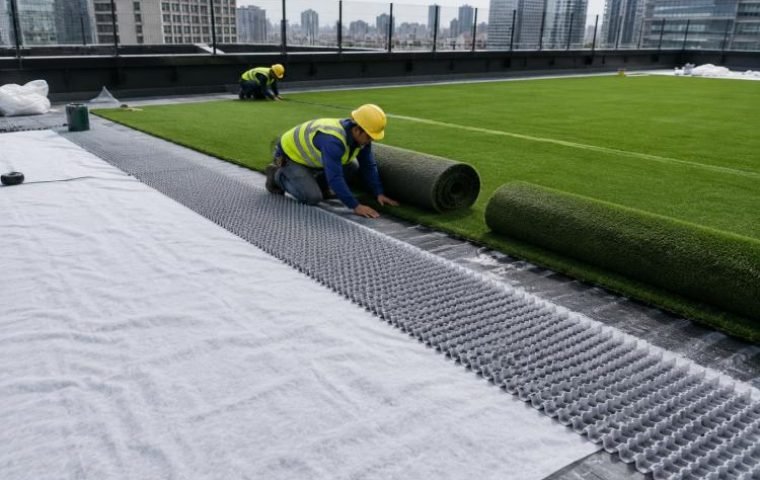
Um geocompósito é um sistema de drenagem fabricado. Consiste em um núcleo plástico extrudado tridimensional espesso (uma geonet) que é termicamente ligado a um geotêxtil não tecido em um ou ambos os lados.
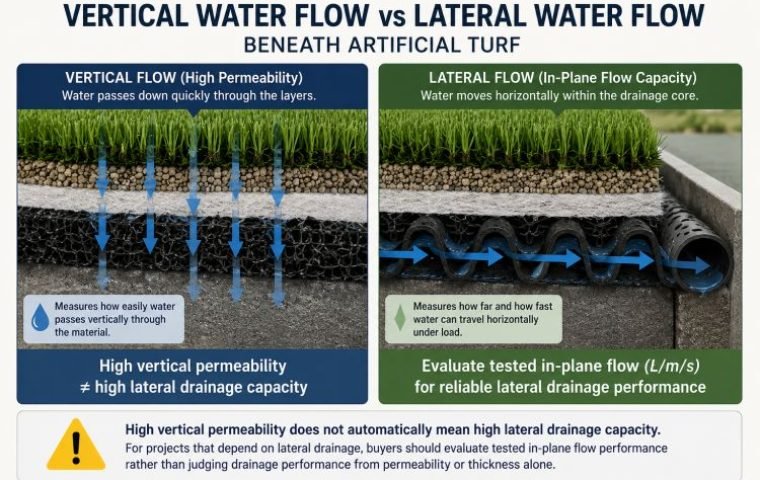
O núcleo fornece drenagem no plano, o que significa que os líquidos fluem rapidamente horizontalmente através da malha plástica. Os geotêxteis anexados atuam como filtros, evitando que lama fina e minério triturado entrem e obstruam o núcleo plástico. Sob condições de carga específicas, um único rolo de geocomposto de alta transmissividade pode substituir uma enorme espessura de cascalho de drenagem tradicional. O líquido que cai da pilha é filtrado rapidamente através do tecido, entra no vazio plástico e desce a encosta até a vala de coleta.
3. Sistemas Overliner Híbridos
Na maioria dos grandes projetos de exportação que fornecemos, o objetivo não é eliminar a rocha, mas sim otimizá-la através de uma abordagem híbrida. O sistema utiliza um geotêxtil de alta massa ou um geocomposto colocado sobre a geomembrana, coberto por uma camada muito mais fina e altamente específica de minério triturado ou cascalho fino.
Para lhe dar uma perspectiva do mundo real, fornecemos anteriormente materiais para uma das maiores plataformas de lixiviação de pilha de ouro da região, projetada para processar 5 milhões de toneladas de minério anualmente com uma altura final de pilha de 72 metros. Em vez de depender apenas de rocha pesada, a equipe de engenharia especificou uma geomembrana HDPE de 2,0 mm de textura dupla para máximo atrito. Fornecemos um geotêxtil não tecido de 800 g/m2 para substituir totalmente a camada de agregado fino, combinando-o com um geocomposto de 6 mm que substituiu 25 a 30 cm de cascalho drenante puro. Como resultado, o uso total de agregados a granel para essa fase foi reduzido em surpreendentes 70%, e a instalação funcionou com excelente estabilidade e recuperação de fluidos por mais de uma década.
Aplicativos baseados em cenários
A seleção de materiais é ditada puramente pelo ambiente físico da mina. Uma solução que reduza com sucesso os agregados num deserto seco e plano causará uma falha catastrófica numa região montanhosa e gelada. Com base no nosso histórico de fornecimento de projetos, veja como os materiais são adaptados em diferentes cenários extremos.
Cenário 1: Ambientes de regiões frias (-40°C)
Em regiões mineiras como o norte do Canadá, o Alasca ou os planaltos asiáticos de grande altitude, as temperaturas caem regularmente para -40°C. As regiões frias apresentam a ameaça extrema de geada. Quando a umidade no subleito congela, ela se expande violentamente, criando lentes de gelo que sobem como pedras irregulares.
Para reduzir a necessidade de camadas maciças de solo e agregados isolantes, os engenheiros utilizam frequentemente uma defesa geossintética multicamadas altamente robusta. Fornecemos os materiais de barreira para uma enorme operação de ouro que enfrenta exatamente estas condições, processando 13 milhões de toneladas anualmente num clima que atinge os -40°C. Para garantir a operação durante todo o ano sem o luxo do isolamento profundo de cascalho, a almofada utilizou uma pilha de geomembrana HDPE de 1,5 mm de camada dupla personalizada, especialmente formulada para compatibilidade química e extrema resistência ao congelamento.
Em vez de pagar prémios elevados ao camião em 15 cm de agregado de protecção triturado, fornecemos um geotêxtil resistente de 1000 g/m2 de alta resistência como almofada primária, seguido de perto por uma rede de drenagem composta de 8 mm e uma estrutura geotêxtil que substituiu mais de 30 cm de agregado de drenagem tradicional. A instalação provou ser altamente bem-sucedida, sofrendo zero rachaduras no revestimento induzidas por congelamento e nenhum vazamento.
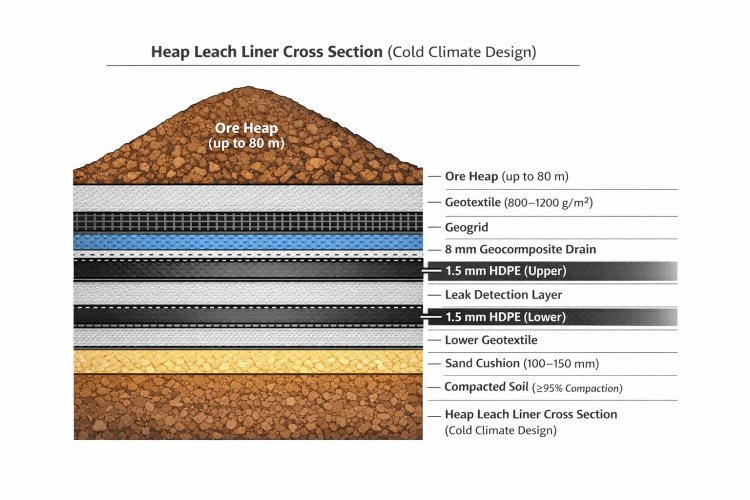
Seção transversal típica do revestimento de lixiviação em pilha usado em condições de clima frio (apenas para referência)
Cenário 2: Aplicativos de alto heap (60–80m)
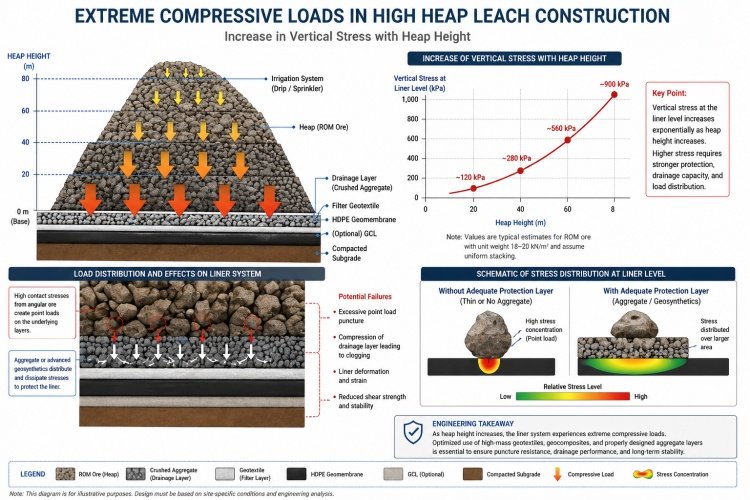
As minas modernas de cobre e ouro maximizam sua pegada empilhando o minério de forma incrivelmente alta. É comum ver pilhas de plataformas de lixiviação atingindo 60 a 80 metros de altura total. Nesta escala, a carga compressiva no sistema de revestimento inferior é astronômica.
Se você tentar substituir inteiramente o agregado basal por um padrão geocomposto de drenagem em uma pilha alta, o sistema falhará. O enorme peso da rocha irá literalmente esmagar o núcleo plástico da geonet, apagando seu espaço vazio e desligando instantaneamente toda a drenagem de fluidos.
Para reduzir os agregados com segurança sob cargas extremas, os engenheiros devem especificar georedes de alta resistência à compressão combinadas com geotêxteis de proteção de massa máxima. Em outro projeto histórico de ouro que fornecemos, a mina processava extraordinárias 30 milhões de toneladas por ano, acumulando até um pico de 60 metros. Sabendo que os materiais padrão seriam comprimidos, fornecemos um sistema ancorado por uma geomembrana robusta de HDPE de 2,0 mm. Combinamos isso com um geotêxtil de proteção altamente resiliente de 1000 g/m2 – eliminando com sucesso uma almofada de cascalho necessária de 20 cm – e um núcleo geocomposto extremamente denso de 7 mm. Através de uma engenharia estrutural cuidadosa e especificações corretas de materiais, a mina reduziu os requisitos de agregados em 75% globalmente em toda a plataforma, mantendo a estabilidade total da base.
Cenário 3: Sistemas de Biolixiviação de Cobre
O ouro é normalmente lixiviado usando uma solução fraca de cianeto, mas a extração de cobre geralmente depende da biolixiviação. Este processo utiliza ácido sulfúrico agressivo combinado com bactérias que comem os minerais sulfuretos. Este é um ambiente muito lento e altamente quimicamente ativo que opera continuamente durante anos.
Ao reduzir o agregado em uma almofada de biolixiviação de cobre, a resistência química dos materiais de substituição é rigorosamente avaliada. Os geotêxteis padrão de poliéster (PET) se dissolverão em um ambiente de ácido sulfúrico por meio de hidrólise. Para estas almofadas, fornecemos exclusivamente sistemas de polipropileno (PP) e polímeros de alta densidade.
Recentemente, apoiamos o fornecimento de material para uma enorme instalação de biolixiviação de cobre com sulfeto de baixo teor, focada fortemente na segurança ambiental e no controle de custos. Dado o escrutínio regulatório, eles adotaram um sistema de geomembrana HDPE de camada dupla de 2,0 mm, sendo pioneiro em um novo padrão para contenção de almofadas de cobre. Fornecemos geotêxteis especializados de 600 a 800 g/m2 para substituir completamente a manta de proteção de cascalho, combinados com um geocompósito de 6 mm com fluxo otimizado que eliminou com segurança a necessidade de uma camada de drenagem de cascalho de 25 cm.
Da mesma forma, para uma plataforma de biolixiviação secundária de estéril de menor escala (empilhamento de 30 a 50 metros, produzindo 1 milhão de toneladas por ano), fornecemos revestimentos de HDPE de 1,5 mm apoiados por geotêxteis de 500-600 g/m2 e um geocomposto de 5 mm. Essas espessuras personalizadas substituíram com sucesso 20 cm de cascalho, criando uma redução de 60% no agregado e tornando financeiramente viável a extração de resíduos de rocha de baixo teor.
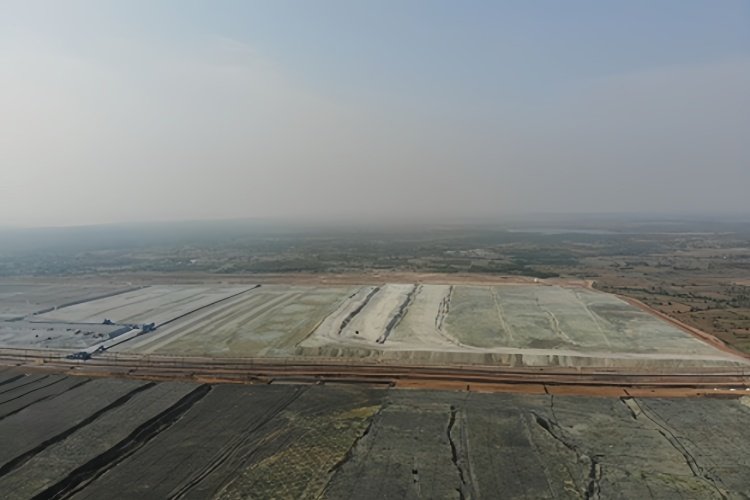
Cenário 4: Regiões Úmidas e com Alta Precipitação
Operar uma plataforma de lixiviação nos cinturões tropicais do Sudeste Asiático ou da América do Sul introduz enormes desafios de gerenciamento de fluidos. O sistema não está apenas drenando o fluxo lento da solução de lixiviação operacional; de repente, deve lidar com milhões de galões de água da chuva torrencial durante uma monção.
Se a camada agregada for reduzida aqui, o geocompósito substituto deverá possuir extrema transmissividade (capacidade de fluxo). No entanto, o maior risco em zonas de alta pluviosidade é o entupimento. A chuva forte lava milhares de toneladas de lodo fino e argila do minério triturado. Se esses finos entrarem na camada do filtro geotêxtil, eles “cegarão” o tecido, criando uma parede de lama impermeável que impede a entrada de fluido no núcleo de drenagem.
Para evitar isso, o O Tamanho Aparente de Abertura (AOS) do geotêxtil não tecido deve estar perfeitamente calibrado por engenheiros para corresponder à distribuição do tamanho das partículas do minério local. Deve ser tecido suficientemente apertado para reter a lama, mas aberto o suficiente para permitir a passagem eficiente do enorme volume de água.
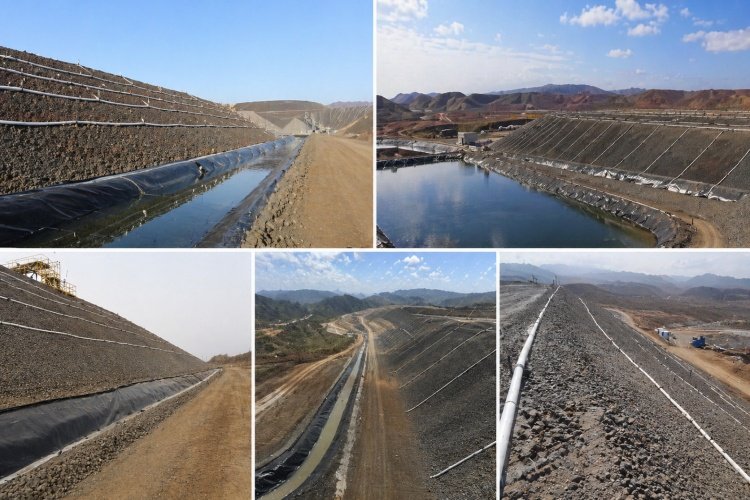
O agregado pode ser completamente eliminado?
Esta é a pergunta mais comum que recebo de empreiteiros internacionais de EPC que procuram reduzir drasticamente os seus orçamentos de preparação do local. A resposta curta e honesta é não.
Embora os geossintéticos avançados sejam ferramentas de engenharia incríveis, eles possuem limitações físicas inegáveis. Os plásticos rastejam, deformam e comprimem ao longo de décadas quando submetido ao peso de uma pilha de rochas de cem metros. Os geotêxteis podem sofrer cegueira biológica e química. Uma geonet de plástico simplesmente não consegue reter o mesmo volume de fluido que uma camada padrão de 500 mm de espessura de rocha de rio altamente porosa e graduada.
Se você eliminar totalmente o amortecedor agregado, colocará 100% da carga mecânica e hidráulica em alguns milímetros de plástico fabricado. O fator de segurança cai para perto de zero. Um único erro na seleção do geotêxtil ou um colapso localizado no núcleo da georede causará uma falha regional no talude. Portanto, na maioria dos casos, o agregado é reduzido e não eliminado. O objetivo é alcançar uma otimização segura, e não uma exclusão imprudente.
Perspectiva do fornecedor: o que é mais importante para o sucesso do projeto
Do lado do fornecimento, uma plataforma de lixiviação bem-sucedida depende inteiramente de compatibilidade rigorosa de materiais e testes de desempenho verificáveis e de longo prazo. Você não pode construir uma mina segura comprando materiais genéricos de um catálogo.
Quando as equipes de compras me enviam suas especificações técnicas, olho atentamente para os testes de transmissividade exigidos. Não avaliamos como um geocompósito drena água em uma mesa de laboratório; precisamos saber como ele drena quando submetido a 10.000 horas de cargas compressivas de 1.500 kPa. O núcleo esmaga? O geotêxtil penetra profundamente na malha e bloqueia o fluxo da solução?
Testar a compatibilidade química da resina de geomembrana HDPE em relação ao lixiviado do local específico em temperaturas operacionais é fundamental. Envolver-se com seu fabricante de geossintéticos no início do estágio de viabilidade evita atrasos catastróficos. A seleção antecipada de materiais ajuda a otimizar o projeto, permitindo que os engenheiros comprovem definitivamente seus modelos de segurança antes que o orçamento de compra seja oficialmente bloqueado.
Perguntas frequentes
Um geotêxtil de alta massa pode substituir completamente o agregado overliner?
Embora um geotêxtil espesso de 1000 g/m2 forneça proteção superior contra perfurações para sua geomembrana, ele não oferece o espaço vazio necessário para drenagem de fluidos de alto volume, nem possui o atrito agregado adequado necessário para distribuir cargas dinâmicas maciças de caminhões de transporte de mineração. É usado com sucesso junto com uma camada agregada significativamente reduzida, em vez de estritamente no lugar dela.
Qual espessura do geotêxtil é necessária para uma camada de proteção contra lixiviação?
A espessura ideal depende estritamente do tamanho máximo da rocha despejada na plataforma, da altura inicial de queda e do peso final estimado da pilha. Geralmente, as aplicações de mineração em grande escala exigem geotêxteis não tecidos perfurados com agulha para serviços pesados, variando de 800 g/m² a 1.500 g/m². Os tecidos padrão de engenharia civil (200–400 g/m2) falharão quase instantaneamente sob a pressão irregular das cargas de minério ROM.
Uma camada de drenagem geocomposta é suficiente para gerenciar a solução de lixiviação grávida?
É altamente eficaz para drenagem localizada, captação de fluidos em encostas laterais e montões de baixa altura. No entanto, para blocos maciços que sofrem tensões de compressão extremas devido a altas pilhas de minério, a transmissividade do núcleo plástico da geonet cairá naturalmente com o tempo. Para garantir a recuperação segura e redundante do PLS, ele geralmente é combinado com uma rede integrada de tubos de coleta HDPE perfurados e uma camada de cascalho minimizada e graduada com precisão para evitar o acúmulo de fluidos.
Conclusão
A redução dos imensos custos e dos pesadelos logísticos do transporte de agregados em um local de mineração é altamente alcançável por meio da moderna engenharia geossintética. Nossos projetos de fornecimento anteriores provam que, ao integrar de forma inteligente sistemas HDPE de revestimento duplo, geotêxteis não tecidos de alta massa e geocompostos de drenagem avançados, os operadores de minas podem reduzir com segurança o transporte de rocha a granel em 60% a 75% sem sacrificar a segurança ambiental ou a recuperação de metal.
Contudo, a redução agregada é uma otimização projetada, não uma substituição total. O sucesso exige seleção rigorosa de materiais, testes de compressão específicos de carga e química de polímeros que corresponda estritamente às restrições operacionais exclusivas do local.
Você está procurando otimizar o projeto do liner e mitigar os pesados custos agregados para sua próxima operação de lixiviação em pilha? Dados precisos de materiais são o seu maior patrimônio. Contate a equipe técnica hoje mesmo no Waterproof Specialist para discutir suas cargas específicas, solicitar fichas técnicas abrangentes e garantir geossintéticos de nível industrial construídos para sobreviver com confiança à vida útil de sua mina.