

Você vê um rasgo no revestimento da geomembrana ou percebe o nível da água caindo. Agora você enfrenta uma escolha crítica: esta é uma solução simples ou o primeiro sinal de um fracasso total?
O reparo é melhor para furos pequenos e isolados (<15 cm) em um forro mais novo (<15 anos). A substituição é necessária para revestimentos mais antigos com danos generalizados, rachaduras longas ou costuras defeituosas, pois isso indica que o próprio material está quebrando.
As a geosynthetics supplier, I get this call all the time. The decision between repair and replacement has huge financial consequences. A proper patch can save a project and buy you years of service life. But trying to patch a liner that is fundamentally failing is like putting a band-aid on a broken bone—a costly and ineffective exercise that only delays the inevitable. To make the right call, you need to know exactly what you're looking at.
Que sinais visíveis indicam que uma geomembrana está envelhecendo ou falhando?
You look at your liner and see something's off, but you're not sure if it's serious. Ignoring a critical symptom of aging could lead to a sudden, complete failure of your containment system.
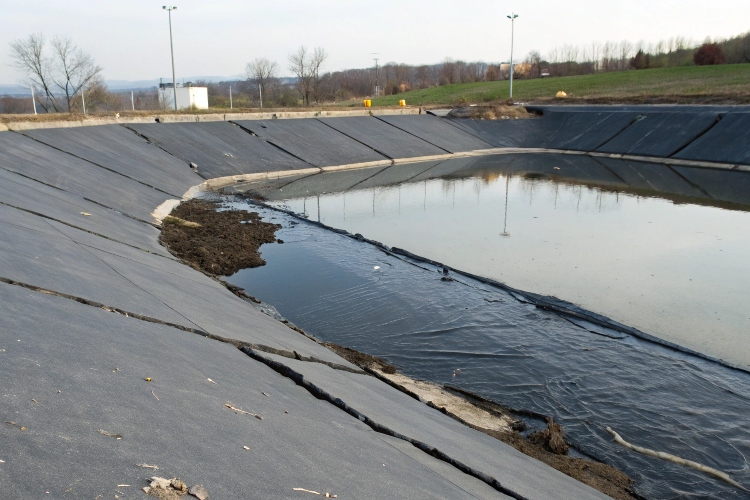
Os sinais visíveis mais comuns de falha são rachaduras longas e ramificadas, superfície calcária ou branca, fragilidade e buracos ou rasgos óbvios. Estes apontam para a degradação do material e não apenas para simples danos físicos.

Aprendendo a ler o forro
Over the years, I've taught clients to distinguish between simple damage and true material failure. A clean cut from a tool is one thing, but when the material itself starts to give up, the signs are very different.
-
Degradação de Materiais vs. Dano Físico
A puncture is a hole forced into a healthy material. Material degradation is when the liner's own structure begins to fail. The most telling sign of this is long, branching cracks that look like a spiderweb. This isn't from a single impact; it's a sign of stress from UV exposure or temperature changes causing the polymer to break down. Another key sign is "chalking," onde a superfície fica esbranquiçada e parece pulverulenta. Esta é a camada superior do revestimento que se desintegra literalmente com a exposição ao sol. -
The "Feel" Teste
Um teste de campo simples que recomendo é cortar cuidadosamente uma pequena amostra de uma área afetada e não crítica (se possível). Compare sua flexibilidade com uma nova peça de geomembrana. Se a peça antiga estiver quebradiça e rachar ao ser dobrada, ou rasgar com muito pouco esforço, sua integridade estrutural desapareceu. Perdeu a elasticidade, essencial para lidar com o movimento e a pressão do solo.
| Sinal | Causa provável | Ação recomendada |
|---|---|---|
| Limpar Punção ou Rasgo | Impacto Físico | Reparar (Correção) |
| Rachaduras longas e ramificadas | Estresse UV/térmico | Substituir |
| Superfície calcária/branca | Degradação UV | Avaliar para substituição |
| Fragilidade (quebra quando dobrado) | Envelhecimento Avançado | Substituir |
Como posso saber se um vazamento significa reparo ou substituição?
Você tem um vazamento confirmado e há pressão para consertá-lo. Um remendo rápido parece ser a resposta fácil, mas você poderia estar apenas tapando um buraco em um navio que está afundando.
One or two small holes on a younger liner are ideal for patching. Multiple leaks, widespread damage, or any failure along a welded seam means the system's integrity is compromised and replacement is the only reliable solution.
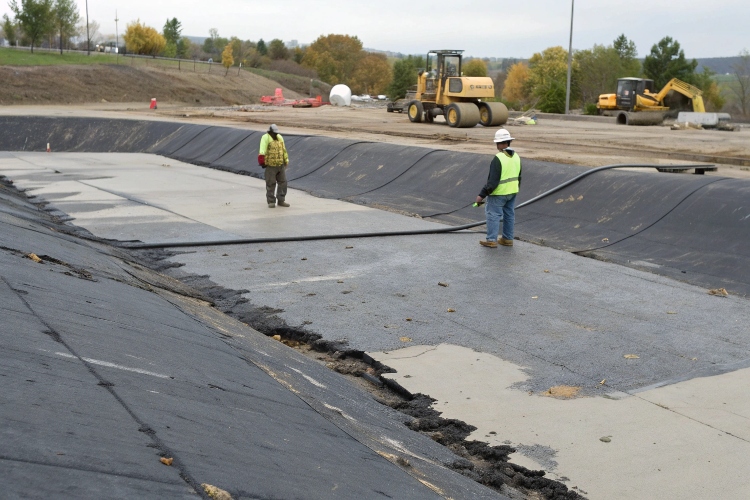
Avaliando o escopo do dano
When I get a call about a leak, my first questions are always "How many?" and "Where?". The answer tells me whether we're dealing with a localized problem or a system-wide failure.
-
The "Repair Zone"
A single puncture with a diameter smaller than 15 cm on a liner that is less than 15 years old is in the perfect "repair zone." Esta é uma ótima notícia. Isso significa que a geomembrana circundante ainda está saudável e forte o suficiente para formar uma ligação permanente com um remendo soldado. Este é um incidente isolado e não um sintoma de um problema maior. Um remendo adequado pode restaurar o funcionamento completo do revestimento. -
The "Replacement Zone"
If you're finding leaks in multiple places, or if the liner is over 15 years old, you've entered the replacement zone. This pattern of failure indicates the material itself is becoming weak and porous. Patching one spot will only put stress on another, and a new leak will likely appear nearby. Most critically, if the leak is on a welded seam, this is a major red flag. Seams are the backbone of the system; patching over them is not a reliable fix. The old seam must be cut out and completely re-welded by a professional. At that point, a full replacement is often the safer, more cost-effective long-term solution.
Como a vida útil e a exposição ambiental afetam o tempo de substituição?
Your liner is 20 years old and seems fine, but you wonder if it's living on borrowed time. How do you know when its intended service life is actually over?
A maioria das geomembranas de HDPE são projetadas para durar de 20 a 40 anos quando enterradas, mas essa vida útil é significativamente reduzida pela exposição direta aos raios UV. Um revestimento exposto deve ser avaliado para substituição muito mais cedo, geralmente em torno da marca dos 25 anos.
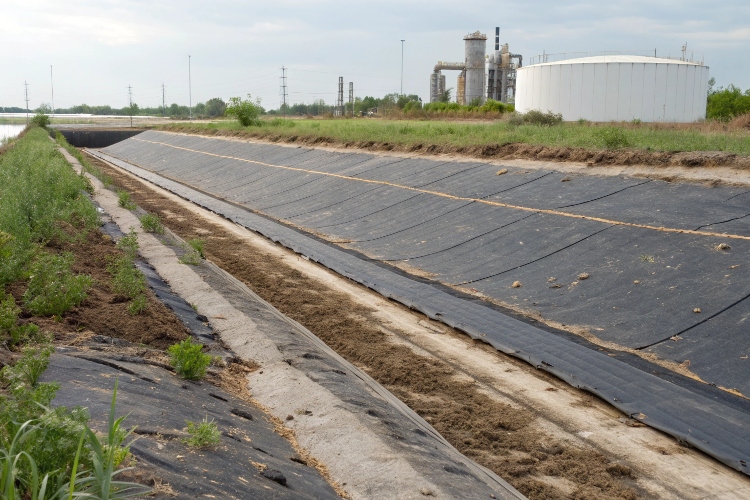
O relógio de vida útil não está corrigido
UM geomembrana's service life is not a simple expiration date. It's a performance window that is heavily influenced by its environment. I always remind my clients that how you install and maintain the liner is just as important as the material itself.
-
Enterrado vs. Exposto
The single biggest factor affecting lifespan is a protective cover. A geomembrane buried under soil, rock, or water is shielded from its greatest enemy: ultraviolet radiation. A buried HDPE liner can reliably perform for 30, 40, or even more years. However, if that same liner is left exposed to direct sunlight, the UV rays constantly attack the polymer structure. This "UV accelerator" means an exposed liner's effective service life is shortened dramatically. I advise clients with exposed liners to begin planning for replacement avaliação as they approach 25 years, even if there are no major visible issues. -
Verificações de saúde profissionais para revestimentos
For critical projects, guessing isn't good enough. You can scientifically measure a liner's remaining lifespan. The industry-standard test is called Tempo de Indução Oxidativa (OIT). A technician takes a small sample of the liner and uses a machine to measure how much antioxidant is left in the material. This tells you exactly how much "fight" the liner has left against degradation. It's like a blood test for your geomembrane, taking the guesswork out of your replacement decision.
Que fatores externos sinalizam que o desempenho do liner não é mais confiável?
Suddenly, your perfect containment system is failing. It might not be the liner's fault—the site conditions may have changed, creating new threats the system wasn't designed for.
A exposição inesperada a produtos químicos, os danos causados por animais escavadores ou raízes e o grande assentamento do solo são ameaças externas que muitas vezes exigem a substituição total. Um simples patch não pode resolver um problema subjacente e contínuo.

Quando o problema está fora do revestimento
Sometimes, the geomembrane is a victim of its environment. When I troubleshoot a failing liner, I always ask, "What has changed at the site?" O revestimento pode estar funcionando exatamente como projetado, mas as condições tornaram-se muito agressivas para que ele possa ser manuseado.
-
Ataques Químicos, Biológicos e Físicos
If the contents of your pond or lagoon change to include chemicals the liner wasn't rated for, it will degrade quickly. Similarly, if burrowing animals or aggressive tree roots have invaded the site, they will create constant new punctures. You can patch one hole, but you can't stop the ongoing damage. In these cases, the external threat must be eliminated, and the damaged liner is often too compromised to save, requiring a full replacement. -
Falha no subleito e defeitos de instalação
Uma geomembrana é tão estável quanto o solo abaixo dela. Se o subleito assentar, se deslocar ou sofrer erosão, ele poderá esticar o revestimento até o seu ponto de ruptura. Nenhuma quantidade de remendos pode consertar um revestimento que está sob tensão constante em uma fundação instável. Da mesma forma, se uma inspeção no local revelar defeitos de instalação generalizados, como soldas de má qualidade ou enrugamento excessivo, isso criará centenas de pontos fracos. É muito mais econômico e confiável substituir todo o sistema corretamente do que correr atrás de uma série interminável de pequenos reparos. Inspeções regulares, pelo menos semestralmente e após grandes eventos climáticos, são a melhor forma de detectar precocemente estes factores externos.
Conclusão
A decisão entre reparo e substituição depende do tipo de dano e da idade do revestimento. Repare furos isolados em revestimentos novos, mas substitua revestimentos antigos e quebradiços com falhas generalizadas para garantir a integridade a longo prazo.