

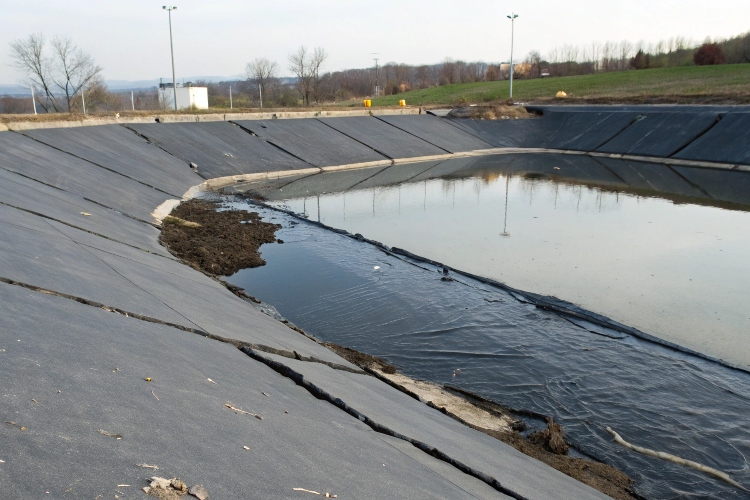
Kuna ganin hawaye a cikin layin geomembrane ko lura da raguwar matakin ruwa. Yanzu kuna fuskantar zaɓi mai mahimmanci: shin wannan gyara ne mai sauƙi, ko alama ta farko ta gaba ɗaya?
Gyara ya fi dacewa ga ƙananan, keɓaɓɓen huda (<15 cm) akan sabon layi (<shekaru 15). Maye gurbin yana da mahimmanci ga tsofaffin masu layi tare da lalacewa mai yawa, dogayen tsagewa, ko raguwa, saboda wannan yana nuna kayan da kansa yana rushewa.
A matsayina na mai samar da geosynthetics, Ina samun wannan kiran koyaushe. Shawarar tsakanin gyarawa da maye gurbin yana da babban sakamako na kudi. Madaidaicin facin zai iya ajiye aikin kuma ya saya muku shekaru na rayuwar sabis. Amma ƙoƙarin facin layin da ke faɗuwa a zahiri yana kama da sanya bandeji akan karyewar kashi - motsa jiki mai tsada kuma mara inganci wanda ke jinkirta abin da ba makawa kawai. Don yin kiran da ya dace, kuna buƙatar sanin ainihin abin da kuke kallo.
Wadanne alamomin bayyane suke nuna cewa geomembrane yana tsufa ko kasawa?
Ka duba layinka ka ga wani abu a kashe, amma ba ka da tabbacin ko da gaske ne. Yin watsi da mahimmancin alamar tsufa na iya haifar da kwatsam, cikakkiyar gazawar tsarin ɗaukar hoto.
Mafi yawan alamun gazawar da ake iya gani sune dogaye, tsage-tsage, fili mai alli ko fari, gallazawa, da ramuka ko hawaye. Waɗannan suna nuni ne ga lalatar kayan abu, ba kawai lalacewa ta jiki kawai ba.

Koyon Karanta Litafi
A tsawon shekaru, Na koya wa abokan ciniki don bambanta tsakanin lalacewa mai sauƙi da gazawar kayan gaskiya. Yanke mai tsabta daga kayan aiki abu ɗaya ne, amma lokacin da kayan da kansa ya fara dainawa, alamun sun bambanta sosai.
-
Lalacewar kayan abu vs. Lalacewar Jiki
A puncture is a hole forced into a healthy material. Material degradation is when the liner's own structure begins to fail. The most telling sign of this is long, branching cracks that look like a spiderweb. This isn't from a single impact; it's a sign of stress from UV exposure or temperature changes causing the polymer to break down. Another key sign is "chalking," inda saman ya koma fari ya ji powdery. Wannan shine saman saman layin da ke tarwatsewa daga fitowar rana. -
The "Feel" Gwaji
Gwajin filin mai sauƙi da na ba da shawarar shine a yanke ƙaramin samfurin a hankali daga wurin da abin ya shafa, wanda ba shi da mahimmanci (idan zai yiwu). Kwatanta sassaucinsa zuwa sabon yanki na geomembrane. Idan tsohon guntun yana da karye kuma yana tsage lokacin da kuka lanƙwasa shi, ko kuma yana hawaye da ɗan ƙoƙari kaɗan, amincin tsarinsa ya ɓace. Ya rasa ƙarfinsa, wanda ke da mahimmanci don kula da motsi na ƙasa da matsa lamba.
| Alama | Dalili mai yiwuwa | Ayyukan da aka Shawarar |
|---|---|---|
| Tsaftace Huda ko Hawaye | Tasirin Jiki | Gyara (Faci) |
| Doguwa, Fashewar Branch | Damuwar UV/Thermal | Sauya |
| Alli/ Farin Sama | Lalacewar UV | Kimanta don Sauyawa |
| Barci (Karfafawa lokacin da aka lanƙwasa) | Babban Tsufa | Sauya |
Ta yaya zan iya sanin ko yabo yana nufin gyara ko sauyawa?
Kuna da tabbacin yabo, kuma ana kan matsin lamba don gyara shi. Faci mai sauri yana kama da amsa mai sauƙi, amma kuna iya toshe rami ɗaya kawai a cikin jirgi mai nutsewa.
Ƙananan ramuka ɗaya ko biyu a kan ƙaramin layi suna da kyau don yin faci. Yabo da yawa, lalacewar tartsatsi, ko duk wani gazawa tare da ɗinki mai walda yana nufin an lalata amincin tsarin kuma maye gurbin shine kawai abin dogaro.
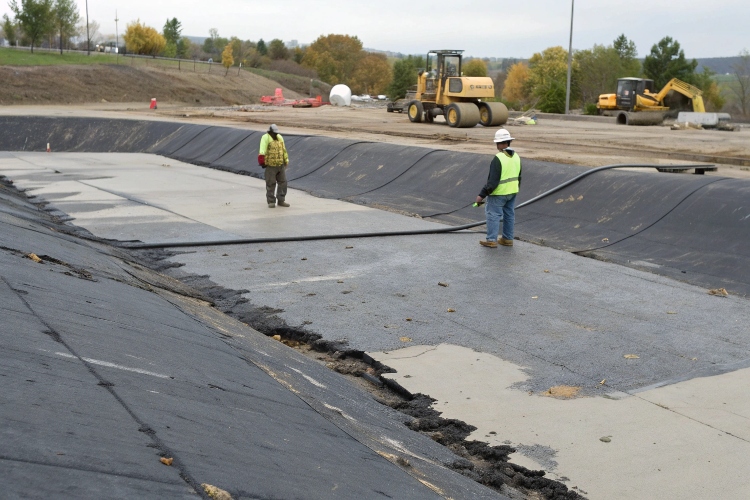
Tantance Iyalin Lalacewar
When I get a call about a leak, my first questions are always "How many?" and "Where?". The answer tells me whether we're dealing with a localized problem or a system-wide failure.
-
The "Repair Zone"
A single puncture with a diameter smaller than 15 cm on a liner that is less than 15 years old is in the perfect "repair zone." Wannan babban labari ne. Yana nufin geomembrane da ke kewaye da shi har yanzu yana da lafiya kuma yana da ƙarfi don samar da haɗin gwiwa na dindindin tare da facin walda. Wannan lamari ne keɓe, ba alamar babbar matsala ba ce. Madaidaicin facin zai iya mayar da layin zuwa cikakken aiki. -
The "Replacement Zone"
Idan kuna samun leaks a wurare da yawa, ko kuma idan layin ya wuce shekaru 15, kun shiga yankin maye gurbin. Wannan tsarin gazawar yana nuna kayan da kansa yana zama mai rauni kuma mara ƙarfi. Daidaita wuri ɗaya kawai zai sanya damuwa akan wani, kuma da alama sabon ɗigo zai bayyana a kusa. Mafi mahimmanci, idan ɗigon ya kasance akan kabu mai welded, wannan babbar tutar ja ce. Seams sune kashin bayan tsarin; yin faci a kansu ba abin dogaro ba ne. Dole ne a yanke tsohon dinkin kuma kwararren ya sake sake shi gaba daya. A wannan lokacin, cikakken maye gurbin sau da yawa shine mafi aminci, mafi inganci na dogon lokaci mafita.
Ta yaya rayuwar sabis da bayyanar muhalli ke shafar lokacin maye gurbin?
Jirgin ku yana da shekaru 20 kuma yana da kyau, amma kuna mamakin ko yana rayuwa akan lokacin aro. Ta yaya kuke sanin lokacin da rayuwar hidimar da aka yi niyya ta ƙare?
Yawancin HDPE geomembranes an tsara su don ɗaukar shekaru 20-40 lokacin da aka binne, amma wannan tsawon rayuwar yana da mahimmanci ta hanyar bayyanar UV kai tsaye. Ya kamata a kimanta layin da aka fallasa don maye gurbin da yawa a baya, sau da yawa a kusa da alamar shekaru 25.
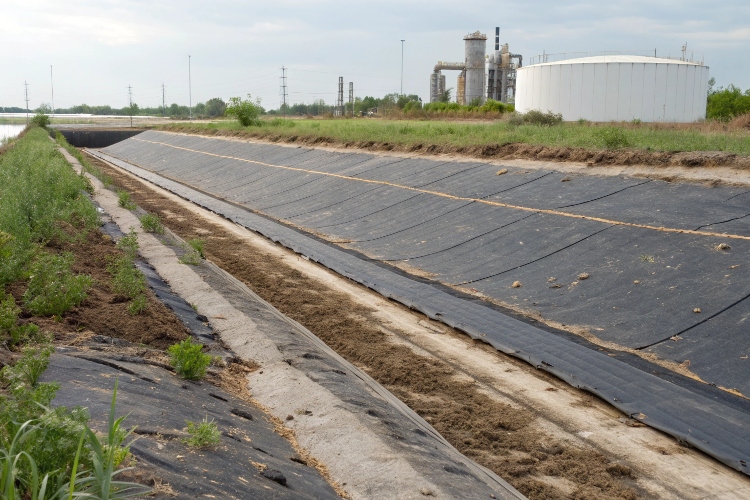
Ba a Kafaffen Agogon Rayuwa
A geomembraneRayuwar sabis ba kwanan ranar karewa ba ce mai sauƙi. Tagar wasan kwaikwayo ce wacce muhallinta ke tasiri sosai. A koyaushe ina tunatar da abokan cinikina cewa yadda kuke shigarwa da kula da layin layi yana da mahimmanci kamar kayan da kansa.
-
Binne vs. Bayyana
The single biggest factor affecting lifespan is a protective cover. A geomembrane buried under soil, rock, or water is shielded from its greatest enemy: ultraviolet radiation. A buried HDPE liner can reliably perform for 30, 40, or even more years. However, if that same liner is left exposed to direct sunlight, the UV rays constantly attack the polymer structure. This "UV accelerator" yana nufin an gajarta ingantaccen rayuwar sabis na layin layi. Ina shawartar abokan ciniki tare da fallen layi don fara shirin maye gurbin avaliação yayin da suke kusantar shekaru 25, koda kuwa babu manyan batutuwan bayyane. -
Binciken Kiwon Lafiyar Ƙwararru don Masu Layi
Don ayyuka masu mahimmanci, zato bai yi kyau ba. Za ka iya auna a kimiyance ragowar tsawon rayuwar layin layi. Ana kiran gwajin daidaitattun masana'antu Lokacin Induction Oxidative (OIT). A technician takes a small sample of the liner and uses a machine to measure how much antioxidant is left in the material. This tells you exactly how much "fight" layin ya bar baya da lalacewa. Yana kama da gwajin jini don geomembrane ɗin ku, ɗaukar zato daga shawarar maye gurbin ku.
Wadanne dalilai na waje ke nuna aikin layin ba ya da abin dogaro?
Ba zato ba tsammani, cikakken tsarin tsarin ku yana kasawa. Maiyuwa ba laifin mai layi ba ne—yana iya yiwuwa yanayin rukunin yanar gizon ya canza, haifar da sabbin barazanar da tsarin ba a tsara shi ba.
Bayyanar sinadarai da ba zato ba tsammani, lalacewar dabbobi ko tushen binnewa, da manyan matsugunan ƙasa barazana ne na waje waɗanda galibi suna buƙatar cikakken canji. Faci mai sauƙi ba zai iya gyara matsala mai gudana ba.

Lokacin da Matsala ke Wajen Layi
Sometimes, the geomembrane is a victim of its environment. When I troubleshoot a failing liner, I always ask, "What has changed at the site?" Mai yiwuwa layin layi yana aiki daidai kamar yadda aka tsara, amma yanayin ya zama mawuyaci don ya iya ɗauka.
-
Sinadarai, Halittu, da Harin Jiki
Idan abinda ke cikin tafki ko tafkinku ya canza ya haɗa da sinadarai na layin da ba a tantance su ba, zai ragu da sauri. Hakazalika, idan dabbobi masu binnewa ko tushen bishiya masu tsaurin ra'ayi sun mamaye wurin, za su haifar da sabbin huda. Kuna iya facin rami ɗaya, amma ba za ku iya dakatar da lalacewar da ke gudana ba. A cikin waɗannan lokuta, dole ne a kawar da barazanar waje, kuma layin da aka lalace sau da yawa yakan ɓata don ajiyewa, yana buƙatar cikakken maye gurbin. -
Rashin Ƙarƙashin Ƙarƙashin Ƙarƙashin Ƙarƙashin Ƙarƙashin Ƙarƙashin Ƙarƙashin Ƙarƙashin Ƙarƙashin Ƙarƙashin Ƙarƙashin Ƙarfafawa
Geomembrane kawai yana da tsayayye kamar ƙasa a ƙarƙashinsa. Idan matakin ƙasa ya daidaita, ya canza, ko ya ɓace, zai iya shimfiɗa layin zuwa wurin da ya karye. Babu adadin faci da zai iya gyara layin da ke cikin tashin hankali akai-akai daga tushe mara tushe. Hakazalika, idan binciken yanar gizon ya nuna lahani na shigarwa mai yaduwa-kamar welds mara kyau ko wuce gona da iri-waɗannan suna haifar da ɗaruruwan raunata. Yana da nisa mafi tsada-tasiri kuma abin dogara don maye gurbin tsarin gaba ɗaya daidai fiye da bin bayan jerin ƙananan gyare-gyare marasa iyaka. Binciken akai-akai, aƙalla kowane watanni shida da kuma bayan manyan abubuwan yanayi, shine hanya mafi kyau don kama waɗannan abubuwan waje da wuri.
Ƙarshe
Yanke shawara tsakanin gyarawa da maye gurbin hinges akan nau'in lalacewa da shekarun layi. Gyara keɓancewar huda akan masu sarukan matasa, amma maye gurbin tsofaffi, masu tsinkewa tare da gazawa da yawa don tabbatar da mutunci na dogon lokaci.