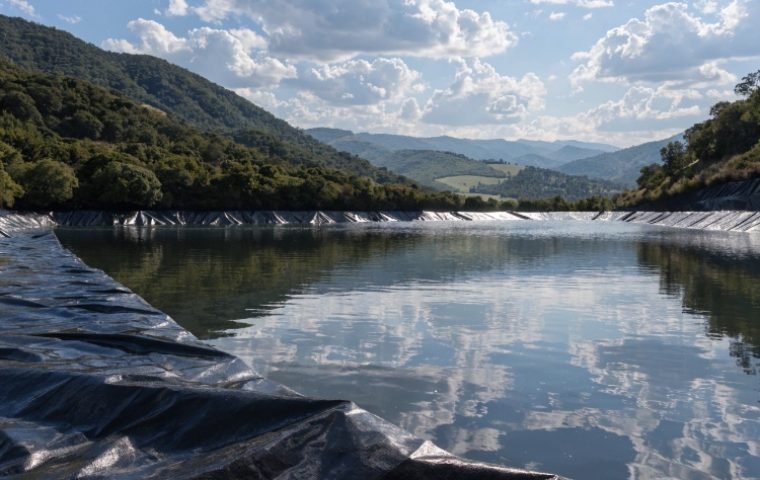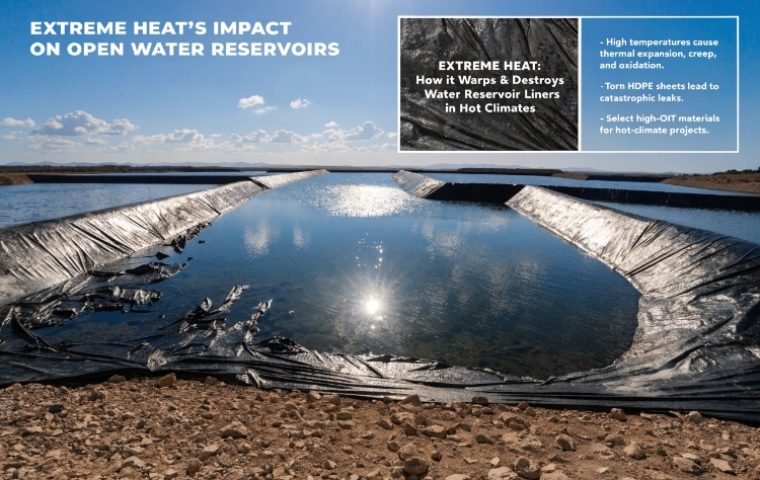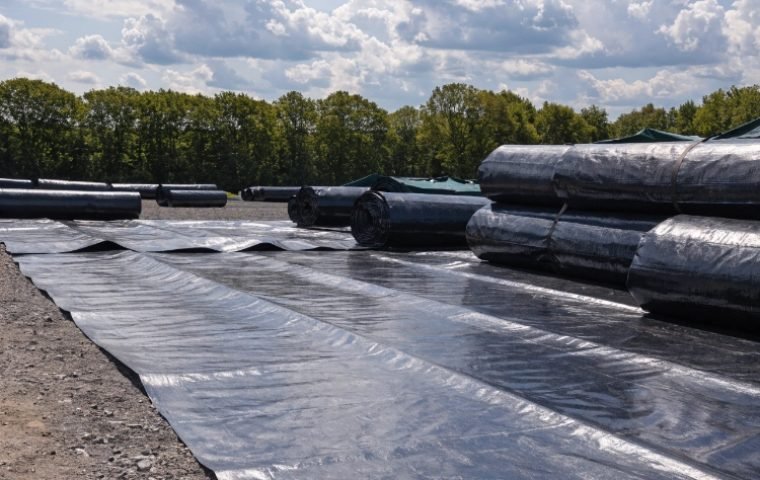


You see a tear in your geomembrane liner or notice the water level dropping. Now you face a critical choice: is this a simple fix, or the first sign of a total failure?
Repair is best for small, isolated punctures (<15 cm) on a newer liner (<15 years old). Replacement is necessary for older liners with widespread damage, long cracks, or failing seams, as this indicates the material itself is breaking down.
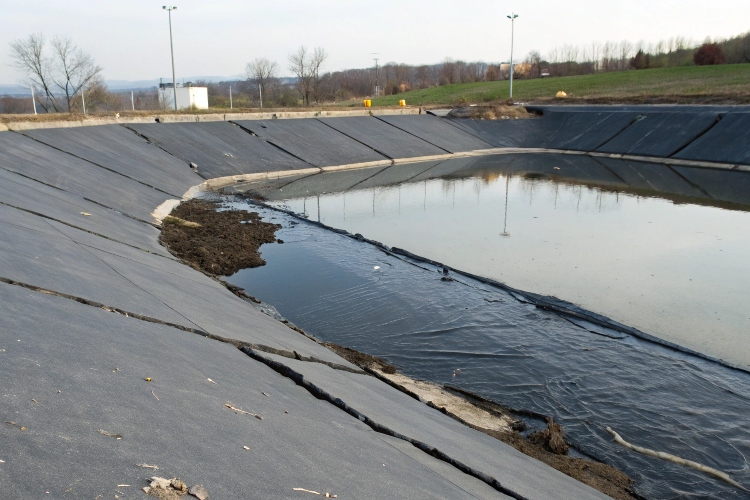
As a geosynthetics supplier, I get this call all the time. The decision between repair and replacement has huge financial consequences. A proper patch can save a project and buy you years of service life. But trying to patch a liner that is fundamentally failing is like putting a band-aid on a broken bone—a costly and ineffective exercise that only delays the inevitable. To make the right call, you need to know exactly what you're looking at.
What visible signs indicate that a geomembrane is aging or failing?
You look at your liner and see something's off, but you're not sure if it's serious. Ignoring a critical symptom of aging could lead to a sudden, complete failure of your containment system.
The most common visible signs of failure are long, branching cracks, a chalky or white surface, brittleness, and obvious holes or tears. These point to material degradation, not just simple physical damage.

Learning to Read the Liner
Over the years, I've taught clients to distinguish between simple damage and true material failure. A clean cut from a tool is one thing, but when the material itself starts to give up, the signs are very different.
-
Material Degradation vs. Physical Damage
A puncture is a hole forced into a healthy material. Material degradation is when the liner's own structure begins to fail. The most telling sign of this is long, branching cracks that look like a spiderweb. This isn't from a single impact; it's a sign of stress from UV exposure or temperature changes causing the polymer to break down. Another key sign is "chalking," where the surface turns whitish and feels powdery. This is the top layer of the liner literally disintegrating from sun exposure. -
The "Feel" Test
A simple field test I recommend is to carefully cut a small sample from an affected, non-critical area (if possible). Compare its flexibility to a new piece of geomembrane. If the old piece is brittle and cracks when you bend it, or tears with very little effort, its structural integrity is gone. It has lost its elasticity, which is essential for handling ground movement and pressure.
| Sign | Probable Cause | الإجراء الموصى به |
|---|---|---|
| Clean Puncture or Tear | Physical Impact | Repair (Patch) |
| Long, Branching Cracks | UV/Thermal Stress | Replace |
| Chalky/White Surface | UV Degradation | Evaluate for Replacement |
| Brittleness (Breaks when Bent) | Advanced Aging | Replace |
How can I tell if a leak means repair or replacement?
You have a confirmed leak, and the pressure is on to fix it. A quick patch seems like the easy answer, but you could be just plugging one hole in a sinking ship.
One or two small holes on a younger liner are ideal for patching. Multiple leaks, widespread damage, or any failure along a welded seam means the system's integrity is compromised and replacement is the only reliable solution.
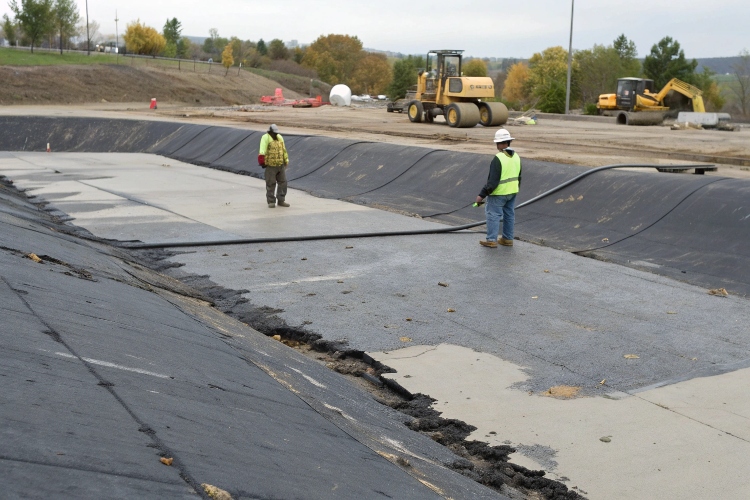
Assessing the Scope of the Damage
When I get a call about a leak, my first questions are always "How many?" and "Where?". The answer tells me whether we're dealing with a localized problem or a system-wide failure.
-
The "Repair Zone"
A single puncture with a diameter smaller than 15 cm on a liner that is less than 15 years old is in the perfect "repair zone." This is great news. It means the surrounding geomembrane is still healthy and strong enough to form a permanent bond with a welded patch. This is an isolated incident, not a symptom of a larger problem. A proper patch can restore the liner to full function. -
The "Replacement Zone"
If you're finding leaks in multiple places, or if the liner is over 15 years old, you've entered the replacement zone. This pattern of failure indicates the material itself is becoming weak and porous. Patching one spot will only put stress on another, and a new leak will likely appear nearby. Most critically, if the leak is on a welded seam, this is a major red flag. Seams are the backbone of the system; patching over them is not a reliable fix. The old seam must be cut out and completely re-welded by a professional. At that point, a full replacement is often the safer, more cost-effective long-term solution.
How does service life and environmental exposure affect replacement timing?
Your liner is 20 years old and seems fine, but you wonder if it's living on borrowed time. How do you know when its intended service life is actually over?
Most HDPE geomembranes are designed to last 20-40 years when buried, but this lifespan is significantly shortened by direct UV exposure. An exposed liner should be evaluated for replacement much earlier, often around the 25-year mark.
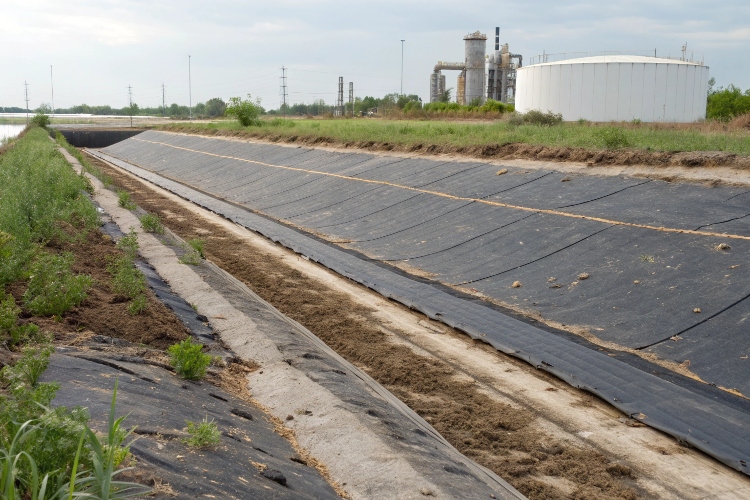
The Lifespan Clock is Not Fixed
أ غشاء أرضي's service life is not a simple expiration date. It's a performance window that is heavily influenced by its environment. I always remind my clients that how you install and maintain the liner is just as important as the material itself.
-
Buried vs. Exposed
The single biggest factor affecting lifespan is a protective cover. A geomembrane buried under soil, rock, or water is shielded from its greatest enemy: ultraviolet radiation. A buried HDPE liner can reliably perform for 30, 40, or even more years. However, if that same liner is left exposed to direct sunlight, the UV rays constantly attack the polymer structure. This "UV accelerator" means an exposed liner's effective service life is shortened dramatically. I advise clients with exposed liners to begin planning for replacement avaliação as they approach 25 years, even if there are no major visible issues. -
Professional Health Checks for Liners
For critical projects, guessing isn't good enough. You can scientifically measure a liner's remaining lifespan. The industry-standard test is called Oxidative Induction Time (OIT). A technician takes a small sample of the liner and uses a machine to measure how much antioxidant is left in the material. This tells you exactly how much "fight" the liner has left against degradation. It's like a blood test for your geomembrane, taking the guesswork out of your replacement decision.
What external factors signal the liner’s performance is no longer reliable?
Suddenly, your perfect containment system is failing. It might not be the liner's fault—the site conditions may have changed, creating new threats the system wasn't designed for.
Unexpected chemical exposure, damage from burrowing animals or roots, and major ground settlement are external threats that often demand full replacement. A simple patch cannot fix an underlying, ongoing problem.

When the Problem is Outside the Liner
Sometimes, the geomembrane is a victim of its environment. When I troubleshoot a failing liner, I always ask, "What has changed at the site?" The liner may be performing exactly as designed, but the conditions have become too aggressive for it to handle.
-
Chemical, Biological, and Physical Attacks
If the contents of your pond or lagoon change to include chemicals the liner wasn't rated for, it will degrade quickly. Similarly, if burrowing animals or aggressive tree roots have invaded the site, they will create constant new punctures. You can patch one hole, but you can't stop the ongoing damage. In these cases, the external threat must be eliminated, and the damaged liner is often too compromised to save, requiring a full replacement. -
Subgrade Failure and Installation Defects
A geomembrane is only as stable as the ground beneath it. If the subgrade settles, shifts, or erodes, it can stretch the liner to its breaking point. No amount of patching can fix a liner that is under constant tension from an unstable foundation. Likewise, if a site inspection reveals widespread installation defects—like poor welds or excessive wrinkling—these create hundreds of weak points. It is far more cost-effective and reliable to replace the entire system correctly than to chase after an endless series of small repairs. Regular inspections, at least every six months and after major weather events, are the best way to catch these external factors early.
خاتمة
Deciding between repair and replacement hinges on the damage type and liner age. Repair isolated punctures on young liners, but replace old, brittle liners with widespread failures to ensure long-term integrity.