

يمكن أن يصبح التسرب البسيط في مزرعة الخزانات بمثابة كابوس كبير للامتثال البيئي. إذا فشل الاحتواء الثانوي الخاص بك لأن البطانة كانت رقيقة جدًا أو تم ثقبها بسهولة، فإن ما بدأ كتنقيط صمام بسيط يتحول إلى تلوث شديد للمياه الجوفية وإغلاق تنظيمي.
يتراوح سمك الغشاء الأرضي HDPE القياسي في الصناعة لاحتواء مزرعة الخزانات عادةً بين 1.5 مم (60 مل) و2.0 مم (80 مل). ومع ذلك، فإن السُمك الدقيق يعتمد كليًا على ظروف الطبقة التحتية، والملف الكيميائي للسائل المخزن، ومخاطر البناء، والعمر المطلوب للمشروع.
In global procurement, asking "What thickness should I buy?" هي نقطة البداية الخاطئة. السؤال الحقيقي هو: كيف يمكنك اختيار السُمك المناسب الذي يضمن الامتثال التنظيمي دون الإسراف في إنفاق ميزانية مشروعك؟
لماذا تتطلب مزارع الخزانات بطانات الأغشية الأرضية
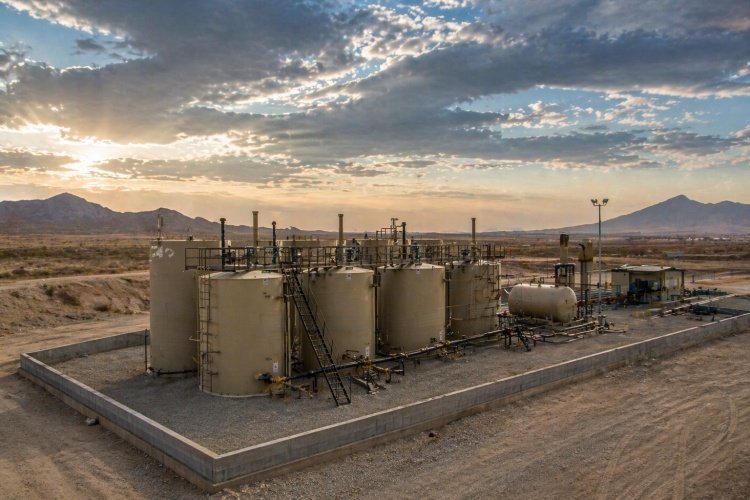
في مجال تخزين البترول والكيماويات الصناعية، الاحتواء الثانوي إلزامي من الناحية الهيكلية. تتكون مزرعة الخزانات من أوعية تخزين أولية ضخمة تحتوي على ملايين الجالونات من السوائل الخطرة. في حالة تمزق الخزان أو مقص الأنابيب أو فشل الصمام، يجب احتجاز هذا السائل قبل أن يغادر خط الملكية.
هذا هو المكان الذي يأتي فيه الغشاء الأرضي. فهو بمثابة غشاء حاجز غير منفذ يبطن الأرض أو الخرسانة داخل حزمة الاحتواء. وبدون هذا الحاجز، سوف يتخلل النفط أو المواد الكيميائية المسكوبة التربة على الفور.
تطبق الهيئات التنظيمية مثل وكالة حماية البيئة (EPA) قواعد صارمة مثل معيار منع الانسكاب والسيطرة عليه والتدابير المضادة (SPCC) لمنع ذلك تمامًا. إذا سمحت المنشأة للهيدروكربونات بالتسرب إلى طبقة المياه الجوفية المحلية، فإن الضرر البيئي يكاد لا يمكن إصلاحه. يمكن أن تؤدي الغرامات والمعالجة القسرية للتربة والإيقاف التشغيلي الكامل إلى إفلاس المشغل. لذلك، فإن الغشاء الأرضي ليس مجرد لوح بلاستيكي؛ إنها بوليصة التأمين النهائية ضد المخاطر البيئية الكارثية.
سمك الغشاء الأرضي النموذجي المستخدم في مزارع الخزانات
عندما أقوم بمراجعة عطاءات المشاريع الدولية، أرى دائمًا سماكتين محددتين تهيمنان على مواصفات احتواء النفط والغاز الأولي.
معيار الصناعة الأساسي هو 1.5 ملم (المعروف أيضًا باسم 60 مل في السوق الأمريكية). يوفر هذا السمك توازنًا قويًا لقوة الشد، مقاومة الثقب، وفعالية التكلفة لمعظم التركيبات القياسية على أرض مُجهزة جيدًا.
المعيار الذي تمت ترقيته هو 2.0 مم (80 مل). ويتم تحديد ذلك عندما تتطلب المنشأة أقصى قدر من المتانة. من خلال تجربتي في تصدير هذه المواد، يتم استخدام 2.0 مم عادةً في التطبيقات عالية المخاطر حيث تكون المخاطر البيئية شديدة، أو حيث تكون التضاريس المحلية أقل من مثالية. في حين أن 1.0 ملم (40 مل) موجود في السوق، إلا أنه مخصص بشكل عام للبرك الزراعية المؤقتة أو بحيرات الزينة، وليس لمزارع الخزانات الصناعية الثقيلة.
العوامل الرئيسية التي تحدد سمك الغشاء الأرضي
لا يمكنك شراء بطانة صناعية على أساس التكلفة فقط. يتطلب اختيار المادة المناسبة عقلية هندسية. من الناحية العملية، فإن السُمك المثالي يعتمد على الطبقة السفلية، والسائل، ومستوى المخاطرة، والعمر الافتراضي، وحقائق التثبيت. إليك كيفية تقييم مشروعك فعليًا.
نوع السائل المخزن
العامل الأساسي الذي يجب مراعاته هو بالضبط نوع السائل الذي تحاول احتواؤه. تهاجم السوائل المختلفة المواد البلاستيكية بمعدلات مختلفة.
إذا كنت تقوم بتخزين النفط الخام القياسي أو الديزل المكرر، 1.5 ملم بطانة من البولي إيثيلين عالي الكثافة (HDPE). غالبا ما يوفر مقاومة كيميائية كافية. ومع ذلك، إذا كانت مزرعة الخزانات الخاصة بك تخزن مذيبات عضوية شديدة العدوانية، أو مواد كيميائية معالجة بدرجة حرارة عالية، أو أحماض مركزة، فإنك تواجه خطرًا أكبر بكثير لاختراق المواد الكيميائية بمرور الوقت.
يمكن للمواد الكيميائية الثقيلة أن تنتفخ أو تتحلل المواد البلاستيكية الرقيقة ببطء. في بطانات الاحتواء الكيميائي، فإن زيادة سمكها إلى 2.0 مم يوفر كتلة تضحية أكبر. كلما كان الغشاء الأرضي أكثر سمكًا، كلما استغرق الانتشار الكيميائي العدواني وقتًا أطول للإضرار بسلامة الحاجز. يغير الوقود مقابل المواد الكيميائية القاسية حساب السُمك بالكامل.
شروط الطبقة التحتية والأساس
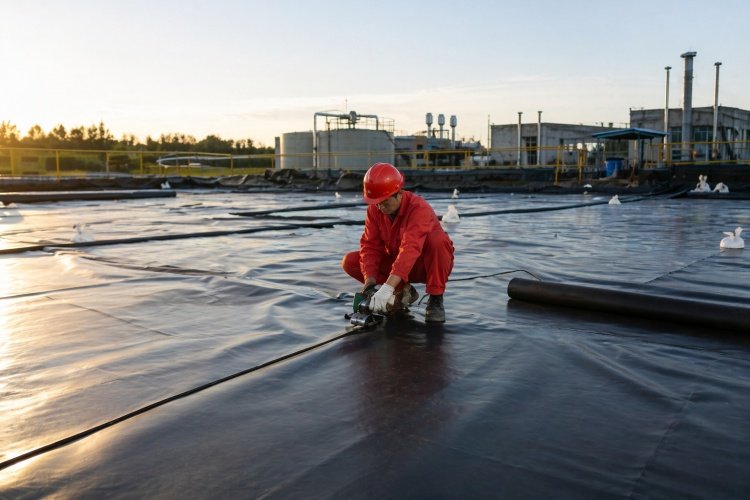
هذا هو المتغير الوحيد الأكثر أهمية في هذا المجال. فقير الطبقة الفرعية هو أحد الأسباب الرئيسية لفشل الخطوط الملاحية المنتظمة.
إذا كنت تقوم بتركيب بطانة HDPE فوق قاعدة خرسانية ناعمة تمامًا ومستوية بالليزر أو طبقة رملية ناعمة مضغوطة بشدة، فإن سمك 1.5 مم يكون آمنًا تمامًا. توفر الأرض دعمًا مباشرًا وموحدًا للبلاستيك.
ومع ذلك، يتم تنفيذ العديد من مشاريع مزارع الخزانات على الأراضي المستصلحة، أو التربة الصخرية، أو قواعد الحصى المسحوقة. عندما تضغط آلاف الأطنان من الزيت المسكوب على البطانة، فإن أي صخور حادة تحتها تعمل مثل الإبر. إذا كانت الطبقة الأساسية الخاصة بك خشنة أو صخرية، فيجب عليك زيادة السُمك إلى 2.0 مم لمقاومة ثقوب التحميل النقطي. علاوة على ذلك، في الظروف الصخرية، يجب عليك نشر وسادة سميكة غير منسوجة من النسيج الأرضي مباشرة تحت الغشاء الأرضي. يعد الاعتماد على السُمك وحده مع تجاهل الطبقة السفلية غير المستوية خطأً فادحًا في الشراء.
مستوى مخاطر المشروع
يجب على المشترين المحترفين تقييم حجم العواقب. ماذا يحدث بالفعل إذا فشل نظام الاحتواء المحدد هذا؟
بالنسبة لمشروع منخفض إلى متوسط المخاطر - مثل مستودع وقود صغير بعيد حيث يكون التسرب موضعيًا للغاية وبعيدًا عن مصادر المياه البلدية - يعد حاجز قياسي بقطر 1.5 مم بمثابة ملف تعريف مقبول للمخاطر.
ولكن لنفكر في تطبيق عالي المخاطر: محطة نفط خام تبلغ طاقتها عدة ملايين من البراميل تقع مباشرة بجوار ميناء ساحلي، أو نهر رئيسي، أو أرض زراعية. في هذه السيناريوهات، يكون التأثير البيئي للانتهاك كارثيًا. التدقيق الحكومي مكثف. يحدد المشترون B2B الذين يعملون في مشاريع عالية المخاطر على مستوى العالم تقريبًا سمك 2.0 مم لبناء هامش أمان هائل ضد الغرامات الكارثية وكوارث العلاقات العامة.
متطلبات الحياة التصميمية
ما هي المدة التي تحتاجها هذه المنشأة للعمل؟ قد يكون موقع تخزين التكسير الهيدروليكي المؤقت نشطًا لمدة خمس سنوات فقط، لكن احتياطي النفط الاستراتيجي الوطني سيكون في حالة تشغيل مستمر لمدة 30 إلى 40 عامًا.
عمر الأغشية الأرضية. إنهم يتعرضون للأشعة فوق البنفسجية المكثفة من الشمس، والدورة الحرارية الشديدة، والإجهاد التأكسدي المستمر. على مدى عقود من الزمن، يؤدي التعرض للأشعة فوق البنفسجية إلى استنفاذ أسود الكربون ومضادات الأكسدة الممزوجة بالبلاستيك. تحتوي المواد السميكة بطبيعتها على كمية أكبر من هذه الإضافات الواقية. سوف تدوم البطانة مقاس 2.0 مم ببساطة أكثر من البطانة التي يبلغ سمكها 1.5 مم في الظروف الصحراوية القاسية والمكشوفة، لأن البيئة تستغرق وقتًا أطول بكثير لتكسير مصفوفة البوليمر السميكة.
عوامل التثبيت والبناء
يجب أن ننظر إلى واقع مواقع البناء. عندما يتم بناء نظام الاحتواء، فإن العمال الذين يرتدون أحذية ثقيلة ذات مقدمة فولاذية يسيرون باستمرار على البلاستيك. يقوم المقاولون من الباطن بإسقاط مفاتيح فولاذية ثقيلة، وسحب معدات اللحام، وسحب الخراطيم الثقيلة عبر السطح.
الخطأ البشري أمر لا مفر منه. البطانات السميكة أكثر تحملاً لأضرار البناء. إن الأداة المسقطة التي تثقب بسهولة ورقة مقاس 1.0 مم لن تؤدي إلا إلى خدش سطح ورقة مقاس 2.0 مم. إذا كانت القوى العاملة في المقاول لديك عديمة الخبرة نسبيًا، أو إذا تم التعجيل بالجدول الزمني للبناء، فإن استخدام بطانة HDPE الأكثر سمكًا يوفر غفرانًا ميكانيكيًا خطيرًا ضد الأضرار العرضية في الموقع.
المعايير والمبادئ التوجيهية لسمك الغشاء الأرضي
ولضمان الموثوقية العالمية، يعتمد المشترون الصناعيون على بروتوكولات الاختبار الموحدة. توفر منظمات مثل معهد البترول الأمريكي (API)، وASTM International، ومعهد Geosynthetic (GSI) البيانات الأساسية لتوصيات السُمك.
تحدد GSI على وجه التحديد الحد الأدنى من الخصائص الفيزيائية للأغشية الأرضية HDPE في مواصفات GRI-GM13 الخاصة بها. للوفاء بهذه المعايير، يجب أن تجتاز المادة اختبارات ASTM الصارمة لمقاومة التمزق (ASTM D1004) ومقاومة الثقب (ASTM D4833).
تدرك هذه المعاهد أنه عندما تنخفض البطانة إلى أقل من 1.5 ملم (60 مل)، فإن قدرتها على تحمل تهديدات الثقب الصناعي القياسية تنخفض بشكل حاد. وهذا هو بالضبط السبب وراء تحول 60 مليونًا و80 مليونًا إلى المعايير الراسخة للنفايات الخطرة واحتواء المواد البترولية. إن اتباع هذه الإرشادات يضمن أن مشروعك يلبي المعايير العالمية للاكتتاب في التأمين البيئي.
جدول السماكة الموصى به لظروف مختلفة
لتبسيط عملية الشراء، أستخدم هذا الإطار العام عند تقييم الاستفسارات المقدمة من المقاولين الدوليين. ويساعد هذا الجدول على مطابقة الواقع البيئي مع الكثافة المادية المطلوبة.
| الحالة الهندسية للمشروع | سمك HDPE الموصى به |
|---|---|
| قاعدة خرسانية ناعمة أو أرضية خزان فولاذية | 1.5 ملم |
| رمل مضغوط جيدًا + وسادة تكسية أرضية | 1.5-2.0 ملم |
| طبقة أساسية صخرية أو غير مستوية أو سيئة | ≥2.0 مم (بالإضافة إلى النسيج الأرضي الثقيل) |
| تخزين المواد الكيميائية العدوانية عالية المخاطر | ≥2.0 ملم |
| يتعرض للأشعة فوق البنفسجية الشديدة لمدة تزيد عن 25 عامًا | 2.0 ملم |
دراسة الحالة: اختيار السُمك لمشروع مزرعة الخزانات
لفهم كيفية اختيار السُمك في العالم الحقيقي، دعونا نلقي نظرة على حالة تصدير قياسية تعاملنا معها لمحطة نفط ساحلية.
المشروع: مزرعة صهاريج جديدة للنفط الخام تقع في بيئة استوائية ذات درجات حرارة مرتفعة على مدار العام.
السائل المخزن: النفط الخام الثقيل.
الطبقة الفرعية: تم استصلاح الموقع الأرض. وبينما كان المقاولون يضعون طبقة رملية مضغوطة، كانت الرمال المحلية تحتوي على آثار حادة من المرجان المسحوق وشظايا الصدفة.
ملف المخاطر: عالية للغاية. وكان منسوب المياه الجوفية تحت سطح الأرض بمتر واحد فقط، مما يعني أن أي تسرب سيضرب المحيط على الفور.
الاختيار النهائي: لقد قمنا بتوفير أغشية التبطين HDPE 2.0 مم مدمجة مع مواد تكسية أرضية غير منسوجة 400g/m².
لماذا هذا السماكة؟ على الرغم من إمكانية احتواء النفط الخام بسهولة بواسطة مادة HDPE مقاس 1.5 مم، إلا أن الطبقة السفلية هي التي أملت القرار. شكلت شظايا المرجان الحادة الموجودة أسفل البطانة خطرًا شديدًا للثقب عند نقطة التحميل في ظل الضغط الهيدروستاتيكي الهائل الناتج عن تسرب الخزان بالكامل. علاوة على ذلك، يوفر سمك 2.0 مم هامش أمان أفضل ضد الأدوات المتساقطة أثناء التثبيت المعقد حول العشرات من أحذية الأنابيب الكبيرة. تكلف السماكة الإضافية البالغة 0.5 مم مبلغًا أكبر قليلاً مقدمًا ولكنها حالت دون ملايين الدولارات من المعالجة الساحلية المحتملة.
الأخطاء الشائعة عند اختيار سمك الغشاء الأرضي
على مدى سنوات من توريد هذه المواد، أرى مديري المشاريع يرتكبون نفس أخطاء الشراء. وكل خطأ من هذه الأخطاء يؤدي إلى فشل الاحتواء الذي يمكن تجنبه.
- اختيار 1.0 ملم لتقليل التكلفة: Buyers mistakenly believe "plastic is plastic." النتيجة: البطانة تعاني ثقوب دقيقة أثناء التثبيت، مما يعني أنه يتسرب بالفعل قبل افتتاح المنشأة.
- تجاهل تحضير الطبقة السفلية: شراء مادة سميكة ولكن رميها على صخور خام غير مصقولة. النتيجة: حتى 2.0 مم من البولي إيثيلين عالي الكثافة (HDPE) سوف يتمدد وينتج في النهاية إذا تم الضغط عليه باستمرار بواسطة حجر حاد تحت وزن ثقيل.
- تعمل بدون أ التكسية الأرضية الواقية: تخطي طبقة وسادة التكسية الأرضية غير المنسوجة لتوفير بضعة سنتات لكل متر. النتيجة: يعاني الغشاء الأرضي من تآكل شديد بسبب الاحتكاك مع الخرسانة أو الحصى على مدار سنوات من التمدد الحراري.
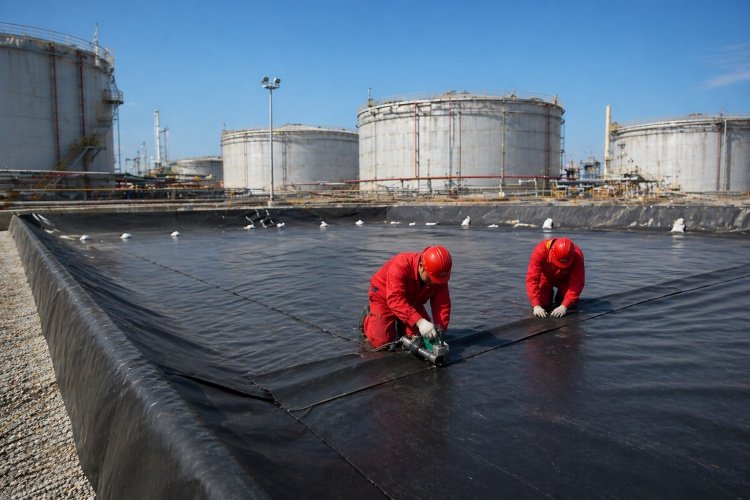
- قبول نوعية اللحام سيئة: على افتراض أن المواد السميكة تضمن السلامة. النتيجة: إن البطانة مقاس 2.0 مم ذات اللحامات البثق سيئة التنفيذ عند اختراق الأنابيب عديمة الفائدة تمامًا. السائل يهرب ببساطة من خلال طبقات.
هل الغشاء الأرضي السميك أفضل دائمًا؟
وهذا قيد بالغ الأهمية يتجاهله العديد من المشترين. إذا كان 2.0 مم جيدًا، ألا ينبغي عليك شراء 2.5 مم أو 3.0 مم فقط لتكون آمنًا؟
الجواب بكل تأكيد لا. سمكا ليس دائما أفضل.
عندما تصبح الأغشية الأرضية HDPE أكثر سمكًا، فإنها تصبح أكثر صلابة وصلابة. تعمل بطانة HDPE مقاس 3.0 مم كصفائح من الخشب الرقائقي أكثر من كونها غشاء بلاستيكي مرن. في مزرعة الخزانات، يجب على القائمين على التركيب طي البطانة ولفها ولحامها بالبثق يدويًا حول اختراقات الأنابيب المعقدة والزوايا وحفر الحوض.
إذا كانت المادة سميكة جدًا، فلن تتمكن من التوافق مع هذه الأشكال الهندسية الضيقة. سيواجه القائمون على التركيب صعوبة في وضعه بشكل مسطح، مما يؤدي إلى جودة لحام سيئة وضغط شديد على الزوايا. عندما يأتي الطقس البارد، سوف ينكمش هذا البلاستيك الصلب بعنف، مما يؤدي إلى توتر هائل على اللحامات حتى تتمزق. في احتواء مزرعة الخزانات، يجب عليك الموازنة بين مقاومة الثقب ومرونة التثبيت. إذا كانت الطبقة الأساسية الخاصة بك سيئة، فمن الأفضل لك استخدام بطانة مقاس 1.5 مم أو 2.0 مم مبطنة بشكل كبير بطبقات متعددة من النسيج الأرضي السميك بدلاً من إجبار بطانة مقاس 3.0 مم على الدخول في خندق معقد.
الخلاصة: كيفية اختيار السماكة المناسبة
توفر أوراق البيانات القياسية خطًا أساسيًا، لكن السلامة الحقيقية للمشروع تتطلب تقييم الحقائق الدقيقة لموقعك. يجب تحديد سمك الغشاء الأرضي بناءً على الظروف الهندسية - بما في ذلك جودة الطبقة السفلية، ومخاطر البناء، والتعرض للمواد الكيميائية - وليس فقط قيم الكتالوج القياسية. ومن خلال مطابقة السُمك المناسب لمخاطر التشغيل المحددة لديك، يمكنك إنشاء حاجز مقاوم للفشل يحمي البيئة والتزاماتك المالية طويلة الأجل.
احصل على توصية الخبراء
تتطلب مشاريع الاحتواء B2B الدقة الفنية، وليس التخمين. إذا كنت تقوم حاليًا بتصميم حاجز احتواء أو مزرعة صهاريج أو منشأة لتخزين المواد الكيميائية، فيمكننا مساعدتك في تحديد نظام الحاجز الدقيق الذي تحتاجه.
أرسل إلينا تفاصيل مشروعك - بما في ذلك أحجام الخزانات وظروف الطبقة الأساسية والسوائل المخزنة - وسيقدم فريق الدعم الهندسي لدينا توصية دقيقة بالسمك استنادًا إلى تجربة التصدير التي تم اختبارها ميدانيًا. اتصل بأخصائي مقاومة الماء اليوم للحصول على استشارة مجانية وتأكد من أن منشأتك متوافقة تمامًا ومحمية.