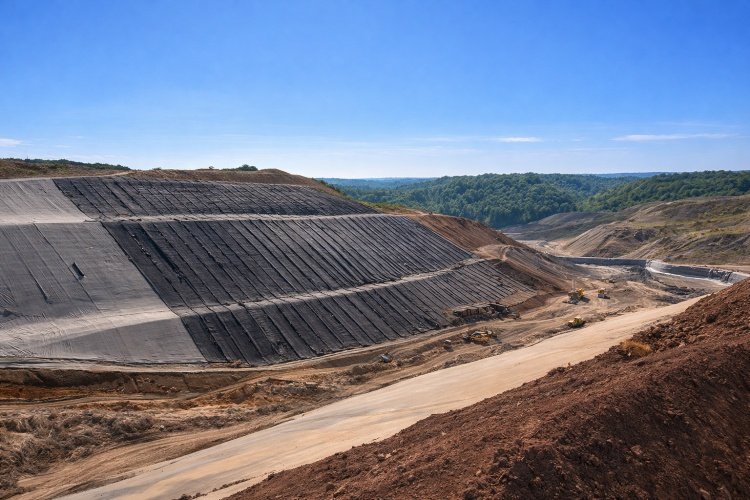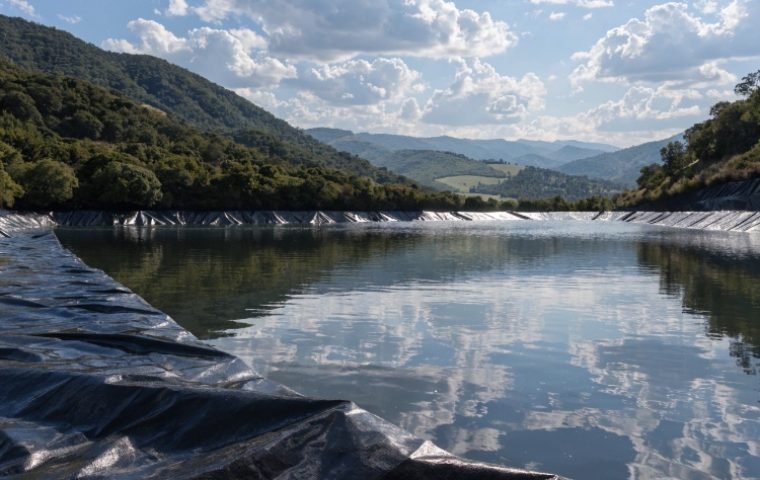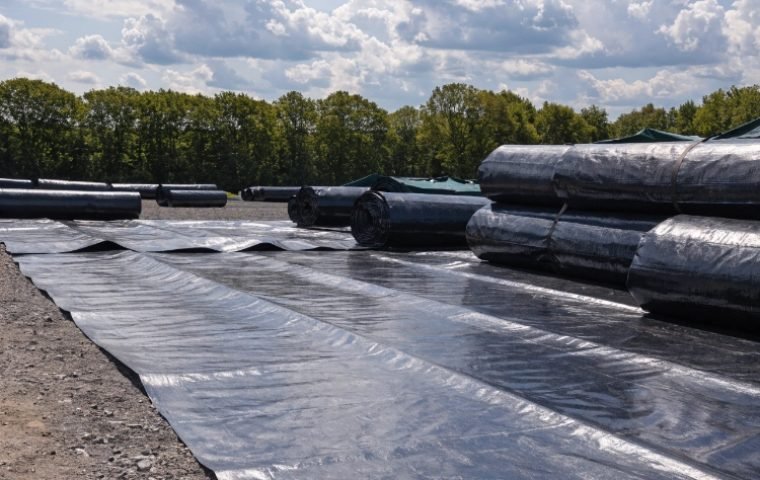


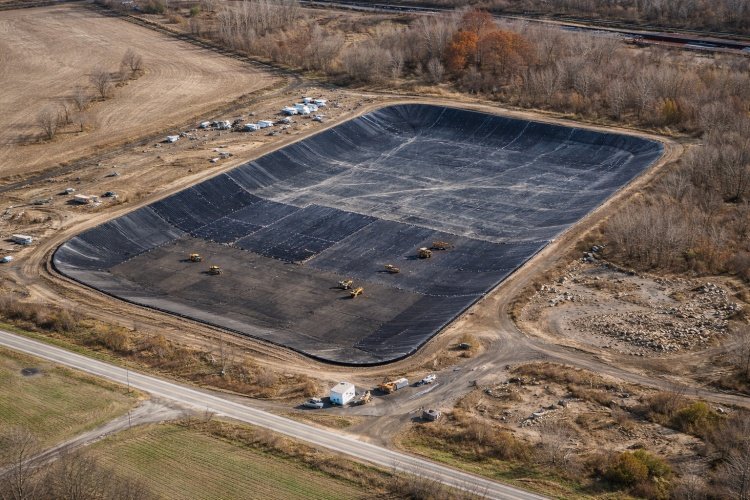
In mining procurement and engineering, the chemical compatibility of the containment system is a multi-million dollar variable. A liner failure in a heap leach pad or a tailings dam is not just an environmental violation; it is an operational catastrophe that halts production and drains revenue.
One of the first questions I receive from EPC contractors and mine operators is simple on the surface but complex in execution: "Will your liner survive the pH levels of our pregnant solution?"
The short answer for the industry-standard material—High-Density Polyethylene (HDPE)—is that it offers chemically resistant performance across the full pH spectrum, typically rated from pH 0.5 to pH 14 at standard temperatures. This broad resistance makes it the default choice for both highly acidic copper heap leaching and highly alkaline gold cyanide processes. However, relying on this range alone without considering temperature, oxidizing agents, and stress duration is a critical error in project design.
From my perspective as an exporter dealing with diverse mineral extraction projects globally, understanding the nuance of pH resistance is what separates a secure facility from a future liability.
1. Introduction: pH Resistance in Mining Liner Systems
Mining is, at its core, a massive chemical engineering operation conducted outdoors. Whether we are extracting copper, gold, uranium, or lithium, we are usually relying on a liquid transport medium—the lixiviant—to move dissolved metals from the rock to the recovery plant.
The "Liner System" (which typically includes the primary geomembrane, geotextile protection, and sometimes a secondary GCL or clay layer) is the vessel for this chemical reaction. It must contain millions of tons of ore and hazardous fluid without a single leak for decades.
In this context, pH is a primary stressor. It represents the acidity or alkalinity of the solution that is in constant contact with the synthetic material.
- Low pH (Acidic): Can cause hydrolysis in certain polymers or mobilize heavy metals.
- High pH (Alkaline): Can strip stabilizers from plastics or cause varying types of degradation known as environmental stress cracking.
While we often focus on physical properties like puncture resistance or tensile strength during the tender phase, it is the chemical resistance—specifically pH tolerance—that dictates the longevity of the material. If the liner material is chemically incompatible with the solution's pH, physical strength becomes irrelevant because the material will eventually embrittle or soften at the molecular level.
2. General pH Resistance Range of Geomembrane Liners
When clients ask for the overarching capabilities of our mining liners, the answer depends almost entirely on the polymer type selected. However, since the vast majority of modern mining projects utilize HDPE (polietileno de alta densidade), we can provide a robust general guideline.
For premium HDPE geomembranes derived from virgin resin, the accepted service range is pH 0.5 to pH 14.
This essentially covers the entire standard pH scale:
- Safety Factor: The chemically inert nature of the polyethylene molecule means it does not react with strong acids (like Sulfuric Acid) or strong bases (like Sodium Hydroxide) under normal ambient conditions.
- The Molecular Reason: HDPE performs so well because it lacks "functional groups" in its molecular chain. Functional groups (like esters or amides found in other plastics) are the "hooks" that acids and bases grab onto to break down a material. HDPE is composed of stable Carbon-Carbon and Carbon-Hydrogen bonds, which offer the attacking fluid no easy entry point.
However, a crucial disclaimer must accompany this data:
"pH resistance" is not an absolute constant; it is a variable function of temperature.
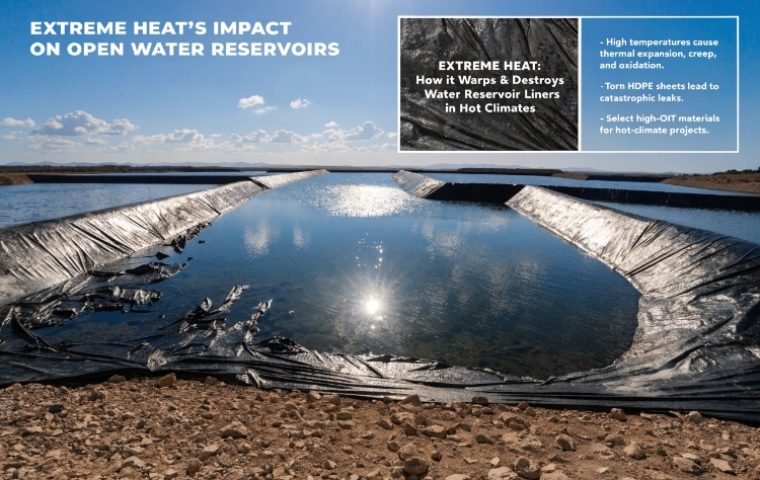
A liner that resists pH 1 (strong acid) perfectly at 25°C might show signs of antioxidant depletion or softening if the temperature rises to 60°C or 80°C. Therefore, while we state a range of 0.5–14, this is valid for standard operating temperatures (typically <60°C). As an exporter, I always verify the operating temperature alongside the pH before signing off on a warranty.
3. Typical pH Conditions in Different Mining Applications
To understand why a pH range of 0.5 to 14 is necessary, we have to look at where these liners are actually used. I have supplied projects ranging from the freezing Andes to the tropical Congo, and the chemical environments vary drastically based on the target metal and extraction method.
3.1 Heap Leach Pads and Acidic Environments
The most demanding application for chemical resistance is arguably the heap leach pad, particularly for copper and uranium recovery.
- The Process: In copper leaching, crushed ore is stacked on the lined pad. A lixiviant solution is irrigated over the top, trickling down through the pile to dissolve the copper.
- The Chemistry: This lixiviant is typically a dilute Sulfuric Acid ($H_2SO_4$).
- The pH Reality: The solution typically has a pH between 1.0 and 2.5. However, in certain concentration pools or "hot spots" within the heap, localized acidity can drop even lower (Ph < 1.0).
In these environments, the geomembrane is subjected to potential "acid hydrolysis." While polyethylene is immune to hydrolysis, other liner types (like certain polyesters or GCLs using untreated bentonite) can fail rapidly. The liner must maintain its integrity while buried under 50 to 100 meters of ore, immersed in acid for 10 to 20 years.
3.2 Tailings Storage Facilities (TSF) and Neutral to Alkaline Conditions
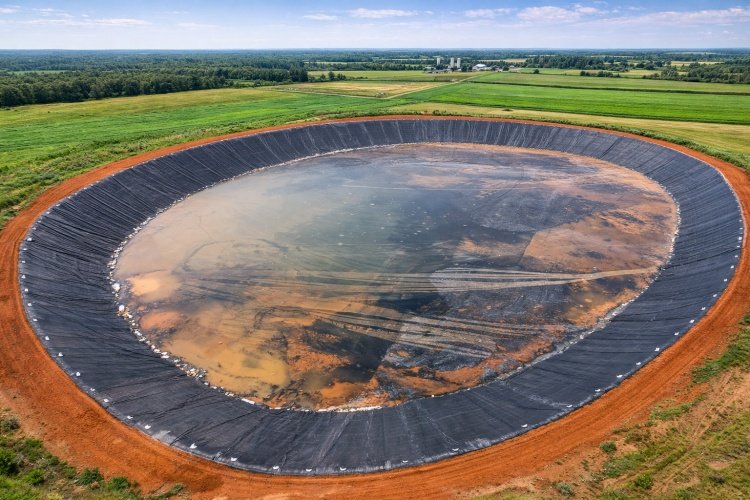
Tailings dams are the largest structures in the mining world, storing the waste rock and liquid slurry left over after processing.
- The Process: After the valuable metal is extracted in the plant, the remaining slurry is pumped into the TSF.
- The Chemistry: Tailings are chemically complex. They contain pulverized rock, water, and residual processing chemicals.
- The pH Reality: The pH is highly variable but often leans towards Neutral to Mildly Alkaline (pH 7 – 10).
- Many plants add lime to neutralize acid-generating potential before discharge.
- However, some tailings (like Acid Mine Drainage producing rock) can turn highly acidic over time if not managed, dropping to pH 2–3.
For TSFs, the challenge isn't usually an extreme pH "shock," but rather the duration. Tailings facilities are often permanent. The liner must remain intact essentially forever to prevent groundwater contamination. The "Neutral" pH range is generally the safest for HDPE, allowing for projected lifespans exceeding 100+ years.
3.3 Process Ponds, Channels, and Highly Alkaline Solutions
While acids get the most attention, high alkalinity (bases) presents a unique threat, particularly in the Gold and Silver sectors.
- The Process: Gold is typically extracted using Cyanidation. To prevent the formation of deadly Hydrogen Cyanide gas, the solution must be kept alkaline.
- The Chemistry: Sodium Cyanide ($NaCN$) mixed with Lime ($CaO$) or Caustic Soda ($NaOH$).
- The pH Reality: These solutions are maintained at pH 10.5 to 13.
High pH solutions act differently than acids. While they don't generally "dissolve" the plastic, high concentrations of surfactants and high pH at elevated temperatures can accelerate Environmental Stress Cracking (ESC). This is a phenomenon where the plastic doesn't chemically disappear, but develops brittle cracks under physical stress.
Typical HDPE handles this well, but it reinforces why we must use "stress-crack resistant" resins (high ESCR values) for gold mine process ponds. A generic liner might resist the pH chemically but fail mechanically due to the alkaline-induced stress cracking.
4. Factors Affecting Geomembrane Performance Beyond pH
If you take one insight away from this article, let it be this: pH is not a standalone number. In my project experience, I have never seen a liner fail solely because the pH was 2.0. Failures happen because the pH interacted with other aggravating factors.
Temperature: The Arrhenius Effect
Temperature is the enemy of longevity. The rate of chemical degradation in polymers generally follows the Arrhenius equation—roughly doubling for every 10°C increase in temperature.
- Scenario: A copper leach pad operating at pH 1.5 at 20°C is a benign environment for HDPE.
- Risk: If that same solution is heated to 60°C or 80°C (common in bio-leaching or hot climates), the acid becomes much more aggressive. It permeates the polymer structure more easily, extracting the antioxidants (stabilizers) that protect the plastic.
- Impact: This reduces the service life from "centuries" to "decades" or even years if the stabilizer package isn't designed for high temperatures.
Chemical Concentration and "The Cocktail Effect"
A pH of 1 from pure sulfuric acid is different from a pH of 1 from a mix of sulfuric acid, nitric acid, and organic solvents (like kerosene used in Solvent Extraction - SX/EW plants).
- Solvent Trap: Some organic solvents can swell the HDPE, softening it and making it more permeable to the acid.
- Oxidizers: Strong oxidizing agents (like chromic acid or nitric acid) can attack the polymer chain directly, even if HDPE is resistant to standard acids. A solution might be "pH compliant" but chemically fatal due to oxidizers.
UV Exposure vs. Chemical Attack
Most process ponds are exposed to the sun. UV radiation embrittles the surface of the liner. A liner already stressed by UV damage generally has lower resistance to chemical attack. The micro-cracks from UV degradation provide a pathway for the acidic/alkaline solution to penetrate deeper into the sheet core.
Resin Quality (Virgin vs. Recycled)
This is a critical procurement detail.
- Virgin Resin: Has a tight, predictable molecular structure. It delivers the theoretical chemical resistance of the polymer.
- Recycled Resin: Often contains contaminants and shorter polymer chains. This creates "weak spots" at the molecular level where aggressive pH fluids can attack. This is why standardized mining regulations (like GRI-GM13) strictly prohibit post-consumer recycled plastic in geomembranes.
5. Suitability of Different Geomembrane Materials for Extreme pH Conditions
While I focus heavily on HDPE, it is useful to see how it compares to alternatives in the context of extreme pH.
HDPE (polietileno de alta densidade)
- Verdict: The undisputed champion for pH extremes.
- Por que: High crystallinity means the molecules are packed tightly. This leaves very little "free volume" for acids or bases to enter the material. It is the most chemically inert of the standard geosynthetics. It is suitable for pH 0.5–14.
LLDPE (Linear Low-Density Polyethylene)
- Verdict: Excellent chemical resistance, but slightly higher permeability than HDPE.
- Por que: Chemically, it is the same monomer (ethylene) as HDPE, so its pH resistance is chemically similar (0.5–14).
- Constraint: Because it has lower density (it is "fluffier" at a molecular level), chemical fluids can permeate it faster than they do HDPE. In highly concentrated aggressive acids, it may swell more than HDPE. It is used where flexibility is more important than maximum chemical impermeability.
PVC (Polyvinyl Chloride)
- Verdict: Limited application in mining chemistry.
- Por que: PVC relies on liquid plasticizers to stay flexible. Strong acids and bases (and organic solvents found in mining) can extract these plasticizers. Once the plasticizer is gone, the PVC becomes brittle and cracks. It is generally not recommended for primary containment of strong pregnant leach solutions.
GCL (Geosynthetic Clay Liners)
- Verdict: High risk at pH extremes without modification.
- Por que: GCLs rely on Bentonite clay to swell and seal.
- The Risk: Strong acids (pH < 3) or strong bases (pH > 11) can alter the ion exchange within the clay platelets, causing the clay to collapse and stop swelling.
- A correção: If using GCL in mining, we typically specify "Polymer Modified Bentonite" which is treated to resist these ionic attacks, but standard GCL will fail in a heap leach pad.
6. Engineering Recommendations for Mining Projects
As practical suppliers, we don't just ship rolls; we help mitigate risk. When you are designing or purchasing for a mining project with aggressive pH requirements, here is the professional roadmap to follow:
1. Mandate Virgin Resin
Do not compromise on this. Specify that the geomembrane must be manufactured from Prime Virgin Resin with no post-consumer waste content. The chemical resistance relies entirely on the purity of the polymer matrix.
2. Verify the Antioxidant Package (OIT)
For conditions involving high temperatures or extreme pH, the Standard OIT (Oxidative Induction Time) test isn't enough.
- Ask for High Pressure OIT (HP-OIT) results (ASTM D5885).
- This measures the presence of stabilizers that are more resistant to leaching. A high HP-OIT value indicates the liner will retain its properties longer in a chemically aggressive environment.
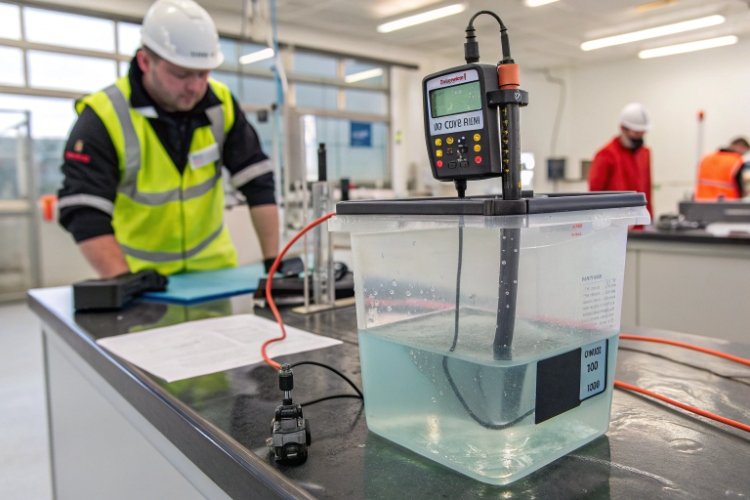
3. Conduct Immersion Testing (EPA 9090 / ASTM D5322)
If your mining solution has a unique or complex chemistry (e.g., unusual heavy metals, organic solvents, or temperatures >60°C), do not guess.
- Send a sample of your specific site fluid and the proposed liner to a laboratory.
- They will "cook" the liner in the fluid for 30, 60, or 90 days and measure the degradation.
- This is the only way to get a legally defensible guarantee of compatibility.
4. Select the Right Thickness
While thickness doesn't change the chemical propriedades of the material, it changes the timeline of failure.
- A 2.0mm liner has significantly more "reservoir" of antioxidants than a 1.0mm liner.
- It takes longer for the acid to penetrate and deplete the stabilizers in a thicker sheet. For heap leach pads, 1.5mm to 2.0mm is the global standard for this reason.
5. Partner with an Experienced Supplier
A generalist trading company might not understand the difference between a water reservoir and a gold cyanide pad. Work with a partner who understands Stress Crack Resistance (ESCR) and can guide you toward resins specifically formulated for mining applications (often called "GRI-GM13 Compliant" or above).
Conclusão
The question "What is the pH resistance of a mining liner?" has a straightforward theoretical answer: HDPE liners are resistant to the full spectrum of pH 0.5 to 14.
This exceptional range allows a single material type to serve the diverse needs of the mining industry—from the acid-drenched heaps of a copper mine to the alkaline solution ponds of a gold plant. No other economical material offers this breadth of chemical inertness.
However, in the field, success is not determined by a datasheet range. It is determined by the engineering context. A pH of 1 at 80°C is a completely different beast than a pH of 1 at 20°C. The presence of oxidizing agents, UV exposure, and physical stress all conspire to reduce the effective life of the liner.
Smart procurement means looking beyond the "pH Range" row on the spec sheet. It means specifying the right resin quality, demanding high stress-crack resistance, and validating the antioxidant package.
Are you planning a project with aggressive chemical conditions?
Don't leave material selection to chance. Contact our technical team today. We can assist with chemical compatibility charts, supply immersion testing data, and provide project-specific recommendations to ensure your containment system is engineered for the reality of your mine.