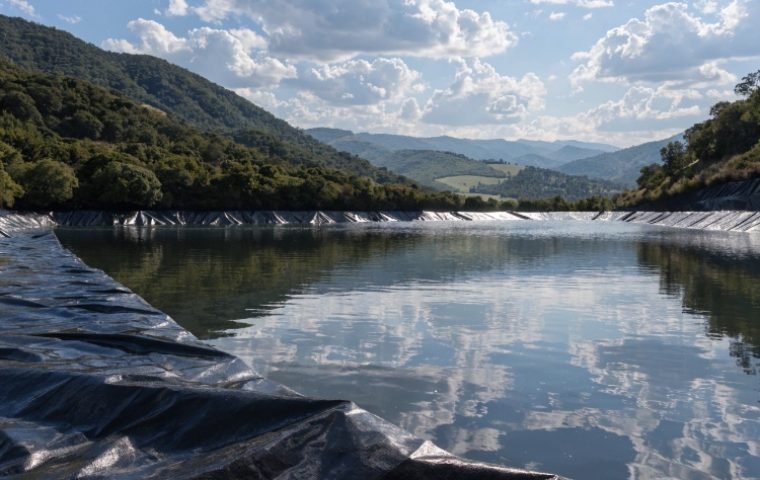
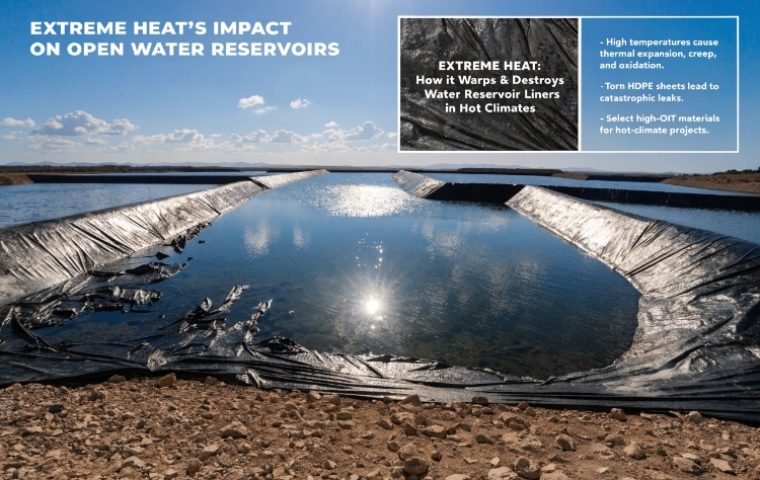
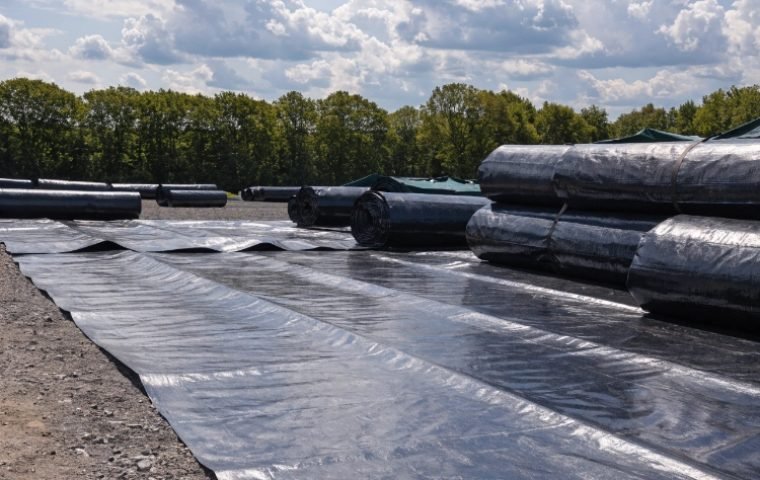
You've just completed a geomembrane installation and are looking at a vast, black surface. Skipping the soil cover seems like an easy way to save time and money, but this decision could haunt you.
Yes, in over 90% of applications, a geomembrane requires soil cover. This cover acts as a crucial protective shield against UV radiation, mechanical damage, and extreme temperatures. Properly covering the liner is one of the most important steps to ensure its long-term performance and extend its service life.

Leaving a geomembrane exposed is one of the most common and costly mistakes I see in this industry. It's a shortcut that almost always leads to premature failure. While there are a few exceptions, covering the liner is a fundamental best practice that separates a professional, long-lasting installation from one that will need expensive repairs in just a few years. Let's dig into the details of why this step is so critical.
What factors determine whether a geomembrane needs soil cover after installation?
You're trying to make a cost-effective decision, but the choice to cover or not seems unclear. You need to know the specific risks to weigh them against the cost of covering the liner.
The decision depends on four main factors: the required project lifespan, the intensity of sunlight (UV exposure), the risk of mechanical damage, and the local weather conditions, especially wind. Any project intended to last more than a few years almost certainly needs cover.
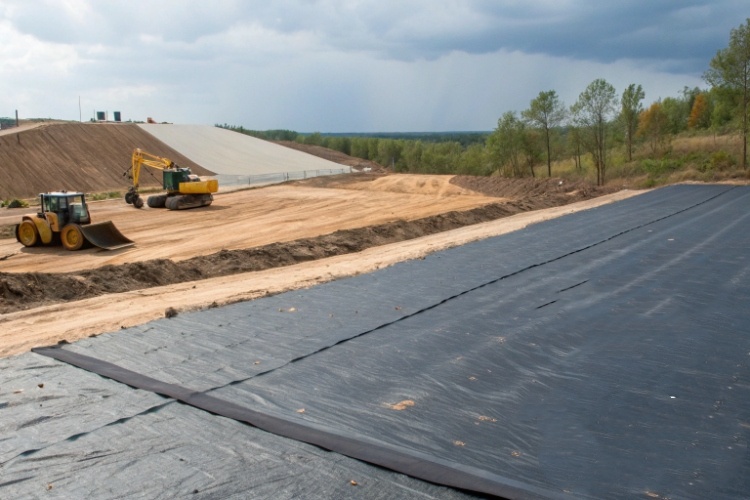
When I consult with engineers, we run through a simple checklist to determine the risk of leaving a liner exposed. First is UV exposure; a liner in a high-altitude desert will degrade much faster than one in a cloudy, northern climate. Even the best UV-stabilized materials have a finite lifespan in direct sunlight. Second is mechanical damage. Will there be foot traffic, maintenance vehicles, falling rocks, or even animals like deer or goats walking on the liner? Any physical contact is a risk. Third, we look at wind. An exposed geomembrane acts like a giant sail. Strong winds can get underneath it, causing flapping that fatigues seams or even pulls the liner completely out of its anchor trench. Finally, temperature stress. An exposed black liner gets incredibly hot during the day and cools at night, causing constant expansion and contraction that puts stress on the entire system.
How does soil cover protect a geomembrane from UV exposure, mechanical damage, and temperature stress?
You understand that soil cover is important, but you need to explain the specific protective benefits to project stakeholders. Knowing how it works helps justify the added cost and labor.
Soil cover serves as a complete physical barrier. It blocks 100% of harmful UV radiation, provides a thick cushion against punctures and abrasion, and insulates the geomembrane from daily temperature swings. This protection can easily add 5-10 years or more to the liner's effective service life.
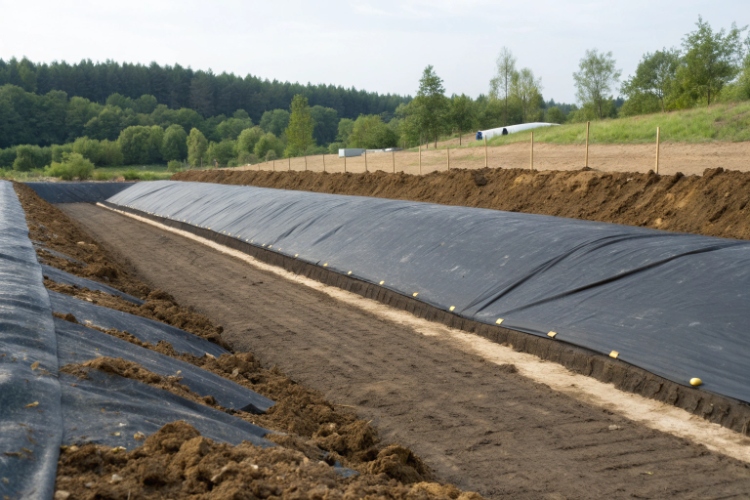
Let’s break down the three primary ways soil works as a shield. First, it's the ultimate sunblock. Ultraviolet radiation degrades the polymer chains in the geomembrane, making it brittle and prone to cracking over time. A 30 cm layer of soil completely stops this process. Second, it's body armor for your liner. This soil layer absorbs the impact from dropped tools, sharp rocks, foot traffic, and even animal hooves, preventing punctures and tears that would compromise the containment. Finally, it acts as thermal insulation. An exposed black liner can heat up to over 70°C (158°F) in the sun, causing it to expand, and then shrink as it cools at night. This daily cycle of movement creates immense stress on welds and anchor points. Soil cover keeps the geomembrane at a stable ground temperature, virtually eliminating this thermal stress and preserving the integrity of the seams.
In which applications is soil cover essential, and when can a geomembrane remain exposed?
Your project might have unique constraints, making you wonder if it is one of the rare exceptions where a geomembrane can be left exposed. Making the wrong call could lead to catastrophic failure.
Soil cover is absolutely essential for almost all long-term applications, including landfills, reservoirs, fish ponds, and artificial lakes. A geomembrane can typically only remain exposed for very short-term temporary projects or when a special, highly UV-resistant product is specified for that exact purpose.
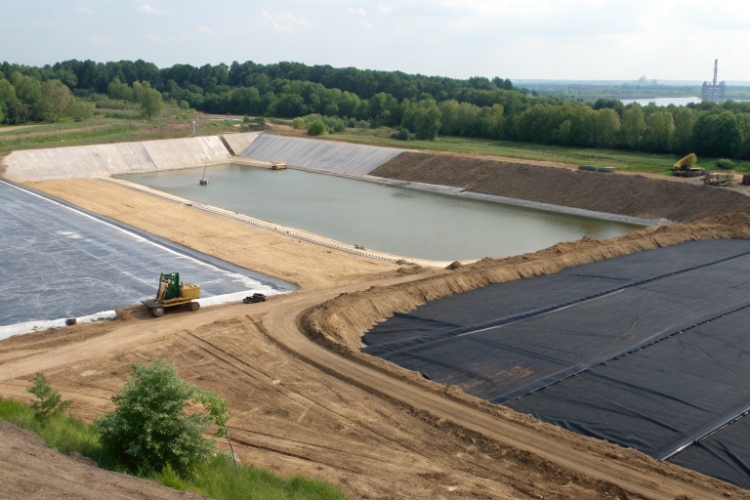
In my experience, the list of applications requiring cover is long, while the list of exceptions is very short.
Where cover is essential:
- Landfills & Mineração: To protect against UV, operational damage from equipment, and wind.
- Reservoirs, Ponds, Canals: To protect from UV, animal traffic, ice damage (in cold climates), and to provide a natural look.
- Areas with Traffic: Parking lots, access roads, or even walkways built over a liner must have a substantial protective cover.
- Windy Regions: Cover is needed to anchor the liner and prevent wind uplift.
When a liner can remain exposed:
- Temporary Projects: For containment projects lasting less than six months, an exposed liner may be acceptable, as it can be easily removed afterward.
- During Installation & Inspection: Seams are often left exposed for quality control testing, but they must be covered immediately after they are approved.
- Specialized Designs: Some applications, like floating covers on tanks or some decorative ponds, use specially manufactured, highly-stabilized geomembranes designed for full UV exposure. These are premium products with a defined exposed service life.
How can I select an appropriate soil cover thickness and material based on project conditions and performance requirements?
You've committed to covering the liner, but now you need to do it right. Using the wrong soil or not using enough can be just as bad as leaving the liner exposed.
The standard thickness is 30 cm (12 inches) for general protection, but this increases to 50 cm (20 inches) or more for areas with vehicle traffic. The soil itself must be fine-grained and free of sharp rocks, roots, or debris that could puncture the liner during placement.
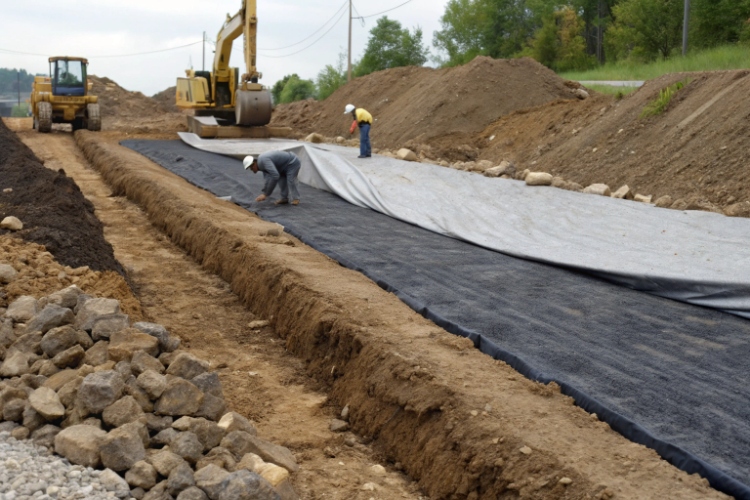
The quality of the cover material is just as important as its thickness. You should never use soil containing sharp, angular rocks, construction waste, or large roots. The best materials are fine sand, silt, or clay. Before placing the soil, it's a good practice to inspect and screen it for any potentially damaging objects. Placement is also a delicate process. Never drive heavy machinery directly on the bare geomembrane. The proper method is to place soil at the edge of the panel and then use low-ground-pressure equipment, like a wide-track dozer, to carefully push the soil over the liner. All personnel working on the liner should wear soft-soled shoes to avoid causing damage.
Here are the guidelines I provide to contractors:
| Aplicativo | Minimum Cover Thickness | Key Considerations |
|---|---|---|
| General purpose / Slopes | 30 cm (12 in) | Provides full UV and basic mechanical protection. |
| Heavy Traffic Areas | 50 cm+ (20 in+) | Needed to distribute loads and prevent damage. |
| Landscaping / Vegetation | 20 cm (8 in) | Sufficient soil depth for shallow root systems. |
Conclusão
Covering your geomembrane with soil is not an optional add-on; it is a critical step for project longevity. This protective layer shields the liner from damage, ensuring stability and maximizing its service life.