


Common Causes of Gas Leakage in Anaerobic Digester and Biogas Liner Systems
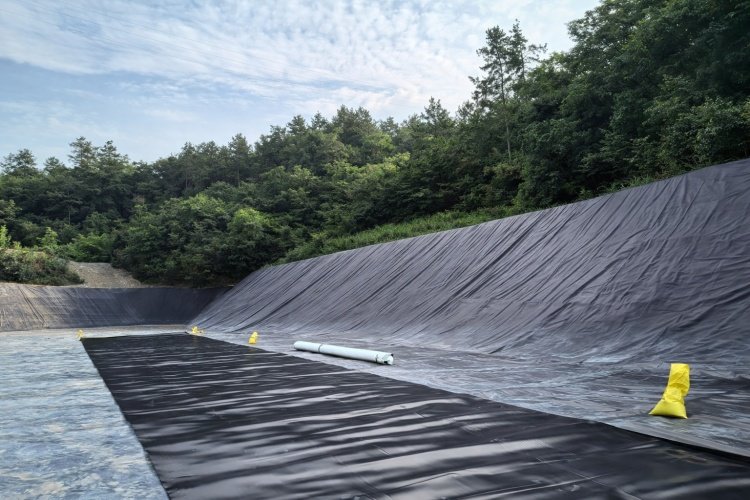
Your anaerobic digestion plant is an energy factory, but for many operators, a "silent thief" is stealing revenue every single hour. You might see it in gas flow meters that consistently read lower than your biological models predict. You might smell it when the wind changes direction. Or you might only discover it during a […]
Temperature Effects on Geomembranes in Anaerobic Digesters and Biogas Systems
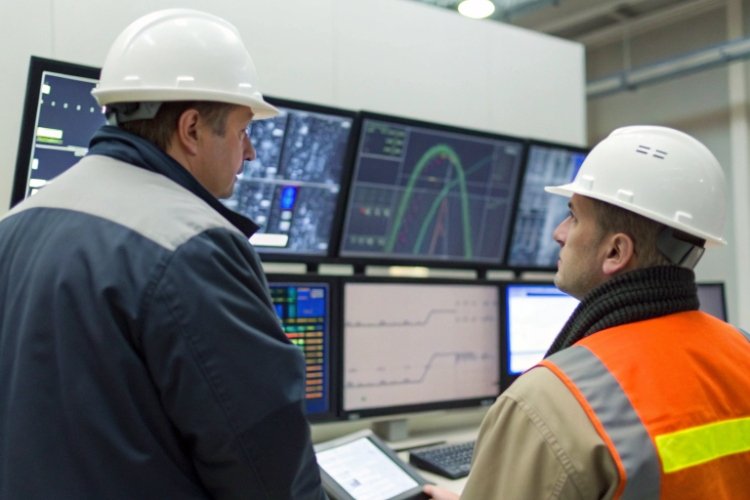
Pushing anaerobic digester temperatures maximizes methane yield, but it comes at a hidden cost: your liner’s lifespan. While biology thrives in heat, standard polyethylene rapidly degrades. A geomembrane that lasts 50 years in a cool pond may fail in just 15 years inside a hot, aggressive biogas reactor. Temperature is the most critical factor in […]
How does biogas digestate affect HDPE and LLDPE geomembrane liners?
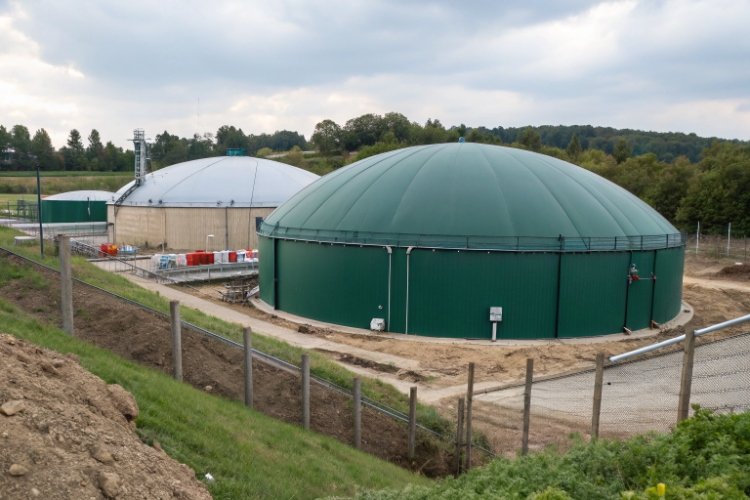
Storing nutrient-rich biogas digestate is great for fertilizer, but bad for containment. Are you worried that the chemical soup is slowly eating your liner from the inside out, risking leaks and environmental fines? Biogas digestate impacts liners through "swelling" rather than direct corrosion. The organic acids and ammonium in the fluid can penetrate the polymer […]
How chemically resistant are geomembranes in anaerobic digestion environments?
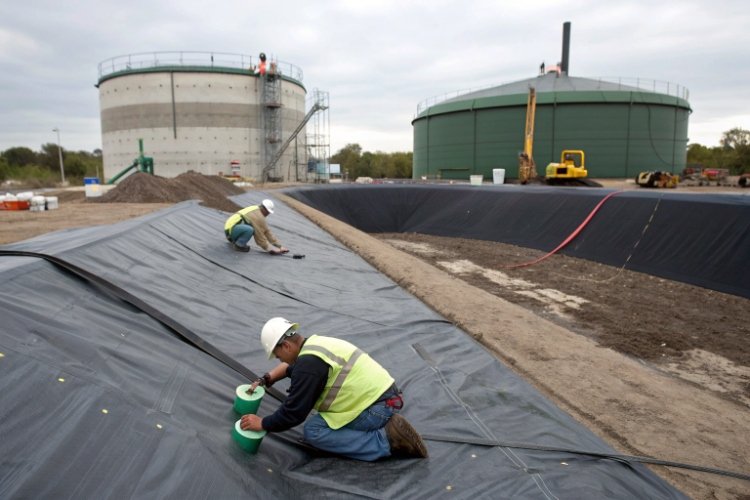
Building a biogas plant or an anaerobic digester is a massive financial commitment. You understandably worry that the toxic "soup" inside—full of gas and acids—will eat through the liner, causing leaks and destroying your investment. High-Density Polyethylene (HDPE) geomembranes are chemically inert and offer exceptional resistance to anaerobic digestion byproducts. They withstand high concentrations of […]
Why Gas-Tightness Matters More Than Thickness in Biogas Liner Systems?
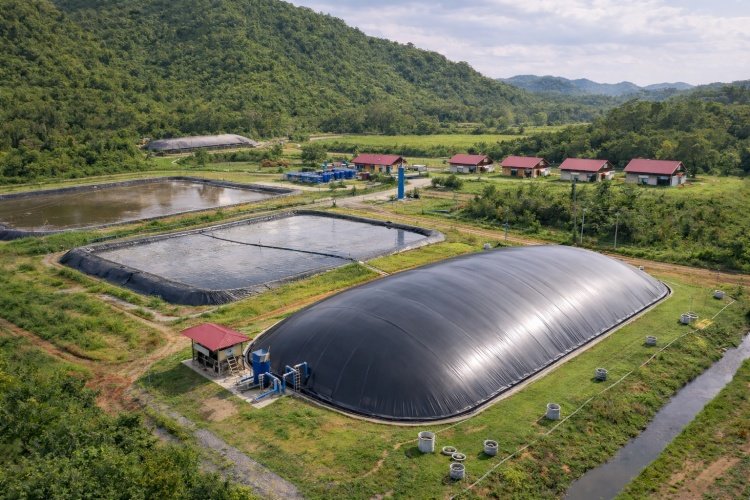
When sourcing a geomembrane for a biogas project, what’s the first question most buyers ask? "How thick is it?" This focus on thickness is understandable, but it often overshadows a far more critical performance metric: gas-tightness. Overemphasizing thickness can lead to a false sense of security and a system that fails to meet its primary […]
What Does “Gas-Tight Geomembrane” Mean in Biogas & Anaerobic Digestion (AD) Projects?

In the world of anaerobic digestion, the term "gas-tight" is everywhere. It’s a standard line item in project specifications and a key feature on material data sheets. But this seemingly simple term is one of the most misunderstood concepts in the industry, leading to costly design misalignments, operational inefficiencies, and safety risks. So, what does […]
What Type of Geomembrane Is Used for Anaerobic Digestion and Biogas Systems?
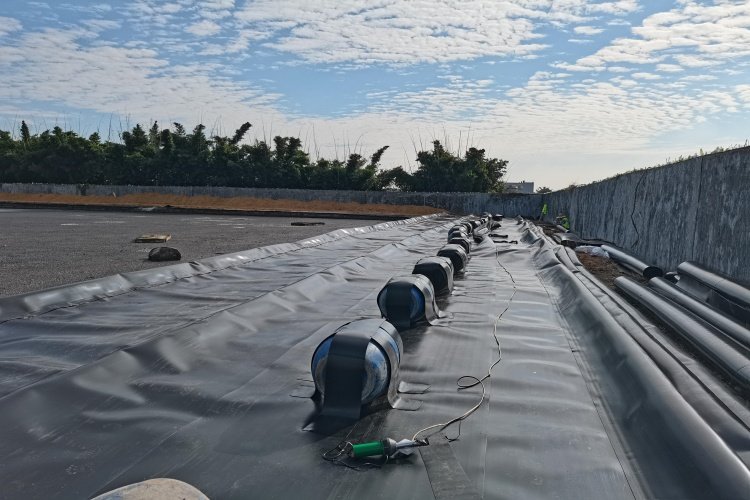
When developing an anaerobic digestion (AD) project, the choice of geomembrane is a critical decision that directly impacts efficiency, safety, and long-term profitability. These engineered liners perform a crucial dual function: they provide secure liquid containment for the digestate while also forming a gas-tight seal to capture valuable biogas. A failure in either function compromises […]
Why Liner Systems Are Critical for Anaerobic Digestion and Biogas Projects?

As the global demand for renewable energy grows, anaerobic digestion (AD) is becoming a cornerstone of sustainable waste management. But with this growth comes a critical, often underestimated project risk: containment failure. A leaking liner is not a minor maintenance issue; it is a direct threat to your environmental compliance, methane yield, and long-term operating […]
Typical Applications of Geosynthetics in Biogas and Organic Waste Treatment Projects
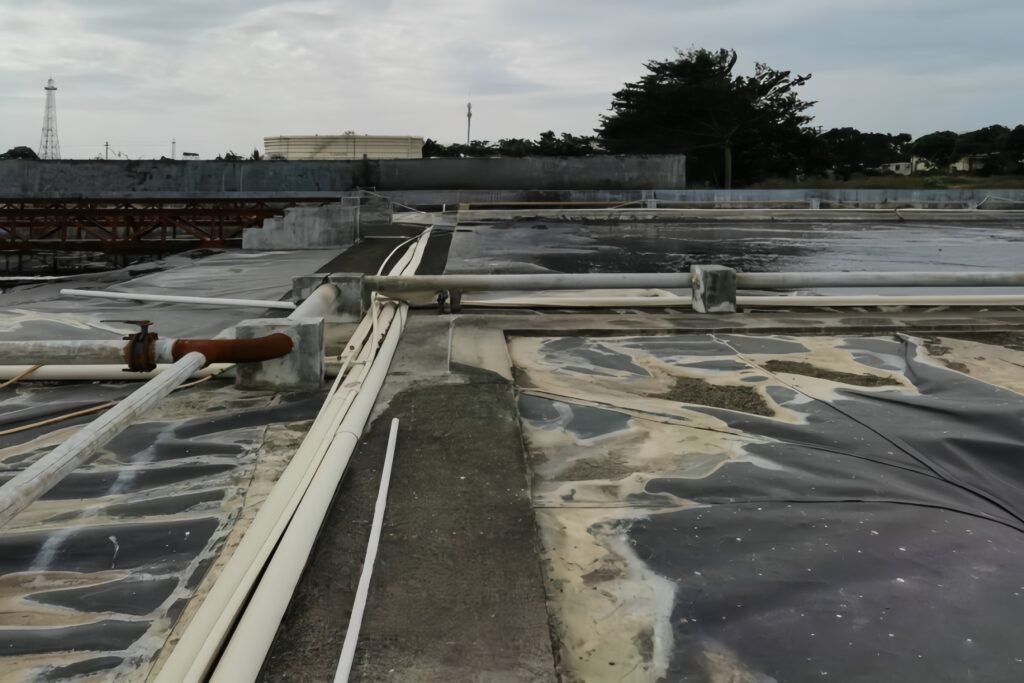
As the world moves toward a circular economy, managing organic waste and generating renewable energy through biogas is more critical than ever. But these facilities present unique containment challenges: aggressive chemicals, gas production, and strict environmental regulations. Failures are not an option, as they can lead to soil contamination, greenhouse gas emissions, and significant financial […]