


Temperature Effects on Geomembrane Performance in Heap Leach Pads
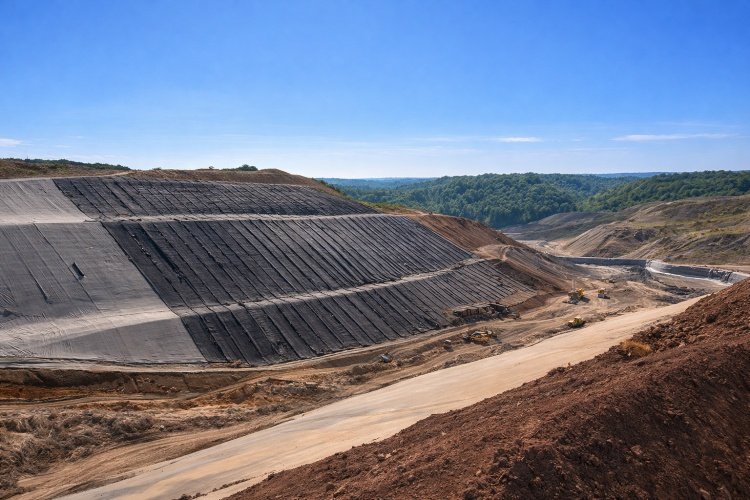
One of the most dangerous assumptions in mining engineering is treating a heap leach pad as a static, ambient-temperature civil structure. While a tailings dam might sit relatively passively at environmental temperatures, a heap leach pad is a chemically active bioreactor. I have seen projects where the engineering team designed the liner system based on […]
What Is the pH Resistance Range of Geomembrane Liners Used in Mining Projects?
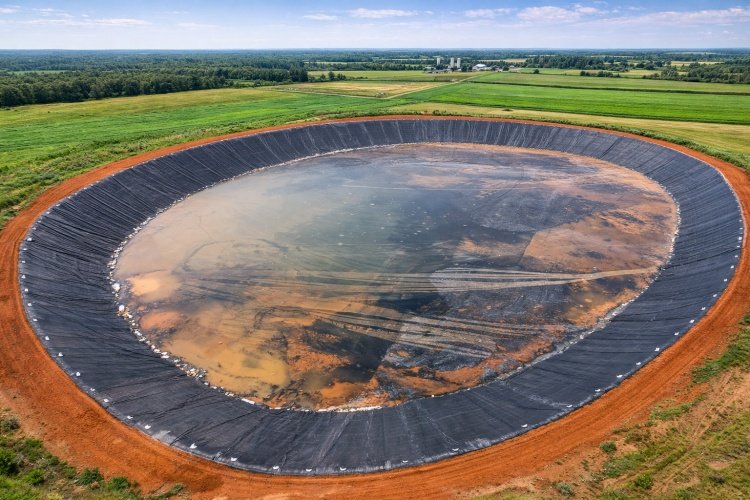
In mining procurement and engineering, the chemical compatibility of the containment system is a multi-million dollar variable. A liner failure in a heap leach pad or a tailings dam is not just an environmental violation; it is an operational catastrophe that halts production and drains revenue. One of the first questions I receive from EPC […]
How Do Acid-Resistant Geomembranes Perform in Copper Heap Leaching?
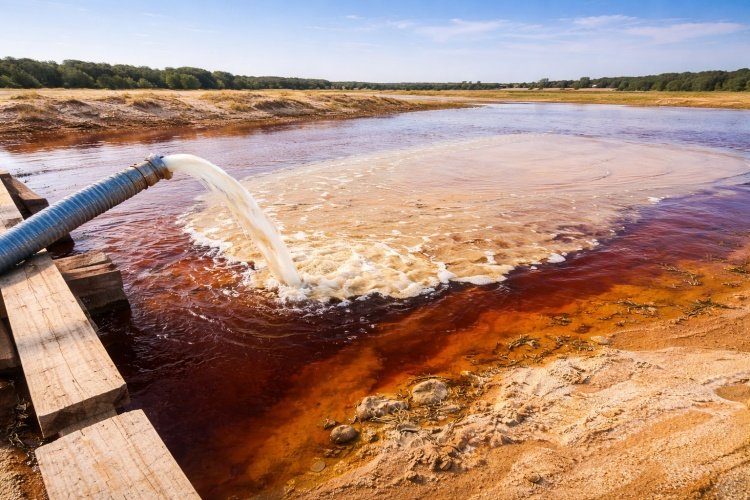
Copper mine operators constantly fear that their heap leach pads will leak PLS (Pregnant Leach Solution). A liner failure means losing valuable copper yield to the soil and facing massive environmental fines. High-quality HDPE geomembranes perform exceptionally well in standard copper heap leaching, with field data proving over 16 to 30 years of integrity. However, […]
5 Key Reasons Why Anaerobic Digester and Biogas Liner Systems Fail
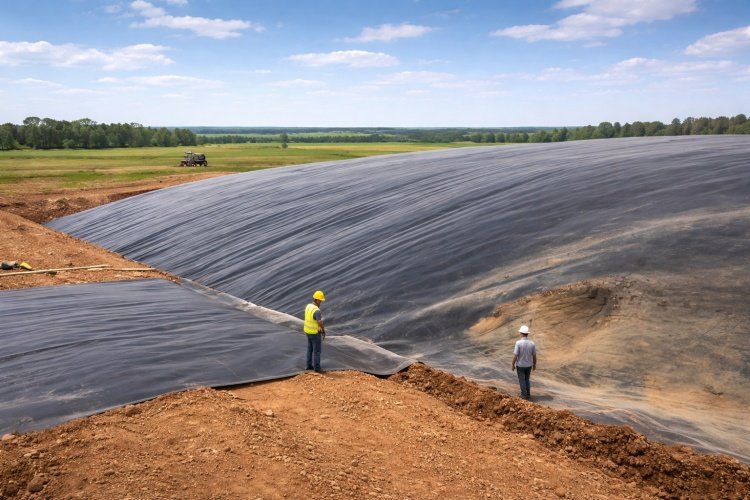
In biogas projects, "liner failure" rarely looks like a catastrophic rupture on day one. Instead, it manifests as the silent hemorrhage of profits: gradual gas loss, plummeting digestion efficiency, and maintenance costs that slowly bleed the project dry. Most anaerobic digester failures are not accidental; they are predictable systematic errors caused by treating the liner […]
Geotextile Fabric Application Guide: Types, Weight, and Practical Selection
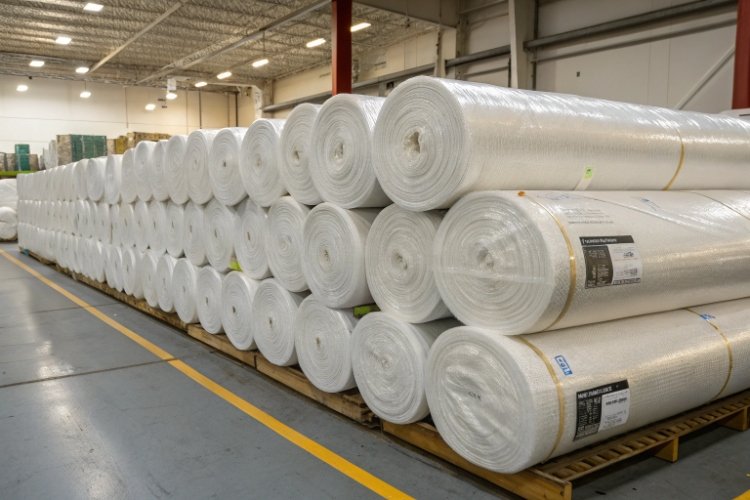
In my two decades of supplying geosynthetics to infrastructure projects worldwide, I have seen a recurring issue: Geotextile fabric is often treated as a "black accessory" rather than a critical engineered component. I have witnessed road bases fail because a contractor used a cheap packaging-grade fabric instead of a separation geotextile. I have seen drainage […]
How Floating Covers Improve Biogas Collection in Anaerobic Lagoons?
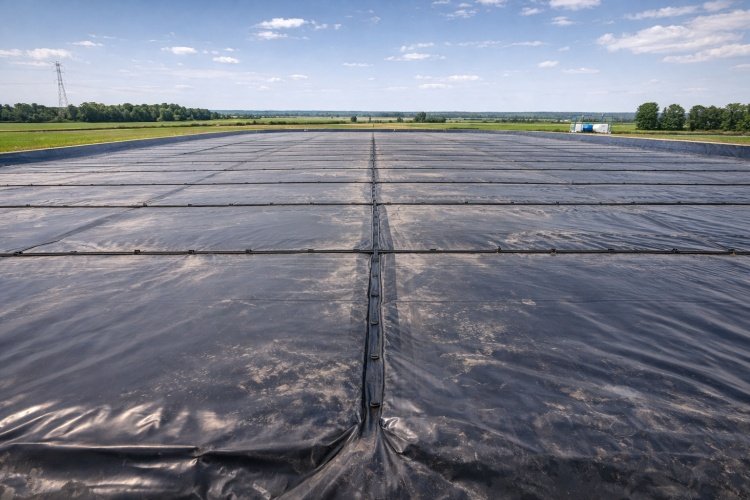
Biogas lagoons often lose valuable methane due to uncontrolled emissions, leaks, and poor sealing—significantly reducing energy recovery and project returns. Floating covers improve biogas collection in anaerobic lagoons by sealing the gas surface, reducing methane losses, stabilizing pressure, and enabling controlled gas recovery—but real efficiency depends heavily on membrane material and sealing quality. While floating […]
8 Key Reasons and Causes of Heap Leach Liner Leakage
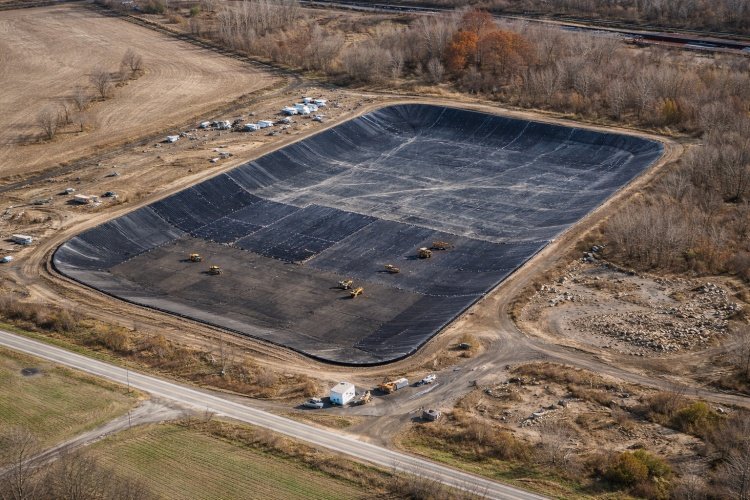
A leak in a heap leach pad liner is one of the most severe risks in a modern mining operation. It threatens not just metal recovery and revenue, but also poses a significant environmental liability that can lead to regulatory fines, massive remediation bills, and operational shutdowns. Understanding why these liner systems fail is the […]
Why Do Heap Leach Liners Fail Due to Settlement? Understanding Settlement-Induced Geomembrane Failures
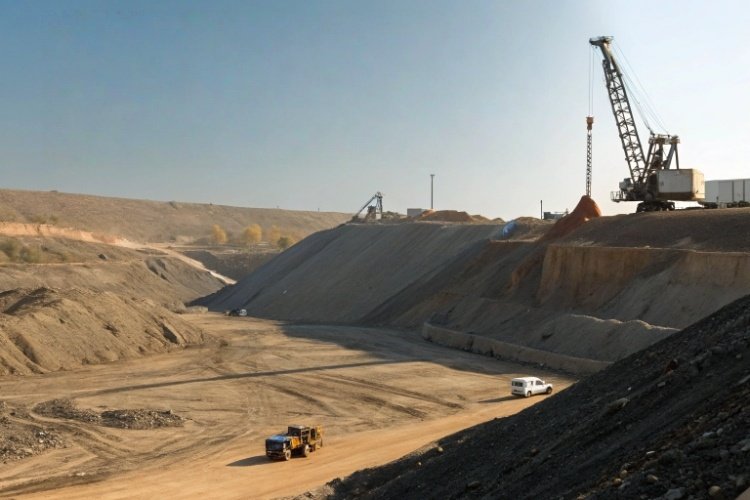
In the sterile environment of a design office, a heap leach pad is a perfect geometric plane. In the rugged reality of a mine site, the ground is alive—it shifts, compresses, and settles under the immense weight of millions of tons of ore. When that settlement happens unevenly, it turns your containment system into a […]
What Is a Biogas Floating Cover and How Does It Work in Anaerobic Digesters?

Clients frequently approach us asking to buy a "membrane gas holder" for their lagoon, but upon reviewing their drawings, I realize what they actually need is a floating cover. Combining these two concepts is the single most common conceptual error I see in B2B procurement for biogas projects. If you treat a floating cover as […]