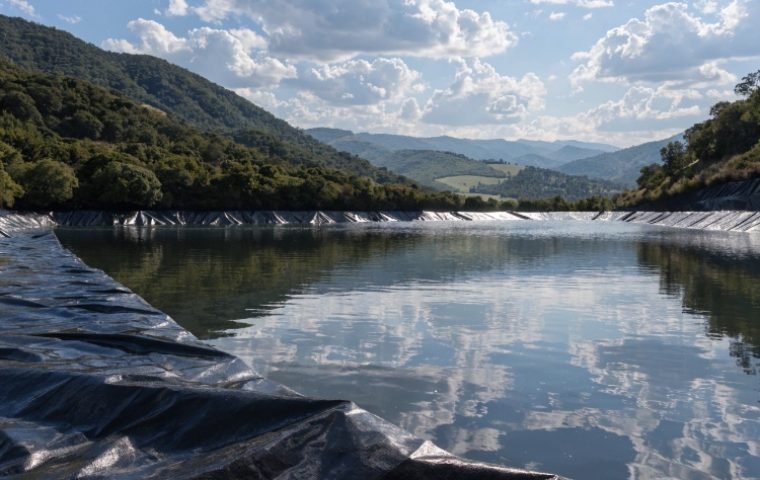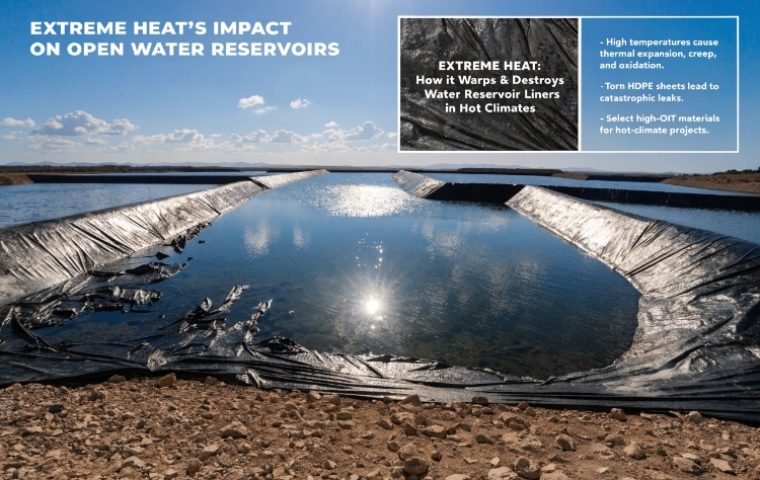


عندما يتطلب المشروع حاجزًا هيدروليكيًا قويًا وقابلًا للشفاء ذاتيًا، فإن بطانات الطين الاصطناعية (GCLs) تقدم حلاً متطورًا. ولكن ما الذي يمنح هذا المركب المُصمم هندسيًا قوة الختم الرائعة؟ السر يكمن في نوع خاص من الطين الطبيعي، وليست كل أنواع الطين متساوية.
يكشف هذا الدليل الفني المبادئ الكامنة وراء GCLs، بدءًا من المكون الأكثر أهمية: البنتونيت. سوف نستكشف سبب أهمية نوع الطين، وكيفية عمله، ومتطلبات البناء الأساسية اللازمة لضمان أن تركيب GCL الخاص بك يوفر نظام احتواء دائم وخالي من التسرب.

إن فهم هذه المادة هو مفتاح التطبيق الناجح. GCL هي أكثر من مجرد بطانية مقاومة للماء؛ إنه نظام تفاعلي يتطلب معالجة وتركيبًا دقيقًا. دعونا نتعمق في جوهر ما يجعلها تعمل.
الصوديوم مقابل الكالسيوم البنتونيت: قلب GCL
يتم تحديد أداء GCL بواسطة مكونه المعدني الأساسي: المونتموريلونيت، المعروف باسم البنتونيت. ومع ذلك، يوجد البنتونيت الطبيعي في شكلين كيميائيين رئيسيين: ذو أساس الصوديوم وذو أساس الكالسيوم. إن الاختلاف في الأداء بينهما كبير وهو العامل الوحيد الأكثر أهمية في اختيار GCL عالي الأداء.
- البنتونيت الكالسيوم: عند تعرض البنتونيت المعتمد على الكالسيوم للماء، فإن لديه إمكانية انتفاخ محدودة، وعادةً ما يتوسع إلى حوالي ثلاثة أضعاف حجمه الجاف الأصلي.
- بنتونيت الصوديوم: في المقابل، يعتبر البنتونيت الذي يحتوي على الصوديوم مادة فائقة الامتصاص. يمكن أن تنتفخ إلى ما يقرب من 15 مرة حجمه الأصلي وتمتص ما يصل إلى ستة أضعاف وزنها في الماء.
هذه الإمكانية الهائلة للتورم هي ما يجعل البنتونيت الصوديوم الاختيار الأمثل للعزل المائي. أثناء ترطيبها، تنفصل الصفائح الطينية الفردية وتشكل مادة كثيفة تشبه الهلام ذات نفاذية منخفضة للغاية. لهذا السبب، تستخدم GCLs عالية الأداء بشكل حصري بنتونيت الصوديوم كنواة مانعة للتسرب.
| نوع البنتونيت | حجم الانتفاخ | امتصاص الماء | نفاذية | ملاءمة التطبيق |
|---|---|---|---|---|
| بنتونيت الصوديوم | ~15x الحجم الأصلي | ~6x وزنه | منخفض للغاية (مثالي للختم) | الاختيار الأساسي لGCLs، مدافن النفايات، الخزانات، الاحتواء الحرج. |
| البنتونيت الكالسيوم | ~3x الحجم الأصلي | قليل | معتدلة إلى عالية | نادرا ما تستخدم للعزل المائي. أكثر شيوعا في الزراعة أو كمواد رابطة. |
كيف يعمل GCL: آلية التورم والختم
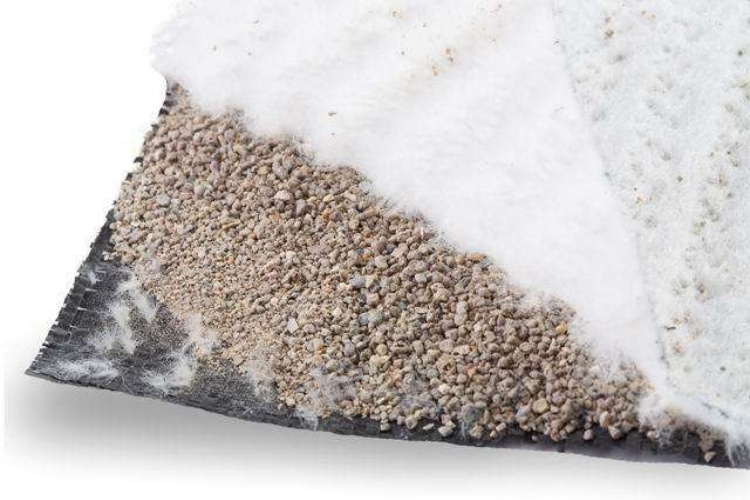
الآن بعد أن قمنا بتأسيس بنتونيت الصوديوم كعنصر نشط لدينا، كيف يعمل داخل GCL؟ تم تصميم المنتج لنقل ونشر هذا الطين القوي بشكل مريح. يتم حبس حبيبات بنتونيت الصوديوم بين طبقتين من المنسوجات الاصطناعية، والتي تحمي الطين وتزود المنتج النهائي بقوة الشد ومقاومة القص اللازمة للمعالجة والتركيب على المنحدرات.
عندما يتعرض GCL المركب للماء، يخضع قلب بنتونيت الصوديوم لتحول مذهل. يتضخم لملء أي فراغات، مما يخلق غشاء متجانس وغير منفذ. هذه العملية أكثر ديناميكية بكثير من حاجز سلبي بسيط مثل الغشاء الأرضي. تمتلك GCL فريدة من نوعها القدرة على الشفاء الذاتي. في حالة حدوث ثقب بسيط بسبب صخرة حادة أو نشاط بناء، فإن البنتونيت المائي المحيط سوف ينتفخ ويهاجر إلى المنطقة المتضررة، مما يؤدي إلى سد الثقب بشكل فعال واستعادة سلامة الحاجز.
إعداد البناء: معالجة القاعدة قبل التثبيت
إن أداء GCL يكون جيدًا بقدر الأساس الذي ترتكز عليه. قبل نشر أي لفات، يجب إعداد الطبقة السفلية بدقة. هذه ليست خطوة يجب التسرع فيها.
- التسوية والتجانس: يجب أن يكون السطح متدرجًا ليكون أملسًا وخاليًا من التغيرات المفاجئة في الارتفاع. يجب إزالة جميع الأشياء الحادة والصخور والجذور والحطام.
- الضغط: يجب ضغط الطبقة السفلية بكثافة لا تقل عن 85%. وهذا يمنع التسوية المستقبلية التي يمكن أن تضع ضغطًا على GCL ويضمن سطح اتصال موحد للترطيب.
- حالة السطح: يجب أن يكون السطح المجهز جافًا بشكل أساسي. بينما يمكن تركيب GCL على أرضية رطبة، إلا أنه يجب ذلك أبداً توضع في الماء الراكد أو الطين. إذا كان مستوى المياه الجوفية مرتفعا، فيجب تنفيذ تدابير فعالة لنزح المياه قبل بدء العمل.
- تفصيل الزوايا والزوايا: يجب أن تكون التحولات بين القاعدة وأي جدران رأسية أو منحدرات شديدة الانحدار متدرجة إلى منحنى سلس أو زاوية حادة. تخلق الزوايا الداخلية الحادة بزاوية 90 درجة نقاط ضغط ويجب تجنبها.

تركيب GCL: إجراءات التمديد والتداخل
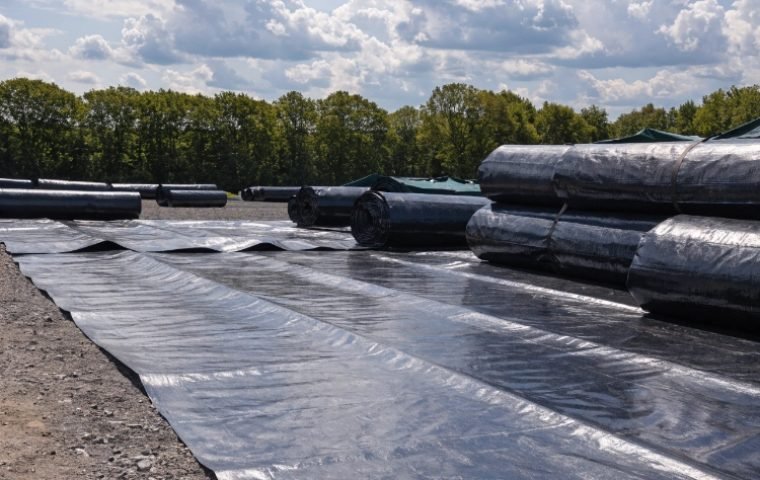
بعد تجهيز الطبقة السفلية، يمكن تركيب لوحات GCL. يجب أن تكون هذه العملية منهجية وتتبع إرشادات صارمة لضمان وجود حاجز مستمر مانع للتسرب. طاقم من ذوي الخبرة أمر ضروري.
وضع الاتجاه:
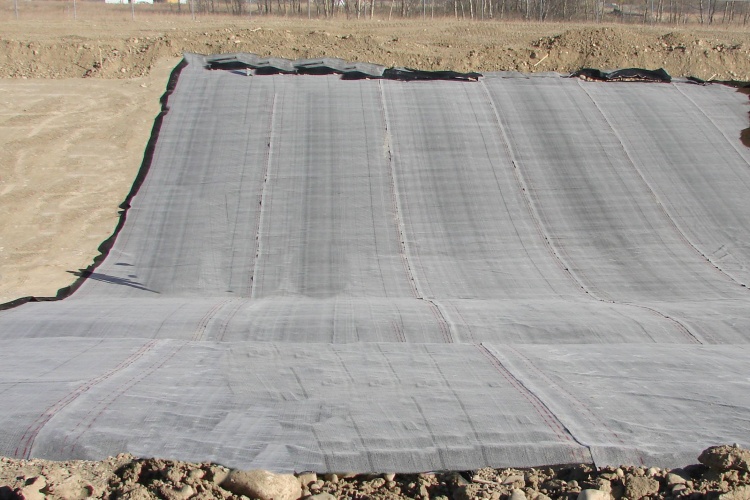
- على المنحدرات، يجب نشر بكرات GCL عموديًا، من قمة المنحدر إلى الأسفل.
- في القنوات أو القنوات، يجب وضع الألواح بالتوازي مع اتجاه تدفق المياه. وهذا يعني أن لوحة المنبع يجب أن تتداخل مع لوحة المصب.
متطلبات التداخل:
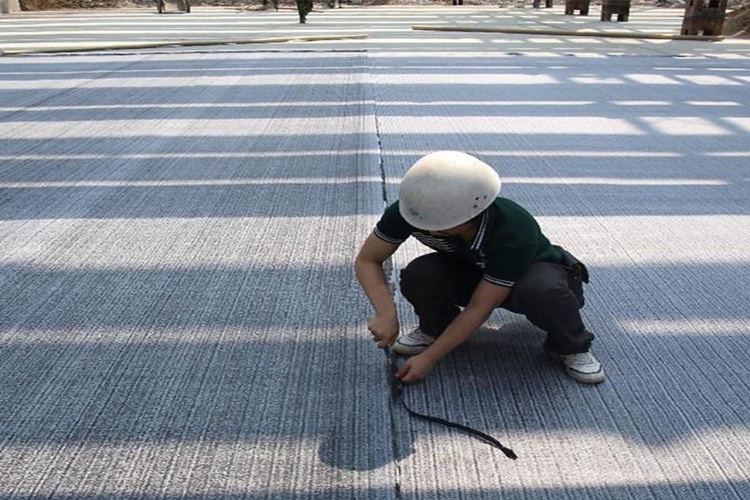
هذه هي واحدة من الخطوات الأكثر أهمية. يجب أن تتداخل ألواح GCL المجاورة لضمان استمرارية طبقة البنتونيت.
- الحد الأدنى لعرض التداخل لجميع طبقات هو 300 ملم (12 بوصة).
- عند التداخل، يجب وضع حبة متواصلة من مسحوق البنتونيت الصوديوم الحبيبي على طول خط التماس (حوالي 0.4 كجم لكل متر خطي). يضمن هذا البنتونيت الإضافي وجود ختم قوي وآمن بين الألواح.
The panels should be laid flat and relaxed, without wrinkles. On large, flat areas, it is sometimes recommended to introduce a small, 100 mm "wrinkle" أو قم بالتلويح في اللوحة لاستيعاب أي تسوية ثانوية أو حركة حرارية.
خنادق المرساة واستقرار المنحدرات
عند تركيب GCL على أي منحدر، يلزم تثبيت ميكانيكي في الأعلى لمنعه من الانزلاق إلى الأسفل بسبب وزنه أو وزن التربة المغطاة. يتم تحقيق ذلك باستخدام خندق مرساة.
خندق المرساة عبارة عن خندق صغير، يبلغ عرضه عادةً 300 ملم وعمقه 300 ملم، ويتم حفره عند قمة المنحدر. يتم تمديد لوحة GCL فوق الجزء العلوي من المنحدر ويتم وضعها في الخندق. ثم يتم ردم الخندق بالتربة المضغوطة. يعمل هذا على تثبيت الجزء العلوي من البطانة ميكانيكيًا في مكانه، مما يوفر الثبات اللازم لطول المنحدر بالكامل. يجب ألا تنتهي الدرزات أبدًا عند إصبع القدم أو قمة المنحدر حيث تكون الضغوط أعلى.
مراقبة الجودة: منع الترطيب المبكر
القاعدة الأساسية المطلقة لتثبيت GCL هي: لا تدعها تتبلل قبل تغطيتها.
يعد الترطيب المبكر بسبب هطول الأمطار هو السبب الأول لفشل تركيب GCL. إذا جوهر البنتونيت عندما تتبلل وتنتفخ قبل وضع تربة الغطاء الواقي في مكانها، تحدث عدة مشاكل:
- يتضخم البنتونيت بشكل لا يمكن السيطرة عليه، ويفقد كثافته ويصبح لينًا وسهل النزوح.
- يتم تقليل قوة القص بشكل كبير.
- عندما تتحرك معدات البناء فوق التربة المغطاة، يمكن أن يتم ضغط البنتونيت الناعم والمرطب من اللحامات، مما يؤدي إلى تدمير الختم.
- خطة للطقس الجاف: قم فقط بفرد أكبر قدر ممكن من GCL الذي يمكن تغطيته بطبقة تربة واقية في نفس يوم العمل.
- استخدم الأغطية الواقية: في نهاية يوم العمل أو إذا كان المطر وشيكًا، قم بتغطية جميع GCL المكشوفة بأغطية بلاستيكية مقاومة للماء.
- فحص واستبدال: إذا أصبح جزء من GCL رطبًا قبل الأوان، فلا يمكن إنقاذه. يجب قطعها واستبدالها بمواد جديدة.
الخطوة الأخيرة: وضع طبقة الغطاء الواقي
بمجرد وضع منطقة من GCL وتداخلها وفحصها، يجب تغطيتها على الفور. طبقة الغطاء الواقي، عادة ما تكون على الأقل 300 ملم (12 بوصة) من الرمل أو التربة ذات الحبيبات الدقيقة، يخدم غرضين:
- إنه يحمي GCL من التلف الميكانيكي، والتعرض للأشعة فوق البنفسجية، والجفاف (التجفيف).
- فهو يوفر حصر الإجهاد اللازمة للسيطرة على انتفاخ البنتونيت، وإجباره على الترطيب إلى هلام كثيف منخفض النفاذية.
يجب وضع مادة الغطاء بعناية باستخدام آلات ذات ضغط أرضي منخفض (على سبيل المثال، جرافة ذات مسار عريض). يجب دفع التربة للخارج فوق GCL من الحواف، ولا يتم إلقاؤها مباشرة على البطانة. يجب ألا تسير المعدات الثقيلة مطلقًا بشكل مباشر على GCL غير المحمي.
الخلاصة: نظام يعتمد على الطين والعناية
يعتبر Geosynthetic Clay Liner حلاً هندسيًا أنيقًا وفعالًا للغاية، حيث يعمل على تسخير قوة بنتونيت الصوديوم الطبيعي في شكل متعدد الاستخدامات وسهل التثبيت. إلا أن نجاحها ليس تلقائياً. يعتمد الأمر أولاً على اختيار منتج يحتوي على بنتونيت الصوديوم عالي الجودة، وثانيًا، على ممارسات البناء الدقيقة. من خلال احترام خصائص المادة - وخاصة حساسيتها للترطيب المبكر - واتباع الإجراءات المثبتة لإعداد الطبقة الأساسية، وربطها، وتغطيتها، يمكنك بناء نظام احتواء يوفر أمانًا وراحة بال لا مثيل لهما.