

When we think of mining, we often picture digging valuable metals and minerals out of the ground. But what about what gets left behind? For every ton of copper or gold extracted, hundreds of tons of waste can be generated. This waste, known as mine tailings, represents one of the biggest environmental and safety challenges in the world.
This guide will explain what mine tailings are in simple terms, where they come from, and why their management is critical for protecting our environment and communities. Understanding this inevitable byproduct of mining is the first and most important step toward promoting safer, more responsible practices across the industry. Let's dig in.
What Are Mine Tailings?
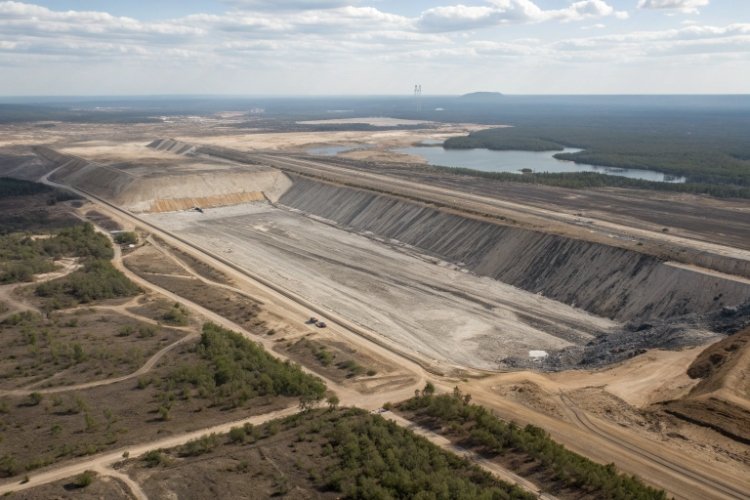
In the simplest terms, mine tailings are the waste product of mineral processing. They are what's left over after the valuable part of the ore has been separated from the uneconomic part.
Definition of Mine Tailings
Tailings are a mixture of finely ground rock, water, and residual chemicals from the extraction process. Imagine mining for gold. The ore might contain only a few grams of gold per ton of rock. To get that gold, the entire ton of rock is crushed into a fine sand-like powder and mixed with water and chemicals to separate the gold from the host rock. The tiny amount of gold is recovered, and the remaining 99.9% of the rock-and-water slurry is the tailings. This slurry is then pumped to a storage facility, which is often a large dam.
How Mine Tailings Differ from Waste Rock
It's important not to confuse tailings with "waste rock."
- Waste Rock is the non-ore-bearing rock and soil (also called overburden) that is removed to gain access to the ore body. It's essentially just moved from one place to another. It's coarse, chunky, and hasn't been chemically treated.
- Mine Tailings, on the other hand, have been physically and chemically altered. They are finely ground particles suspended in water and contain leftover processing chemicals, making them much more complex and potentially hazardous to manage.
Where Do Mine Tailings Come From?
Mine tailings are not an accidental byproduct; they are an unavoidable result of modern mining. Understanding why requires a quick look at the mineral processing journey.
Overview of the Mining and Mineral Processing Process
Most metals we use today come from low-grade ore, meaning the concentration of the valuable mineral is very low. To extract it economically, miners must process enormous volumes of rock. The basic process is:
- Extraction: The ore is blasted and dug from the ground.
- Comminution: The large chunks of ore are transported to a processing plant where they are crushed and ground into a fine powder, almost like flour or sand. This step is necessary to liberate the mineral particles from the host rock.
- Separation: The powdered ore is mixed with large amounts of water to create a slurry. Chemicals are then added to separate the valuable minerals from the worthless rock. Common methods include froth flotation (where chemicals make the mineral particles attach to air bubbles and float to the surface) or leaching (where chemicals like cyanide or acid are used to dissolve the target mineral).
- Dewatering: The concentrated mineral product is separated and dewatered for shipment.
Why Tailings Are an Inevitable Byproduct of Mining
The slurry of water, ground-up rock, and chemicals left behind after the valuable minerals have been removed is the tailings. Because we are often extracting a tiny fraction of valuable material from a huge amount of rock, the volume of tailings produced is immense. For many mines, over 99% of the material they process ends up as tailings. This massive volume of waste has to be stored safely and permanently, which leads to the creation of vast tailings storage facilities.
What Do Mine Tailings Look Like?
The physical appearance and storage method of tailings can vary, but they are typically managed in large, engineered structures.
Physical Forms of Mine Tailings
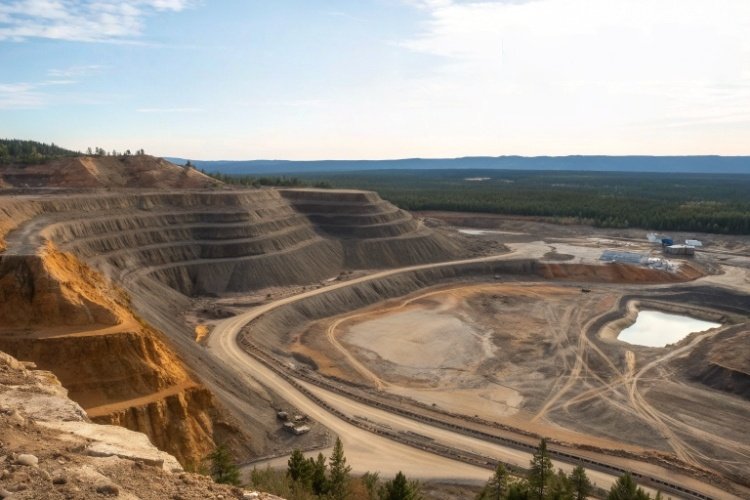
Initially, tailings exist as a slurry—a soupy mix of fine solid particles and water. The particles are usually the size of silt or fine sand. Over time, as the water is removed or evaporates, they can become a semi-solid sludge or, if completely dried, a fine, powdery dust that can be blown by the wind.
Tailings Storage Facilities and Tailings Ponds
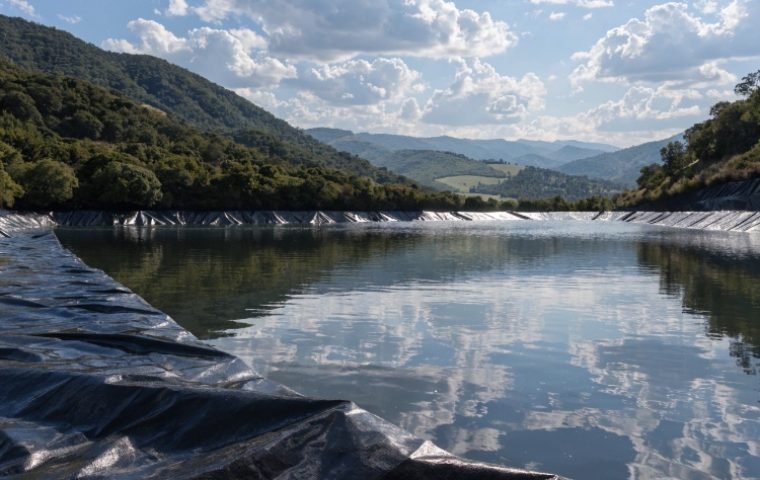
The most common method for storing tailings is in a Tailings Storage Facility (TSF), often called a tailings pond or tailings dam. These are some of the largest man-made structures on Earth. A dam is constructed, typically using coarse waste rock or even the tailings themselves, to create a large basin. The tailings slurry is then piped into this basin. Over time, the solid particles settle to the bottom, and the water is either recycled back into the processing plant or treated and discharged.
Differences Between Dry Tailings and Wet Tailings
Traditional TSFs are "wet" storage facilities, where tailings are kept as a slurry. However, concerns over dam safety and water use have led to the development of alternative methods:
- Wet Tailings: The conventional slurry form, stored behind a dam in a large pond. This is the most common but also carries the highest risk of catastrophic dam failure.
- Dry Tailings (or Dry Stacking): In this method, a large portion of the water is removed from the tailings before storage. The resulting "cake" or damp soil-like material has only 15-20% moisture content. It can then be compacted and stacked in a stable landform. This method requires a higher initial investment but is significantly safer, uses less water, and has a smaller environmental footprint.
Environmental Impacts of Mine Tailings
Unmanaged or poorly managed tailings pose a severe threat to the environment. The fine particle size and chemical content make them particularly dangerous if released.
Water Pollution and Acid Mine Drainage
This is one of the most significant environmental risks. Many ore bodies contain sulfide minerals. When the tailings containing these minerals are exposed to air and water, a chemical reaction occurs that produces sulfuric acid. This phenomenon is known as Acid Mine Drainage (AMD). The highly acidic water then dissolves heavy metals present in the tailings, such as lead, arsenic, mercury, and cadmium, creating a toxic leachate that can contaminate groundwater and surface water for centuries if not contained.
Soil Contamination and Land Degradation
Leaks, seepage, or dam failures can release vast quantities of tailings into the surrounding landscape. This can contaminate huge areas of soil with heavy metals and acids, rendering agricultural land unusable. Furthermore, fine, dry tailings can be carried by the wind, leading to widespread dust pollution that contaminates soil and air over a large radius.
Impacts on Ecosystems and Biodiversity
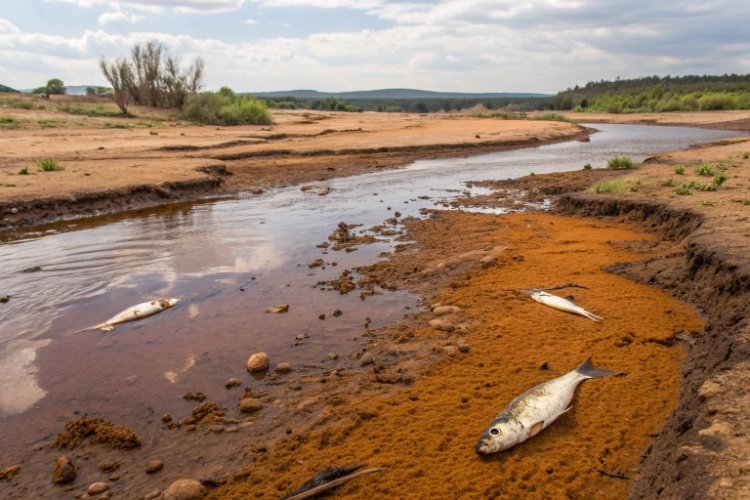
The release of toxic tailings into rivers and streams can be catastrophic for aquatic life, killing fish and other organisms for miles downstream. Contaminated soil prevents vegetation from growing, leading to barren landscapes. These heavy metals can also work their way up the food chain (bioaccumulation), poisoning wildlife and potentially humans who rely on local water sources or food.
Safety and Management Challenges of Mine Tailings
Beyond the long-term environmental contamination, the immediate structural safety of tailings dams is a massive concern globally.
Tailings Dam Design and Stability
Tailings dams are complex geotechnical structures that must contain enormous volumes of semi-liquid waste, often in perpetuity. Their design must account for local geology, seismic activity, and extreme weather events. A common but historically risky construction method is the "upstream" method, where the dam is progressively built on top of previously deposited tailings. While cheap, this method is less stable than "downstream" or "centerline" construction, especially in seismic zones or areas with high rainfall.
Risks of Tailings Dam Failures and Leaks
The failure of a tailings dam is one of the worst possible industrial accidents. It can release a sudden, high-speed mudflow that travels miles downstream, destroying everything in its path. Tragic failures, such as the Brumadinho disaster in Brazil (2019) and the Mount Polley event in Canada (2014), have killed hundreds of people and caused irreversible environmental devastation. Even without a catastrophic breach, slow leaks and seepage through the dam or its foundation can cause chronic, long-term pollution of the surrounding environment.
Best Practices for Tailings Management
Recognizing these risks, the global mining industry is moving toward safer practices. The Global Industry Standard on Tailings Management (GISTM) outlines a framework for best practices, which includes:
- Designing, building, and operating TSFs to the highest engineering standards.
- Prioritizing dewatering and dry stacking of tailings to reduce risks.
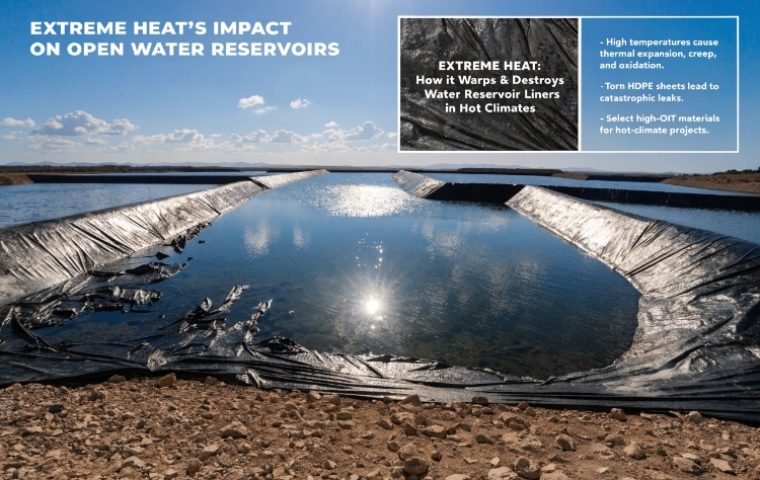
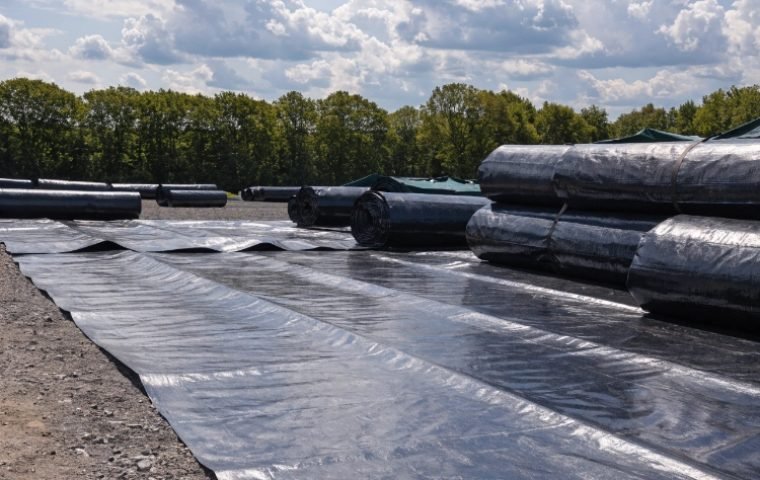
- Installing robust liner systems (using geosynthetics like geomembranes and GCLs) to prevent seepage.
- Implementing rigorous, independent monitoring and review of dam safety throughout its entire lifecycle, from construction to closure.
Why Should the Public Care About Mine Tailings?
The issue of mine tailings extends far beyond the mine's fence. It is a matter of public health, environmental justice, and economic responsibility.
Risks to Communities and Public Health
Communities located downstream from tailings dams live with the constant risk of a catastrophic failure. Even without a breach, long-term exposure to contaminated water or windblown dust can lead to serious health problems. The burden of these risks often falls disproportionately on vulnerable or indigenous populations.
Long-Term Environmental and Economic Consequences
The environmental damage from a tailings release can be permanent. The economic costs are staggering, involving emergency response, long-term remediation, and lost land value. In many cases, these costs are so high that they are passed on to taxpayers, especially if the mining company files for bankruptcy. Tailings dams are a centuries-long liability that must be managed long after the mine has closed and stopped generating profit.
The Role of Regulation, Transparency, and Public Awareness
Strong and enforced government regulations are essential for holding companies accountable. Greater transparency from mining companies about how they manage their tailings facilities is also crucial for building public trust. Ultimately, public awareness is a powerful driver for change. When consumers, investors, and citizens demand that the products they use are sourced from responsibly managed mines, it forces the entire industry to improve its standards.
Conclusion: Understanding Mine Tailings Is the First Step Toward Responsible Mining
Mine tailings are a complex and challenging reality of the modern world's demand for mineral resources. They are not just waste; they are engineered structures that carry significant environmental and social risk. By understanding what they are, the dangers they pose, and the best practices available for their management, we can all contribute to a more informed conversation. Pushing for safer designs, demanding transparency, and supporting companies that invest in responsible tailings management is crucial for protecting our planet and its people for generations to come.