

Когда мы думаем о добыче полезных ископаемых, мы часто представляем себе добычу ценных металлов и минералов из-под земли. Но как насчет того, что остается позади? На каждую тонну добытой меди или золота могут образовываться сотни тонн отходов. Эти отходы, известные как хвосты шахты, представляет собой одну из крупнейших проблем окружающей среды и безопасности в мире.
This guide will explain what mine tailings are in simple terms, where they come from, and why their management is critical for protecting our environment and communities. Understanding this inevitable byproduct of mining is the first and most important step toward promoting safer, more responsible practices across the industry. Let’s dig in.
Что такое хвосты шахт?
In the simplest terms, mine tailings are the waste product of mineral processing. They are what’s left over after the valuable part of the ore has been separated from the uneconomic part.
Определение хвостов шахт
Хвосты представляют собой смесь тонкоизмельченной породы, воды и остаточных химикатов процесса добычи. Представьте себе добычу золота. Руда может содержать всего несколько граммов золота на тонну породы. Чтобы получить это золото, всю тонну породы измельчают в мелкий порошок, похожий на песок, и смешивают с водой и химикатами, чтобы отделить золото от вмещающей породы. Небольшое количество золота извлекается, а оставшиеся 99,9% каменно-водной суспензии представляют собой хвосты. Затем эта суспензия перекачивается в хранилище, которое часто представляет собой большую плотину.
Чем хвостохранилища отличаются от Пустая порода
It’s important not to confuse tailings with "waste rock."
- Пустая порода is the non-ore-bearing rock and soil (also called overburden) that is removed to gain access to the ore body. It’s essentially just moved from one place to another. It’s coarse, chunky, and hasn’t been chemically treated.
- Хвосты шахты, с другой стороны, были физически и химически изменены. Они представляют собой мелкоизмельченные частицы, взвешенные в воде и содержащие остатки химических веществ, что делает обращение с ними гораздо более сложным и потенциально опасным.
Откуда берутся хвосты шахт?
Хвосты шахт не являются случайным побочным продуктом; они являются неизбежным результатом современной добычи полезных ископаемых. Понимание того, почему, требует беглого взгляда на путешествие по переработке полезных ископаемых.
Обзор процесса добычи и переработки полезных ископаемых
Большинство металлов, которые мы используем сегодня, происходят из низкосортной руды, а это означает, что концентрация ценного минерала очень низкая. Чтобы экономически выгодно добывать его, горнякам приходится перерабатывать огромные объемы породы. Основной процесс:
- Добыча: Руду взрывают и выкапывают из земли.
- Измельчение: Большие куски руды транспортируются на перерабатывающий завод, где их измельчают и измельчают в мелкий порошок, почти как муку или песок. Этот шаг необходим для освобождения минеральных частиц из вмещающей породы.
- Разделение: Порошкообразную руду смешивают с большим количеством воды для получения суспензии. Затем добавляются химикаты, чтобы отделить ценные минералы от бесполезной породы. Общие методы включают пенную флотацию (когда химические вещества заставляют частицы минерала прикрепляться к пузырькам воздуха и всплывать на поверхность) или выщелачивание (когда для растворения целевого минерала используются такие химические вещества, как цианид или кислота).
- Обезвоживание: Концентрированный минеральный продукт отделяется и обезвоживается для отправки.
Почему хвостохранилища являются неизбежным побочным продуктом горнодобывающей промышленности
Взвесь воды, измельченной породы и химикатов, оставшаяся после удаления ценных минералов, представляет собой хвосты. Поскольку мы часто извлекаем крошечную фракцию ценного материала из огромного количества породы, объемы образующихся отходов огромны. На многих рудниках более 99% перерабатываемого материала оказывается в виде хвостов. Этот огромный объем отходов необходимо хранить безопасно и постоянно, что приводит к созданию огромного количества отходов. хвостохранилища.
Как выглядят хвостохранилища?
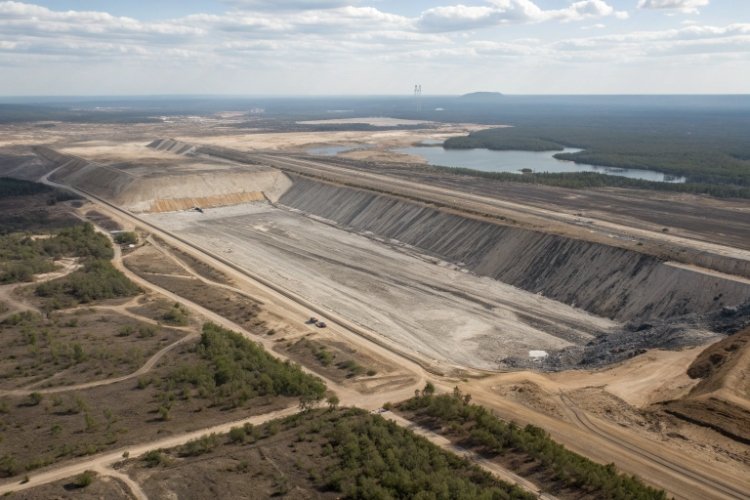
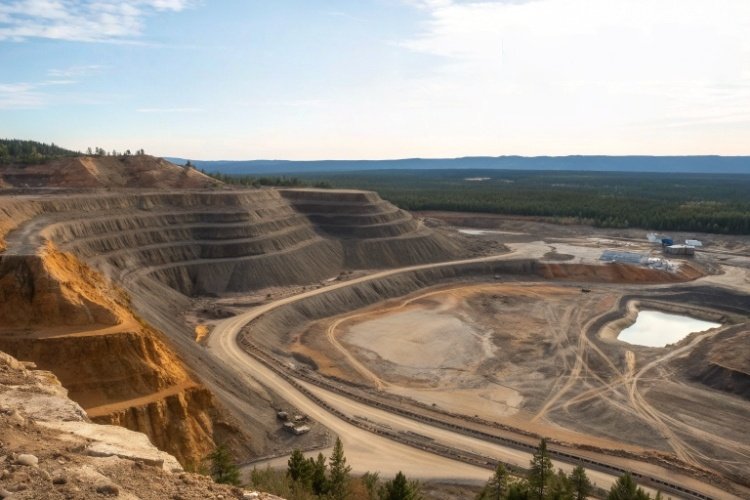
Внешний вид и методы хранения хвостов могут различаться, но обычно они хранятся в крупных инженерно-технических сооружениях.
Физические формы хвостов шахт
Первоначально хвостохранилища существуют как жижа— густая смесь мелких твердых частиц и воды. Частицы обычно имеют размер ила или мелкого песка. Со временем, когда вода удаляется или испаряется, они могут превратиться в полутвердый ил или, если они полностью высохнут, в мелкую порошкообразную пыль, которую может разносить ветер.
Хвостохранилища и хвостохранилища
Самый распространенный способ хранения хвостов – в Хвостохранилище (ХВХ), often called a tailings pond or tailings dam. These are some of the largest man-made structures on Earth. A dam is constructed, typically using coarse waste rock or even the tailings themselves, to create a large basin. The tailings slurry is then piped into this basin. Over time, the solid particles settle to the bottom, and the water is either recycled back into the processing plant or treated and discharged.
Differences Between Dry Tailings and Wet Tailings
Traditional TSFs are "wet" storage facilities, where tailings are kept as a slurry. However, concerns over dam safety and water use have led to the development of alternative methods:
- Wet Tailings: The conventional slurry form, stored behind a dam in a large pond. This is the most common but also carries the highest risk of catastrophic dam failure.
- Dry Tailings (or Dry Stacking): In this method, a large portion of the water is removed from the tailings before storage. The resulting "cake" or damp soil-like material has only 15-20% moisture content. It can then be compacted and stacked in a stable landform. This method requires a higher initial investment but is significantly safer, uses less water, and has a smaller environmental footprint.
Environmental Impacts of Mine Tailings
Unmanaged or poorly managed tailings pose a severe threat to the environment. The fine particle size and chemical content make them particularly dangerous if released.
Water Pollution and Acid Mine Drainage
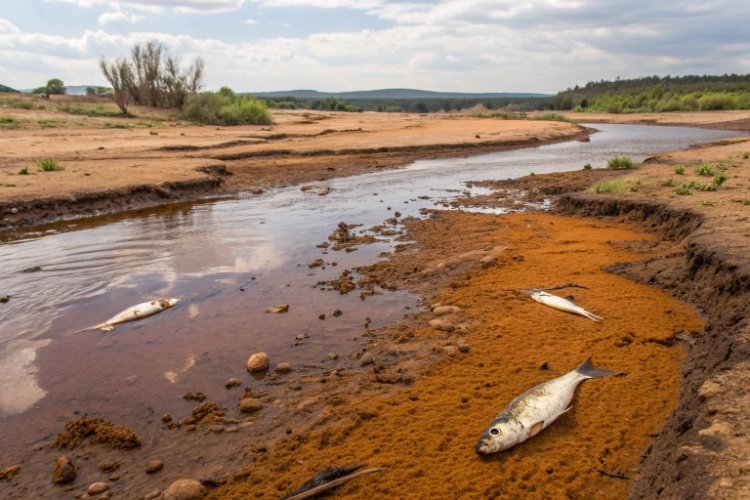
This is one of the most significant environmental risks. Many ore bodies contain sulfide minerals. When the tailings containing these minerals are exposed to air and water, a chemical reaction occurs that produces sulfuric acid. This phenomenon is known as Acid Mine Drainage (AMD). The highly acidic water then dissolves heavy metals present in the tailings, such as lead, arsenic, mercury, and cadmium, creating a toxic leachate that can contaminate groundwater and surface water for centuries if not contained.
Soil Contamination and Land Degradation
Leaks, seepage, or dam failures can release vast quantities of tailings into the surrounding landscape. This can contaminate huge areas of soil with heavy metals and acids, rendering agricultural land unusable. Furthermore, fine, dry tailings can be carried by the wind, leading to widespread dust pollution that contaminates soil and air over a large radius.
Impacts on Ecosystems and Biodiversity
The release of toxic tailings into rivers and streams can be catastrophic for aquatic life, killing fish and other organisms for miles downstream. Contaminated soil prevents vegetation from growing, leading to barren landscapes. These heavy metals can also work their way up the food chain (bioaccumulation), poisoning wildlife and potentially humans who rely on local water sources or food.
Safety and Management Challenges of Mine Tailings
Beyond the long-term environmental contamination, the immediate structural safety of tailings dams is a massive concern globally.
Tailings Dam Design and Stability
Tailings dams are complex geotechnical structures that must contain enormous volumes of semi-liquid waste, often in perpetuity. Their design must account for local geology, seismic activity, and extreme weather events. A common but historically risky construction method is the "upstream" method, where the dam is progressively built on top of previously deposited tailings. While cheap, this method is less stable than "downstream" or "centerline" construction, especially in seismic zones or areas with high rainfall.
Risks of Tailings Dam Failures and Leaks
The failure of a tailings dam is one of the worst possible industrial accidents. It can release a sudden, high-speed mudflow that travels miles downstream, destroying everything in its path. Tragic failures, such as the Brumadinho disaster in Brazil (2019) and the Mount Polley event in Canada (2014), have killed hundreds of people and caused irreversible environmental devastation. Even without a catastrophic breach, slow leaks and seepage through the dam or its foundation can cause chronic, long-term pollution of the surrounding environment.
Best Practices for Tailings Management
Recognizing these risks, the global mining industry is moving toward safer practices. The Global Industry Standard on Tailings Management (GISTM) outlines a framework for best practices, which includes:
- Designing, building, and operating TSFs to the highest engineering standards.
- Prioritizing dewatering and dry stacking of tailings to reduce risks.
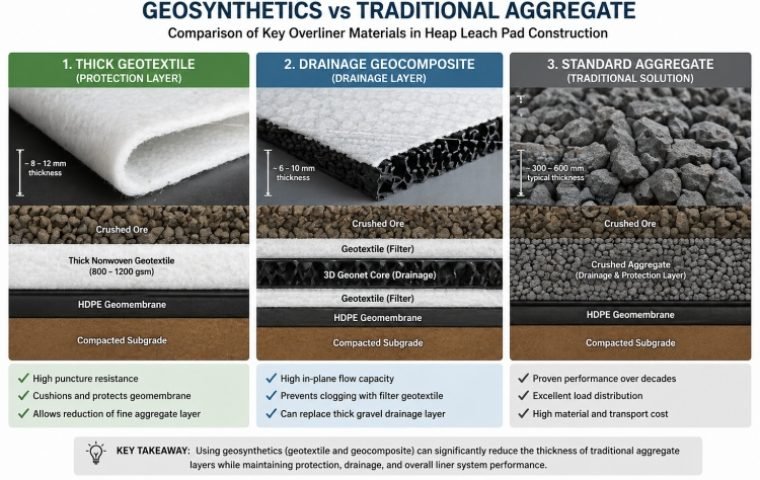
- Installing robust liner systems (using geosynthetics like geomembranes and GCLs) to prevent seepage.
- Implementing rigorous, independent monitoring and review of dam safety throughout its entire lifecycle, from construction to closure.
Why Should the Public Care About Mine Tailings?
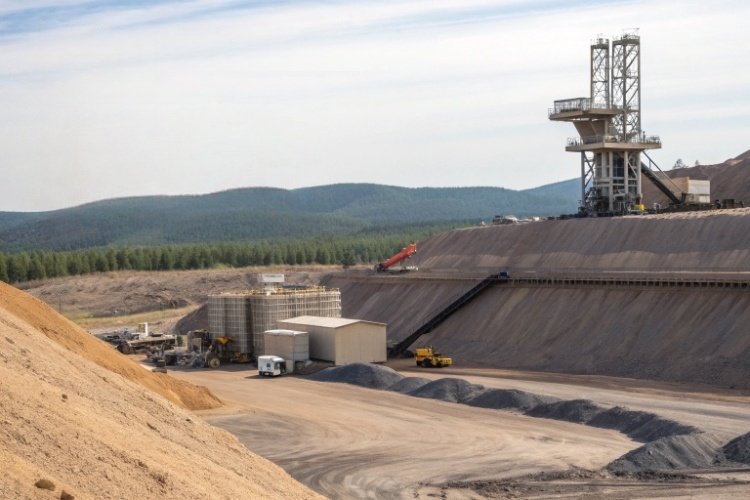
The issue of mine tailings extends far beyond the mine’s fence. It is a matter of public health, environmental justice, and economic responsibility.
Risks to Communities and Public Health
Communities located downstream from tailings dams live with the constant risk of a catastrophic failure. Even without a breach, long-term exposure to contaminated water or windblown dust can lead to serious health problems. The burden of these risks often falls disproportionately on vulnerable or indigenous populations.
Long-Term Environmental and Economic Consequences
The environmental damage from a tailings release can be permanent. The economic costs are staggering, involving emergency response, long-term remediation, and lost land value. In many cases, these costs are so high that they are passed on to taxpayers, especially if the mining company files for bankruptcy. Tailings dams are a centuries-long liability that must be managed long after the mine has closed and stopped generating profit.
The Role of Regulation, Transparency, and Public Awareness
Strong and enforced government regulations are essential for holding companies accountable. Greater transparency from mining companies about how they manage their tailings facilities is also crucial for building public trust. Ultimately, public awareness is a powerful driver for change. When consumers, investors, and citizens demand that the products they use are sourced from responsibly managed mines, it forces the entire industry to improve its standards.
Conclusion: Understanding Mine Tailings Is the First Step Toward Responsible Mining
Mine tailings are a complex and challenging reality of the modern world’s demand for mineral resources. They are not just waste; they are engineered structures that carry significant environmental and social risk. By understanding what they are, the dangers they pose, and the best practices available for their management, we can all contribute to a more informed conversation. Pushing for safer designs, demanding transparency, and supporting companies that invest in responsible tailings management is crucial for protecting our planet and its people for generations to come.