"How long will my HDPE liner last?" As a geosynthetics supplier for the mining industry, it’s the most common—and most critical—question I hear. The answer is far from simple. I’ve seen HDPE liners in some applications designed for 30 years fail in under 8, while others in different settings are on track to last for centuries.
This guide provides a data-driven look at the real-world lifespan of HDPE geomembranes in mining. We will break down the key factors—chemical environment, temperature, and stress—that dictate liner longevity, helping you move beyond simple thickness specifications to make informed decisions for your project's safety and profitability.

Understanding the Role of HDPE Liners in Mining Operations
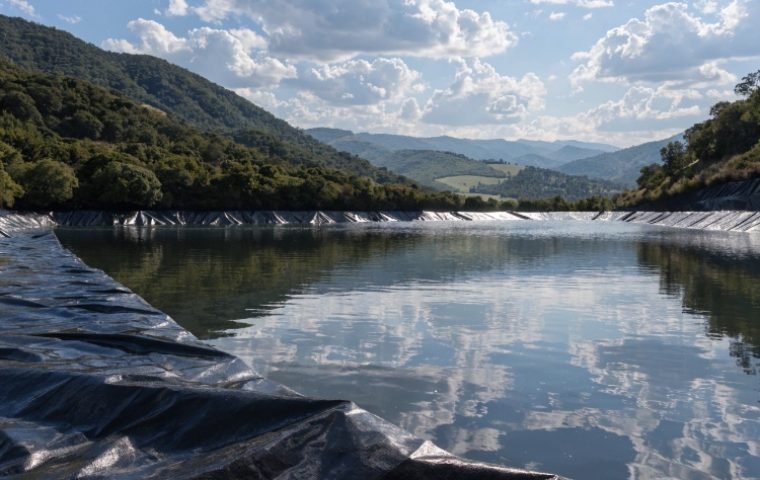
High-Density Polyethylene (HDPE) geomembranes are the workhorse containment material in modern mining. Their primary role is to act as an impermeable barrier to prevent process solutions and contaminated water from escaping into the environment. You will find them in:
- Heap Leach Pads: Containing cyanide or acid solutions used to extract precious metals like gold, silver, and copper.
- Tailings Ponds: Providing a secure barrier at the base of tailings storage facilities to contain waste slurry.
- Process Ponds and Channels: Lining evaporation ponds, storm-water ponds, and solution channels to prevent product loss and environmental contamination.
Typical Service Life Expectations of HDPE Liners in Mining
The lifespan of an HDPE liner is not a single number; it's a predictable, three-stage degradation process. Understanding this is key to realistic a expectation.
- Stage 1: Antioxidant Depletion: HDPE liners contain an antioxidant package to protect the polymer. This stage is when those antioxidants are slowly consumed by heat, chemical exposure, and oxidation. The liner's physical properties remain largely unchanged during this time.
- Stage 2: Induction Time: Once the antioxidants are fully depleted, a brief period follows where the polymer itself begins to react, but degradation is not yet rapid.
- Stage 3: Accelerated Degradation: The polymer structure begins to break down quickly. Tensile strength drops, the material becomes brittle, and stress cracking accelerates.
The industry typically defines the functional service life as the time it takes for the liner to reach 50% of its initial strength or elongation. Beyond this point, the risk of failure increases exponentially. Under ideal, buried conditions at 20°C with no chemical attack, this could take over 400 years. However, mining environments are far from ideal.
Impact of Different Mining Types and Chemical Environments
The specific chemistry of a mining operation is a major factor in a liner’s lifespan.
Gold and Silver Heap Leaching (Cyanide Solutions)
Gold leaching typically uses a high-pH cyanide solution (pH 10-13). This environment is relatively mild for HDPE. The alkaline conditions do not aggressively attack the polymer, so degradation is primarily driven by temperature and natural antioxidant depletion. In a temperate climate, a well-covered liner in a gold heap leach pad can realistically have a service life of 40 to 60 years.
Copper Mining (Acidic Sulfate Solutions)
This is one of the most challenging applications for HDPE. Copper heap leaching uses a low-pH sulfuric acid solution (pH <2), which is aggressive on its own. The real issue, however, is the catalytic effect of metal ions. Dissolved copper (Cu²⁺) and especially iron (Fe³⁺) ions act as catalysts, dramatically accelerating the depletion of the liner's antioxidant package. This catalytic effect can reduce a liner’s lifespan by 50-75% compared to a non-metallic acid environment. A liner that might last 30 years in pure acid could fail in 8 to 15 years in a hot copper leach solution.
Other Challenging Environments
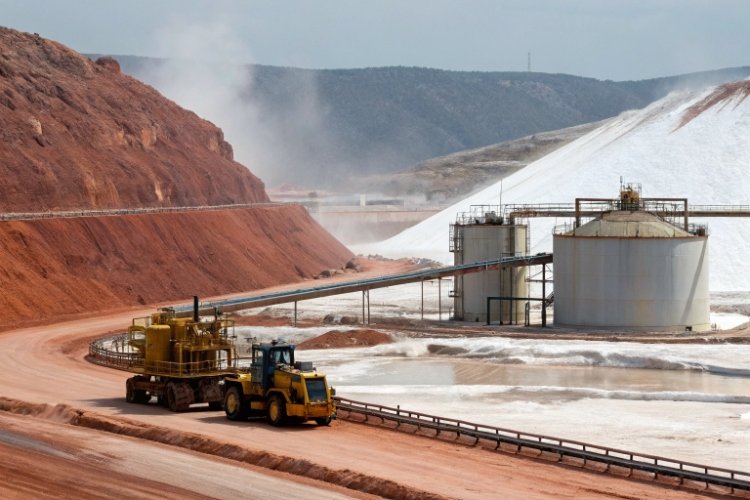
- Potash and Salt Mining: High salinity is generally not a major chemical threat to HDPE, but these operations often involve high temperatures, which becomes the dominant concern.
- Nickel and Cobalt Mining: Some processes use extremely aggressive acids (pH <1) and high temperatures (50-70°C). HDPE is not recommended in these conditions, as it can fail in as little as 3-8 years. Materials like polypropylene (PP) are a more suitable choice.
Effect of Temperature and Climate Conditions on HDPE Longevity
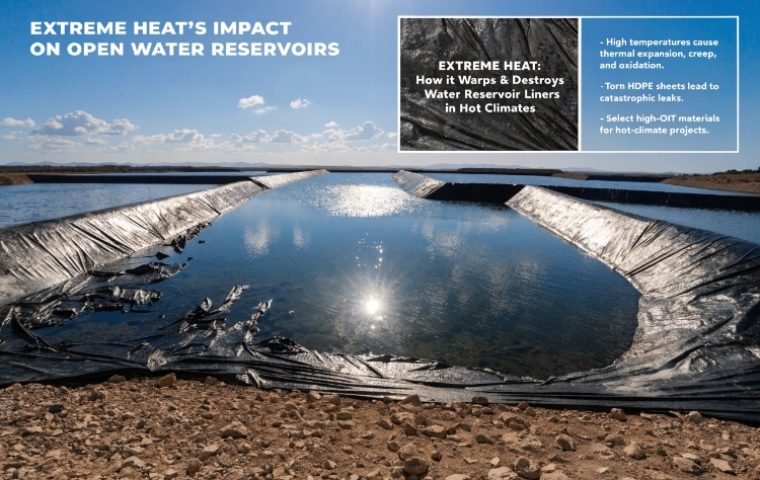
If there is one single factor that dominates HDPE liner lifespan, it is temperature. The relationship is exponential—a small increase in temperature causes a large decrease in service life.
| Average Liner Temperature | Expected Lifespan (Ideal Chemistry) | Примечания |
|---|---|---|
| 10-20°C | 400+ years | Arctic or high-altitude, fully buried applications. |
| 20-35°C | 100-200 years | Typical for temperate climates. |
| 35-45°C | 30-60 years | Hot climates or partially exposed liners. |
| 45-55°C | 10-25 years | Common inside hot heap leach pads. |
| 55-65°C | 5-12 years | High-temperature operations. |
| >65°C | <5 years | HDPE not recommended; consider PP liners. |
Higher temperatures accelerate degradation in three ways: they increase the rate of oxygen diffusion into the polymer, raise the solubility of oxygen in the process solution, and speed up the chemical reaction rate of oxidation.
Other climate factors also play a role:
- UV Exposure: Direct sunlight is extremely damaging. The carbon black in HDPE liners provides UV protection, but any exposed liner will have a significantly shorter life (often just 10-20 years) than a buried one.
- Freeze-Thaw Cycles: In cold climates, repeated freezing and thawing can cause mechanical stress and fatigue, particularly at seams.
Mechanical and Operational Stresses in Mining Applications
Physical stresses can cause premature failure long before chemical degradation becomes an issue.
- Load from Ore Stacking: The immense weight of ore or tailings (often stacked over 100 meters high) puts the liner under high compressive stress.
- Puncture and Abrasion: Sharp, angular rocks in the ore or subgrade can create point loads that puncture or abrade the liner. This risk is highest at the base of the pile.
- Differential Settlement: Uneven settling of the subgrade or tailings can stretch the liner, creating high tensile stress and leading to stress cracking, especially in areas with a depleted antioxidant package.
Selecting the Right HDPE Geomembrane for Mining Use
Choosing the right liner involves more than just picking a thickness.
- Thickness: Common thicknesses for mining are 1.5 mm, 2.0 mm, and 2.5 mm. Thicker liners offer greater puncture resistance and a longer diffusion path for oxygen, which directly extends service life. For high-stress applications (e.g., deep heap leach pads), 2.5 mm or 3.0 mm is often specified.
- Surface Texture: Smooth liners are used on flat areas, but on slopes, textured liners are essential to increase friction between the liner and the soil or overlying geosynthetics, ensuring slope stability.
- Resin Quality and Antioxidant Package: This is the liner's "secret recipe." For demanding mining applications, you must use a liner made from 100% virgin resin with a robust, high-performance antioxidant package designed for long-term chemical and thermal exposure. Specifications like High-Pressure Oxidative Induction Time (HP-OIT) are used to measure the quality of this package.
Design and Installation Factors That Influence Service Life
A premium liner can be ruined by poor design and installation.
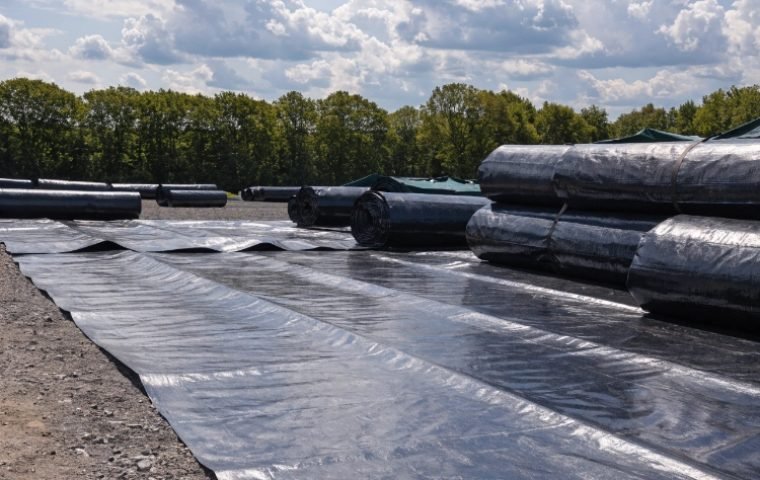
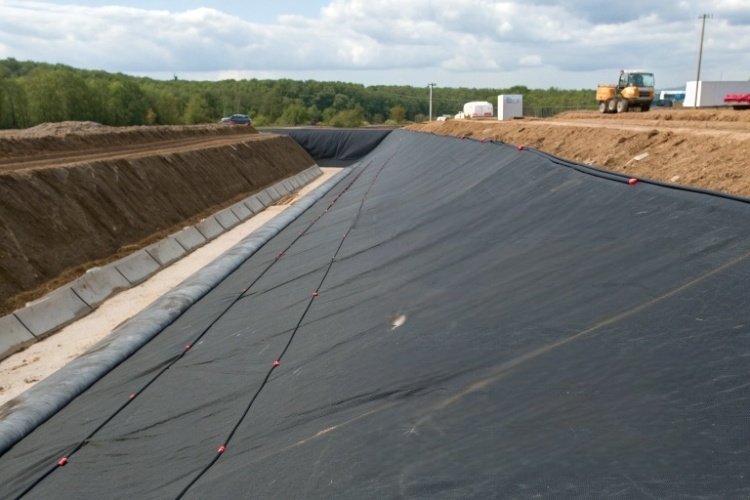
- Subgrade Preparation: The ground beneath the liner must be smooth, uniform, and free of sharp objects. A protective geotextile or soil layer is often placed as a cushion.
- Welding Quality: Seams are the most vulnerable part of a liner system. All welding must be performed by certified technicians using dual-track fusion welders that create an air channel for pressure testing.
- Drainage and Protective Layers: A well-designed drainage layer above the liner not only manages process solutions but also reduces the hydraulic head on the liner and can help dissipate heat.
Quality Control, Supplier Selection, and Monitoring
To ensure you get the lifespan you designed for, you must enforce strict quality control.
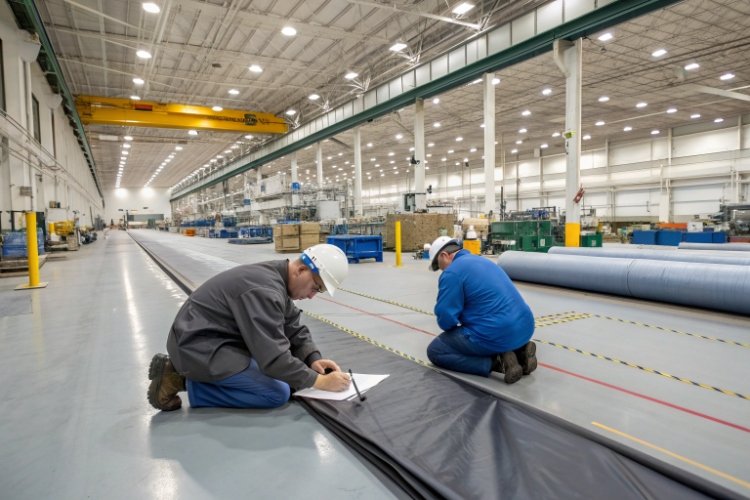
- Factory and Field Testing: Reputable manufacturers test their liners to meet standards like GRI-GM13. During installation, field technicians must conduct rigorous QA/QC on every seam, including air pressure tests and destructive sample testing.
- Supplier Selection: Work only with established manufacturers who can provide full traceability on their resin source and comprehensive Manufacturer's Quality Assurance (MQA) documentation. Be wary of unusually cheap liners, as they may contain recycled content, which is unacceptable for critical mining containment.
- Long-Term Monitoring: Installing a leak detection system and conducting regular inspections are crucial parts of managing the liner over its life.
How to Maximize the Service Life of HDPE Liners in Mining
You can't change your ore body, but you can take steps to get the most out of your liner system:
- Select Conservatively: Choose a thickness and antioxidant package that provides a buffer for your specific temperature and chemical conditions.
- Design an Integrated System: Use protective geotextiles and well-designed drainage layers to reduce mechanical and thermal stress on the liner.
- Prioritize Installation Quality: Invest in a certified installer and a rigorous CQA program. A flawless installation is the best insurance you can buy.
- Minimize Exposure: Cover liners with soil or ore as quickly as possible to protect them from UV damage and mechanical impact.
Conclusion: Realistic Expectations for HDPE Liner Longevity
The lifespan of an HDPE liner in a mining application is not a fixed attribute of the material itself; it is the outcome of a complex interaction between chemistry, temperature, stress, and quality. A 2.0 mm liner in a cool-climate gold mine might last 50 years, while the exact same liner in a hot copper mine could fail in 10. By accurately assessing your project's specific conditions and investing in the right material, design, and installation quality, you can build a containment system with a predictable and reliable service life.