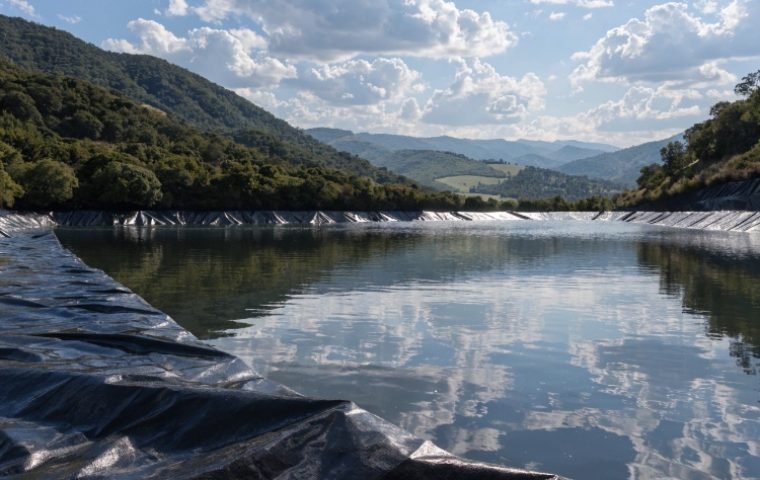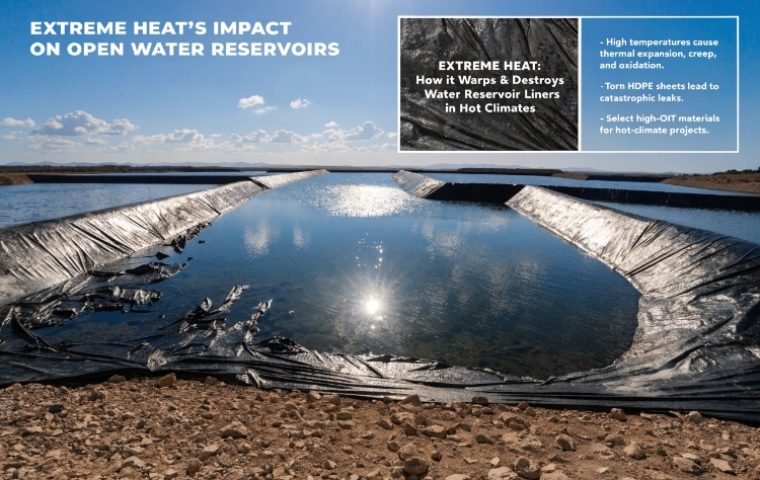


A TSF isn't just a dam; it's a massive, ever-growing, and highly engineered structure designed to do two jobs at once. It must safely store millions of tons of mine waste while also recycling huge volumes of water.
A TSF works by separating solid mine waste (tailings) from water. The solids settle to form a stable deposit, while the water is collected, recycled, and sent back to the processing plant. It's a continuous, dynamic system that is carefully managed and expanded over the life of the mine.
From my experience supplying liner systems for these critical facilities, I can tell you that a TSF is one of the most complex structures on any mine site. Unlike a traditional water dam that is built once, a TSF is constructed in stages over decades. Its success depends on a delicate balance of geotechnical engineering, water management, and constant monitoring. Get it wrong, and the consequences can be catastrophic.
How are tailings transported and deposited into a TSF?
After crushing and processing ore, you're left with a fine-grained slurry of rock particles, water, and residual chemicals. This slurry, known as tailings, has to go somewhere.
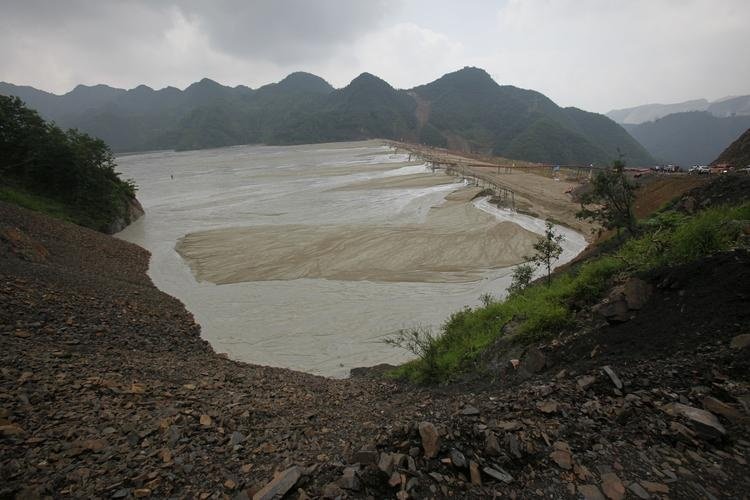
Tailings are most commonly transported from the processing plant to the TSF as a slurry through pipelines. The slurry is then discharged into the facility, where the solids begin to settle out, forming a gentle slope called a "beach."
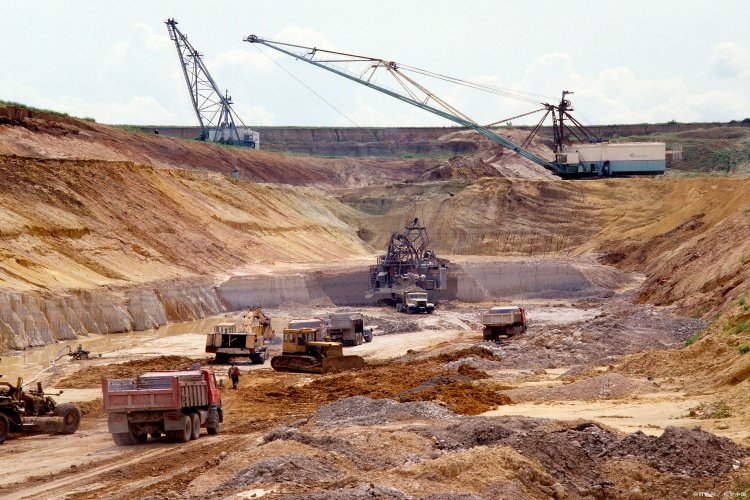
The deposition process is carefully controlled to build the facility over time.
Slurry Transportation and Segregation
The slurry, typically 50-55% solids, is pumped through pipes to one or more discharge points (spigots) along the TSF's embankment. As the slurry flows into the facility, a natural separation occurs:
- Coarse Particles Settle First: The heavier, sand-like particles drop out of suspension quickly, forming a stable beach near the discharge point.
- Fine Particles Travel Further: The finer silt and clay-sized particles stay suspended in the water longer and are carried towards the center of the facility.
- Supernatant Pond Forms: This process leaves a pool of relatively clear water in the middle of the TSF, known as the supernatant pond.
This segregation is not just a byproduct; it's a key part of the design, especially for certain construction methods. In some modern systems, like thickened or filtered tailings, much of the water is removed kafin deposition to improve stability and water recovery.
How do containment structures control stability and seepage?
A TSF is fundamentally a dam, and its primary job is to safely contain the tailings forever. This requires a robust embankment built with geological precision.
The containment embankment, or dam wall, provides the structural stability. It is built in stages using one of three methods—upstream, downstream, or centerline—each offering a different balance of cost, material usage, and seismic stability.
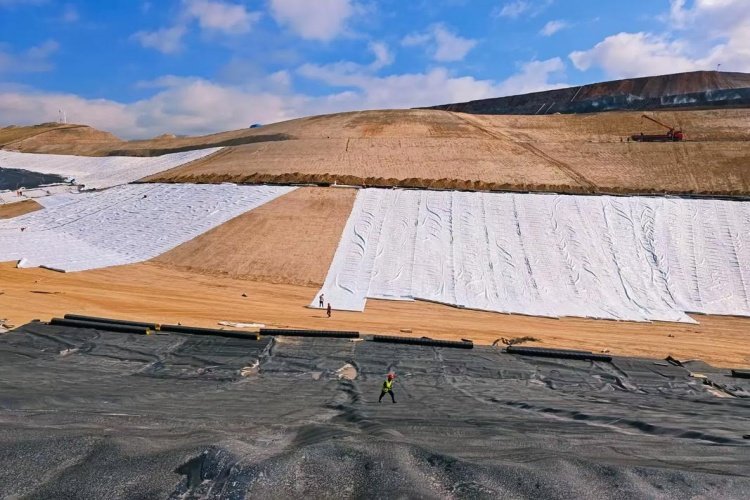
The choice of construction method is one of the most critical decisions in TSF design, dictated by factors like climate, seismicity, and available construction materials.
| Construction Method | How It's Raised | Amfani | Disadvantages |
|---|---|---|---|
| Upstream | Each new raise is built on top of the previously settled tailings. | Lowest cost; uses tailings as construction material. | Lowest seismic stability; requires slow raising and dry conditions. |
| Downstream | Each new raise is built on the downstream side of the previous one. | Most stable, especially in earthquakes; very safe. | Highest cost; requires the most construction material. |
| Centerline | The dam crest is raised vertically along a central axis. | A good balance of stability and cost. | More complex to design and construct than the other two methods. |
Regardless of the method, the goal is the same: to create a massive, stable barrier that can withstand internal pressures and external forces like earthquakes for centuries.
What role do liners, drainage, and water management systems play?
A TSF isn't a sealed bathtub. Water is constantly flowing in with the tailings slurry and falling as rain. Managing this water is critical for stability and environmental protection.
Liner and drainage systems are the facility's lifeblood. Liners prevent contaminated water from seeping into the ground, while drainage systems collect that water and direct it to a sump so it can be pumped back to the plant for reuse.
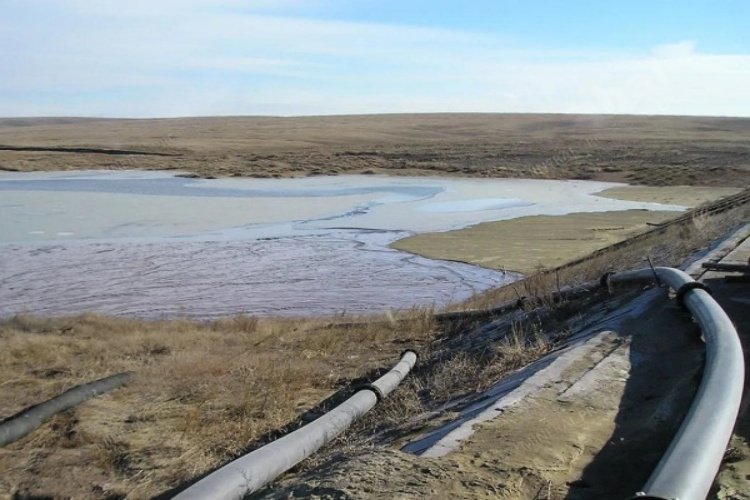
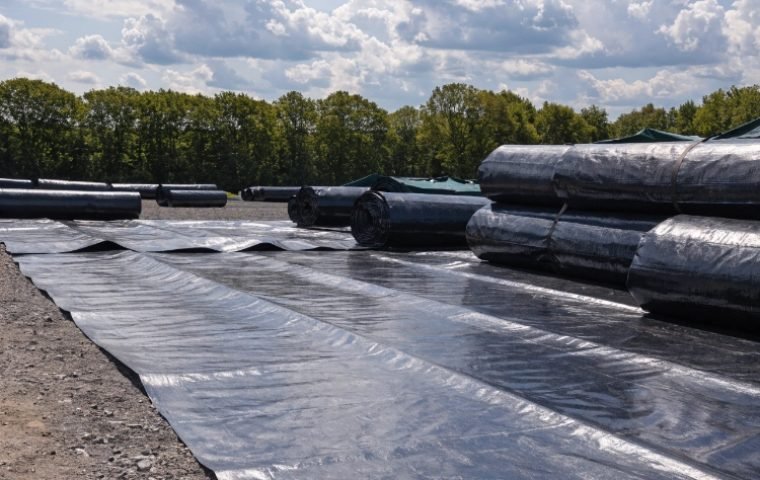
I've supplied HDPE geomembranes for dozens of these projects, and the liner and drainage network is the single most important component for environmental safety. Here's how the water system works:
- Liner System: The entire base of the TSF is lined with a heavy-duty geomembrane (like HDPE) and often a secondary liner (like a GCL or compacted clay) to create an impermeable barrier.
- Underdrainage Network: A network of perforated pipes is laid on top of the liner. These pipes collect any water that seeps down through the settled tailings.
- Water Recovery (Decant System): A decant tower or a series of floating pumps constantly removes water from the supernatant pond.
- Recycling: All collected water—from both the underdrains and the decant system—is pumped back to the processing plant. This reduces the mine's need for fresh water and is a critical part of a TSF's second core function: water recycling.
Effective water management keeps the tailings deposit as dry and stable as possible while protecting groundwater.
How is a TSF operated, monitored, and raised over time?
A TSF is a living structure that requires constant attention. It is not a "set-and-forget" facility. Incorrect operation is a leading cause of failure.
A TSF is operated through a continuous cycle of deposition, water removal, and monitoring. The embankment is raised in carefully planned stages ("lifts") as the facility fills, with its stability constantly verified by a vast network of geotechnical instruments.
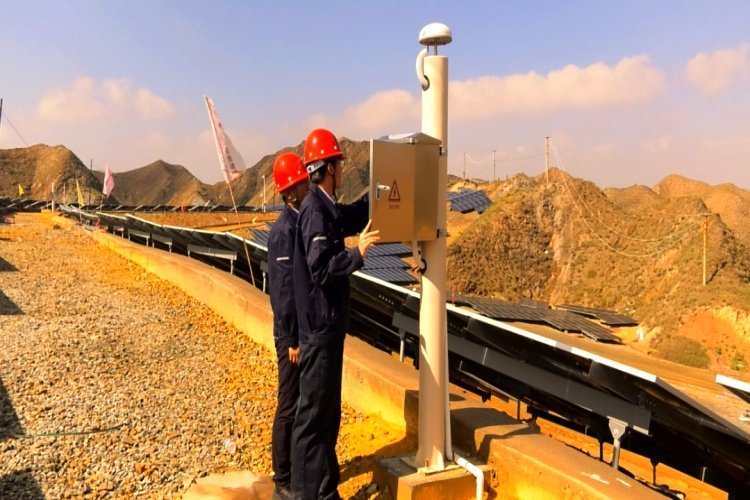
Modern TSF management is built on a foundation of risk-informed decision-making, which involves three layers of oversight.
The Cycle of Operation and Monitoring
- Continuous Deposition: Tailings are deposited according to a plan that ensures even distribution and proper beach formation.
- Active Water Management: The supernatant pond size is kept to a minimum to reduce pressure on the dam and minimize environmental risk.
- Constant Monitoring: A network of instruments measures key stability indicators in real-time:
- Piezometers: Measure water pressure within the dam and tailings.
- Inclinometers: Detect subtle movements or tilting of the embankment.
- Seepage Weirs: Measure the amount of water seeping through the dam.
- Scheduled Raises: Based on the monitoring data and the rate of filling, the dam is raised in controlled lifts, often once every year or two.
- Independent Reviews: The facility's performance is regularly audited by independent tailings review boards to ensure it is being operated safely and according to its design.
This rigorous cycle of operation ensures the TSF remains stable as it grows to its final design height over many years.
Ƙarshe
A tailings storage facility is a dynamic and essential part of modern mining, designed for the dual purpose of permanent waste containment and water recycling. Its operation is a long-term engineering commitment.