


When Should You Replace or Repair Your Geomembrane?

You see a tear in your geomembrane liner or notice the water level dropping. Now you face a critical choice: is this a simple fix, or the first sign of a total failure? Repair is best for small, isolated punctures (<15 cm) on a newer liner (<15 years old). Replacement is necessary for older liners […]
How Do You Choose the Right Thickness of Geomembrane?
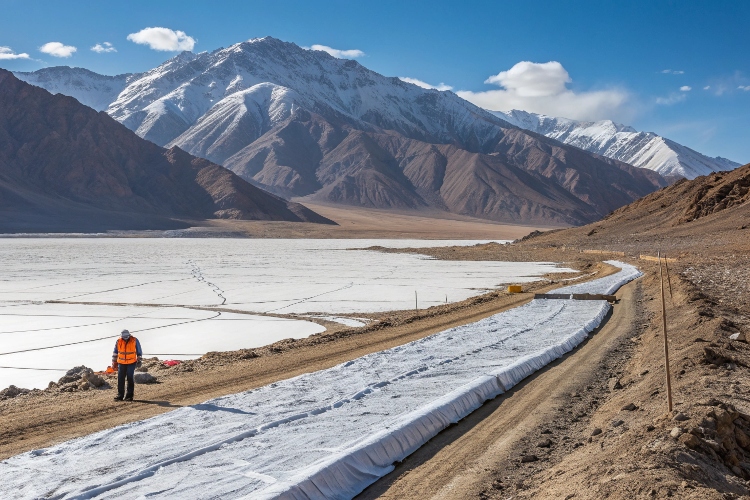
Choosing the wrong geomembrane thickness can doom your project. A liner that is too thin will puncture and leak, while one that’s too thick is a waste of money. Match the thickness to your project’s scale, risk, and lifespan. Use 0.5-1.0mm for small, simple projects like garden ponds, 1.0-1.5mm for medium projects like irrigation canals, […]
How to Choose and Install Geomembrane Liners for Fish Farming Ponds?
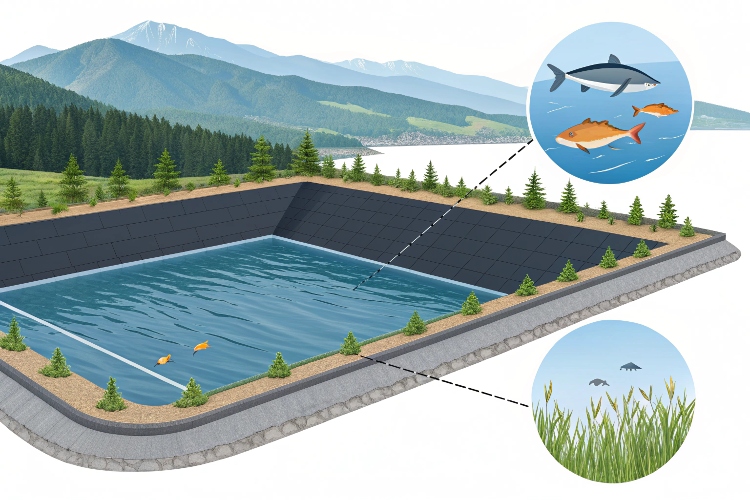
A leaking pond can ruin your aquaculture business. Poor liner choice leads to water loss, fish escape, and contamination, wiping out your profits and hard work. For most fish farms, choose a durable, fish-safe HDPE geomembrane liner, typically 0.75mm to 1.5mm thick. Ensure it’s installed over a protective geotextile underlayment and securely welded to prevent […]
How Can You Improve the Anti-Aging Performance of HDPE Geomembranes?
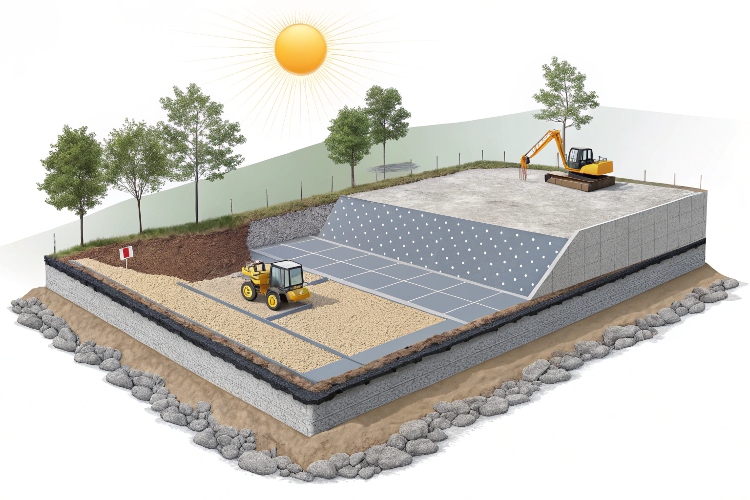
Your project’s success depends on a liner that lasts. But UV rays and heat can cause premature aging and failure, leading to costly repairs and environmental disasters. To improve anti-aging performance, start with a high-quality virgin HDPE resin, add a robust package of carbon black and antioxidants during manufacturing, and protect the installed liner with […]
How Does Geotextile Fabric Work?

Unstable soil and poor drainage can ruin a project. Without the right solution, your roads crack and your retaining walls fail. Geotextiles are the simple, effective answer. Geotextile fabric is a permeable textile used with soil to improve project performance. It works by performing key functions like separation, filtration, and reinforcement, ensuring the long-term stability […]
How Do You Accurately Calculate the Geomembrane Quantity for a Project?
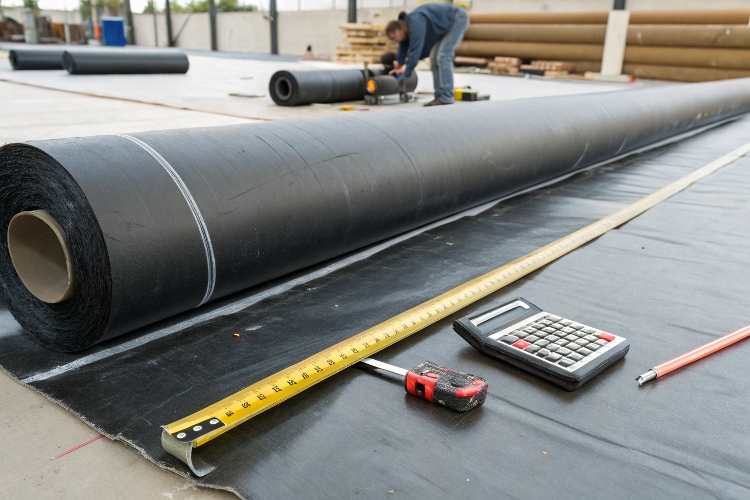
Under-ordering geomembrane causes costly project delays when you run out of material. Over-ordering wastes your budget on liner that will sit in storage. A systematic calculation is key. First, calculate the total surface area, including the base, sloped sides, and anchor trenches. Next, add allowances for welding overlaps (typically 10-15 cm per seam) and general […]
Step-by-Step Guide:HDPE Geomembrane Installation and Welding

A high-quality HDPE geomembrane is the heart of a modern containment system, but the material itself is only half the story. The most common cause of failure we see in the field isn’t a faulty product, but a flawed installation. A single bad weld can compromise the integrity of an entire project. This comprehensive guide […]
Geosynthetic Clay Liners (GCLs): Principles and Engineering Applications
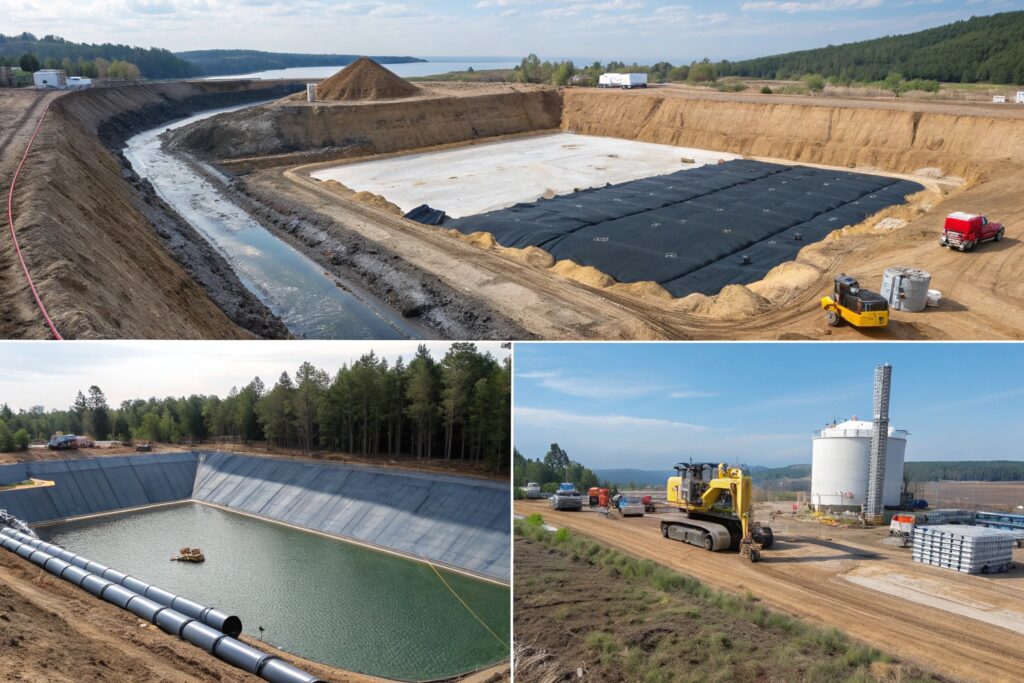
Building a reliable containment system with traditional compacted clay is slow, expensive, and notoriously difficult to control. Project delays and inconsistent field quality can compromise the integrity of your entire project. Geosynthetic Clay Liners (GCLs) offer a modern, factory-controlled solution that accelerates construction and ensures high performance. This guide provides a detailed overview of Geosynthetic […]
6 Key Factors Affecting the Service Life of Geotextiles
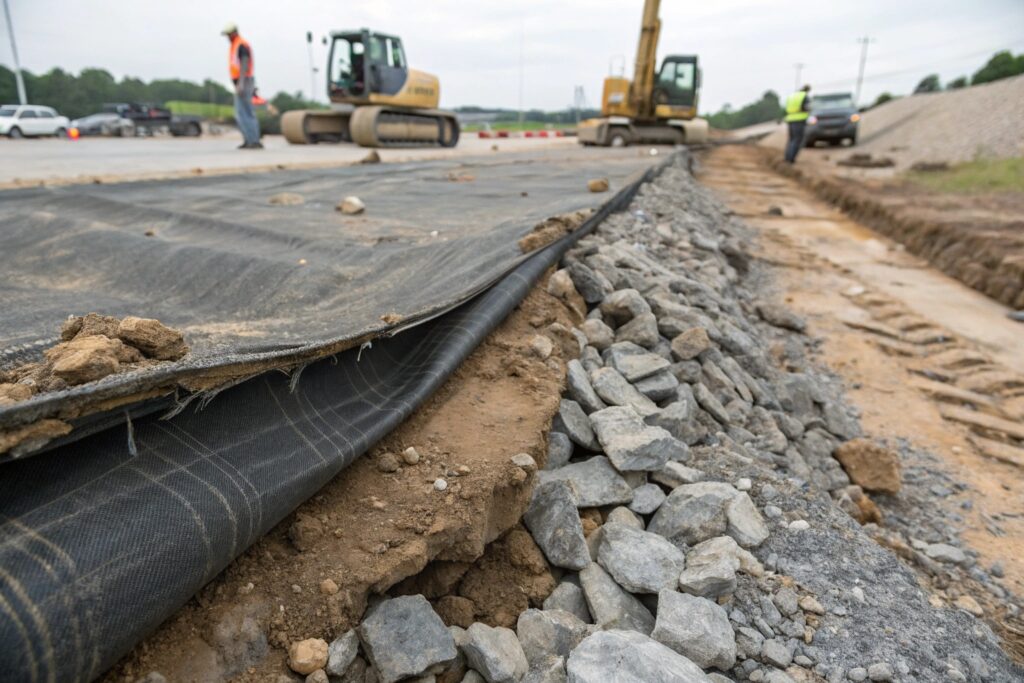
A specified geotextile can look perfect on paper but fail prematurely on site. This happens when hidden factors—from UV exposure to soil chemistry—are ignored, turning a long-term infrastructure investment into a short-term liability. Understanding what truly determines a geotextile’s lifespan is critical for project success. This guide provides a comprehensive breakdown of the key factors […]