


Applications and Key Considerations for 0.5 mm (20 mil) HDPE Geomembranes

Choosing the right geomembrane often comes down to thickness, but is thicker always better? While robust 1.5 mm or 2.0 mm liners are essential for high-risk applications, a 0.5 mm (20 mil) HDPE geomembrane can be a smart, cost-effective solution when used correctly. The key is understanding its specific strengths and, more importantly, its limitations. […]
What Information to Provide When Importing Geomembranes from China?
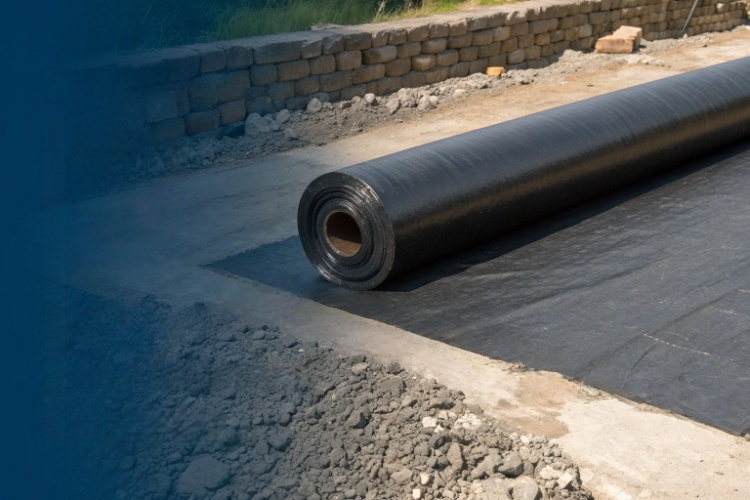
Importing industrial materials like geomembranes can feel complex, but it doesn’t have to be. The single biggest source of error, delay, and cost overruns is incomplete or ambiguous communication. Providing your supplier with clear, accurate, and detailed information from the very beginning is the key to getting the right product, at the right price, delivered […]
How to Choose the Right Geomembrane Manufacturer?

In any major containment project, the geomembrane is the most critical component. A failure is not just an inconvenience; it can be an environmental disaster and a financial catastrophe. This is why selecting the right geomembrane manufacturer is one of the most important decisions you will make—one that directly impacts project performance, safety, and longevity. […]
Construction Requirements of Geosynthetic Clay Liners (GCL)
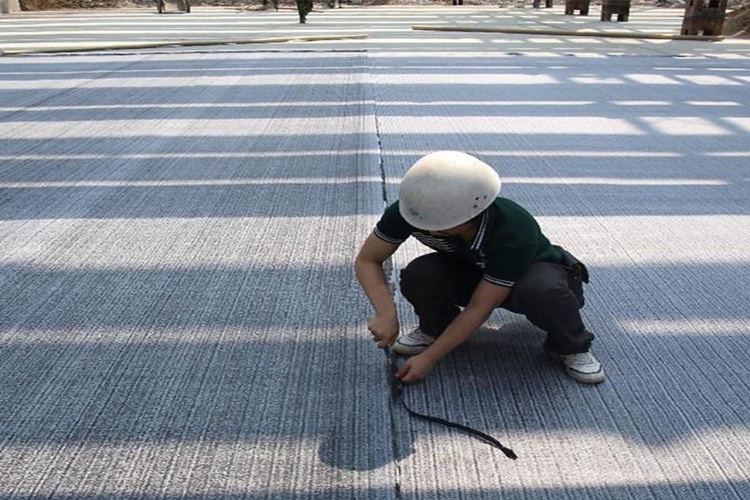
When a project requires a robust, self-healing hydraulic barrier, Geosynthetic Clay Liners (GCLs) present a state-of-the-art solution. But what gives this engineered composite its remarkable sealing power? The secret lies in a special type of natural clay, and not all clays are created equal. This technical guide uncovers the principles behind GCLs, starting with their […]
PVC Geomembrane Welding: A Process Guide and Comparison with HDPE/LLDPE Liners
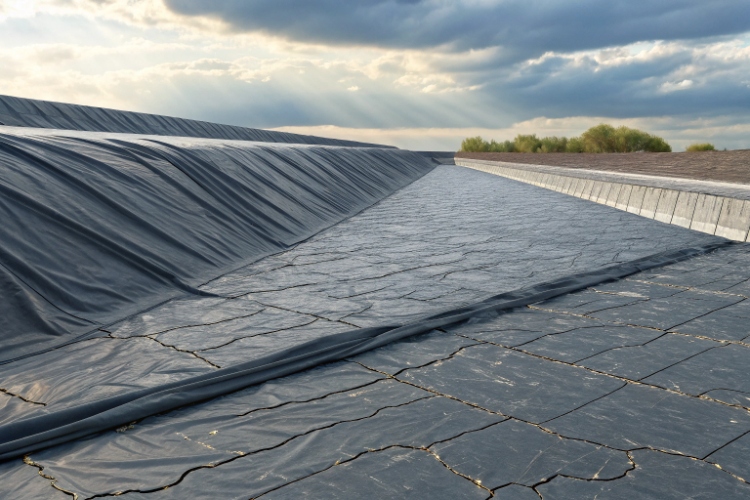
Choosing the right geomembrane is only half the battle; ensuring a perfect, leak-free installation is what guarantees project success. While HDPE liners are common, flexible PVC geomembranes present unique advantages and require a distinct welding approach that many engineers overlook. This guide provides a definitive overview of the PVC geomembrane welding process. We will cover […]
What Are the International Standards and Testing Methods for Geomembranes (ASTM, GRI, ISO)?
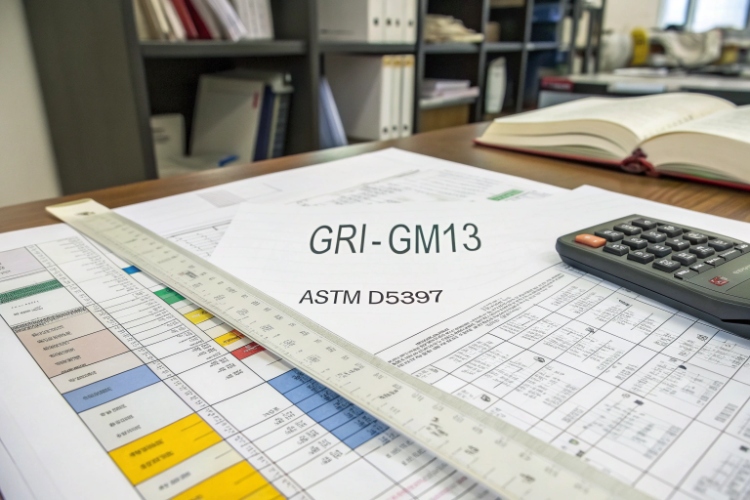
You’re reviewing a geomembrane spec sheet, but it’s filled with confusing acronyms like GRI-GM13 and ASTM D5397. Choosing the wrong material based on a misunderstanding could lead to catastrophic leaks, environmental damage, and costly project overruns. The most crucial standards are from the Geosynthetic Research Institute (GRI), especially GRI-GM13 for HDPE, and ASTM International. These […]
How Geocells Improve Road Stability and Reduce Maintenance Costs?

Building a road on soft, unstable ground is a nightmare. Trucks get stuck, the subgrade turns to mud, and the expensive aggregate you trucked in disappears into the soil. This leads to constant, costly repairs and a road that fails years ahead of schedule. Geocells stabilize roads by creating a 3D honeycomb structure that confines […]
What Are the Common Applications of Geotextile Fabric?
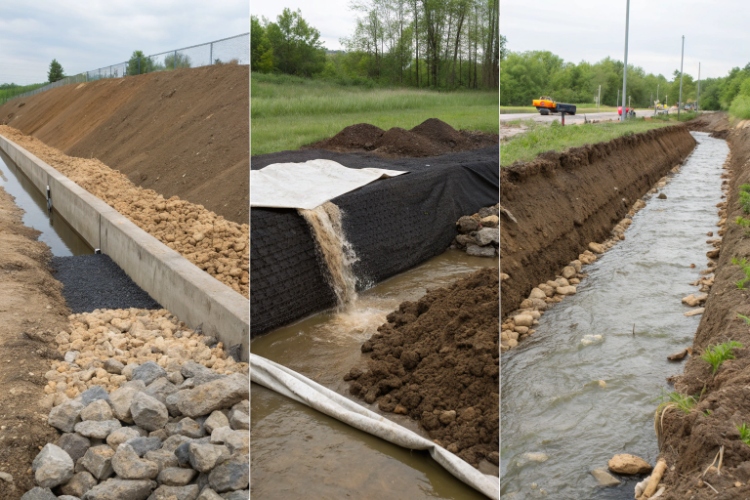
You’re looking at a set of blueprints and see "geotextile fabric" specified for a road, a drain, and a retaining wall. How can one material be used for so many different jobs? Using the wrong type could lead to project failure. Geotextile fabric is a foundational material in modern construction, most commonly used for road […]
What Is Heavy-Duty Geotextile Fabric and When Should It Be Used?
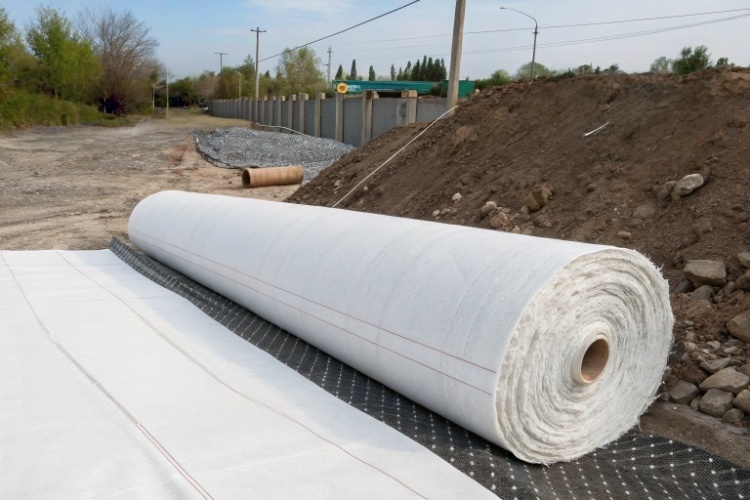
You’re building a haul road over soft, swampy ground. Using standard geotextile could be a costly mistake. If the fabric tears under the weight of heavy trucks, the road base will mix with the mud, and your new road will fail in months. Heavy-duty geotextile is a high-strength, high-weight fabric designed to withstand extreme loads […]