

يمكنك تحديد مادة تكسية أرضية للصرف، على أمل أن تسمح بمرور المياه مع الاحتفاظ بالتربة بداخلها. إذا فشلت، فسوف ينسد نظام الصرف الباهظ الثمن بالطين، مما يحول الأصول المهمة إلى أنبوب مدفون عديم الفائدة.
يعمل ترشيح التكسية الأرضية من خلال العمل كغربال ذو مسام ذات حجم دقيق. هذه المسام كبيرة بما يكفي للسماح بمرور الماء بحرية ولكنها صغيرة بما يكفي لمنع جزيئات التربة من الدخول وسد نظام الصرف، مما يضمن الأداء على المدى الطويل.
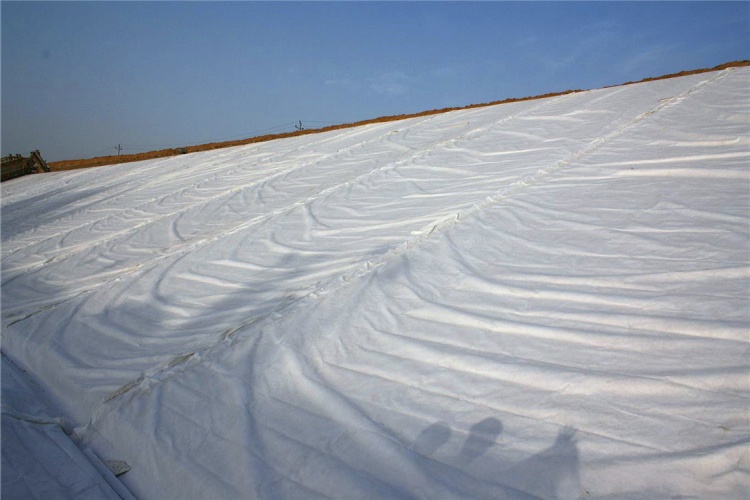
باعتباري موردًا للمواد التركيبية الأرضية، غالبًا ما أشرح أن النسيج الأرضي ليس مجرد نسيج بسيط؛ إنه مرشح هندسي. السحر في الميزان. إذا كانت المسام كبيرة جدًا، فسيتم غسل التربة من خلالها. إذا كانت صغيرة جدًا، فإن القماش نفسه ينسد ويتوقف تدفق الماء، مما يخلق مشكلة جديدة. إن فهم كيفية عمل هذا التوازن هو المفتاح لاختيار المنتج المناسب وضمان عمل نظام الصرف الصحي في مشروعك لعقود من الزمن، وليس فقط بضعة أشهر.
كيف تسمح مواد التكسية الأرضية بمرور الماء مع الاحتفاظ بجزيئات التربة؟
يبدو الأمر غير بديهي: نسيج ذو مظهر متين يمنع التربة ولكنه يسمح للمياه بالتدفق من خلالها. كيف يمكن التمييز بين حبة رمل صغيرة وجزيء ماء؟
تحقق المنسوجات الأرضية ذلك من خلال هيكل المسام المصمم هندسيًا. يحتوي القماش على شبكة من الفتحات المجهرية، يتم قياسها بحجم الفتح الظاهر (AOS أو O90). تم تصميم حجم المسام هذا ليكون أصغر من غالبية جزيئات التربة ولكنه أكبر بكثير من جزيئات الماء.

علم الغربلة
المبدأ الأساسي هو الغربلة الميكانيكية، تمامًا مثل المصفاة الموجودة في مطبخك والتي تسمح بتصريف الماء من المعكرونة. لكن في المنسوجات الأرضية، الأمر أكثر دقة بكثير. من خلال عملي مع أوراق البيانات الفنية، إليك ما يحتاج مديرو المشاريع إلى معرفته:
-
حجم الفتح الظاهر (AOS أو O90)
هذا هو الرقم الأكثر أهمية للترشيح. تمثل قيمة O90 قطر المسام حيث أن 90% من مسام القماش أصغر من هذا الحجم. على سبيل المثال، O90 الذي يبلغ 150 ميكرون (أو 0.15 مم) يعني أن الغالبية العظمى من المسام ستحجب أي جسيمات تربة أكبر من 0.15 مم. الهدف هو مطابقة قيمة O90 مع حجم حبيبات التربة المحددة في موقعك. -
النفاذية: سرعة تدفق المياه
بينما تسد المسام التربة، يجب أن تسمح بمرور الماء بسرعة. ويتم قياس ذلك عن طريق النفاذية. إحدى قواعد التصميم الرئيسية هي أن نفاذية النسيج الأرضي يجب أن تكون أكبر بعشر مرات على الأقل من نفاذية التربة المحيطة. وهذا يضمن أن النسيج الأرضي لن يصبح أبدًا عنق الزجاجة لتدفق المياه، مما يمنع ضغط الماء الخطير من التراكم خلف الجدار أو تحت الطريق.
معًا، يعمل حجم المسام المناسب والنفاذية العالية على إنشاء مرشح يفصل بشكل فعال المادة الصلبة عن السائل، مما يحمي نظام الصرف الخاص بك.
ما هو مبدأ عمل الترشيح المموه في أنظمة الصرف والفصل؟
لقد قمت بلف أنبوب الصرف في التكسية الأرضية. هل يعمل على الفور أم أن هناك عملية؟ فهم ما يحدث في التربة التالي للنسيج أمر بالغ الأهمية لتقدير استقراره على المدى الطويل.
يعمل النسيج الأرضي عن طريق إنشاء مرشح تربة طبيعي مستقر بجوار سطحه. مع تدفق المياه، يتم غسل أصغر جزيئات التربة من خلال النسيج، في حين يتم احتجاز الجزيئات الأكبر قليلاً، مما يشكل هيكلًا يشبه الجسر الذي يعمل على تثبيت كتلة التربة بأكملها.

بناء جسر مستقر
لا يعمل النسيج الأرضي كحاجز فحسب؛ فهو يساعد التربة بشكل فعال على استقرار نفسها. هذه عملية رائعة رأيتها مشروحة في العديد من التقارير الهندسية، وهي تحدث في بضع خطوات.
-
التنظيف الأولي: عندما يبدأ الماء بالتدفق لأول مرة بعد التثبيت، فإنه يحمل معه أدق جزيئات الطمي والطين. سوف تمر بالفعل كمية صغيرة يمكن التحكم فيها من هذه الجزيئات الصغيرة خلال التكسية الأرضية. وهذا أمر طبيعي ومتوقع.
-
تشكيل جسر التصفية: The slightly larger sand particles in the soil are carried toward the geotextile but are too big to pass through the pores. They begin to stack up against the fabric's surface, creating a "filter bridge."
-
منطقة التصفية الطبيعية المتدرجة: يعمل هذا الجسر الأولي من جزيئات التربة كمرشح ثانوي. ويبدأ في محاصرة الجزيئات الدقيقة خلفه. مع مرور الوقت، تتشكل منطقة تربة مستقرة ومتدرجة بشكل طبيعي بجوار النسيج الأرضي. هذه المنطقة شديدة النفاذية ولكنها سدت جميع مسارات تآكل التربة.
في هذه المرحلة، النظام مستقر. لقد قام النسيج الأرضي بعمله المتمثل في بدء نظام ترشيح طبيعي مستدام ذاتيًا ومقاوم للانسداد.
كيف يتم استخدام التكسية الأرضية كطبقة ترشيح في الصرف تحت السطح وهياكل الاحتفاظ؟
أنت تعرف النظرية، ولكن أين يمكنك استخدام هذا فعليًا في مشروع حقيقي؟ إن رؤية تطبيقه في الهياكل المشتركة يجعل المفهوم ينقر ويسلط الضوء على أهميته في البناء اليومي.
في المصارف تحت السطحية، يتم لف النسيج الأرضي حول الأنابيب المثقبة والحصى لمنع التربة من انسداد النظام. خلف الجدران الاستنادية، يتم وضعها على التربة الردمية للسماح للماء بالهروب مع تثبيت التربة في مكانها.
الهندسة العملية واليومية
أقوم بشحن المنسوجات الأرضية لهذه التطبيقات كل يوم. إنهم الأبطال غير المرئيين الذين يحافظون على عمل البنية التحتية الحيوية بشكل صحيح.
-
المصارف تحت السطحية والفرنسية
الصرف الفرنسي النموذجي عبارة عن خندق مملوء بالحصى وأنبوب مثقوب. بدون مرشح التكسية الأرضية، سوف يغسل الطين والطمي المحيط بالحصى أثناء هطول الأمطار الغزيرة الأولى، مما يملأ الفراغات ويحول الصرف الباهظ الثمن إلى خط مدفون من الصخور عديمة الفائدة. من خلال تبطين الخندق أو لف الحصى والأنابيب بمادة تكسية أرضية غير منسوجة، يمكنك إنشاء مرشح يضمن استمرار عمل الصرف لعقود من الزمن. -
الجدران الاستنادية
ضغط الماء هو العدو الأول للجدران الاستنادية. يمكن للمياه المحبوسة في التربة خلف الجدار أن تولد قوة كافية لدفع الجدار. يتم وضع مرشح التكسية الأرضية بين حصى تصريف الجدار وتربة الردم. وهذا يسمح للمياه الجوفية بالتسرب إلى المصرف والتدفق بعيدًا، مما يخفف الضغط. يعد النسيج الأرضي أمرًا بالغ الأهمية لأنه يمنع تربة الردم من الانجراف إلى مجموع الصرف الصحي وانسداده، مما يجعل نظام تخفيف الضغط بأكمله عديم الفائدة.
كيف يمكنني اختيار حجم المسام المناسب للنسيج الأرضي لتحقيق التوازن بين النفاذية واحتباس التربة؟
لديك تقرير عن التربة في يد وورقة بيانات التكسية الأرضية في اليد الأخرى. كيف يمكنك التوفيق بينهما؟ إن اختيار حجم مسام كبير جدًا (أو صغير جدًا) ولو بجزء من المليمتر يمكن أن يضر بتصميمك بالكامل.
حدد حجم مسام التكسية الأرضية (O90) بناءً على حجم جسيمات التربة التي تحتاج إلى الاحتفاظ بها. تتمثل القاعدة الهندسية الشائعة في اختيار O90 الذي يساوي تقريبًا D85 للتربة أو أصغر قليلاً منه.

مطابقة القماش للتربة: قاعدة D85
هذا هو المكان الذي ندخل فيه في الرياضيات البسيطة والعملية لاختيار التكسية الأرضية. إنه ليس تخمينا. إنها عملية حسابية تعتمد على خصائص تربتك. كمورد، غالبًا ما أقوم بإرشاد العملاء خلال هذا الأمر للتأكد من أنهم يطلبون المواصفات الصحيحة.
-
أولاً، افهم تربتك: كاميرا D85
A soil analysis will give you a particle size distribution curve. The D85 value is the particle size (in mm) for which 85% of the soil particles are smaller. For example, a D85 of 0.25 mm means 85% of your soil grains are smaller than 0.25 mm. This D85 value represents the larger particles that will form that critical "filter bridge" ضد التكسية الأرضية. -
ثانياً، تطبيق القاعدة الأساسية:
لضمان الاحتفاظ بتلك الجزيئات الأكبر حجمًا، أنت بحاجة إلى مادة تكسية أرضية ذات مسام صغيرة بما يكفي لإيقافها. القاعدة القياسية للترشيح هي:
التكسية الأرضية O90 ≥ التربة D85دعونا نستخدم مثالنا:
- إذا كانت تربتك D85 = 0.25 ملم
- يجب عليك تحديد نسيج أرضي بقيمة O90 تبلغ 0.25 مم أو أقل (على سبيل المثال، 0.21 مم، وهو ما يتوافق مع المنخل الأمريكي رقم 70).
يضمن هذا الفحص البسيط أن يكون للنسيج الأرضي الخاص بك التوازن الصحيح: المسام صغيرة بما يكفي للاحتفاظ ببنية التربة ولكنها لا تزال مفتوحة بما يكفي لتوفير نفاذية أكثر من كافية.
خاتمة
إن وظيفة الترشيح الخاصة بالتكسية الأرضية هي عبارة عن توازن هندسي لاحتجاز الجسيمات ونفاذية الماء. من خلال مطابقة حجم مسام القماش بشكل صحيح مع ظروف التربة في الموقع، فإنك تحمي أنظمة الصرف الصحي لديك من الانسداد وتضمن الاستقرار والسلامة على المدى الطويل لمشروع البناء الخاص بك.