

عندما تقوم ببناء البنية التحتية، فإنك تتوقع أن تستمر لعقود من الزمن. لكن تآكل التربة والأحمال الثقيلة والطقس القاسي يمكن أن يتسبب في فشل مبكر، مما يؤدي إلى إصلاحات مكلفة ومخاطر تتعلق بالسلامة. تقدم الخلايا الجغرافية حلاً قويًا، لكن نجاحها على المدى الطويل ليس مضمونًا.
يستكشف هذا الدليل العوامل الحاسمة التي تحدد عمر خدمة الخلايا الجغرافية. سنغطي كيف تلعب جودة المواد والتصميم الهندسي وممارسات التثبيت والظروف البيئية دورًا في ضمان أن مشروع تثبيت التربة الخاص بك يقدم أداءً متينًا ودائمًا لعقود قادمة.

1. Material Quality and Manufacturing Standards That Influence Durability
The service life of a geocell system begins with the quality of the raw material. At its core, a geocell is a polymer product, and its longevity is directly tied to the resin used in its manufacturing.
The most significant factor is the use of 100% virgin High-Density Polyethylene (HDPE) resin. Geocells made from virgin HDPE exhibit superior Environmental Stress Crack Resistance (ESCR), which is crucial for maintaining structural integrity under long-term load and environmental exposure. In contrast, products made with recycled materials can contain impurities that compromise weld strength and accelerate degradation. We've seen data showing recycled geocells losing 50% of their properties in half the time it takes for virgin HDPE to lose just 10%.
Key material properties we always verify are:
- UV Stabilization: For any application with potential sun exposure, the HDPE must contain 2.5% to 3.5% finely dispersed carbon black and specialized additives like Hindered Amine Light Stabilizers (HALS). This prevents the polymer chains from breaking down under UV radiation.
- Welding Strength: تعتبر اللحامات التي يتم فيها ربط جدران الخلايا نقاط ضعف محتملة. نحن نستخدم تقنيات اللحام المزدوج بالموجات فوق الصوتية التي تخلق رابطة جزيئية، مما يضمن أن يكون التماس أقوى من جدار الخلية نفسه. وهذا يمنع فشل الوصلة تحت الضغط الحراري أو الحمل.
2. كيف تؤثر التطبيقات الهندسية على طول عمر الخلية الجغرافية
يعتمد عمر خدمة الخلية الجغرافية أيضًا بشكل كبير على ما تطلب منها القيام به. تُخضع التطبيقات المختلفة الخلية الجغرافية لأنواع مختلفة من الضغط، لذلك يجب أن يتوافق تصميمها والمادة مع المهمة.
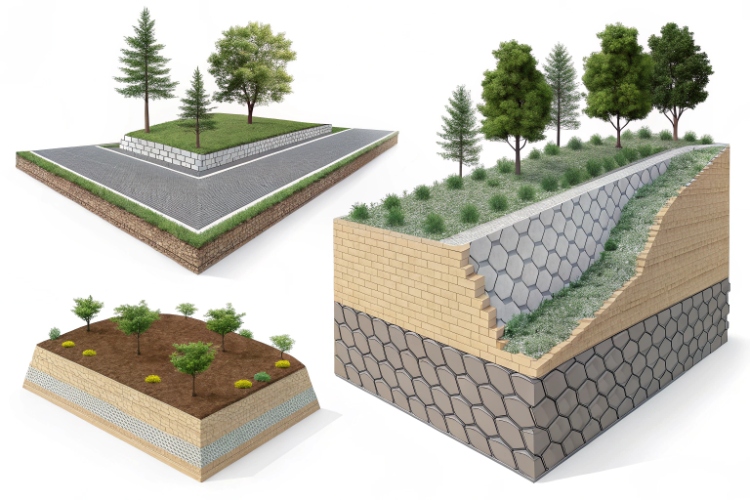
- قواعد الطريق: في هذا التطبيق، يتم دفن الخلية الجغرافية وحمايتها من الأشعة فوق البنفسجية، ولكنها تواجه الملايين من دورات التحميل المتكررة من حركة المرور. مفتاح طول العمر هنا مقاومة الزحف وقوة توصيل عالية للحفاظ على حصر الحشو الكلي، ومنع التآكل مع مرور الوقت.
- حماية المنحدر: وهنا، يتمثل الدور الأساسي للخلية الجغرافية في مقاومة التآكل الناتج عن هطول الأمطار والجاذبية. على الرغم من أن الأحمال قد تكون ثابتة، إلا أن الخلية الجغرافية غالبًا ما تكون أكثر عرضة للأشعة فوق البنفسجية والتدوير الحراري (التمدد والانكماش). تعتبر المادة عالية الاستقرار للأشعة فوق البنفسجية ضرورية لعمر خدمة طويل.
- الجدران الاستنادية: تتعرض الخلايا الجغرافية الموجودة في الجدران الاستنادية لضغط شد مستمر من الأرض المحتجزة. يعد أداء الزحف على المدى الطويل أمرًا بالغ الأهمية. إذا امتدت المادة أو تشوهت بمرور الوقت، فسيفقد الجدار سلامته الهيكلية.
- بطانات القناة: In channels, the geocell must withstand hydraulic shear forces from flowing water in addition to potential UV and chemical exposure. A robust design with secure anchoring is necessary to prevent uplift and ensure long-term stability.
3. Effect of Construction Quality on Long-Term Geocell Performance
You can have the best geocell material in the world, but if it's installed poorly, it will not perform as designed. We estimate that proper installation can extend the effective service life of a geocell system by 20–40%.
تحضير الطبقة السفلية
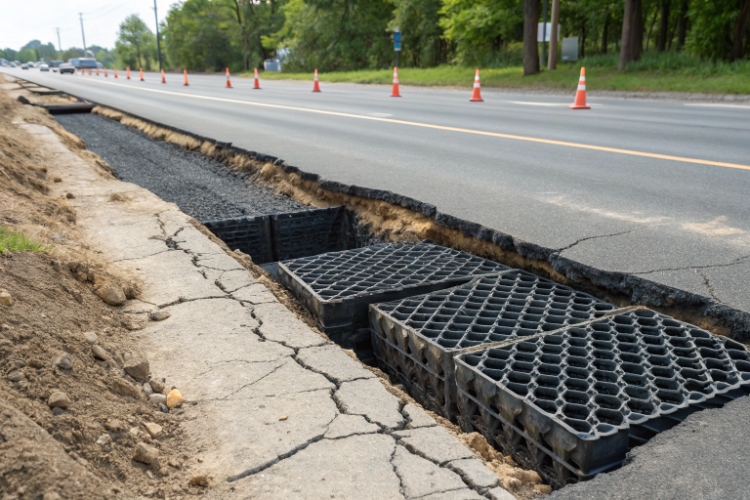
الأساس هو كل شيء. يجب أن تكون الطبقة الأساسية ناعمة ومتدرجة بشكل صحيح ومضغوطة بنسبة لا تقل عن 95% من كثافة بروكتور. يجب إزالة أي صخور حادة أو مواد عضوية أو بقع ناعمة. نوصي عادةً بوضع مادة تكسية أرضية غير منسوجة (300-500 جم/م²) كطبقة فاصلة بين الطبقة الأساسية والخلية الأرضية لمنع انتقال مادة الحشو.
اختيار الردم والضغط
تعمل مادة الحشو مع الخلية الجغرافية لإنشاء نظام مركب. يجب أن تكون التعبئة بالجودة المحددة (على سبيل المثال، الركام الحبيبي لدعم الحمل) ويجب ضغطها في طبقات داخل الخلايا. ويترك الضغط غير المكتمل فراغات، مما يؤدي إلى التسوية وفقدان الحبس، مما يؤدي إلى تقصير العمر الوظيفي للنظام بشكل كبير.
التماس النزاهة والرسو
يجب أن تكون ألواح الخلايا الجغرافية متصلة بشكل آمن، ويجب تثبيت النظام بأكمله بشكل صحيح، خاصة على المنحدرات. يمكن أن تؤدي التوصيلات الضعيفة أو التثبيت غير الكافي إلى تفكك الأقسام أو انزلاقها، مما يتسبب في فشل تدريجي للتثبيت بأكمله.
4. الظروف البيئية وظروف التحميل التي تؤثر على مدة الخدمة
يجب أن تكون الخلية الجغرافية قوية بما يكفي لتحمل التحديات البيئية المحددة لموقع المشروع طوال فترة تصميمها بالكامل.
ضوء الشمس هو عامل رئيسي. كما ذكرنا سابقًا، تعمل الأشعة فوق البنفسجية على تحلل البوليمرات. يجب أن تحتوي أي خلية جغرافية مكشوفة على حزمة تثبيت للأشعة فوق البنفسجية من الدرجة الأولى. التطبيقات المدفونة، مثل قواعد الطرق، محمية بشكل طبيعي وبالتالي يكون لها عمر مادي محتمل أطول بكثير.
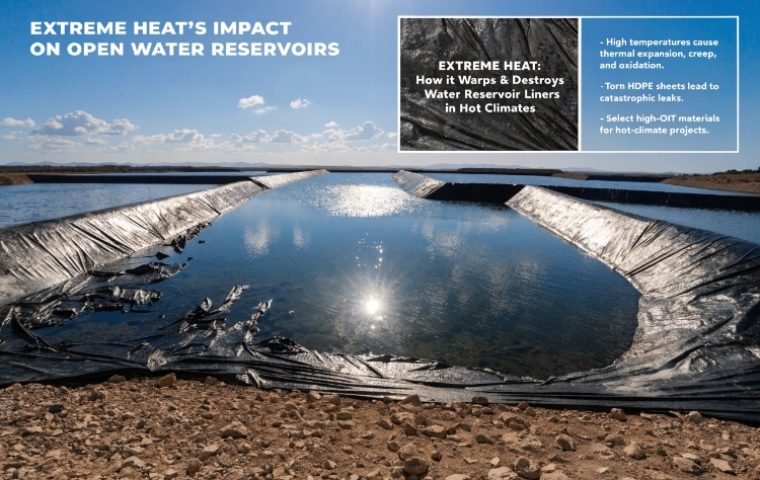
تلعب درجات الحرارة القصوى أيضًا دورًا كبيرًا. في الأجواء الباردة، دورات التجميد والذوبان يمكن أن تدمر مواد الطرق التقليدية. تتفوق الخلايا الجغرافية HDPE عالية الجودة هنا، وتظل مرنة في درجات حرارة منخفضة تصل إلى -45 درجة مئوية (-50 درجة فهرنهايت). وهذا يسمح لهم باستيعاب الحركة الأرضية دون التشقق. في المناخات الحارة، التمدد الحراري والانكماش يجب أن تؤخذ في الاعتبار في التصميم. يمكن للخلية الجيولوجية أن تتحرك بمقدار 25-50 ملم لكل 100 متر مع درجة حرارة تأرجح تبلغ 40 درجة مئوية، ويجب إدارة هذه الحركة لتجنب إجهاد اللحامات.
أخيراً، التعرض الكيميائي must be considered. Standard HDPE offers excellent resistance to most acids, bases, and salts (from pH 1.5 to 12+), making it ideal for most soil conditions. However, for sites with industrial contamination or specific chemicals, a material compatibility assessment is essential.

5. Selecting the Right Geocell Type for Different Site Conditions
Not all geocells are the same. The surface texture and structure of the cell wall are engineered for specific functions. Choosing the right type is key to maximizing performance and longevity.
| Geocell Type | Primary Benefit | Best For Applications Such As... |
|---|---|---|
| Smooth | Low friction with infill material. | المنحدرات والقنوات التي يكون فيها تدفق المياه سلسًا أمرًا مرغوبًا فيه. |
| محكم | زيادة الاحتكاك مع الحشو. | دعم الأحمال (قواعد الطرق) والمنحدرات الشديدة حيث يكون هناك حاجة إلى احتكاك معزز للجدار من التربة إلى الخلية لتثبيت الردم. |
| مثقب | يسمح بالتصريف الجانبي وقفل الجذر. | المنحدرات النباتية، والجدران الاستنادية، وأي تطبيق يتطلب تصريف المياه الأفقي من خلال الخلايا. |
| عززت | شرائط عالية المتانة مدمجة لقوة شد فائقة. | المنحدرات شديدة الانحدار، والجدران الاستنادية، ودعم الأحمال الثقيلة حيث تكون مقاومة الزحف على المدى الطويل أمرًا بالغ الأهمية. |
بالنسبة لمعظم مشاريع تثبيت التربة القياسية، توفر الخلية الجغرافية المزخرفة والمثقبة أفضل مزيج من حبس الحشو والصرف والمرونة.
6. توقعات عمر الخدمة النموذجية ومعايير الاختبار
With high-quality material and proper installation, what kind of service life can you expect? For buried applications like road bases, an HDPE geocell system is designed to last 50 to 75 years, and potentially longer. In fact, installations by the U.S. Army Corps of Engineers from the early 1990s are still performing perfectly after more than 30 years.
To ensure this longevity, products must be rigorously tested against established industry standards. As a supplier, we ensure our geocells meet or exceed protocols from:
- ASTM International: Provides standards for testing material properties like tensile strength, carbon black content, and ESCR.
- ISO (International Organization for Standardization): Sets global benchmarks for quality management systems in manufacturing.
- GRI (Geosynthetics Research Institute): Establishes specific test methods and standard specifications for geosynthetic products, including geocells.
Adherence to these standards is your assurance that the material's properties have been independently verified.
7. Design and Maintenance Practices to Maximize Geocell Longevity
Achieving a multi-decade service life requires a holistic approach that combines smart design with proactive maintenance.
First, the design must be optimized for the site conditions. This means selecting the right geocell type and cell depth, planning for thermal expansion, and designing a robust anchoring system. Don't over-specify, but never under-specify for critical, long-term infrastructure.
Second, quality must be enforced during installation. This is the most critical phase for ensuring long-term performance. A well-documented quality assurance plan that covers subgrade approval, material handling, and compaction testing is non-negotiable.
Finally, while geocell systems are often considered "maintenance-free," a preventive maintenance plan can significantly extend their life. This includes ensuring drainage systems remain clear to prevent waterlogging, promptly repairing any localized mechanical damage, and periodically inspecting exposed areas for any signs of wear or distress.
خاتمة
The service life of a geocell is not a single number but a result of interconnected factors: the quality of the polymer, the demands of the application, the precision of the installation, and the harshness of the environment. By making informed choices at every stage—from material specification to construction and maintenance—you can ensure your geocell system provides reliable soil stabilization for a half-century or more.