

شبكة جغرافية ثنائية المحور — الشركة المصنعة، المواصفات & حلول تقوية الأرض
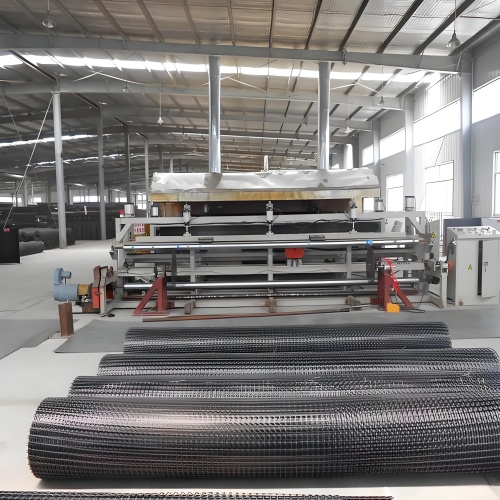
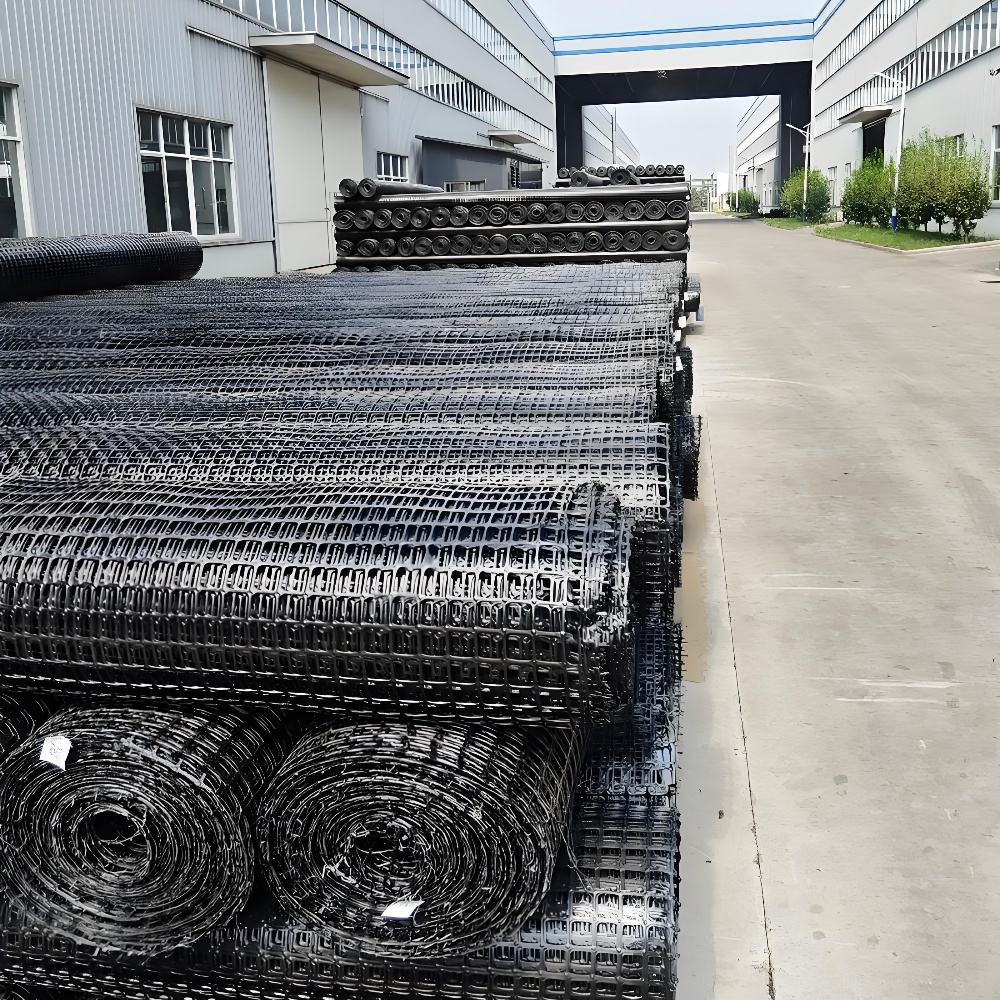
تم تصميم الشبكات الجغرافية ثنائية المحور لتثبيت التربة وتعزيز القاعدة، وتوفر قوة شد متوازنة في كلا الاتجاهين - وهي مثالية للطرق السريعة ومواقف السيارات والسدود. جودة موثوقة، يتم تسليمها من مصنعنا.
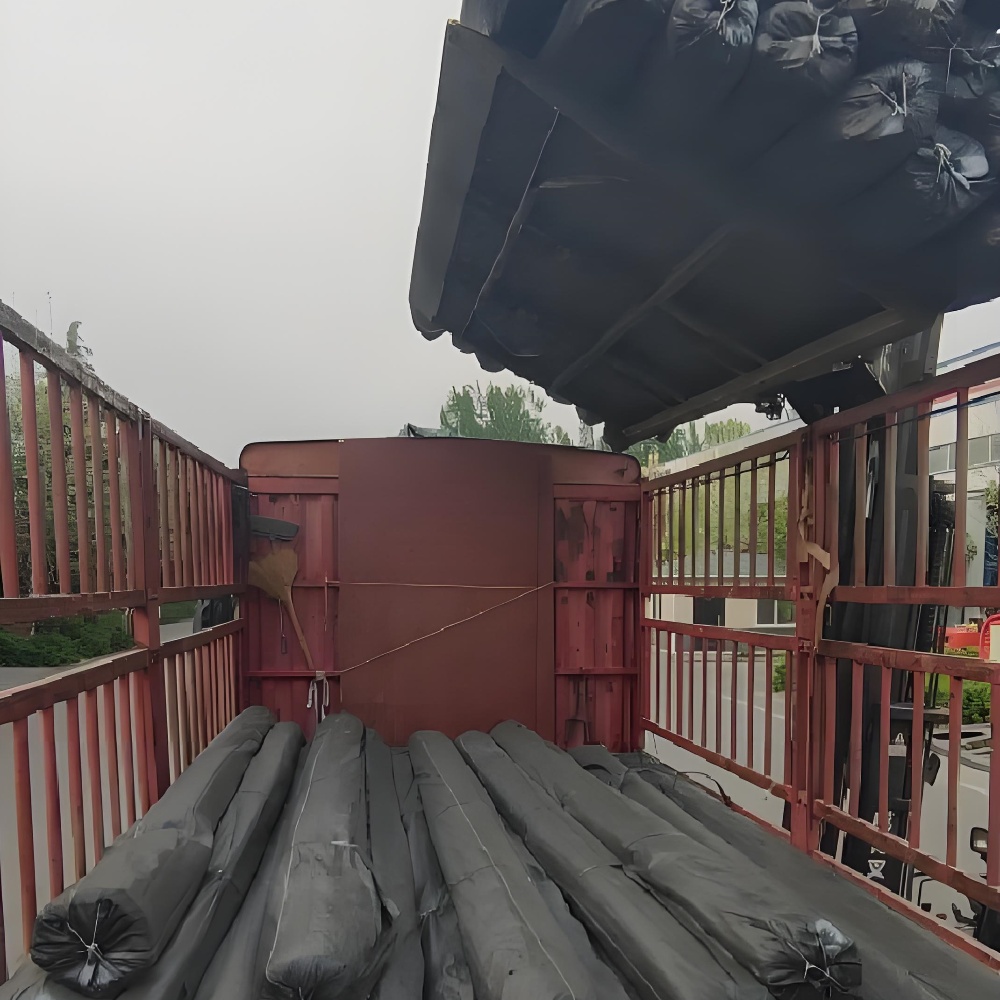
تصدير العالمية
المصنع مباشرة
جودة معتمدة
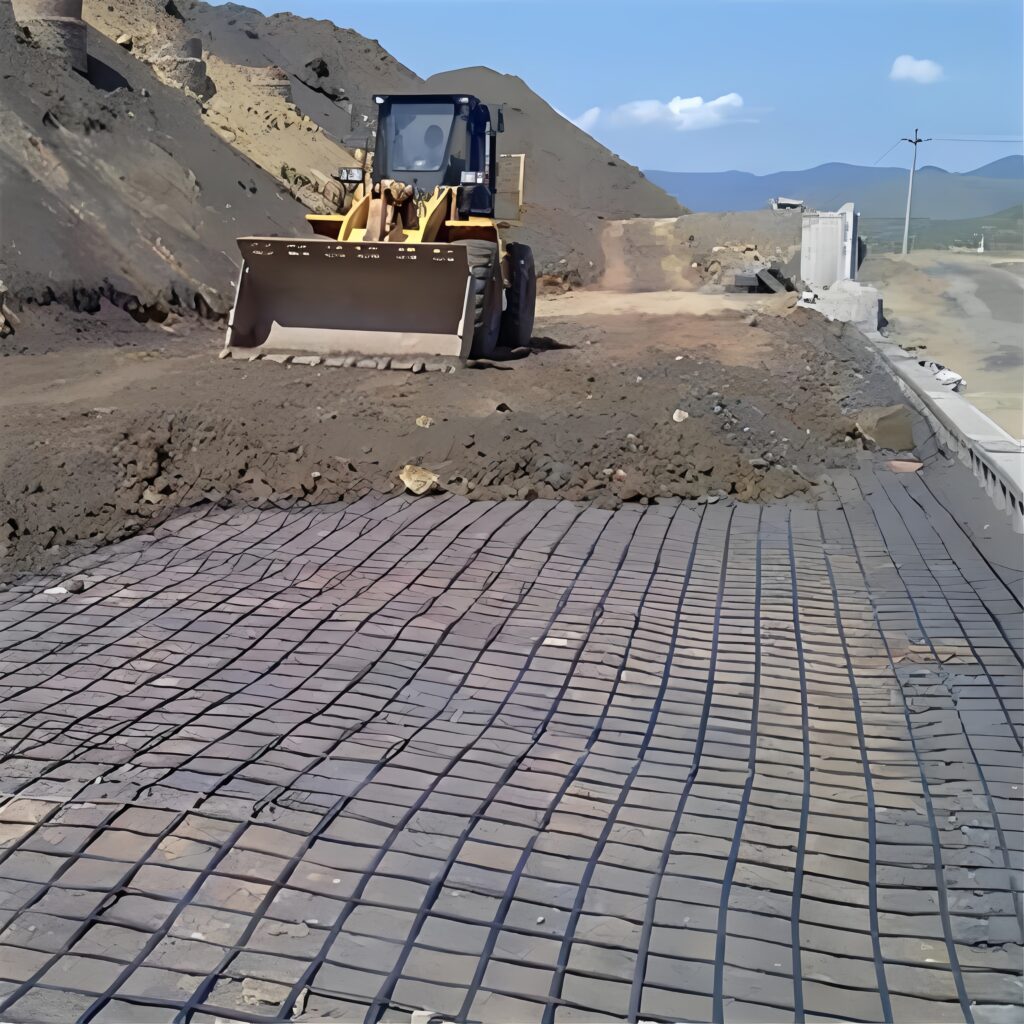
الخصائص الخاصة ل شبكة جغرافية ثنائية المحور
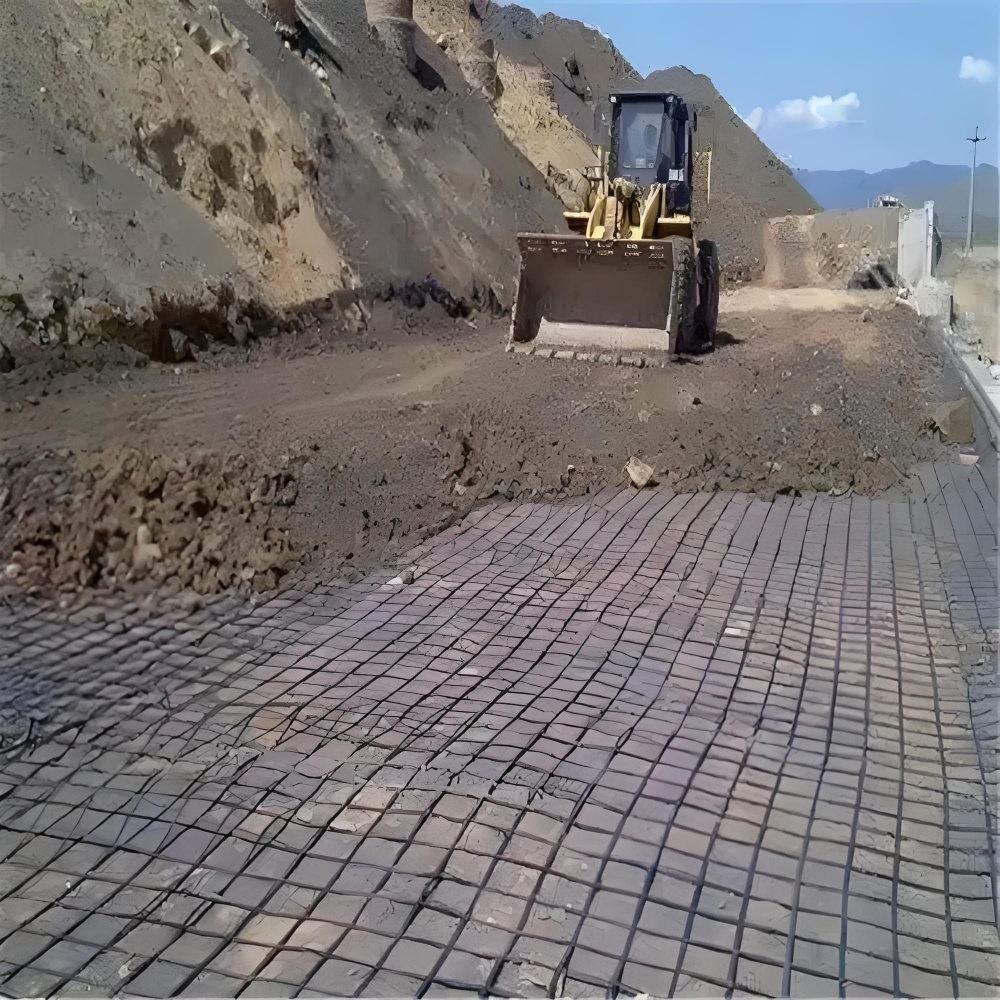
يوفر التصميم ثنائي المحور تعزيزًا متوازنًا على طول كل من المحاور الطولية والعرضية، مما يؤدي إلى توزيع الأحمال بشكل فعال وتحسين قدرة تحمل الطبقة السفلية.
يشكل الهيكل المتشابك للشبكة نظامًا مستقرًا لنقل الأحمال داخل التربة، مما يمنع الانتشار الجانبي وتشوه قواعد الطرق أو السدود.
With the addition of carbon black and anti-aging stabilizers, the material resists acids, alkalis, corrosion, and long-term UV degradation.
Even under sustained load, the geogrid maintains its geometry, ensuring long-term performance in permanent foundations and pavements.
Suitable for reinforcing roads, railways, airports, docks, retaining walls, slopes, and mining sites, providing lasting structural stability.
Get to Know شبكة جغرافية ثنائية المحور
A biaxial geogrid is a polymer reinforcement mesh made from polypropylene (PP) or high-density polyethylene (HDPE) that is stretched in both longitudinal and transverse directions.
يعمل هيكل الشد ثنائي الاتجاه هذا على تحسين قوة التربة، وتوزيع الأحمال بالتساوي، وتثبيت الطبقات السفلية في الطرق والسكك الحديدية والسدود.
الغرض الرئيسي من الشبكة الجغرافية ثنائية المحور هو تعزيز واستقرار الأرض.
إنه يزيد من قدرة تحمل التربة، ويمنع التخدد والتشوه، ويطيل عمر خدمة الأرصفة والجسور وأماكن وقوف السيارات عن طريق إنشاء تشابك قوي بين الشبكة وجزيئات التربة.
يتم تصنيف الشبكات الجغرافية ذات المحورين بشكل أساسي حسب تكوين المواد وعملية التصنيع.
النوع الأكثر شيوعًا هو شبكة جغرافية بلاستيكية ذات محورين، مصنوع من مادة البولي بروبيلين (PP) أو البولي إيثيلين عالي الكثافة (HDPE) من خلال عملية التمدد في اتجاهين.
Other geogrid materials — such as steel-plastic, fiberglass, or polyester composite geogrids — can also be manufactured in bidirectional forms, but they belong to different categories due to their distinct reinforcement mechanisms and material structures.
In practical use:
Plastic biaxial geogrid → for roads, foundations, and embankments.
Steel-plastic geogrid → for high-load retaining structures.
Fiberglass or polyester geogrid → for asphalt reinforcement and pavement stabilization.
Triaxial geogrid → advanced type with three-directional load distribution.
أ uniaxial geogrid provides strength mainly in one direction (longitudinal), making it ideal for retaining walls and slopes.
أ biaxial geogrid offers equal strength in both longitudinal and transverse directions, distributing stress more evenly — best for roads, foundations, and large-area soil stabilization.
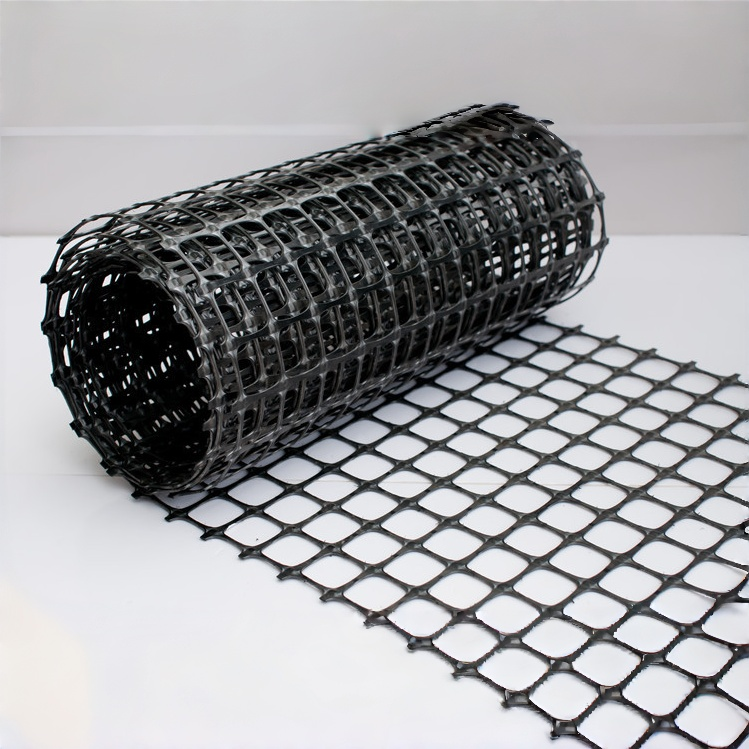
Upgraded Versions:Triaxial & Multiaxial Geogrid
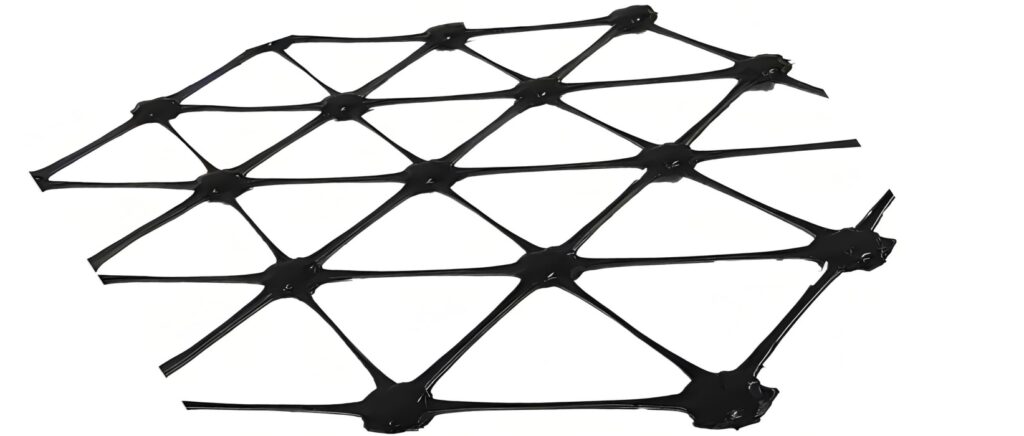
شبكة جغرافية ثنائية المحور
Triaxial geogrid is an upgraded version of the traditional biaxial type, featuring a triangular (three-directional) structure instead of square apertures.
This design distributes loads more evenly in multiple directions, improving shear resistance and stability under complex stress conditions.
It is widely used for highways, airports, container yards, and heavy-duty platforms where traffic loading comes from various angles.
Key Benefits:
Three-direction tensile reinforcement for multi-axial stability
صلابة أعلى وتشابك أفضل مع الركام
مقاومة ممتازة للتشوه والتخدد
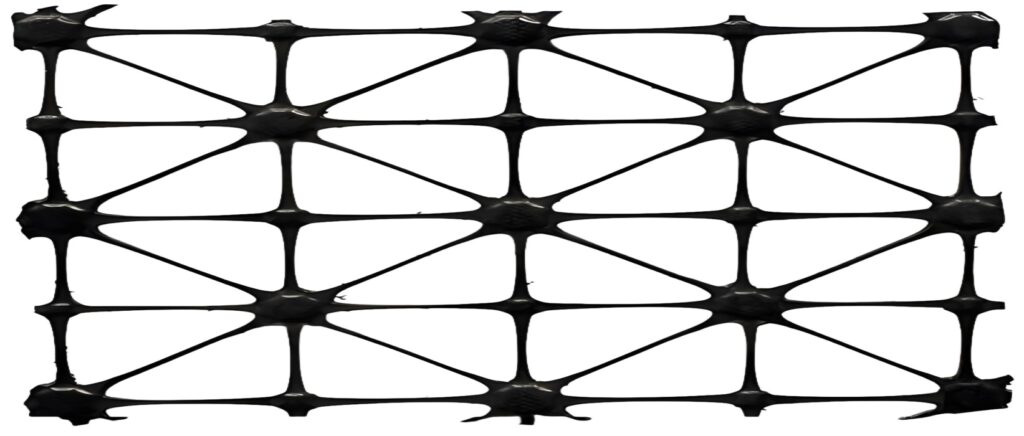
شبكة جغرافية متعددة المحاور
تعمل الشبكة الجغرافية متعددة المحاور على توسيع المفهوم بشكل أكبر باستخدام أربعة أو أكثر من اتجاهات الشد لتحقيق أداء موحد في أي اتجاه التحميل.
فهو يجمع بين مرونة مواد البوليمر ونمط شبكي متعدد الاتجاهات، مما يجعله مناسبًا الطبقات التحتية الضعيفة، والأرصفة ذات الحركة المرورية العالية، والهياكل الجيوتقنية تتطلب مراقبة التسوية على المدى الطويل.
Key Benefits:
هيكل الشد متعدد الاتجاهات لتحقيق الاستقرار النهائي
تحسين انتشار الإجهاد في التربة الناعمة أو غير المستقرة
تعزيز قدرة التحمل وتقليل تشوه السطح
أحادي المحور مقابل ثنائي المحور مقابل ثلاثي المحاور (متعدد المحاور) Geogrid: الاختلافات الرئيسية والتطبيقات الهندسية
Uniaxial, biaxial and triaxial geogrids are polymer reinforcement meshes used to enhance soil stability and bearing capacity. They differ mainly in اتجاه الشد, توزيع الحمل و صلابة الهيكلية. Use the comparison below to choose the right type for your project.
| جانب المقارنة | شبكة جغرافية أحادية المحور | شبكة جغرافية ثنائية المحور | شبكة جغرافية ثلاثية المحاور / متعددة المحاور |
|---|---|---|---|
| المواد والهيكل | صفائح البوليمر المبثوقة (PP/HDPE). امتدت في اتجاه واحد; الفتحات مستطيلة عادة. | صفائح البوليمر المبثوقة (PP/HDPE). امتدت طوليا وعرضيا; الفتحات مربعة/مستطيلة. | شبكة متقدمة مع هندسة ثلاثية أو متعددة الاتجاهات; التوجه الجزيئي متعدد المحاور للسلوك الموحد. |
| اتجاه الشد والتصلب | اتجاه واحد قوة الشد والصلابة العالية على طول اتجاه الآلة. | اتجاهين قوة الشد المتوازنة. صلابة جيدة داخل الطائرة للمساحات الكبيرة. | ثلاثة اتجاهات أو أكثر; أعلى صلابة الخواص وحصر الركام. |
| قوة الشد النموذجية (كيلو نيوتن / م) | 30-200 (حسب الدرجة؛ قيم عالية للجدران/المنحدرات). | 15-60 (الدرجات الشائعة مثل 15/15 إلى 50/50). | 30-80 (يختلف حسب التصميم والشركة المصنعة). |
| توزيع الأحمال والتحكم في الأخاديد | مقاومة ممتازة للحركة الخارجية للداخل اتجاه واحد; مثالية للهياكل الأرضية المسلحة. | يوزع الأحمال المرورية بالتساوي في محورين; يقلل من التسوية التفاضلية والشقد. | الأفضل ل حركة مرور متعددة الاتجاهات; مقاومة القص الفائقة والتحكم في التشوه. |
| زحف / أداء طويل الأمد | جيد جدًا على طول المحور الأساسي؛ مستقرة للهياكل الاحتفاظ على المدى الطويل. | استقرار جيد ثنائي الاتجاه تحت التحميل المتكرر؛ زحف منخفض في سلالة الخدمة. | أعلى مقاومة للتشوه تحت مسارات الإجهاد المعقدة؛ مصممة للأرصفة الثقيلة وطويلة العمر. |
| المقاومة الكيميائية والطقس | مقاومة ممتازة للأحماض/القلويات والعوامل الجوية (مع مثبتات أسود الكربون/الأشعة فوق البنفسجية). | ممتاز؛ قابلة للمقارنة مع أحادي المحور. مناسبة لمجموعة واسعة من التربة. | ممتاز؛ غالبًا ما يتم تحديدها عندما تتطلب البيئات القاسية وعمر التصميم الطويل. |
| التثبيت والتكلفة | تركيب بسيط؛ الأكثر فعالية من حيث التكلفة عندما تكون هناك حاجة إلى التعزيز بشكل رئيسي في اتجاه واحد. | سهولة التركيب على مساحات واسعة؛ تكلفة معتدلة وسرعة البناء السريعة. | ارتفاع تكلفة المواد ومراقبة المواصفات؛ مبررة من قبل مكاسب الأداء في المشاريع الصعبة. |
| التطبيقات الهندسية النموذجية |
|
|
|
| Recommended Use | Use when the design requires high reinforcement in a single direction and maximum wall/slope stability. | Choose for large-area subgrade where two-axis load sharing and settlement control are critical. | Specify for complex loading, turning traffic, and projects demanding the highest multi-axial stability. |
In summary: Uniaxial geogrid delivers strong reinforcement in one direction for walls and steep slopes; Biaxial geogrid balances strength in two directions for roads and large-area foundations; Triaxial/Multiaxial geogrid provides the best multi-directional load distribution for airports, container yards and other heavy-duty pavements.
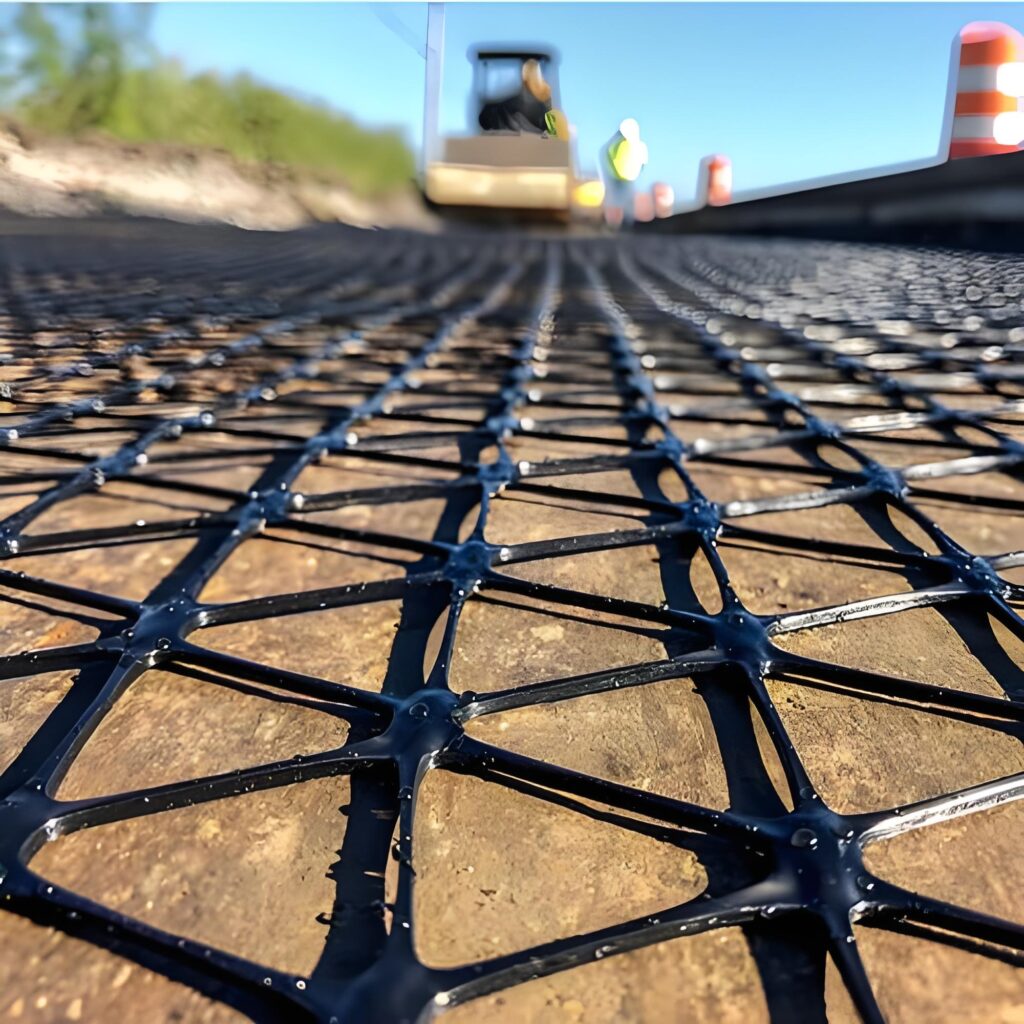
شبكة جغرافية ثنائية المحور Installation&Quality Control (CQA)
Laying Methods
تحضير السطح:
Ensure the foundation surface is level, well-compacted, and free from sharp debris or standing water that could damage the geogrid. Verify the design elevation and alignment before installation to maintain surface uniformity and contact between soil and geogrid. A stable, firm base helps achieve uniform load transfer across both directions.
Unrolling & Orientation:
Biaxial geogrids are delivered in rolls and can be unrolled manually or by light machinery along the prepared surface.
Unlike uniaxial types, biaxial geogrids can be laid in any direction, as they have equal tensile strength in both longitudinal and transverse axes. Ensure the sheets are straight, flat, and free from folds or tension waves during placement.
Overlap Width:
For effective interlocking and load transfer, overlap adjacent sheets by 200–400 mm on both sides.
In areas with weak subgrades or heavy traffic loads, an overlap of up to 500 mm is recommended.
Secure overlaps with U-shaped pins, plastic ties, or staples at intervals of 1.0–1.5 m to prevent shifting during filling and compaction.
Backfilling & الضغط:
Spread the fill material gently over the geogrid from one end to the other, avoiding direct dumping from trucks to prevent displacement or damage.
Compact the fill in thin layers of 150–200 mm, using lightweight rollers or plate compactors. Proper compaction ensures full interlock between the aggregate and geogrid ribs, improving reinforcement performance and reducing settlement.
Anchorage at Edges:
At the edges or terminations, anchor the geogrid securely using pegs, sandbags, or mechanical fasteners before placing the next layer of fill. Ensure all corners and boundaries maintain firm contact with the subgrade to avoid curling or movement.
CQA Recommendations
Confirm that the tensile strength and aperture dimensions comply with the design specifications (e.g., GB/T 17689 or ASTM D6637).
Inspect each roll before use for tears, cuts, or chemical contamination.
Verify overlap width, anchorage spacing, and installation direction are consistent across the site.
Record batch numbers, installation area, date, and weather conditions for each section in the CQA log.
Ensure backfill material meets grading and compaction requirements to maintain interlock efficiency.
Avoid any construction vehicle movement on uncovered geogrid sections.
Why Choose WP Specialist?
Over the years, WP Specialist has established itself as one of China’s reliable Biaxial geogrid manufacturers and trusted suppliers of geosynthetic reinforcement materials for global infrastructure projects.
We specialize in producing high-performance PP and HDPE uniaxial geogrids designed to improve soil stability, load-bearing capacity, and long-term performance in retaining walls, slopes, embankments, and road foundations.
Our geogrids deliver exceptional tensile strength, creep resistance, and durability - مدعومة بإمدادات المصنع مباشرة، والتوجيه الفني المهني، ومراقبة الجودة الصارمة.
- عينات مجانية من Geogrid ثنائية المحور
- دعم المشروع الخبراء
- ضمان جودة موثوق
- أكثر من 10 سنوات من الخبرة في التصنيع
- توريد المصنع مباشرة
جاهز لتحديد Geogrid?
- أكثر من 15 عامًا من الخبرة المباشرة في المصنع
- حلول مخصصة لتلبية احتياجاتك
- الشحن العالمي & الدعم اللوجستي
- اقتباس شفاف ، لا يوجد تبديل
- السرية مضمونة بنسبة 100%
سيتم الاحتفاظ بمعلومات بريدك الإلكتروني في سرية تامة وسيضمن موظفو الأعمال لدينا أن معلوماتك الخاصة آمنة تمامًا!
اتصال
- info@waterprackspecialist.com
الرد في غضون 12 ساعة!
يرجى الانتباه إلى البريد الإلكتروني مع اللاحقة "@waterprackspecialist.com".