

Die keuse van die regte geosel kan verwarrend wees as dit met verskillende tegniese spesifikasies gekonfronteer word. Om die verkeerde keuse te maak, kan lei tot 'n swak fondament, projekmislukking en vermorsde geld.
Die sweisafstand bepaal direk die geosel se selgrootte. ’n Korter afstand skep kleiner, stywer selle wat grond meer effektief inperk. Dit verhoog die struktuur se algehele styfheid en verbeter dramaties hoe dit vragte oor die grond versprei, wat die stelsel se werkverrigting en stabiliteit verhoog.
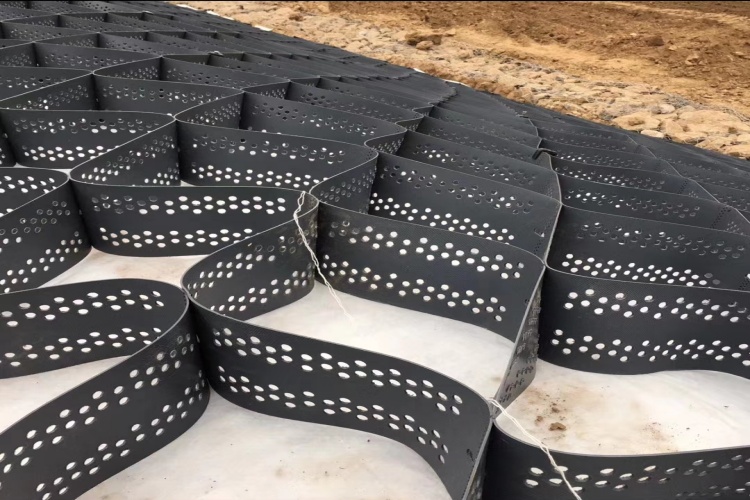
Dus, die geheim van 'n geosel se krag lê in hoe styf dit die grond bymekaar hou. Hierdie enkele spesifikasie is een van die mees kritieke faktore in die ontwerp van 'n stabiele en langdurige fondament. Maar hoe werk dit werklik in die praktyk, en hoe kan jy hierdie kennis gebruik om die regte produk te spesifiseer en selfs geld op jou volgende projek te bespaar? Kom ons breek dit af op grond van my ervaring met die uitvoer van hierdie materiale wêreldwyd.
Hoe beïnvloed sweisafstand die interne selgeometrie en algehele strukturele rigiditeit van 'n geoselpaneel?
You've probably seen specs like "330 mm vs. 660 mm welding distance" op 'n datablad. Dit is meer as net 'n nommer; dit dikteer direk die finale sterkte van die geoselpaneel.
’n Kleiner sweisafstand skep kleiner maar dieper selle wanneer die paneel uitgebou word. Dit verhoog die aantal selle per vierkante meter. Die resultaat is 'n digter, meer onderling verbind struktuur wat optree soos 'n semi-rigiede plaat, wat sy algehele styfheid aansienlik verbeter.
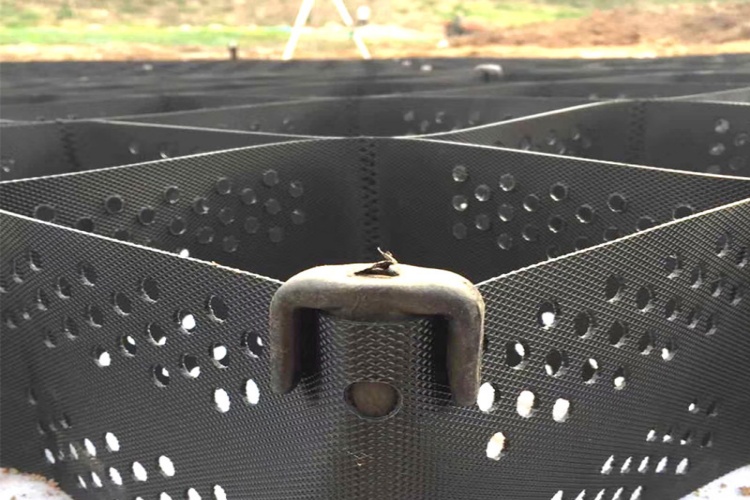
Die sweisafstand is die fundamentele meetkundige faktor wat geosel prestasie beheer. Dit definieer die grootte van die selopening sodra die paneel op die perseel uitgerek is. Kleiner sweisspasiëring beteken jy kry kleiner individuele selle, maar meer van hulle in dieselfde area. Dit skep 'n baie digter en meer robuuste struktuur. Uit my werk met ingenieurskontrakteurs het ek gesien hoe hierdie oënskynlik klein detail 'n groot verskil maak. Die geoselstelsel verander van 'n versameling individuele plastiekstroke in 'n enkele, samehangende mat. Hierdie onderlinge verband is wat die kragtige strukturele rigiditeit verskaf wat nodig is om swaar vragte te ondersteun.
Hier is 'n vinnige verwysingstabel wat ek gereeld met kliënte deel om hierdie verhouding te verduidelik:
| Sweisafstand | Uitgebreide selwydte (ongeveer) | Seldigtheid (per m²) | Beperkingssterkte |
|---|---|---|---|
| 330 mm | 250 mm | ~35 | Baie hoog |
| 356 mm | 260 mm | ~31 | Hoog (standaard) |
| 445 mm | 320 mm | ~22 | Medium |
| 660 mm | 470 mm | ~12 | Laag |
Watter verband bestaan tussen sweisafstand en 'n geosel se vermoë om grond te beperk en vervorming onder las te weerstaan?
Jou grondbasis hou aan om te faal onder vrag, wat spore en ongelyke oppervlaktes veroorsaak. Jy weet geoselle kan help, maar jy moet verstaan hoe om hul effek te maksimeer om jou grond in plek te sluit.
Die verhouding is direk: kleiner sweisafstande bied sterker laterale inperking. Wanneer 'n vrag afdruk, verhoed die kleiner selle fisies dat die grond sywaarts uitbult. Hierdie kragtige weerstand teen vervorming is die kernmeganisme wat geoselle toelaat om swak grond effektief te stabiliseer.
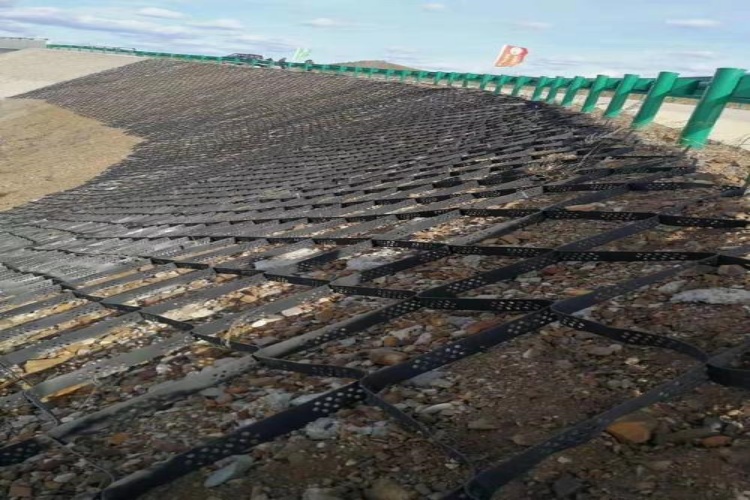
This is where the real magic of geocells happens. When you apply a vertical load, like from a truck wheel, the soil inside a geocell naturally wants to push outwards. The cell walls stop this movement, creating a counter-force that confines the soil. This is known as the "Lateral Confinement Effect."
’n Kleiner sel, geskep deur ’n korter sweisafstand, laat baie min ruimte vir die grond om te beweeg. Die bevalling is sterk en eenvormig. Daarteenoor laat 'n groot sel die grond toe om te skuif en meer uit te bult voordat die mure inskakel, wat lei tot swakker inperking. Hierdie verhoogde opsluiting hou nie net die grond vas nie; dit verander sy gedrag fundamenteel. Dit verhoog die grond se effektiewe styfheid en skep wat ingenieurs 'n "skynbare samehorigheid." Dit verander los, korrelvormige materiaal in 'n stabiele saamgestelde laag wat baie hoër vragte kan hanteer sonder om te vervorm. In laboratoriumtoetse en werklike projekte sien ons styfheidverbeterings van tot 2,2 keer deur eenvoudig 'n kleiner sweisafstand te gebruik.
In watter ingenieurstoepassings verbeter die keuse van 'n toepaslike sweisafstand die lasverspreidingswerkverrigting aansienlik?
Jy ontwerp 'n projek, maar die gebruik van dieselfde geosel vir elke toepassing voel verkeerd. Oor-ingenieurswese kos geld, terwyl onder-ingenieurswese lei tot mislukking. Hoe kies jy die regte spesifikasie?
In swaardienstoepassings soos hawehouerwerwe, mynvervoerpaaie en lughawe-taxibane, is 'n kleiner sweisafstand van kritieke belang. Dit versprei massiewe puntladings oor 'n wyer area, wat spanning op die sagte ondergrond verminder en duur spore en afsakking voorkom.
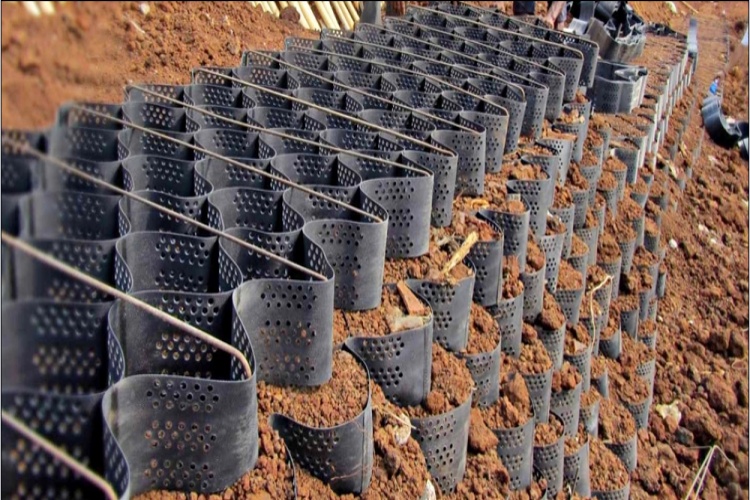
Die keuse van sweisafstand moet altyd ooreenstem met die lasvereistes van die projek. Ek het geoselle vir alles van tuinpaadjies tot militêre vliegvelde verskaf, en die spesifikasies is nooit dieselfde nie. Vir swaarvrag scenario's, die geosel stelsel moet soos 'n rigiede matras optree, wat gekonsentreerde spanning van bande of toerustingvoete oor die grootste moontlike area versprei. ’n Kleiner sweisafstand (soos 330 mm) skep die digte selstruktuur wat nodig is om dit te bereik. Studies het getoon dat dit die piekdruk op die ondergrond met 30-50% kan verminder. Vir standaardtoepassings soos residensiële opritte of toegangspaaie, bied 'n 356 mm sweisafstand dikwels die perfekte balans tussen werkverrigting en koste. Vir ligter toepassings soos hellingsbeskerming of landskapering, kan 'n groter afstand (445 mm of meer) 'n perfek geskikte en ekonomiese keuse wees aangesien die vragte baie laer is.
Hier is 'n eenvoudige gids wat ek gebruik:
- Swaar vragte (hawens, mynbou): 330 mm vir maksimum vragverspreiding.
- Medium vragte (paaie, parkeerterreine): 330 mm to 356 mm for the best cost-performance ratio.
- Light Loads (Slopes, Walkways): 356 mm to 445 mm where confinement is less critical.
How can I evaluate project requirements to determine the optimal welding distance for reliable geocell reinforcement?
You want to optimize your project for both cost and performance. Simply choosing the strongest geocell isn't always the smartest financial move. You need a practical way to decide without guesswork.
Balance three factors: subgrade strength (often measured in CBR), the type and weight of expected loads, and your budget. For soft ground or heavy, dynamic traffic, a smaller welding distance (e.g., 330 mm) offers the best long-term reliability and performance.
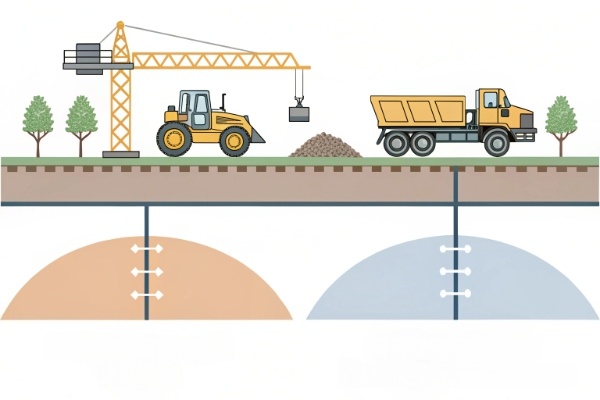
One of the most valuable insights I share with clients is the relationship between welding distance and geocell height. Many people assume a taller geocell is always better, but that's not the whole story. You can often achieve similar, or even better, performance with a shorter geocell that has a smaller welding distance. This can lead to significant cost savings. For example, a project might call for a 150 mm tall geocell with a standard 356 mm welding distance. However, my experience and test data show that a 100 mm tall geocell with a smaller 330 mm welding distance can provide equivalent bearing capacity.
Let's look at a performance comparison I often use:
| Configuration (Weld Distance / Height) | Bearing Capacity Improvement | Relatiewe koste | Wegneemetes |
|---|---|---|---|
| 356 mm / 150 mm (Standaard) | 1,3x - 1,5x | 1,4x | Goeie werkverrigting, maar hoër materiaalkoste. |
| 330 mm / 100 mm (geoptimaliseer) | 1,4x – 1,7x | 1,15x | Soortgelyke prestasie vir 'n baie laer koste. |
Deur die geoptimaliseerde konfigurasie te kies, gebruik jy minder grondstof, wat die produkkoste verlaag en versendingsvolume verminder. Dit is 'n slim ingenieurswese wat geld bespaar sonder om prestasie in te boet.
Gevolgtrekking
Die keuse van die regte geosel-sweisafstand is die sleutel vir projeksukses. Kleiner afstande bied sterker grondbeperking en beter ladingverspreiding, wat dikwels 'n meer kostedoeltreffende ontwerp met 'n korter geosel moontlik maak.