

Storing nutrient-rich biogas digestate is great for fertilizer, but bad for containment. Are you worried that the chemical soup is slowly eating your liner from the inside out, risking leaks and environmental fines?
Biogas digestate impacts liners through "swelling" rather than direct corrosion. The organic acids and ammonium in the fluid can penetrate the polymer structure, causing it to absorb liquid and soften. HDPE offers superior resistance to this swelling compared to LLDPE, making it the preferred choice for long-term chemical containment.
Understanding how these complex fluids interact with your liner is the only way to prevent environmental disasters.
What chemical characteristics of digestate interact with HDPE and LLDPE liners?
You often think of "corrosion" as acid burning through metal. But with plastic liners in digestate, the enemy is different. It is not about burning; it is about absorption and swelling.
Digestate is a complex mixture of water, dissolved salts, ammonium, and semi-degradable organic compounds. These fluids interact with the "amorphous" (disordered) regions of the polymer. The chemicals try to squeeze between the polymer chains, pushing them apart and causing the material to swell.
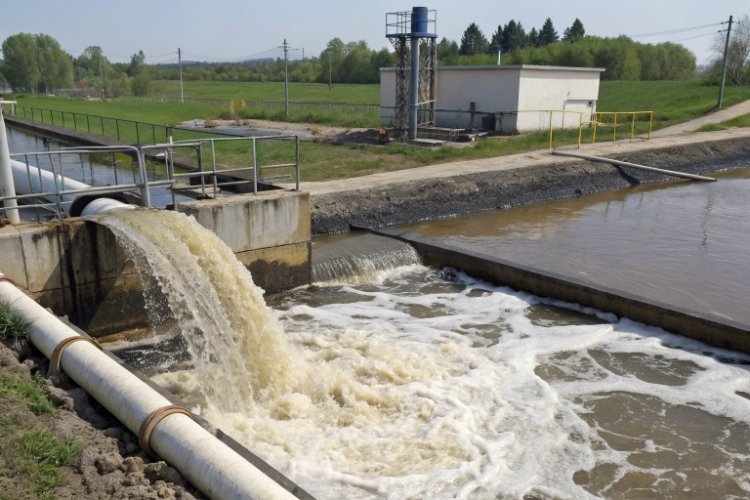
From my experience exporting liners for biogas projects, I see that clients often underestimate the liquid itself. Digestate contains Volatile Fatty Acids (VFAs) like acetic and propionic acid. While these are weak acids, they are organic. Since polyethylene (PE) is also an organic hydrocarbon, they have a natural affinity for each other.
The process works like this:
- Surface Contact: The digestate touches the liner surface.
- Permeation: The smaller chemical molecules (like free ammonia or specific organic solvents) migrate into the polymer structure.
- Swelling: These molecules accumulate in the free space between polymer chains, reducing the density of the material.
If the digestate has a high concentration of surfactants or oils, this process happens faster. The liner essentially acts like a very slow sponge. If the swelling is severe, the physical properties of the liner change, leading to potential failure under stress.
How do HDPE and LLDPE differ in resistance to digestate exposure?
This is the most common question I get: "Can I use LLDPE because it is flexible?" The answer depends on what is in your tank, but generally, HDPE wins on chemical resistance.
HDPE has a higher crystallinity (tightly packed chains), which acts as a barrier to chemical penetration. LLDPE has a lower density and more side branches, creating larger gaps in the molecular structure that allow digestate to enter more easily, leading to higher rates of swelling.
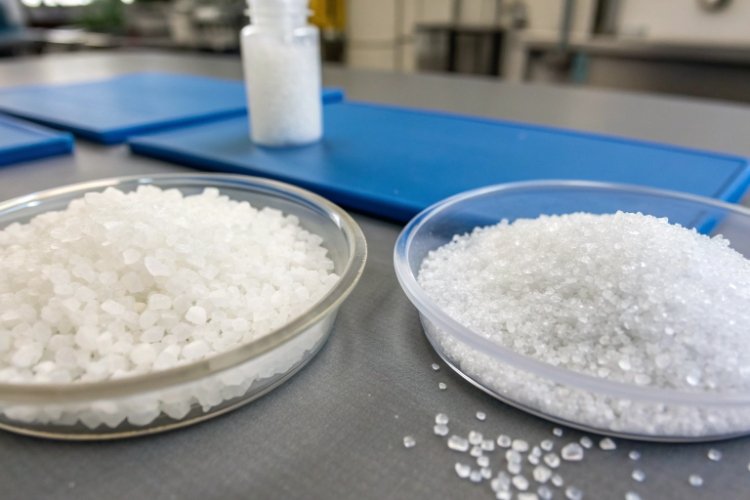
Think of your liner as a wall. HDPE is a brick wall; everything is tight and orderly. LLDPE is a chain-link fence; it is flexible, but it has holes.
I conducted a review for a client in Southeast Asia who wanted to use LLDPE for a large digestate lagoon because it was easier to weld. I showed him the data on "chemical uptake."
- **HDPE (High Density):** The polymer chains are linear and packed tight ( crystallinity > 50%). There is very little room for digestate molecules to enter.
- LLDPE (Linear Low Density): The polymer has short branches. These branches push the chains apart, creating "free volume."
In digestate exposure, LLDPE will absorb more liquid than HDPE. This higher absorption means LLDPE is more likely to suffer from "plasticization," where the absorbed liquid makes the liner too soft, significantly reducing its tensile strength and making it vulnerable to physical damage.
| Kenmerk | HDPE Liner | LLDPE Liner |
|---|---|---|
| Kristalliniteit | High (Tight structure) | Low (Loose structure) |
| Deurlaatbaarheid | Very Low | Hoër |
| Swelling Risk | Low (<3% typically) | Matig |
| Digestate Suitability | Best for long-term storage | Good for temporary caps |
What performance changes may occur in geomembranes under long-term digestate contact?
You might install a liner today, and it looks fine. But what happens after 10 years of soaking in ammonium and organic acids? The material changes physically and chemically.
Long-term contact with digestate causes "plasticization" and antioxidant depletion. The absorbed fluid softens the liner, reducing its tensile strength, while the chemical environment extracts the protective antioxidants (OIT), causing the liner to age and brittle faster than it would in clean water.
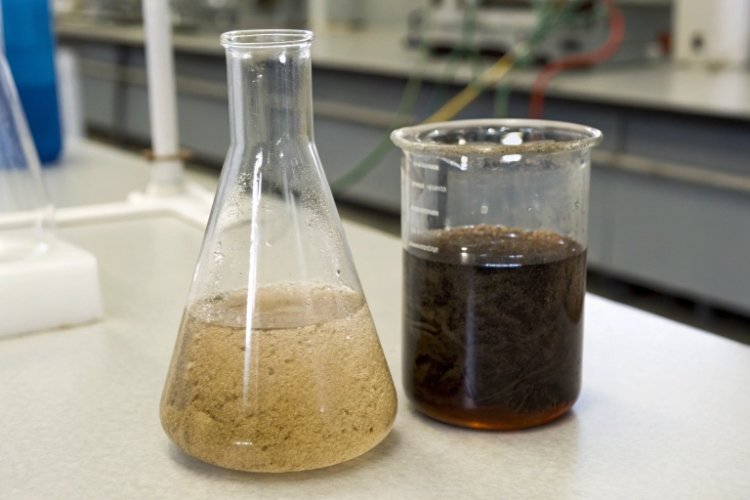
When a liner interacts with digestate for years, two distinct things happen.
First is Plasticization. The organic components of the digestate get inside the plastic and act like a lubricant between the molecules.
- Resultaat: The liner becomes stretchier but weaker. The yield strength drops. If your lagoon design relies on the liner having a certain stiffness, this softening can lead to slumping or deformation.
Second is Extraction. The digestate acts as a solvent. It slowly pulls out the stabilizers and antioxidants that manufacturers add to protect the plastic.
- The OIT Factor: We measure this using OIT (Oxidative Induction Time). Once the digestate extracts these protective additives, the polymer is naked. Heat and bacterial byproducts will then start attacking the polymer backbone itself. Rapid drop in OIT is the first sign that your liner is dying.
I have specialized in replacing liners that failed not because of holes, but because they became brittle cracks after the digestate "washed out" all their chemical protection.
What liner properties should be evaluated for digestate-resistant applications?
If you are buying a liner for a biogas project, do not just look at the price. You need to check specific parameters on the technical datasheet to ensure it can survive the "soup."
Key properties to evaluate include Density, Stress Crack Resistance (ESCR), and High-Pressure Oxidative Induction Time (HP-OIT). High density ensures lower permeability, while HP-OIT is the best indicator of how well the stabilizer package will resist being leached out by the digestate.
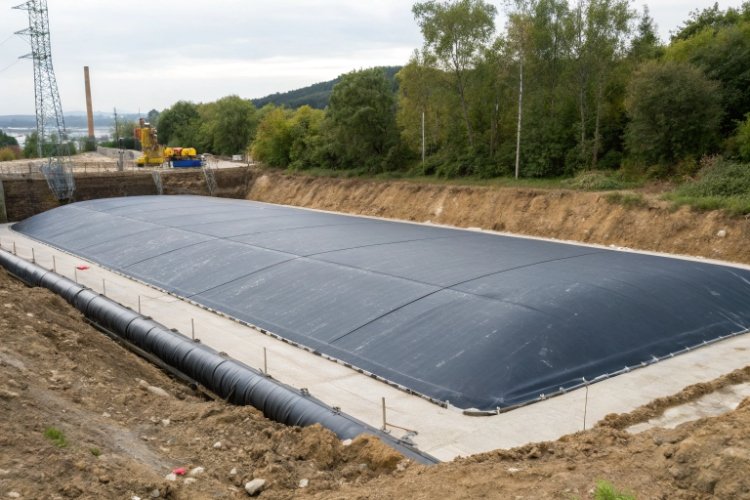
When I advise procurement agents for biogas plants, I give them this checklist. If the supplier cannot provide this data, walk away.
- Digtheid: Stick to ≥ 0.940 g/cm³ (HDPE). This guarantees the "tight" crystal structure needed to block chemical absorption.
- Standard OIT vs. High Pressure OIT (HP-OIT):
- Standard OIT (ASTM D3895) measures antioxidants that work at high temps (processing).
- HP-OIT (ASTM D5885) measures hindered amine light stabilizers (HALS). This is critical for liquid contact. You want a high HP-OIT value (e.g., >400 minutes) because it means the stabilizers stay in the plastic, not in the digestate.
- Chemical Immersion Testing (ASTM D5322): Ask if they have tested the material in "synthetic digestate." You want to see results where the physical properties (strength, elongation) change by less than 10% after 90 days of immersion.
| Property to Check | Recommended Value | Why it matters |
|---|---|---|
| Density | ≥ 0.940 g/cm³ | higher density = less swelling. |
| Standard OIT | ≥ 100 min | Baseline protection. |
| High Pressure OIT | ≥ 400 min | Critical for long-term liquid resistance. |
| Dikte | ≥ 1.5 mm | Thicker prevents full penetration. |
Gevolgtrekking
Biogas digestate is not just dirty water; it is a chemical solvent that swells and softens plastic. HDPE is superior to LLDPE because its dense structure blocks this absorption. To ensure your liner lasts, specify high density and high HP-OIT values.