

Die keuse van die verkeerde sweismasjien lei tot swak nate en katastrofiese lekkasies. Projekvertragings en duur herstelwerk is risiko's wat jy nie kan bekostig nie, alles as gevolg van 'n onbehoorlike toerustingkeuse.
Die drie primêre tipes is warmwigsweisers vir lang, outomatiese nate op HDPE; warmlugsweismasjiene vir besonderhede en PVC-voerings; en ekstrusie-sweisers vir herstelwerk en dik verbindings. Die regte keuse hang af van jou voeringmateriaal, projekskaal en toepassingstipe.
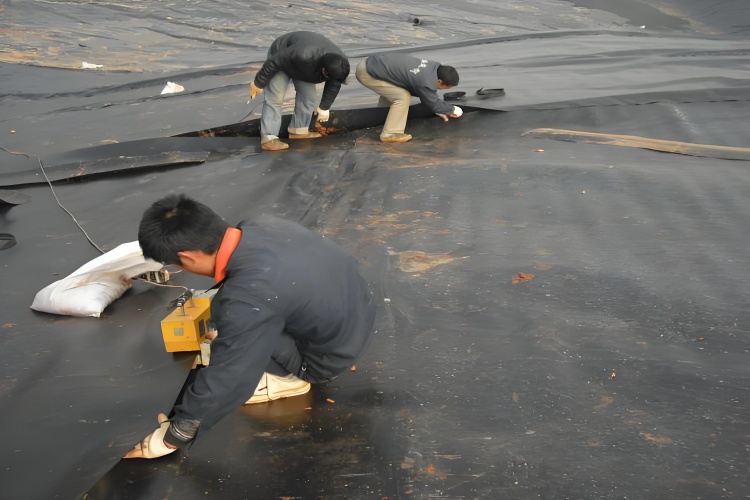
Alhoewel hierdie drie masjiene die meeste toepassings dek, is dit van kritieke belang om die spesifieke sterk punte en beperkings van elkeen te verstaan om 'n duursame, lekvrye installasie te verseker. ’n Masjien wat perfek is vir ’n groot, plat reservoirvoering sal heeltemal ongeskik wees vir gedetailleerde pyppenetrasiewerk. Kom ons breek die toerusting af sodat jy 'n ingeligte besluit vir jou volgende projek kan neem.
Watter tipes geomembraan-sweismasjiene word algemeen gebruik vir HDPE-voerings?
Die gebruik van die verkeerde sweismasjien op dik HDPE kan 'n koue, swak binding tot gevolg hê. Hierdie materiaal vereis hoë, volgehoue hitte en druk om 'n betroubare naat te skep, en nie alle masjiene kan lewer nie.
Vir HDPE-voerings is warmwigsweisers die primêre werkesel vir lang, reguit nate, terwyl ekstrusie-sweisers noodsaaklik is vir herstelwerk, pleisters en om die voering aan strukture te verbind. Hierdie twee masjiene is spesifiek ontwerp om die hoë temperature en druk wat HDPE vereis te hanteer.
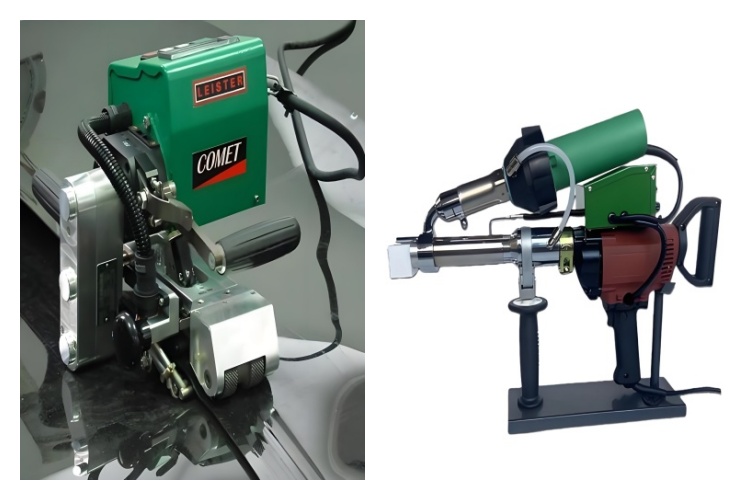
HDPE se semi-kristallyne struktuur vereis 'n spesifieke kombinasie van hitte en druk om 'n behoorlike molekulêre samesmelting te verkry. Hier is hoekom hierdie gereedskap die industriestandaard is:
[Hot Wedge Welders
Dit is selfaangedrewe masjiene wat langs die naat oorvleuel. 'n Verhitte metaalwig smelt die twee voeringoppervlaktes, en drukrolle druk hulle dadelik saam, wat 'n konsekwente, sterk binding skep. Hulle produseer 'n dubbele naat met 'n sentrale lugkanaal, wat voorsiening maak vir druktoetse op die perseel om die sweislas se integriteit te verifieer - 'n kritieke gehalteversekeringstap.
Ekstrusie sweisers
Hierdie handgereedskap funksioneer soos 'n swaardiens gompistool. Dit neem 'n soliede polimeerstaaf (van dieselfde materiaal as die voering), smelt dit en druk 'n dik kraal gesmelte plastiek direk op die naat- of pleisterarea uit. Hierdie metode is stadiger, maar skep 'n ongelooflike sterk, dik sweislas, perfek om gate te lap, om pype te sweis en die voering by betonstrukture te beëindig.
Hoe besluit ek watter geomembraan-sweismasjien by my projekvereistes en materiale pas?
Om 'n sweismasjien op grond van prys alleen te koop, kan 'n duur fout wees. 'n Duur masjien kan dalk te veel wees vir jou behoeftes, terwyl 'n goedkoop een kan misluk om sertifiseerbare nate te produseer, wat die hele projek in gevaar stel.
To choose the right welder, first match the machine to your material (HDPE/LLDPE vs. PVC/TPO). Then, assess your project's geography—large, open areas require a hot wedge welder, while complex details demand handheld hot air or extrusion welders.
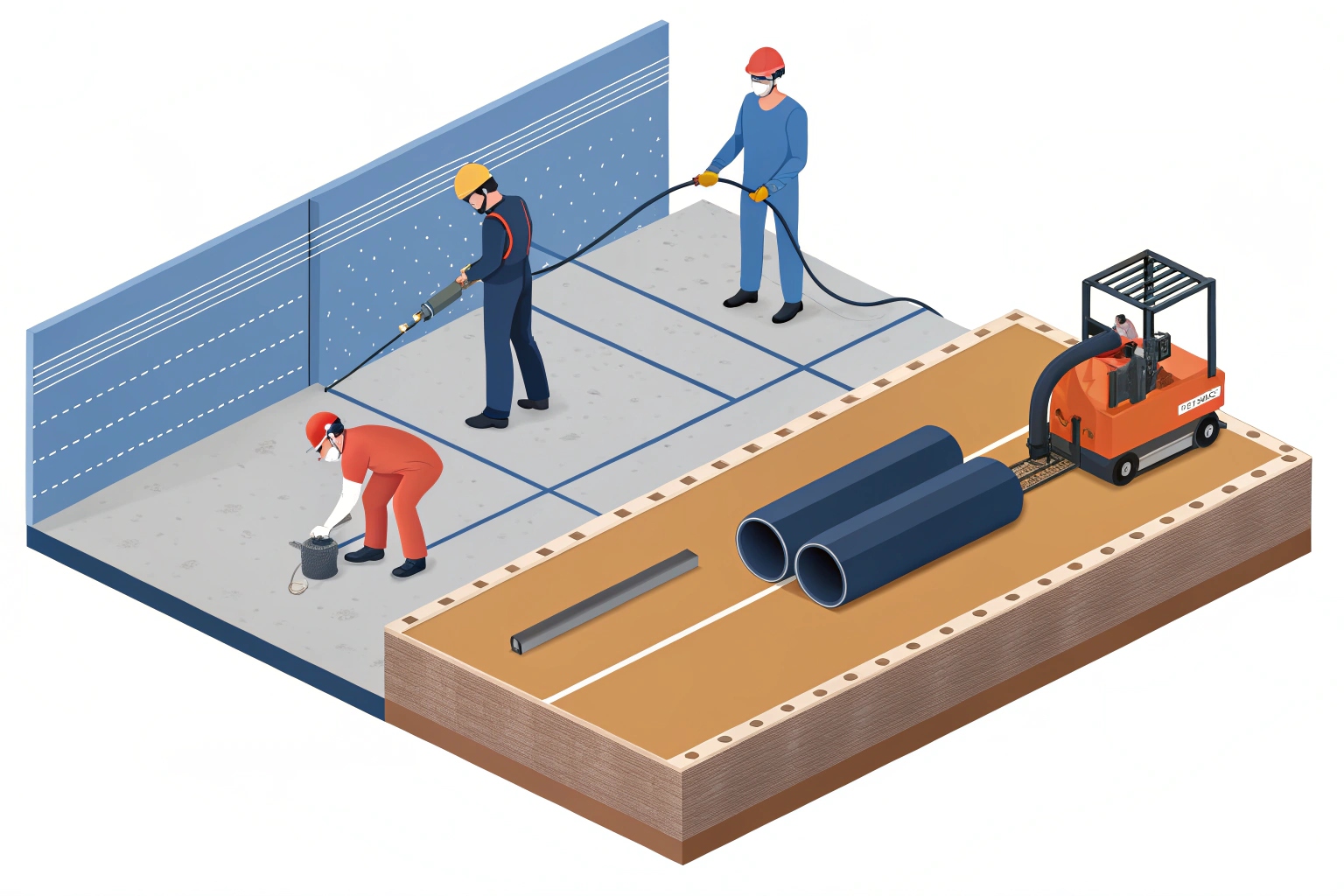
Your decision should be a logical process based on three core factors: the material you are welding, the type of work you are doing, and the scale of your project.
1. Match the Welder to the Geomembrane
The polymer type dictates the required temperature and welding method.
- HDPE & LLDPE: Require high heat and pressure. The best choices are hot wedge for main seams and extrusion for details.
- PVC, TPO, & FPO: Hierdie meer buigsame materiale smelt by laer temperature. A warmlugsweismasjien is dikwels die voorkeurhulpmiddel, veral vir detailwerk, aangesien die gefokusde hitte doeltreffend en maklik is om te beheer.
2. Pas die instrument by die taak
Verskillende areas van 'n installasie vereis verskillende gereedskap.
- Lang, reguit veldnate: A warmwigsweismasjien bied ongeëwenaarde spoed en konsekwentheid.
- Gedetailleerde werk & Hoeke: Sweis om pype, putte en skerp hoeke is onmoontlik vir 'n wigsweiser. Dit is waar a warmlugsweismasjien bied die nodige buigsaamheid.
- Herstelwerk & Pleisters: An ekstrusie sweismasjien is die beste keuse vir die vul van gate of die toepassing van kolle vanweë die dik, robuuste sweislas wat dit produseer.
Watter sleutelfaktore beïnvloed die koste en doeltreffendheid van 'n geomembraan-sweismasjien?
Focusing only on the purchase price ignores the true cost of ownership. Factors like welding speed, operator skill, and maintenance needs can have a much larger impact on your project's budget and timeline.
Efficiency is driven by welding speed and automation, where hot wedge welders excel. Cost is influenced by the machine's complexity, power, and features like digital controls and data logging. A welder with precise controls may cost more but reduces waste and operator error.
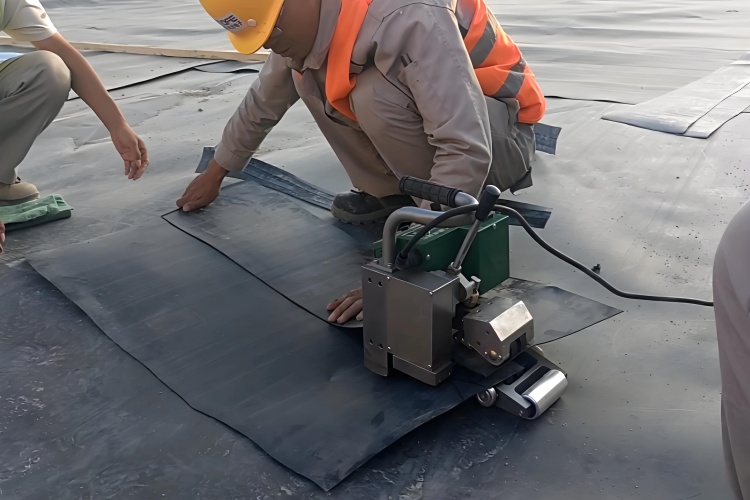
When evaluating the total cost and performance, consider these trade-offs:
- Speed vs. Strength: Hot wedge welders are the fastest for long seams, making them highly efficient for large projects like landfills or reservoirs. Extrusion welders are the slowest but produce the strongest, thickest welds, making them efficient for critical repairs where speed is secondary to security.
- Automation vs. Flexibility: Automated, self-propelled wedge welders ensure high consistency and reduce operator fatigue, boosting efficiency on large, flat sites. Handheld hot air guns are less efficient for large areas but offer essential flexibility for custom work.
- Initial Cost vs. Operating Cost]: A basic machine may have a low purchase price, but if it lacks precise temperature and speed control, it can lead to failed seams, wasted material, and costly rework. A higher-end machine with digital controls provides better quality assurance, saving money in the long run.
How can I ensure the welding equipment I choose is reliable and meets long-term performance standards?
A welder that constantly breaks down or produces inconsistent seams is a liability. On-site equipment failure halts progress, costs money, and damages your reputation for quality work.
Ensure reliability by choosing welders from reputable manufacturers with proven field performance. Look for features like robust construction, high-quality heating elements, strong drive motors, and readily available spare parts. Prioritize machines that offer precise, repeatable digital controls for consistent results.
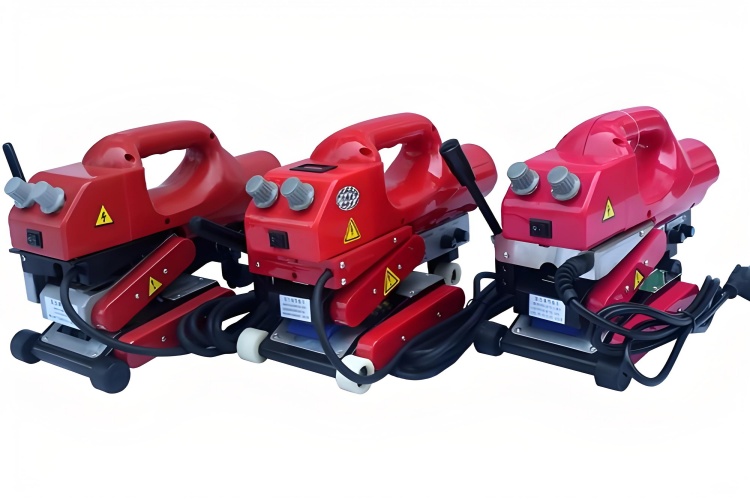
Long-term value comes from durability and consistent performance. Here is what to look for when sourcing your equipment:
Key Features for Reliability
- Digital Controls: Machines with digital displays for temperature, speed, and pressure allow operators to set and maintain precise parameters, ensuring every foot of weld meets project specifications. This is superior to analog dials, which can be less accurate.
- Build Quality: Look for a sturdy frame, durable motors, and high-quality electronic components that can withstand the harsh conditions of a construction site.
- Serviceability: Choose a brand that offers easy access to common replacement parts like heating elements, pressure rollers, and carbon brushes. A machine that is easy to maintain and repair in the field will have a much longer service life.
- Quality Assurance Features: For hot wedge welders, the ability to create a testable air channel is a non-negotiable feature for most professional-grade projects. Some advanced models also offer data logging to record welding parameters for quality control reports.
Gevolgtrekking
Choose a hot wedge welder for large HDPE projects, a hot air welder for details and flexible liners, and an extrusion welder for repairs. Match your machine to your material and project needs.