

You're building a haul road over soft, swampy ground. Using standard geotextile could be a costly mistake. If the fabric tears under the weight of heavy trucks, the road base will mix with the mud, and your new road will fail in months.
Heavy-duty geotextile is a high-strength, high-weight fabric designed to withstand extreme loads and harsh site conditions. It provides structural reinforcement and robust separation, preventing failure in projects like heavy-traffic roads, retaining walls, and embankments on weak soil.
As a geosynthetics supplier, I often get questions about when to upgrade from a standard fabric to a heavy-duty one. The answer isn't just about weight; it's about function. Standard geotextiles are great for filtration and drainage, but heavy-duty fabrics are engineered to hold things together under immense stress. Choosing the right one is critical for the safety, longevity, and cost-effectiveness of your infrastructure project.
What defines a geotextile fabric as “heavy duty” in terms of weight and strength?
You see "heavy-duty" on a product, but what does that actually mean in technical terms? Without clear numbers, you're just guessing. The difference between a standard fabric and a heavy-duty one lies in measurable strength and durability specifications.
A geotextile is considered heavy-duty based on its high mass per unit area (typically over 8 oz/yd² or 270 gsm) and, more importantly, its high tensile and puncture strength ratings. These fabrics are built to resist tearing and stretching under significant load.

The Numbers That Matter
When I review specs for a demanding project, I look beyond the weight. The real proof is in the strength data from standardized ASTM tests. Here’s a typical comparison:
| Property (ASTM Test) | Standard Nonwoven Geotextile (e.g., 6 oz/yd²) | Heavy-Duty Nonwoven Geotextile (e.g., 16 oz/yd²) |
|---|---|---|
| Grab Tensile Strength (D4632) | ~160 lbs (0.7 kN) | ~380+ lbs (1.7+ kN) |
| CBR Прочность на прокол (D6241) | ~450 lbs (2.0 kN) | ~1,500+ lbs (6.7+ kN) |
| Trapezoid Tear Strength (D4533) | ~60 lbs (0.27 kN) | ~145+ lbs (0.64+ kN) |
- Grab Tensile Strength: This measures the force needed to pull the fabric apart. A high number means it can handle heavy, pulling forces without failing.
- CBR Puncture Strength: This simulates a rock or sharp object being pushed through the fabric. Heavy-duty fabric's high resistance means it won't be easily damaged by sharp aggregate or construction traffic.
These numbers show that a heavy-duty fabric isn’t just heavier; it’s multiple times stronger and more resistant to damage.
What materials and manufacturing methods are used for heavy-duty geotextiles?
You need a fabric that can handle extreme stress for decades. The raw material it's made from and how those fibers are put together determine whether it will hold up or degrade and fail prematurely.
Heavy-duty geotextiles are typically made from high-tenacity polypropylene or polyester fibers. They are manufactured as either thick, needle-punched nonwovens for extreme durability and drainage, or as high-strength wovens for maximum reinforcement and load distribution.
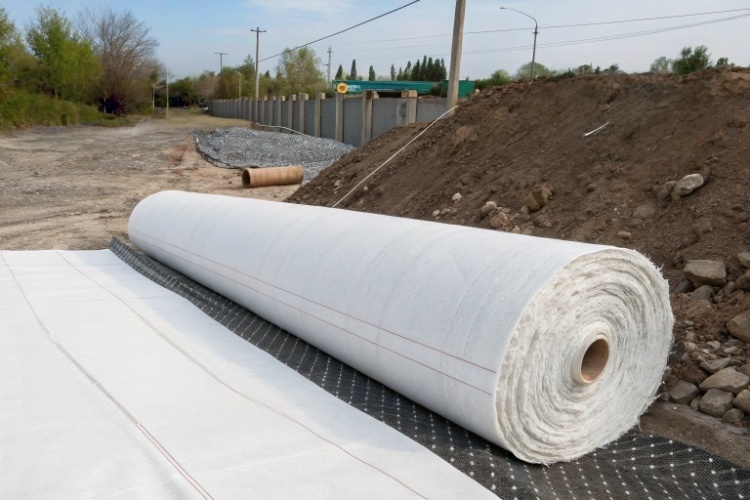
Woven vs. Nonwoven: The Heavy-Duty Difference
Both manufacturing methods can produce heavy-duty fabrics, but they excel in different ways. As a supplier, I recommend them for different structural needs.
-
High-Strength Woven Geotextiles
These are made by weaving individual yarns together in a tight grid pattern, like a super-strong burlap sack.- Primary Function: Армирование. Woven fabrics have very high tensile strength and low elongation (they don’t stretch much). This makes them ideal for distributing heavy loads over a wide area and reinforcing soil structures like embankments. They act like a hidden net holding the ground together.
-
Heavy-Weight Nonwoven Geotextiles
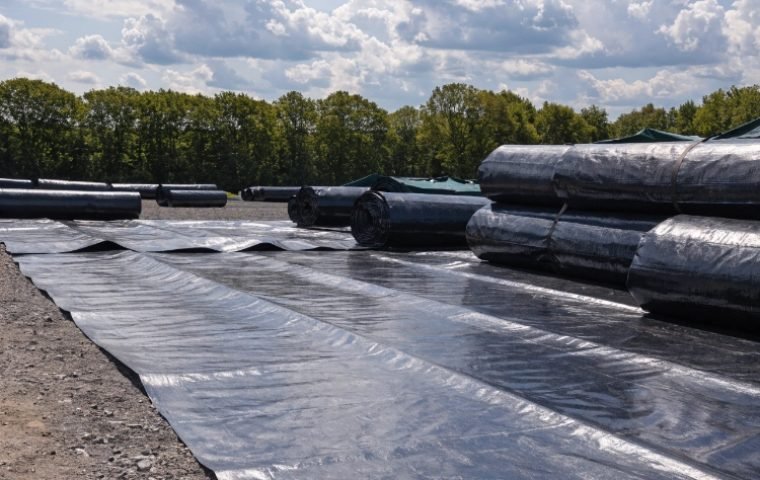
These are made from a thick mat of fibers that are interlocked using needles (needle-punching).- Primary Functions: Protection and Separation. Their thick, felt-like structure provides an excellent cushion to protect liners from puncture. When placed between soft ground and rock fill, it acts as a robust separator, preventing the two layers from mixing while still allowing water to pass through.
In what types of projects is heavy-duty geotextile fabric most commonly applied?
You're considering a heavy-duty fabric, but it costs more. Is it a justified expense or an unnecessary upgrade? Knowing the specific applications where this fabric is non-negotiable will help you make the right call.
Heavy-duty geotextiles are essential in projects involving heavy dynamic loads, very weak soils, or high-consequence risk. Key applications include haul roads, container yards, airport runways, steep embankments, shoreline protection (riprap), and landfill liners.
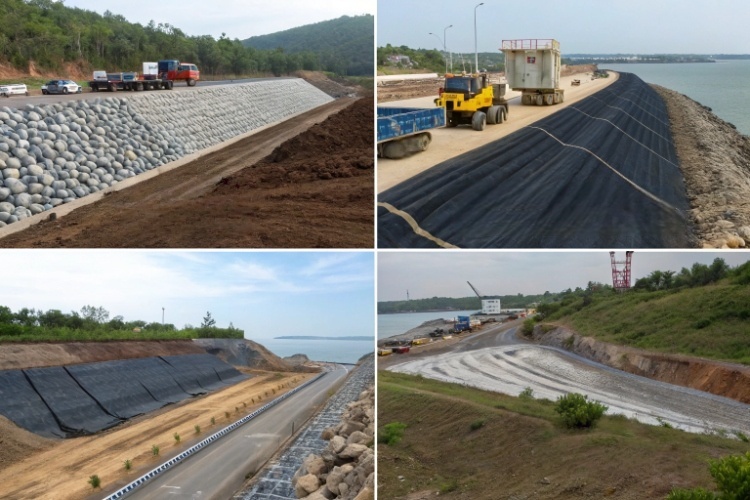
Where Strength is Not Optional
I've shipped heavy-duty fabrics to all kinds of demanding projects. If your site fits one of these descriptions, you almost certainly need a heavy-duty solution.
-
Paved and Unpaved Roads with Heavy Traffic
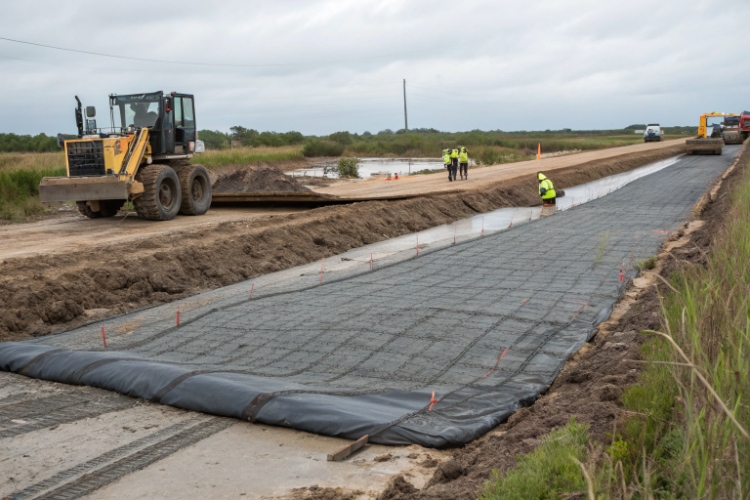
For haul roads, port container yards, or airport aprons, heavy-duty geotextile is placed directly on the soft subgrade soil. It separates the soil from the aggregate base course, preventing rutting and reducing the amount of expensive rock needed by up to 40%. The fabric distributes the load from truck wheels over a wider area, preventing foundation failure. -
Railway Track Beds
Underneath the railway ballast (the rocks that support the tracks), a heavy-duty geotextile prevents the ballast from being pushed down into the soft ground below. This maintains the track's stability and alignment, reducing maintenance costs dramatically. -
Steep Embankments and Retaining Walls
Layers of high-strength woven geotextile are used within soil embankments to provide tensile reinforcement, allowing them to be built much steeper than would be possible with soil alone. -
Erosion Control and Shoreline Protection
When placing large, sharp rocks (riprap) for контроль эрозии along riverbanks or coastlines, a heavy-duty nonwoven geotextile is laid down first. It acts as a robust separator and filter, preventing the underlying soil from being washed away through the gaps in the rocks.
How can I select the right heavy-duty geotextile based on load, soil type, and durability requirements?
You've decided you need a heavy-duty fabric. But now you face a new choice: an 8 oz nonwoven, a 12 oz nonwoven, or a high-strength woven? Choosing the wrong one can still lead to underperformance or overspending.
Select your heavy-duty geotextile by first identifying the primary function: use a woven fabric for reinforcement under heavy loads, and a nonwoven for separation and cushioning on rough ground. Then, match the fabric's specific strength ratings (tensile, puncture) to your project's engineering requirements.

A Simple Selection Process
As a supplier, I help clients navigate this choice by asking a few key questions.
-
Step 1: What is the main problem you are trying to solve?
-
Проблема: My trucks are sinking into the soft ground, creating deep ruts. The ground is weak (CBR < 3).
-
Solution Priority: Reinforcement and Separation.
-
Best Choice: А high-strength woven geotextile. Its low-stretch properties will stabilize the ground and distribute the load.
-
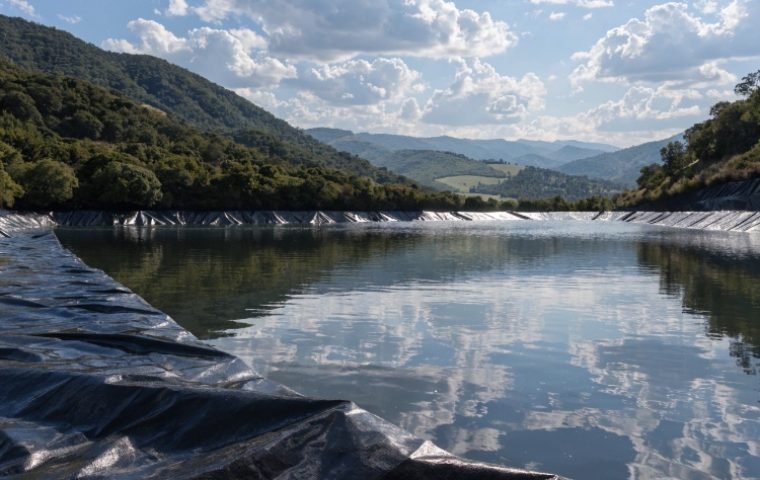
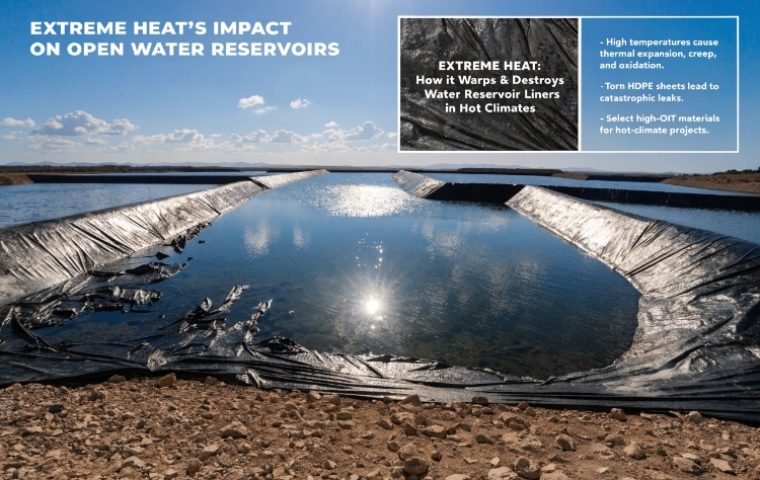
Проблема: I need to place a pond liner over rocky ground and protect it from getting punctured by sharp rocks.
-
Solution Priority: Protection (Cushioning).
-
Best Choice: А heavy-weight nonwoven geotextile (12-16 oz/yd²). Its thick, felt-like structure will protect the liner.
-
-
Step 2: Consult the Project Engineer's Specifications
For critical infrastructure projects, a geotechnical engineer will specify the exact strength requirements (e.g., "Grab Tensile Strength must exceed 380 lbs"). Your job is to find a product whose data sheet meets or exceeds those numbers. Do not substitute a lower-spec product to save money, as this could compromise the entire project's safety and design life.
Заключение
Heavy-duty geotextile is a structural solution for tough jobs. It provides critical reinforcement, separation, and protection where standard fabrics would fail. By matching the right material and strength specifications to your project's unique challenges, you ensure long-term stability and performance.