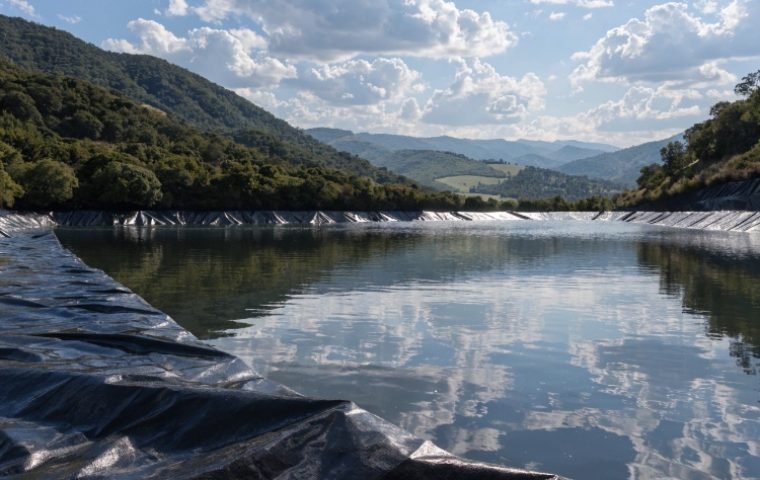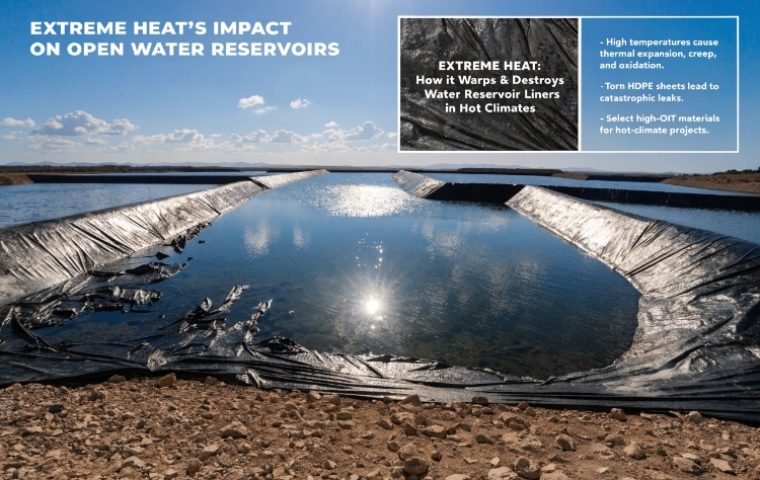


You’ve invested in a state-of-the-art liner system, followed the construction quality plan, and the heap is operational. But deep beneath tons of ore, a small, unseen tear begins to weep.
A liner leak is not a single event; it's the start of a cascading failure. It triggers irreversible groundwater contamination, devastating financial losses, and can ultimately lead to a catastrophic structural collapse of the entire heap, as seen in recent real-world disasters.
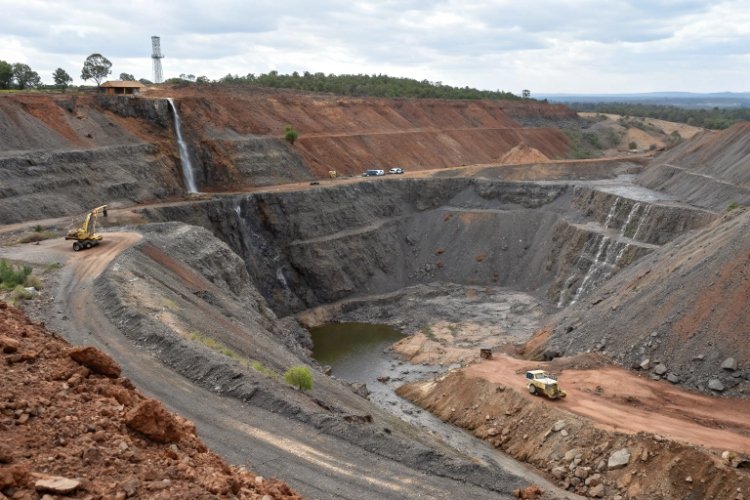
I have reviewed technical specifications for projects where the design philosophy is built around one grim reality: even the best liner systems can develop leaks. The failure isn't in the material itself, but in underestimating what happens next. A leak is a process, not a static hole. It expands, it undermines, and if not detected instantly, it can destroy a project from the foundation up.
What immediate operational impacts occur when a heap leach liner fails?
An alarm sounds from a monitoring sump—a sign of a potential leak. The immediate impulse is to treat it as a minor maintenance issue, but the reality is much more serious.
The most immediate impact is a full operational shutdown. It triggers a race against the clock, as the leak itself creates a "snowball effect" that accelerates its own expansion, making the problem worse with every passing hour.
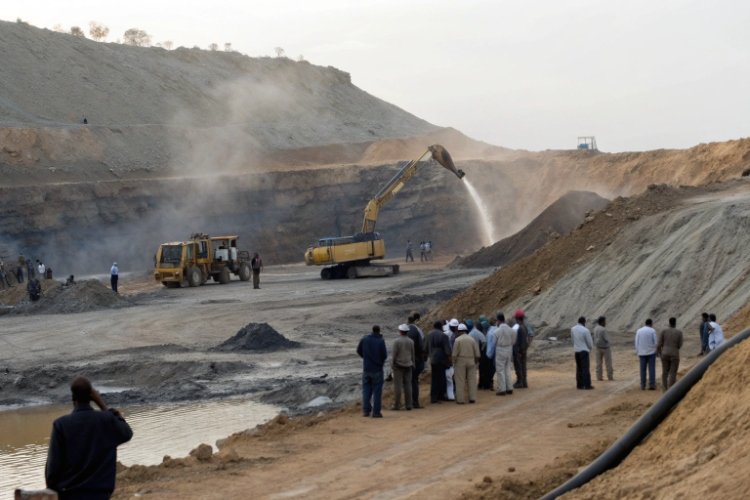
From a supplier's perspective, we know our materials are designed to last. But they are not designed to withstand the forces created by a failure beneath them. Here is the dangerous chain reaction that begins immediately:
- Initial Leak: A tiny flaw, perhaps from a weld defect or a puncture, allows leachate to seep into the subgrade soil.
- Subgrade Erosion: The aggressive chemical solution (acid or cyanide) dissolves minerals in the soil beneath the liner. This creates a small void.
- Stress Concentration: The immense weight of the ore pile (often over 100 meters high) pushes the flexible liner down into this new void. This concentrates all the stress on the material right around the edges of the original hole.
- Accelerated Tearing: The HDPE polymer, now under extreme focused stress, stretches and tears. The small hole becomes a large gash.
- The Snowball Effect: This larger gash releases a higher volume of leachate, which erodes an even bigger void underneath. This creates more sagging, more stress, and more tearing. A flaw that was millimeters wide can expand to several meters in a matter of months, leading to a total loss of containment.
How can liner leakage affect groundwater and surrounding soil?
The leachate has breached the liner and is now soaking into the ground. While the problem is out of sight, this is where the permanent, irreversible damage begins.
Leaking leachate causes permanent contamination. Toxic chemicals like cyanide and heavy metals poison groundwater aquifers for generations, while acidic solutions create acid mine drainage (AMD)—a toxic legacy that can outlast the mine itself by decades.
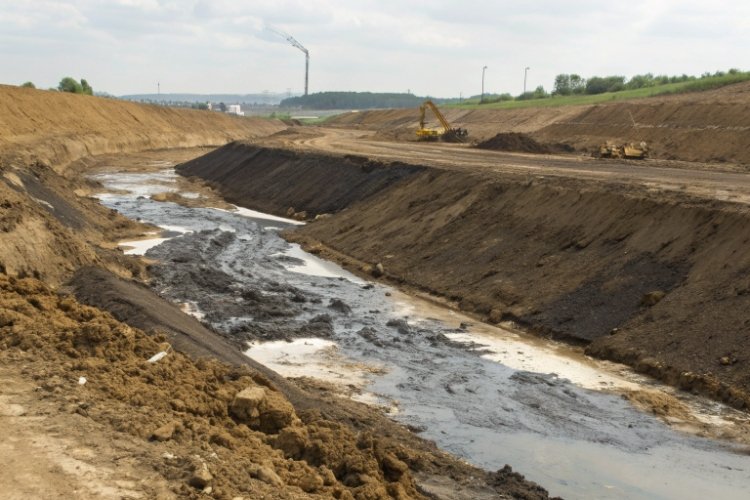
The type of contamination depends on the ore being processed, but all are devastating. I've supplied liners for various projects, and the chemistry of the leachate is always the primary concern for environmental impact assessments.
| Leachate Type | Chemical Agents | Immediate Threat | Long-Term Threat |
|---|---|---|---|
| Gold & Silver | High-pH Cyanide Solution | Highly toxic to humans and wildlife. | Spreads through groundwater; can convert to more toxic hydrogen cyanide gas in some conditions. |
| Copper | Low-pH Sulfuric Acid | Extreme acidity, kills soil organisms. | Creates Acid Mine Drainage (AMD), which leaches heavy metals and persists for 50+ years. |
| Uranium | Acid or Alkaline Solution | Spreads radioactive elements and heavy metals. | Long-term radioactive contamination of soil and water, posing a severe health risk. |
Acid Mine Drainage (AMD) is one of the worst long-term threats. The leaking acid oxidizes sulfide minerals (like pyrite) in the ore and subgrade, creating a self-sustaining chemical reaction that generates more acid and leaches heavy metals like copper, iron, and zinc. This toxic cocktail makes water unusable and kills virtually all aquatic life.
What regulatory, environmental, and financial risks result from a leaking liner?
You've lost containment. The damage is no longer theoretical. Now, you face a firestorm of consequences that can threaten the existence of your company.
A leaking liner triggers a cascade of risks: staggering cleanup costs, massive regulatory fines, permanent loss of mining permits, and the very real danger of catastrophic landslides that can claim lives and destroy infrastructure.
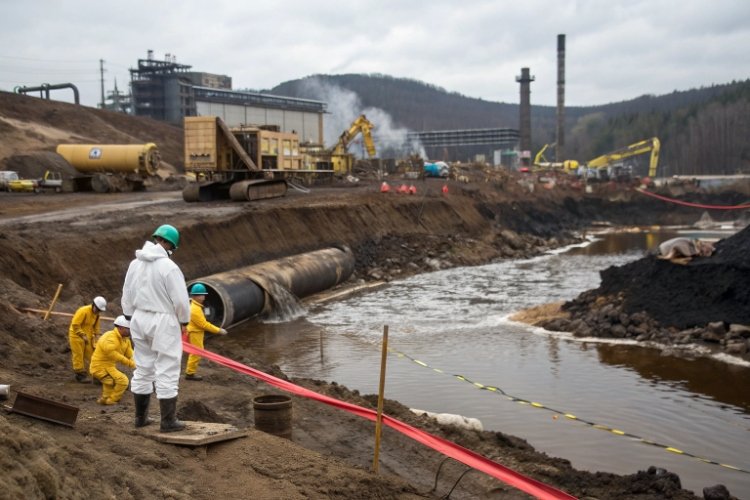
The 2024 Çöpler gold mine disaster in Turkey is a tragic and powerful real-world example of this. A massive landslide on the heap leach pad, linked to failures in the system's design, resulted in the loss of 9 lives and the complete destruction of the facility. This event highlights the ultimate risks.
| Risk Category | Specific Consequences |
|---|---|
| Financial | - Cleanup costs can range from $50 million to over $500 million. - Loss of metal revenue from shutdown. |
| Regulatory | - Massive fines from environmental agencies. - Criminal charges for executives. - Permanent revocation of operating permits. |
| Reputational | - Loss of investor confidence and social license to operate. |
| Structural | - Catastrophic heap instability and landslides, as seen at the Çöpler mine. |
These risks are why I always stress to clients that the liner system is not a place to cut corners. The cost of a premium system is a tiny fraction of the cost of a single failure.
How can leaks be detected early and mitigated to limit long-term damage?
Given that a perfect, 100% leak-proof system is almost impossible to guarantee over decades of operation, how can you protect your project from this catastrophic chain of events?
Since you can't guarantee zero leaks, the only defense is to plan for immediate detection. Modern designs use a double-liner system with a built-in leak detection layer that alerts operators the moment the primary liner is breached.
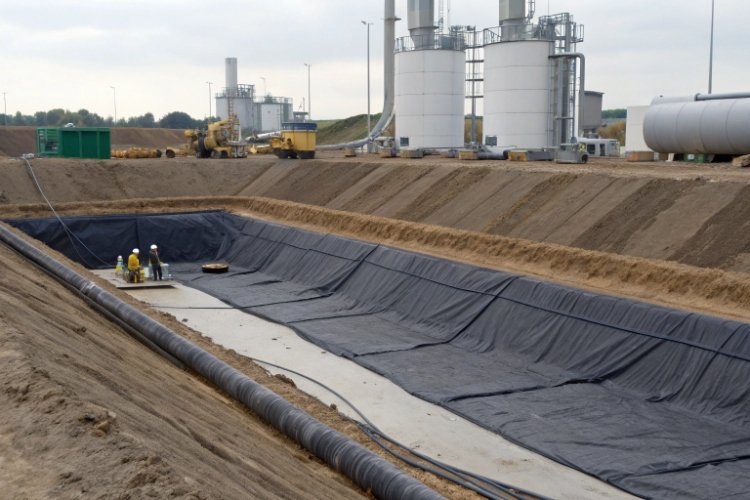
The engineering philosophy has shifted from "leak prevention" to "rapid leak detection and response." You have to assume a leak will happen and build a system to catch it instantly. Here is how a state-of-the-art leak detection system (LDS) works:
- Первичный вкладыш: A robust 1.5mm or 2.0mm HDPE geomembrane serves as the main containment barrier.
- Leak Detection Layer: A high-flow geonet drainage layer is placed directly underneath the primary liner. This creates an open space for any leaked liquid to travel freely.
- Вторичный вкладыш: A second geomembrane or a Geosynthetic Clay Liner (GCL) is placed beneath the drainage geonet. This layer contains any liquid that leaks through the primary liner.
- Collection Sump: The geonet layer is sloped to drain into a collection point, or sump, which is equipped with a sensor.
The moment the primary liner leaks, the liquid flows through the geonet, collects in the sump, and triggers an alarm. This allows the mine to respond when the problem is just a few liters, not after a massive void has formed and the structural integrity of the heap is already compromised.
Заключение
A heap leach liner leak is a project-ending event, triggering a chain reaction of environmental, financial, and structural failures. The only effective defense is not hope, but an engineered early-detection system.