Выбор цвета геомембраны кажется простым, но неправильный выбор может вызвать тепловой стресс и преждевременный выход из строя. Понимание влияния цвета обеспечивает долгосрочный успех и производительность вашего проекта.
Черный цвет является отраслевым стандартом благодаря превосходной устойчивости к ультрафиолетовому излучению технического углерода. Белый отражает тепло, уменьшая термическое напряжение. Зеленый и синий используются для эстетики, как в прудах. По запросу также доступны нестандартные цвета.

Когда я только начал экспортировать геосинтетику, большинство моих клиентов заказывали только геомембраны черного цвета. Это значение по умолчанию по уважительной причине. Однако однажды у меня был клиент с Ближнего Востока, который попросил заказать крупный заказ белой геомембраны для покрытия резервуара. Сначала меня интересовали конкретные потребности, но быстро стало ясно, что цвет — это не только внешний вид; это критическое инженерное решение. Выбранный вами цвет может повлиять на все: от температуры и срока службы лайнера до простоты его установки. Давайте посмотрим на варианты и их значение для вашего проекта.
Насколько черно-белые геомембраны сравниваются по производительности?
Черный вкладыш сильно нагревается на солнце, что усложняет установку и создает нагрузку на материал. Белый лайнер кажется лучше, но жертвует ли он долговечностью? Правильный выбор позволяет избежать дорогостоящих компромиссов в производительности.
Черная геомембрана обеспечивает превосходную устойчивость к ультрафиолетовому излучению, что делает ее долговечной для большинства применений. Белая геомембрана отражает солнечный свет, сохраняя поверхность прохладной. Это уменьшает тепловое расширение и безопаснее для монтажников в жарком климате, что делает его идеальным для открытых применений.

Битва за УФ-стойкость
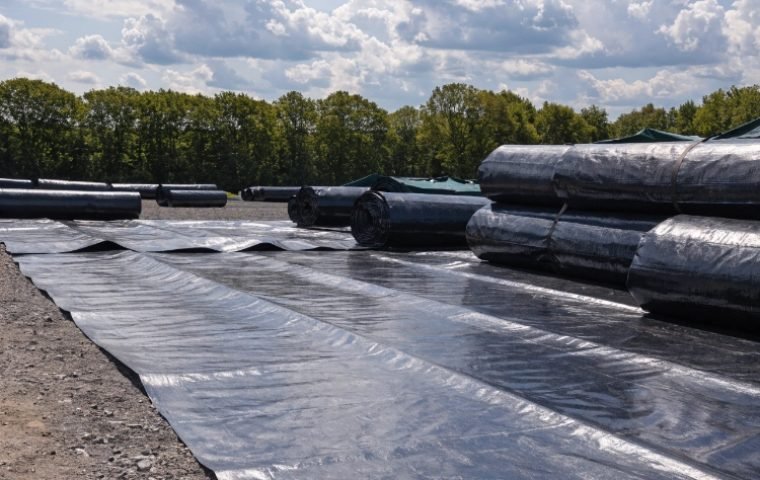
Основная причина, по которой черная геомембрана HDPE так распространена, заключается в технический углерод добавка. Обычно мы используем в смоле смесь 2–3% высококачественного технического углерода. Эта добавка чрезвычайно эффективно поглощает УФ-излучение и преобразует его в тепло, что защищает структуру полимера от разрушения. Это делает черные геомембраны идеальным выбором для длительного срока службы, особенно в подземных условиях или в условиях общего воздействия.
Коэффициент тепла и расширения
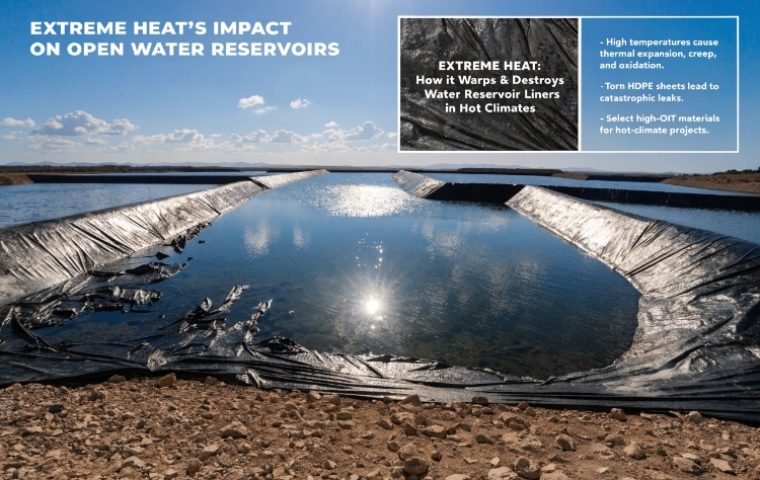
С другой стороны, белые геомембраны предназначены для одной основной цели: отражения солнечного света. Черный лайнер может нагреваться до температуры более 80°C (176°F) под прямыми солнечными лучами, тогда как белый лайнер в тех же условиях может оставаться на 20–30°C ниже. Это имеет огромные последствия. Пониженная температура сводит к минимуму тепловое расширение и сжатие, что с течением времени снижает нагрузку на швы и точки крепления. Это также делает рабочую площадку более безопасной для монтажных бригад, снижая тепловой стресс и риск ожогов. Компромисс заключается в том, что пигменты, используемые для белого цвета, не обеспечивают такой же уровень защиты от ультрафиолета, как углеродная сажа, хотя современные составы обеспечивают превосходную долгосрочную эффективность при открытом применении.
| Особенность | Черная геомембрана HDPE | Белая геомембрана HDPE |
|---|---|---|
| Основное преимущество | Превосходная устойчивость к ультрафиолетовому излучению | Превосходное отражение тепла |
| Ключевая добавка | Технический углерод | Диоксид титана (TiO₂) & другие пигменты |
| Температура поверхности | Высокий (поглощает тепло) | Низкий (отражает тепло) |
| Тепловое расширение | Выше | Ниже |
| Лучший вариант использования | Скрытые приложения, стандартное воздействие | Открытые крышки, жаркий климат |
| Установка | Может быть сложно в жаркую погоду | Безопаснее и проще устанавливать в жару. |
Когда следует использовать геомембраны зеленого, синего или нестандартного цвета?
Стандартный черный лайнер может выглядеть индустриально и неуместно в живописном парке или на поле для гольфа. Это эстетическое противоречие может испортить визуальную привлекательность проекта. К счастью, существуют и другие цвета.
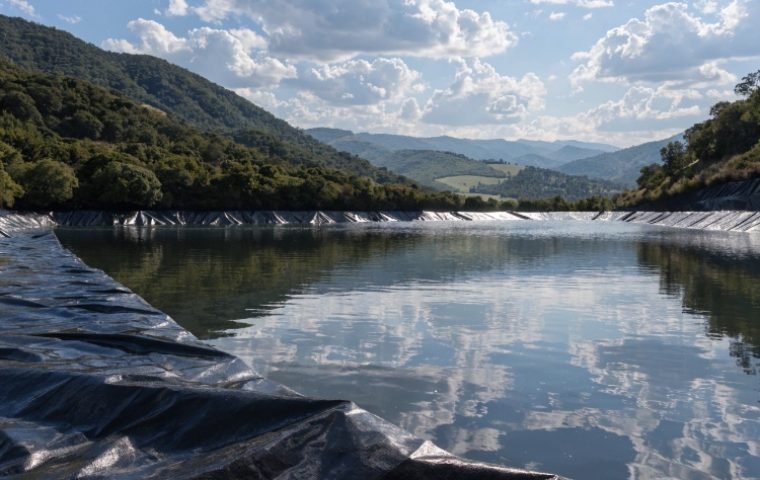
Зеленые или синие геомембраны используются для эстетической интеграции в ландшафты, пруды на полях для гольфа или проекты аквакультуры. Они помогают лайнеру сливаться с окружающей средой. Нестандартные цвета могут быть созданы для конкретных требований к брендингу или дизайну, хотя они встречаются реже.
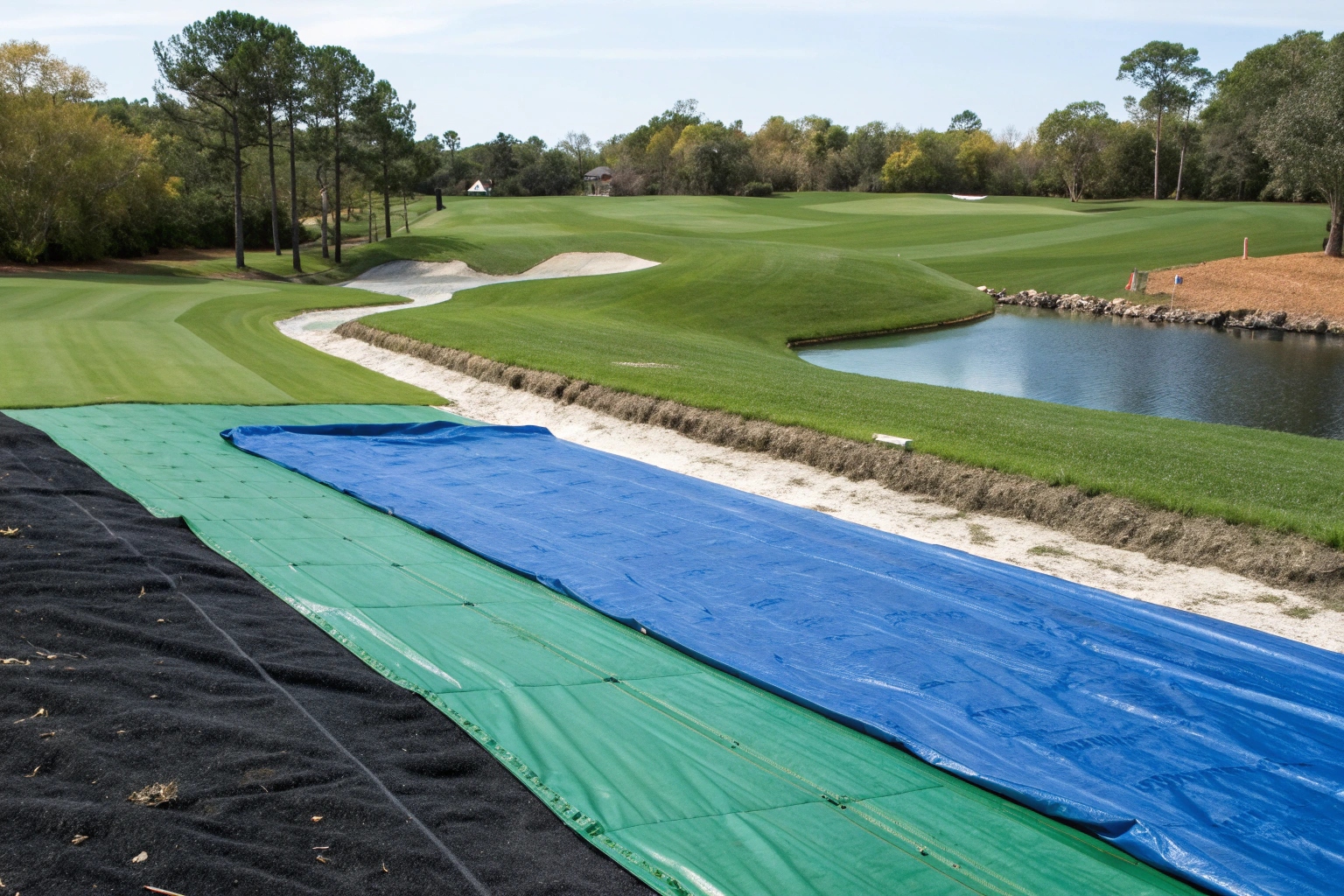
Слияние с окружающей средой
Не все проекты скрыты под землей. Для декоративных прудов, искусственных озер или оросительных каналов, проходящих через общественные места, внешний вид имеет значение. Вот где сияют цветные геомембраны.
- Голубые геомембраны: Мы часто экспортируем их для проектов в области аквакультуры. Синий цвет придает воде чистый и привлекательный вид, его предпочитают фермеры, выращивающие рыбу и креветок.
- Зеленые геомембраны: Они идеально подходят для интеграции лайнеров в ландшафт. Водные преграды на полях для гольфа, парковые пруды и архитектурно спроектированные водные объекты используют зеленый цвет для создания более естественного вида, который гармонирует с окружающим газоном и листвой.
- Серый аГеомембраны: В некоторых проектах важно, чтобы лайнер естественным образом сливался с окружающими скалами или ландшафтом. Мы предоставили серые лайнеры для таких помещений, чтобы они выглядели более естественно.
Какой цвет геомембраны лучше всего подходит для вашего применения?
Выбор неправильного цвета может привести к неожиданным проблемам на месте, например, к затрудненной сварке или преждевременному старению. Выбор правильного вкладыша с самого начала экономит время, деньги и гарантирует, что ваш проект будет работать так, как задумано.
Для большинства скрытых применений черный цвет является наиболее экономичным и долговечным выбором. Для открытых покрытий в жарком климате лучше всего подходит белый цвет. Для эстетических проектов идеально подходят зеленый и синий. Выбор всегда должен соответствовать функциональным потребностям проекта.
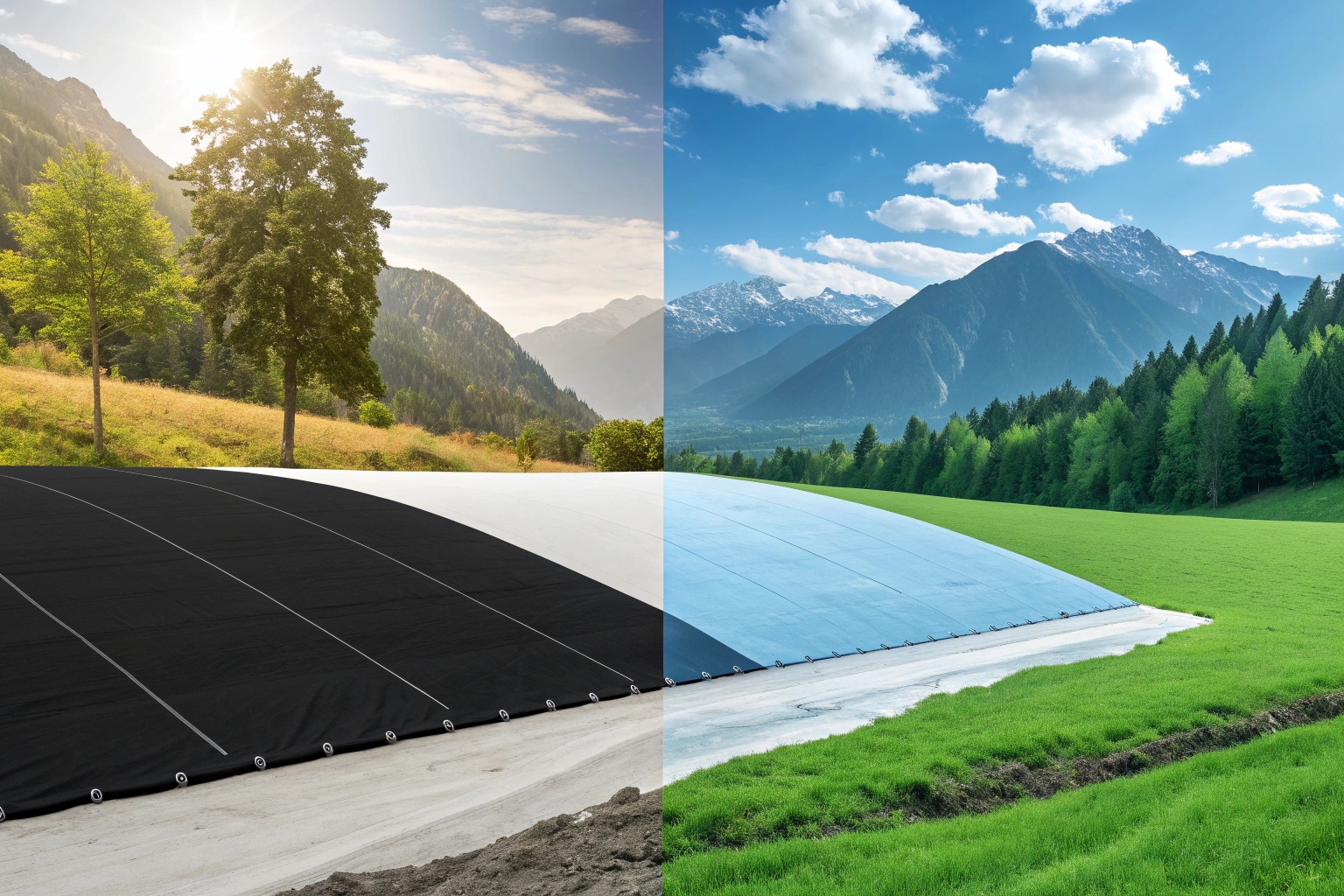
Соответствие цвета типу проекта
Как поставщик, я всегда спрашиваю своих клиентов о заявке на проект, прежде чем подтвердить заказ. Вот краткое руководство, которое я использую, чтобы помочь им сделать правильный выбор. Он основан на сотнях реальных случаев экспорта.
Краткое руководство по выбору:
-
- Рекомендация: Черный.
- Причина: Большая часть лейнера заглублена, поэтому приоритетами являются максимальная долговечность и устойчивость к ультрафиолетовому излучению технического углерода при минимальных затратах. Температура поверхности не является долговременной проблемой.
-
Площадки кучного выщелачивания для горнодобывающей промышленности:
- Рекомендация: Черный.
- Причина: Главное значение имеет долговечность и химическая стойкость. Поскольку хвостовик покрыт рудой, воздействие ультрафиолета после строительства минимально, что делает черный цвет экономичным и надежным выбором.
-
Открытый резервуар & Покрытия для пруда:
- Рекомендация: Белый или бело-черный двухслойный.
- Причина: Эти приложения полностью подвергаются воздействию солнечного света. Белая поверхность резко снижает температуру воды, ограничивает испарение и предотвращает термическое воздействие на подкладку и ее швы.
-
- Рекомендация: Синий или Черный.
- Причина: Синий часто предпочитают из эстетических соображений и из-за его влияния на поведение рыб, но черный также широко используется и отлично работает.
-
Декоративные пруды & Поля для гольфа:
- Рекомендация: Зеленый или синий.
- Причина: Эстетика является основным фактором. Цвет выбран так, чтобы гармонировать с ландшафтом и создавать особый визуальный эффект.
Как цвет влияет на цену и стоимость геомембраны?
Вам нужна цветная геомембрана, но поставщики предлагают более высокие цены и более длительные сроки поставки. Это может подорвать ваш бюджет и график. Знание факторов стоимости поможет вам лучше планировать.
Черный – самый доступный и доступный цвет. Белый зачастую немного дороже. Нестандартные цвета, такие как зеленый, синий и геомембраны, имеют более высокую цену и могут потребовать минимального количества заказа из-за специализированного производства.
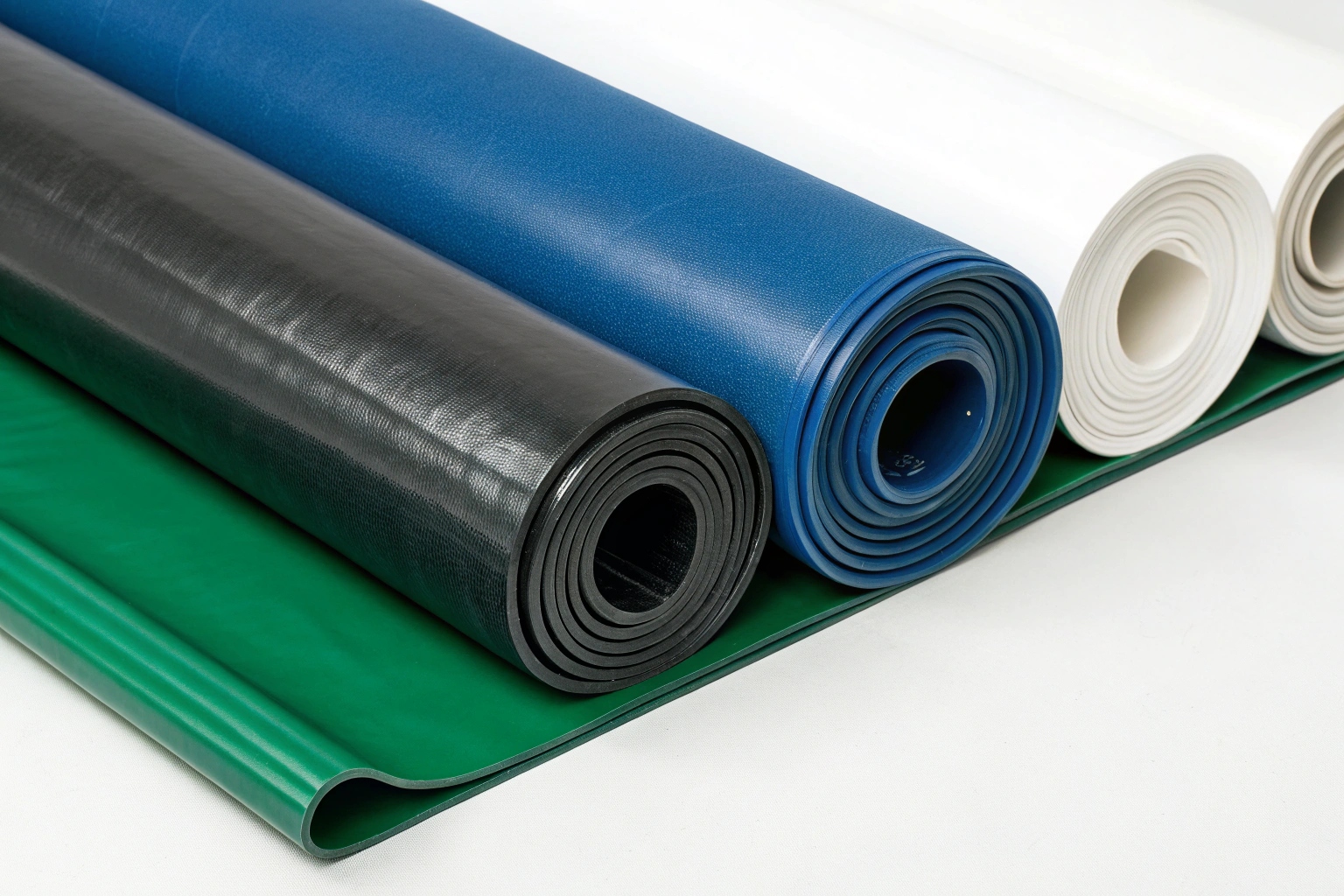
Понимание структуры затрат
Разница в цене сводится к производственной логистике. Черный — значение по умолчанию. Наши машины почти непрерывно работают с черной геомембраной.
- Стоимость пигментов: Высококачественный технический углерод является экономически эффективной добавкой. Специальные пигменты, необходимые для белого, синего или зеленого цвета, стоят дороже.
- Производственные циклы: Чтобы произвести нестандартный цвет, нам нужно остановить линию, тщательно очистить экструдер, чтобы удалить все следы черной смолы, а затем начать новый, часто меньший производственный цикл. Эти простои и дополнительная рабочая сила увеличивают стоимость.
- Минимальный объем заказа (MOQ): Из-за затрат на установку большинство фабрик, включая нашу, требуют минимальный заказ для нестандартных цветов. Для небольшого проекта это может сделать использование индивидуальных цветов непрактичным. Как поставщик, я часто работаю с клиентами, чтобы объединить заказы или найти наиболее эффективный способ удовлетворения их потребностей без чрезмерных затрат.
Долгосрочное ценностное предложение
Хотя белый лайнер может стоить на 5–15 % дороже, при правильном применении он может принести большую долгосрочную выгоду. Снижая пиковую температуру футеровки, вы снижаете скорость термоокислительной деградации, потенциально продлевая срок ее службы. Для большой открытой крышки резервуара такой увеличенный срок службы и сокращение затрат на техническое обслуживание могут легко оправдать первоначальную премию.
Заключение
В конечном счете, цвет геомембраны — это функциональный выбор, а не только эстетический. Соответствие цвета воздействию, климату и бюджету вашего проекта обеспечивает долгосрочную производительность и ценность.