

Clients frequently approach us asking to buy a "membrane gas holder" для их лагуны, но, просматривая их рисунки, я понимаю, что на самом деле им нужно плавучее покрытие. Объединение этих двух концепций — самая распространенная концептуальная ошибка, которую я наблюдаю при закупках B2B для проектов по биогазу. Если вы будете относиться к плавающей крышке как к газгольдеру, регулирующему давление, ваши последующие генераторы выйдут из строя, и ваша безопасность резко возрастет.
Плавающая крышка для биогаза — это гибкая газонепроницаемая геомембранная система, устанавливаемая непосредственно на поверхность анаэробной лагуны или резервуара. Его основная инженерная функция — герметизировать анаэробную среду и улавливать метан, а не хранить газ под постоянным давлением. Он работает путем пассивного надувания по мере накопления газа и сдувания по мере его удаления, действуя как динамическая крышка, а не как сосуд под давлением.
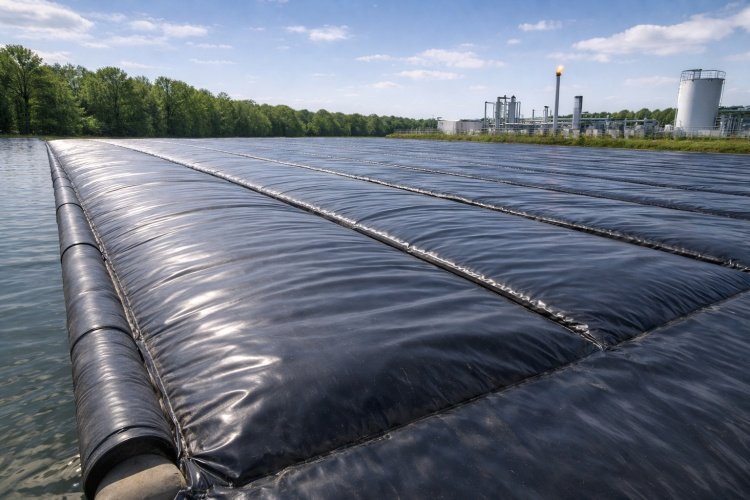
Many facility owners view the black HDPE sheet covering a pond as simply a "lid," но с инженерной точки зрения это динамический биологический интерфейс. В тот момент, когда вы запечатываете огромный объем органических отходов под мембраной, вы полностью меняете физику и химию этого места. В этом руководстве я избавлюсь от маркетингового жаргона и подробно объясню, что такое плавающая крышка, как она работает механически и почему вы должны перестать путать ее с резервуаром для хранения газа.
Что такое плавучая крышка для биогаза? (Инженерное определение)
В экспортной геосинтетической отрасли мы определили Плавающая крышка для биогаза достаточно строго, чтобы избежать провалов проекта. Это гибкая, непроницаемая мембранная система, которая плавает — либо за счет плавучести захваченного газа, либо за счет дополнительных поплавков — на поверхности жидкого дигестата. Хотя он выглядит как простой лист, на самом деле он представляет собой инженерную барьерную систему, предназначенную для отделения анаэробных процессов от атмосферы.
С точки зрения закупок и проектирования плавающее покрытие определяется тремя непреложными характеристиками:
- Гибкость: Он должен иметь возможность значительно подниматься и опускаться. Уровень жидкости в лагуне варьируется, а объем газа, находящегося под ней, варьируется. Жесткая крыша с этим не справится; только гибкая мембрана (обычно из ПЭВП или ЛПЭНП) может адаптироваться к этим изменениям объема без разрушения конструкции.
- Герметичная целостность: В отличие от крышки для дождевой воды, крышка для биогаза должна быть герметичной. Это не просто защита от дождя; он удерживает метан (CH4) и кислород (O2). Даже крошечное отверстие противоречит цели анаэробного процесса.
- Прямое взаимодействие с поверхностью: Материал находится в прямом контакте с агрессивным дигестатом и коррозионным свободным пространством биогаза.
Чем НЕ является плавающая крышка
Я не могу не подчеркнуть это достаточно: Плавающая крышка НЕ является лейнером и НЕ газгольдером.
А Лайнер – нижний слой, который предотвращает просачивание жидкости в почву. Он статичен и поддерживается землей. А Плавающая крышка является верхним слоем; он динамичен, постоянно движется и поддерживается только давлением жидкости и газа.
Кроме того, плавающее покрытие не является Газгольдер в смысле двухмембранного газового баллона. Газгольдер предназначен для обеспечения последовательный давление на выходе генератора. Плавающая крышка обеспечивает переменная давление в зависимости от того, насколько растянута мембрана. Если вы попытаетесь запустить генератор непосредственно с плавающей крышки без подкачивающего насоса или регулятора, ваш двигатель, скорее всего, заглохнет или повысится.
Роль покрова в системе анаэробного пищеварения
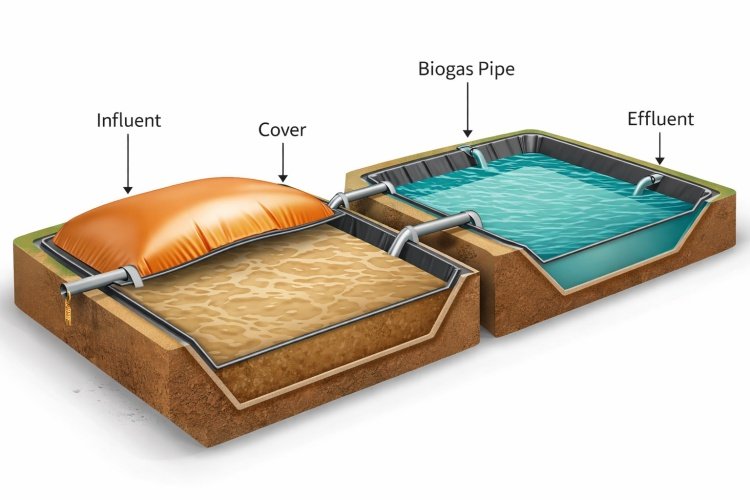
Чтобы понять, что такое плавающая крышка, вы должны представить себе, какое место она занимает в иерархии биогазовой установки. В поставляемых нами проектах мы делим типичные лагунные системы на слои. Плавающая крышка обычно занимает Уровень 5 (Система укрытий).
Системная иерархия
- Уровень 3 (Химический & Температура окружающей среды): This is the liquid digestate itself—the "soup" бактерий, кислот и твердых веществ.
- Уровень 4 (Структура сдерживания): Это земляные работы, бетонные стены и нижний слой, удерживающий жидкость.
- Уровень 5 (Система прикрытия): Это плавающая крышка. Его задача — управление интерфейсом.
- Уровень 6 (Обращение с газом): Сюда входят трубопроводы, факелы и отдельные хранилища.
The floating cover is the shield at Level 5. Its primary engineering role is to create a "biological vacuum." Анаэробные метаногены — бактерии, производящие биогаз, — мгновенно погибают в присутствии кислорода. На самом деле первая задача крышки – не улавливать газ, а исключить воздух. Запечатывая поверхность, мы позволяем процветать анаэробной биологии.
Проблемы, которые он решает на практике
По моему опыту работы с заводами по производству пальмового масла (POME) и крахмальными фабриками, клиенты устанавливают эти покрытия по трем практическим причинам:
- Устранение запаха: Открытый анаэробный пруд пахнет ужасно. Герметичная крышка снижает выделение запаха почти на 100%.
- Безопасность & Доход: Вместо того, чтобы выбрасывать метан (мощный парниковый газ и опасность пожара) в воздух, крышка его улавливает. Это превращает пассивы в топливо для производства электроэнергии.
- Сохранение температуры: Черная мембрана поглощает солнечное тепло и изолирует поверхность, сохраняя жидкость теплой. Это очень важно, потому что метаногены работают быстрее в теплой среде. Открытый пруд быстро теряет тепло; крытый пруд сохраняет его.
Как работает плавающая крышка для биогаза (механика)
The operation of a floating cover acts like a "passive lung." Он не имеет двигателей или активных механических частей, перемещающих мембрану. Вместо этого он опирается на физику образования газа и плавучести.
Цикл накопления газа
Когда варочный котел работает, пузырьки газа поднимаются из донного осадка на поверхность.
- Начальная стадия (квартира): When there is no gas, the cover creates a vacuum-like seal against the liquid. This is often called the "suction" фаза.
- Накопление (инфляция): По мере образования газа он попадает в ловушку между поверхностью жидкости и мембраной. Поскольку края запечатаны, газ не может выйти наружу. Он толкает мембрану вверх.
- The "Bubble" Эффект: The membrane acts like a giant, low-pressure balloon. The gas naturally migrates to the highest points of the cover. In a large lagoon, you will see multiple "pillows" или горбы газа, образующиеся на поверхности.
- Добыча: Система газосборных труб (обычно перфорированные трубы, плавающие под крышкой или прикрепленные к мембране) обеспечивает путь наименьшего сопротивления. Небольшое положительное давление, создаваемое весом тяжелой мембраны, выталкивает газ в трубы и наружу на факел или скруббер.
Уплотнительная механика
Как предотвратить утечку газа по краям? Это наиболее важная деталь установки. Обычно мы используем якорная траншея.
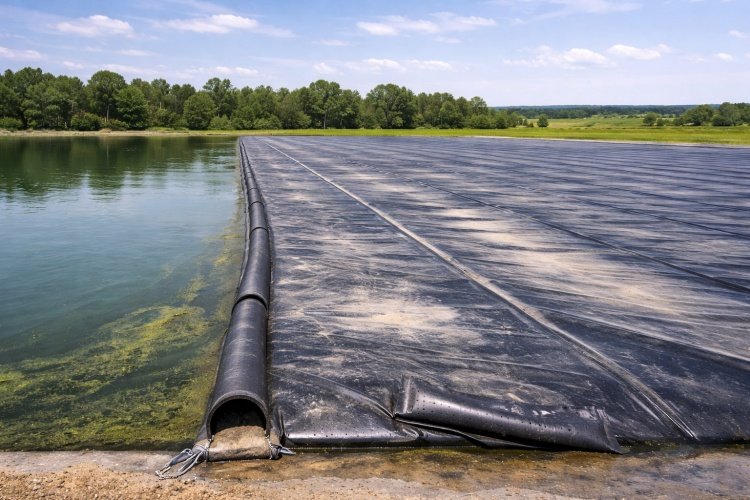
Выкапываем траншею по периметру лагуны, обычно глубиной 1 метр. Края плавучего покрытия затягиваются в эту траншею и закапываются утрамбованным грунтом или бетоном. Этот механический замок гарантирует, что даже когда в крышке соберется огромный пузырь газа, края не выдвинутся. В бетонных резервуарах мы используем плоские стержни из нержавеющей стали и неопреновые прокладки, чтобы прикрепить крышку к стене, создавая компрессионное уплотнение.
Managing the "Slack"
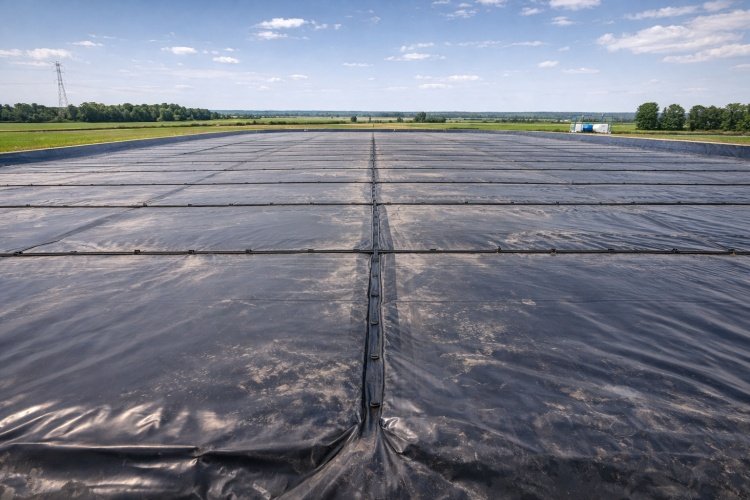
A working floating cover is never taut like a drum. It must be loose. If you install a cover tight across a pond, the first gas bubble will rip it apart. We calculate a "slack factor"—usually adding 10% to 20% extra material area compared to the flat water surface area. This extra material allows the cover to swell up with gas and move down when the liquid level drops, without stressing the welds.
Типичная структура компонентов плавающей крышки
Плавающая крышка — это не просто лист пластика. Это система сварных панелей и аксессуаров. В наших экспортных проектах примерно 30% стоимости проекта уходит на аксессуары и сварку, а не только на рулон необработанной мембраны.
Мембранное тело
Два наиболее распространенных материала, которые мы поставляем: HDPE (полиэтилен высокой плотности) и LLDPE (линейный полиэтилен низкой плотности).
- ПНД: Рабочая лошадка отрасли. Он обеспечивает превосходную стойкость к ультрафиолетовому излучению и химическую стойкость к агрессивному H2S в биогазе. Он жесткий и сильный. Мы рекомендуем это для больших открытых лагун, покров которых подвергается интенсивному солнечному свету в течение 10+ лет.
- ЛПЭНП: More flexible and "stretchy." Он лучше подходит для небольших резервуаров или регионов с резкими колебаниями температуры, поскольку он лучше справляется с тепловым расширением, не образуя складок и не растрескиваясь под напряжением.
Система балласта и веса
Вы не можете просто так отпустить газ куда угодно. Если вы это сделаете, ветер развернет надутый чехол, потенциально повредив его. Мы устанавливаем балластные грузы— обычно бетонные блоки или мешки с песком, наполненные гравием, расположенные в определенном порядке наверху покрытия.
Эти веса создают определенные каналы. Они заставляют газ течь к коллекторным трубам и не дают крышке превратиться в гигантский парус во время шторма. Они также помогают направлять дождевую воду в отстойники насосов (подробнее об этом позже).
Газовые и водные порты
Крышка нуждается в проникновении, но каждая дыра – это риск.
- Газовые отверстия: Убедитесь, что газ может покинуть систему.
- Инспекционные люки: Позвольте операторам брать пробу осадка или вставляйте миксеры, не снимая всю крышку.
- Насосы для дождевой воды: Это самый игнорируемый компонент. Поскольку покрытие плавает, дождевая вода будет скапливаться на нем. Если вы не откачаете эту воду, вес может затопить крышку или затопить трубы сбора газа. На крышку, где стоят погружные насосы, устанавливаем утяжеленные низкие точки (отстойники) для автоматического отвода дождевой воды.
Сценарии применения (где это имеет смысл)
Floating covers are not the universal solution for every biogas plant. In my workflow, I categorize projects into "Low Tech/Large Area" and "High Tech/Compact." Плавающие крышки доминируют в первой категории.
Идеальный сценарий: CSTR и большие лагуны
Идеальным применением плавающей крышки является большая земляная лагуна или Крытая анаэробная лагуна (CAL).
Например, на заводе по переработке крахмала в Юго-Восточной Азии объем сточных вод огромен — часто десятки тысяч кубических метров. Построить стальной или бетонный резервуар такого объема финансово невозможно. Единственное жизнеспособное решение — большой вырытый пруд, облицованный полиэтиленом высокой плотности и накрытый плавающей крышкой из полиэтилена высокой плотности.
Здесь основной целью является очистка сточных вод и уменьшение объема. Добыча газа ведется в больших объемах, но при низком давлении. Плавающая крышка образует массивный и экономичный корпус реактора.
Системы низкого давления
Плавающие крышки также подходят для Низкопроизводительные анаэробные варочные котлы где использование газа происходит немедленно (например, котел работает непрерывно). Поскольку крышка плохо сохраняет давление, система работает лучше всего, если газ потребляется по мере его добычи или если после него имеется отдельный компрессор и резервуар для хранения.
Где мы их не используем
Если ваш проект представляет собой компактный варочный котел пищевых отходов с высоким содержанием твердых частиц в центре города, плавающая крышка редко является правильным выбором. На этих объектах обычно требуются вертикальные резервуары (CSTR) с установленными сверху двухмембранными газгольдерами для экономии места и обеспечения регулирования давления.
Риск, ограничения и случаи, когда это НЕ рекомендуется
Это тот раздел, где я должен защитить вас от неудачной покупки. Принципы EEAT требуют честности в отношении ограничений. Как поставщик, я мог бы просто продать вам материал, но если заявка будет ошибочной, вы будете винить в этом материал, когда система выйдет из строя.
Ограничение 1: Регулирование нулевого давления
Плавающая крышка генерирует почти нулевое давление. Единственное давление исходит от веса самого пластикового листа (который минимален) и любых добавленных балластных грузов. Обычно это менее 1-2 мбар. Большинству генераторов биогаза требуется значительно более высокое входное давление (часто 20-50 мбар и более).
Риск: Если вы подключите генератор непосредственно к плавающей крышке, двигатель будет высасывать газ быстрее, чем он вырабатывается, создавая вакуум, который может засосать крышку в ил, повреждая мешалки. Ты должен установите блок газодувки/усилителя между крышкой и двигателем.
Ограничение 2: уязвимость к дождевой воде
В тропических регионах (где работают многие из моих клиентов) серьезную угрозу представляют сильные муссоны.
Риск: Плавающая крышка превращается в гигантский резервуар для сбора дождевой воды. Если ваши насосы для отвода дождевой воды выйдут из строя или потеряют мощность во время шторма, на верхней части крышки скопятся тонны воды. Этот вес вытесняет дигестат внизу, что потенциально может привести к выходу лагуны из берегов. Я видел, как лагуны прорывали свои дамбы, потому что вес дождевой воды на укрытии толкал жидкий слой к точке перелива. Активное управление насосами для дождевой воды является обязательным.
Ограничение 3: Сложность обслуживания
После установки плавающей крышки и наполнения лагуны вы не сможете легко увидеть, что происходит под ней.
Риск: If your lagoon fills up with sand or sludge (silting), or if a mixer breaks, you cannot access it without removing the cover or sending in hazardous duty divers. Unlike a steel tank with a side hatch, a covered lagoon is a "black box." Вам необходима тщательная предварительная обработка (удаление песка) перед тем, как отходы попадут в отстойник, чтобы предотвратить его заполнение твердыми частицами.
Распространенные недоразумения & Технические разъяснения
There is a recurring confusion in the industry between "collection" and "storage." Let's clear this up using the "Floating Cover vs. Gas Holder" дебаты.
Misunderstanding: "The floating cover is my gas storage."
Клиенты часто рассчитывают объем под надутой крышкой и предполагают, что смогут хранить столько газа для последующего использования (например, для запуска генератора только в часы пик).
Реальность: Пока плавающая крышка делает удерживайте том, это ненадежное хранилище. Когда объем газа падает, тяжелый пластиковый лист прогибается. Это провисание создает складки и карманы, в которых газ задерживается и не может достичь выпускной трубы. Теоретически у вас может быть 1000 м³ пространства, но вы сможете эффективно извлечь только 600 м³, прежде чем крышка заблокирует собственное выпускное отверстие.
Кроме того, когда крышка сдувается, давление падает до нуля. В настоящем газгольдере используется внутренняя мембрана (газ) и внешняя мембрана (воздух) для поддержания постоянного давления независимо от объема. Плавающая крышка не может этого сделать.
Уточнение:
- Плавающая крышка: Цель дизайна = Покрытие & Коллекция. Он изолирует жидкость и направляет газ в трубу.
- Двойной мембранный газгольдер: Цель дизайна = Хранилище & Буферизация. Он удерживает газ при заданном давлении для стабильного дальнейшего использования.
Если вам нужно хранить газ в течение 8 часов для работы генератора в ночное время, купите автономный газовый баллон с двойной мембраной. Не полагайтесь на покрытие лагуны.
Заключение
А Плавающая крышка для биогаза является наиболее экономичным решением для герметизации больших анаэробных лагун и улавливания метана. Он функционирует как гибкая пассивная крышка, которая надувается при выделении газа, а для безопасной работы используется герметичная сварка и правильный балластный вес.
Однако очень важно помнить о его роли в системе: это Система покрытия , а не высокотехнологичный резервуар для хранения. Он эффективно исключает кислород и смягчает запахи, но обеспечивает плохую регулировку давления и требует активного управления дождевой водой.
Если вы планируете крупномасштабный проект по очистке сточных вод, плавающая крышка, вероятно, будет вашим лучшим вариантом. Но если вам нужна точная буферизация газа для комплексного производства электроэнергии, вам необходимо соединить эту крышку с соответствующей системой обработки газа или отдельным держателем для хранения. Не просите крышку выполнять работу, для которой она не предназначена.