

Odabir geomembrane niske kvalitete riskira neuspjeh zadržavanja, štetu okolišu i ogromne troškove popravka. Kako možete uočiti loš proizvod prije nego bude prekasno i zaštititi svoje ulaganje u projekt?
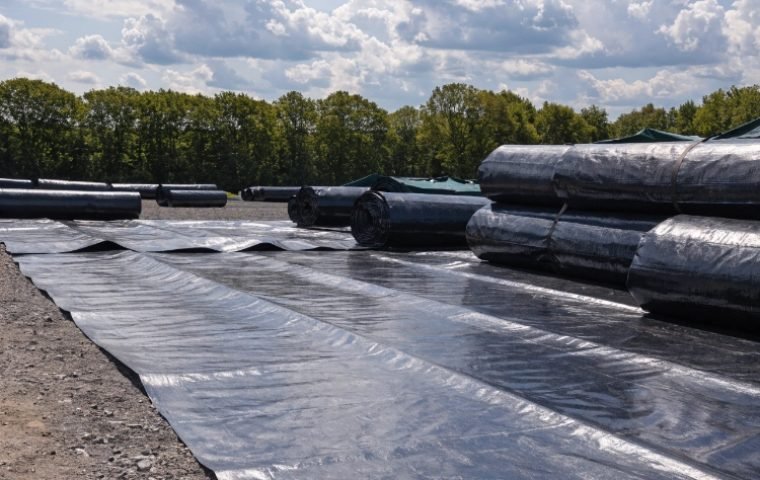
Kako biste brzo provjerili kvalitetu geomembrane, potražite glatku, sjajnu crnu površinu bez mrlja. Kvalitetna podstava djeluje fleksibilno, vrlo ju je teško trgati i na njoj se neće vidjeti bijeli nabori nakon višestrukog savijanja.

Kao dobavljač, vidio sam sve. Klijent dobije uzorak koji dobro izgleda, ali je isporučeni proizvod krt i otkaže prilikom ugradnje. Ili još gore, zakaže nakon nekoliko godina u službi. Za početnu provjeru kvalitete ne treba vam cijeli laboratorij. Kad posjećujem tvornice ili kad moji klijenti primaju uzorke, kažem im da koriste nekoliko jednostavnih, praktičnih testova. Ove brze provjere vaša su prva linija obrane od loše kvalitete.
Koje tehničke pokazatelje trebam ispitati kada ocjenjujem kvalitetu izrade geomembrane?
Geomembrana izgleda dobro na roli, ali skriveni nedostaci u proizvodnji mogu ugroziti njen integritet. Kako uočiti lošu kvalitetu samo gledajući i pipajući uzorak?
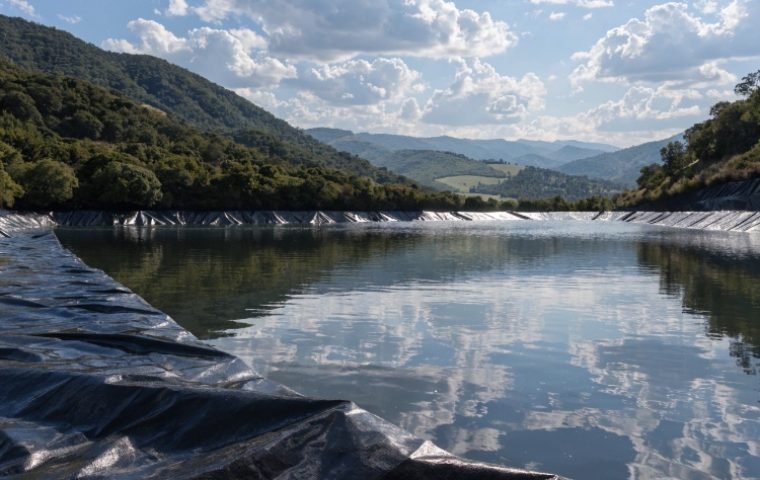
Provjerite ima li površina ujednačenu, sjajnu crnu boju, bez mrlja, čestica ili mjehurića. Kvalitetna HDPE obloga je glatka na dodir, dok je proizvod loše kvalitete često hrapav ili neravan.
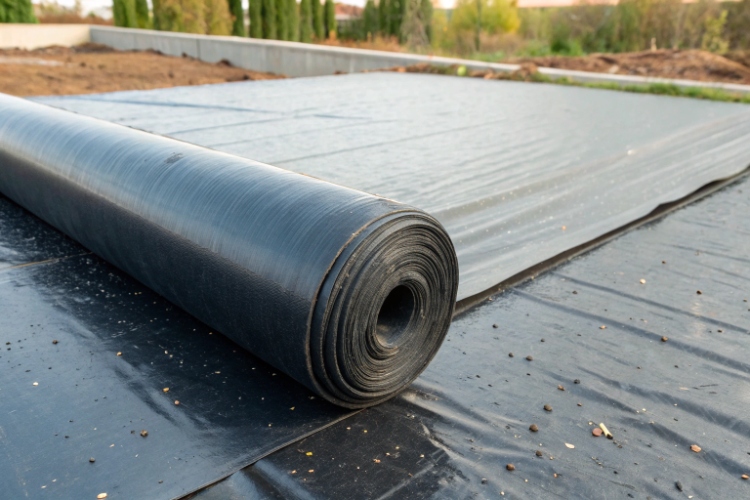
Kad stignu prvi uzorci od potencijalnog dobavljača, to su točno stvari koje odmah provjeravam. Vaše oči i ruke mogu vam puno reći prije nego što uopće pogledate tehnički list.
Površina i boja
Geomembrana vrhunske kvalitete, izrađena od 100% Djevičanska HDPE smola, imat će dosljedan, sjajno crni izgled. Površina bi trebala biti potpuno glatka na dodir. Budite u potrazi za crvenim zastavicama kao što su dosadna ili mat završna obrada, vidljive čestice ili mali mjehurići ispod površine. To su često znakovi da je proizvođač upotrijebio reciklirane materijale ili ima lošu kontrolu kvalitete. Svaki od ovih nedostataka može postati točka stresa, smanjujući otpornost košuljice na probijanje.
Fleksibilnost i trganje
Take a corner of the sample and bend it back and forth. A high-quality liner is flexible and tough. You should be able to bend it repeatedly—at least five times—without seeing any white stress marks or cracks appear. Now, try to tear it. It should be very difficult. When it finally does tear, the edge should look stretched and almost "gummy," nije čisti, lomljivi ugriz. Krhki proizvod niske kvalitete može puknuti ili se čak slomiti nakon samo dva ili tri savijanja. Ovaj jednostavan test govori vam mnogo o kvaliteti korištenog polimera.
| Indikator kvalitete | Geomembrana visoke kvalitete | Geomembrana niske kvalitete |
|---|---|---|
| Površinski | Glatka, sjajna, ujednačene boje | Grubo, bez sjaja, mrlje, mjehurići |
| Fleksibilnost | Savija se 5+ puta bez gužvanja | Pukne ili pokazuje bijele mrlje u 2-3 zavoja |
| Trganje | Teško se trga; rastegnuti rub | Lako se suze; čist, lomljiv prekid |
Kako mogu procijeniti ispunjavaju li fizikalna i mehanička svojstva geomembrane zahtjeve projekta?
Podatkovna tablica navodi mnogo brojeva, ali oni mogu biti besmisleni bez konteksta. Kako ćete znati je li geomembrana zapravo dovoljno jaka da podnese naprezanja vašeg specifičnog projekta?
Provjerite vlačnu čvrstoću i istezanje pri prekidu. Kvalitetna HDPE geomembrana trebala bi imati vlačnu čvrstoću preko 27 MPa i biti sposobna rastegnuti se više od 700% (7 puta više od svoje duljine) prije pucanja.
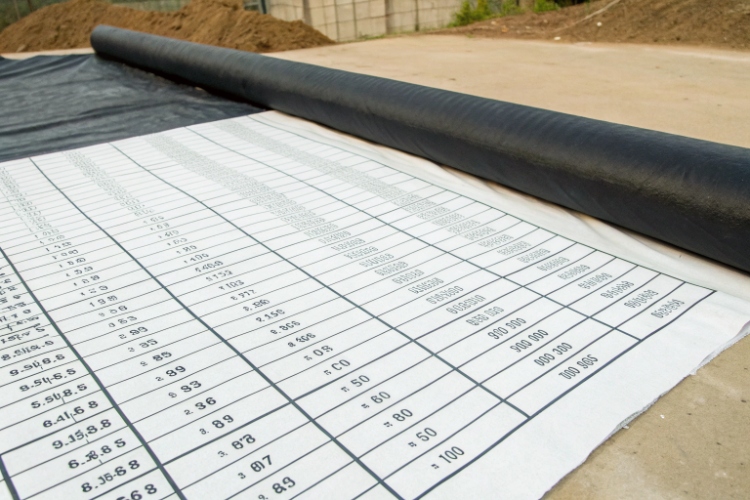
Iako to ne možete testirati na terenu, ovo su dva najkritičnija broja koja morate provjeriti u tehničkim podacima proizvođača. Oni vam točno govore kako će se materijal ponašati pod stresom tijekom instalacije i dugoročno.
Visokokvalitetna geomembrana izrađena od djevičanske smole ima nevjerojatnu snagu i rastegljivost. Zamislite to kao visokokvalitetni čelik protiv krhkog željeza. Geomembrana se mora moći rastezati i deformirati oko stijena ili taloženja bez probijanja ili kidanja. A vlačna čvrstoća od 27 megapaskala (MPa) ili više osigurava da može podnijeti značajne vučne sile. Još važnije je produljenje. Sposobnost istezanja preko 700% znači da je materijal iznimno čvrst i otporan. Može apsorbirati ogromnu količinu energije prije nego što otkaže.
Nasuprot tome, proizvod niske kvalitete izrađen od recikliranih materijala imat će puno niže vrijednosti. Vidio sam specifikacije za jeftine obloge s vlačnom čvrstoćom ispod 17 MPa i istezanjem ispod 400%. Ovaj materijal je krt. Ne može podnijeti naprezanje instalacije ili pomicanje tla, što ga čini visokorizičnim izborom za bilo koju ozbiljnu primjenu u zatvorenom prostoru.
Koje testove trebam provjeriti da potvrdim trajnost i životni vijek geomembrane?
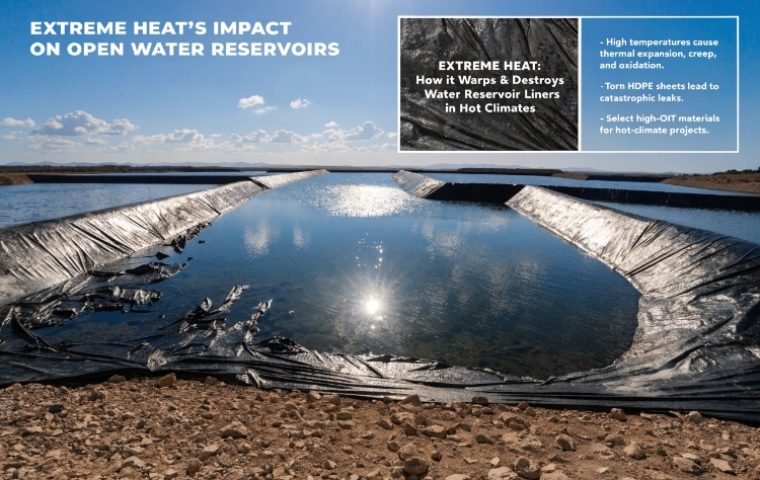
Vaša će se podstava desetljećima suočavati s jakim kemikalijama, intenzivnom sunčevom svjetlošću i temperaturnim promjenama. Kako možete biti sigurni da materijal koji odaberete neće postati krt i popucati, što će dovesti do katastrofalnog curenja?
Morate provjeriti da je vrijeme indukcije oksidacije (OIT) dulje od 20 minuta i da otpornost na pucanje pod utjecajem okoliša (ESCR) prelazi 300 sati. Također, osigurajte da sadržaj čađe bude između 2% i 3% za UV stabilnost.
Dobro izgledati i osjećati se snažno je jedna stvar, ali trajati desetljećima je druga stvar. Dugoročna učinkovitost vaše geomembrane određena je njenom otpornošću na starenje od kemikalija, topline i UV zračenja. Ovo ne možete vidjeti svojim očima, pa se morate osloniti na certificirane rezultate ispitivanja za ove ključne parametre.
| Test trajnosti | Što mjeri | Standard kvalitete |
|---|---|---|
| Vrijeme indukcije oksidacije (OIT) | Otpornost na propadanje od topline i kisika (starenje). | ≥20 minuta (standardni OIT) |
| Otpornost na pucanje od utjecaja okoliša (ESCR) | Otpornost na pucanje pod stresom u kemijskom okruženju. Mjereno pomoću ASTM D5397. | ≥300 sati |
| Sadržaj čađe | Količina UV stabilizatora u materijalu. | 2% - 3% |
| Otpornost na kemikalije | Stabilnost kada je izložen kiselinama i alkalijama. | Nema promjena nakon 72 sata u okolišu pH 1-14. |
OIT test vam u osnovi govori koliko dugo će paket antioksidansa u podlozi trajati. To je izravna mjera njegove otpornosti na starenje. ESCR je kritičan za svaki projekt s promjenama temperature ili potencijalnim pomicanjem tla, jer dokazuje da košuljica neće puknuti pod dugotrajnim opterećenjem. A za bilo koju podlogu izloženu sunčevoj svjetlosti, oko tih 2-3% sadržaja čađe se ne može pregovarati. To je materijal za zaštitu od sunca. Bez toga, košuljica se može pretvoriti u prah za samo nekoliko godina.
Kako mogu usporediti specifikacije geomembrane da bih bio siguran da ću odabrati pouzdan proizvod?
Niska cijena je uvijek primamljiva, ali često skriva korištenje recikliranih materijala i dramatično kraći vijek trajanja. Kako izbjeći ovu skupu zamku i odabrati proizvod koji će stvarno raditi?
Usporedite gustoću materijala na specifikacijama; izvorni HDPE uvijek treba biti 0,94 g/cm³ ili više. Budite krajnje sumnjičavi prema cijenama koje su 30% ili više ispod tržišnog prosjeka, jer gotovo uvijek ukazuju na reciklirani sadržaj.
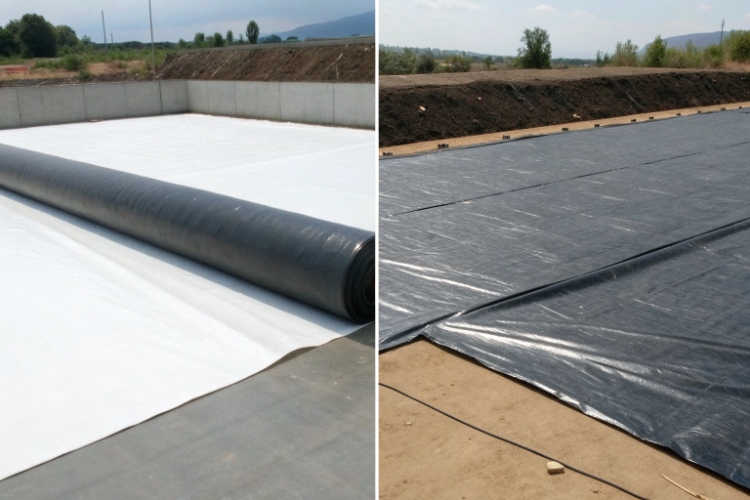
Uvijek kažem svojim klijentima da ako se cijena čini predobra da bi bila istinita, ona i jest. Najveći način na koji proizvođač može smanjiti troškove je korištenje reciklirana plastika umjesto 100% djevičanske smole. Ova odluka ima katastrofalan učinak na životni vijek konačnog proizvoda.
Najpouzdaniji način da to uočite je provjera gustoće. Čisti, neobrađeni HDPE ima gustoću od 0,94 g/cm³ ili nešto više. Reciklirani materijali manje su čisti i gotovo uvijek imaju nižu gustoću. Ako dobavljačev podatkovni list navodi nižu gustoću ili ako odbije dati vrijednost, to je velika crvena zastavica. Obloga izrađena od recikliranog sadržaja može trajati 20 godina pod zemljom, dok je obloga od djevičanske smole projektirana da traje više od 100 godina. Za izložene nanose razlika je još očiglednija: kvalitetna UV-stabilizirana podloga trajat će više od 5 godina, dok se jeftina doslovno može pretvoriti u prah za manje od dvije.
Kada posjetite faktor ili pregledate uzorke, jednostavne provjere o kojima smo govorili vaša su prva linija obrane. Ali da biste doista zaštitili svoje ulaganje, morate biti svjesni uobičajenih pogrešaka pri odabiru izvora. O njima sam detaljno govorio u drugom članku o uobičajene zamke koje treba izbjegavati pri nabavi geomembrana.
Zaključak
Kako biste osigurali kvalitetu geomembrane, fizički pregledajte površinu obloge, provjerite ključne specifikacije kao što su vlačna čvrstoća i gustoća i nikada ne dopustite da neobično niska cijena pomuti vašu prosudbu o proizvodu.Pokretanje projekta