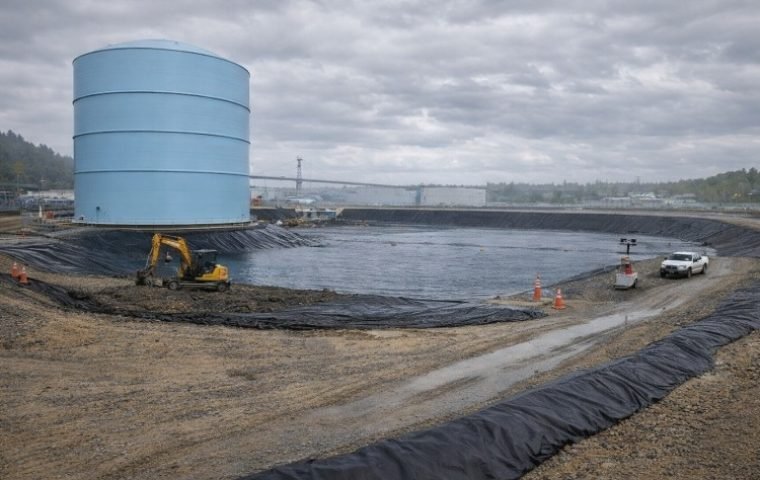
A single ruptured storage tank can unleash thousands of gallons of toxic hydrocarbons into the soil. Without an immediate backup barrier, the resulting environmental disaster brings crushing cleanup costs and regulatory shutdowns. Proper containment stops this instantly.
This guide explains the critical requirements of secondary containment in oil and gas facilities, evaluating standard systems like concrete and compacted clay against modern high-density polyethylene (HDPE) geomembranes. You will practically learn how to select the right liner to ensure regulatory compliance, prevent costly environmental liability, and guarantee long-term operational safety.

In my years of supplying geosynthetics to international oil and gas projects, I have seen exactly what happens when primary storage fails. Equipment ages, valves break, and tanks rupture under pressure. When these inevitable failures occur, a reliable site setup makes the difference between a minor maintenance cleanup and a multi-million-dollar environmental catastrophe.
Introduction: The High Stakes of Hydrocarbon Storage
The oil and gas industry operates under constant, inherent risk. Facilities handle massive volumes of crude oil, diesel, produced water, and aggressive processing chemicals on a daily basis. Even with rigorous maintenance schedules, the risk of oil spills and chemical leaks is never zero.
When a spill breaches the confines of a primary storage tank, it immediately seeks the lowest point on the ground. If the ground is unprotected, the chemicals quickly saturate the soil matrix and travel downward to the water table. The resulting environmental pollution causes severe ecological damage, but it also triggers massive financial penalties, forced facility closures, and extensive site remediation costs that can drag on for years. This is where secondary containment systems play a critical role, acting as the ultimate safety net between industrial operations and the natural environment.
What Is Secondary Containment?
To understand how to protect your site, you must distinguish between primary and secondary defenses. Primary containment refers to the actual vessels holding the fluids—the steel storage tanks, silos, and pipelines.
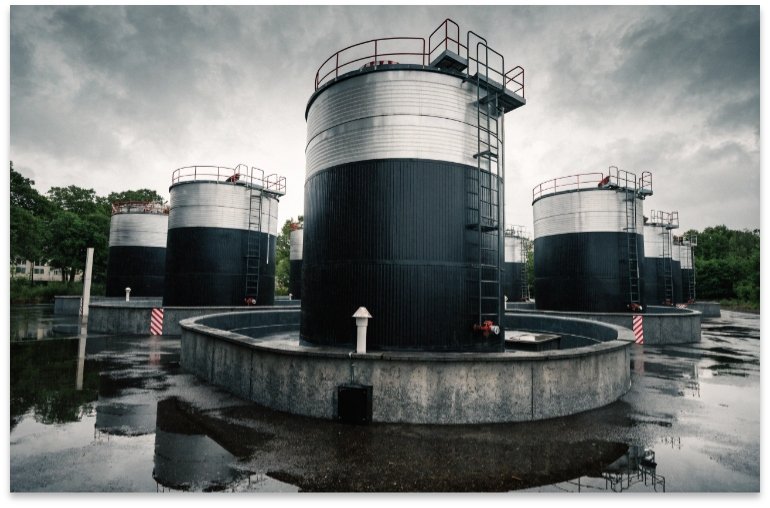
In contrast, secondary containment is a backup system designed to capture leaks, spills, and contaminated runoff from the primary vessels before they can reach the surrounding environment. It is the designated catchment area built around or beneath the tanks.
In field applications, these backup systems take several structural forms. You will commonly see earthen berms constructed around tank farms, lined pits for drilling fluids, and walled containment areas built under pipeline manifolds. Regardless of the shape, the absolute core objective remains the same: to create a completely impermeable barrier that temporarily holds spilled hazardous liquids, preventing the contamination of soil and groundwater until the spill can be safely pumped out and remediated.
Why Is Secondary Containment Required?
Buyers often view containment strictly as a regulatory hurdle, but in real-world project management, it serves three critical, interconnected functions.
1 Environmental Protection
The primary technical purpose of containment is environmental isolation. Hydrocarbons and fracking chemicals are highly toxic. If they penetrate the earth, they alter soil chemistry and effectively destroy local plant life. Worse, if these contaminants reach local groundwater reservoirs, the ecological damage becomes permanent, affecting human drinking water and local agriculture. A physical barrier intercepts these fluids at the surface.
2 Regulatory Compliance
In almost every global jurisdiction, secondary containment is legally mandatory. In the United States, for example, the Environmental Protection Agency (EPA) strictly enforces the Spill Prevention, Control, and Countermeasure (SPCC) rule. This regulation dictates that facilities storing significant quantities of oil must have adequately sized secondary containment systems in place. If inspectors find a site operating without proper containment—or with a degraded, leaking containment area—the facility faces immediate, heavy fines and stop-work orders. No containment simply means no legal operation.
3 Cost and Risk Management
From a pure business perspective, disaster mitigation is far cheaper than disaster recovery. The cost to excavate, transport, and properly dispose of deep, oil-soaked soil is astronomical. Furthermore, an uncontained spill often mandates a complete facility shutdown, resulting in devastating downtime and lost revenue. When you factor in potential third-party lawsuits and liability claims from neighboring landowners, the value of a physical barrier is obvious. Secondary containment is not just an environmental measure—it is a financial safeguard.
Common Types of Secondary Containment Systems and Their Limitations
When selecting materials for a project, facilities generally choose from four standard containment methods. Each has its place, but buyers must understand the strict limitations and risks associated with traditional materials.
Concrete Containment:
Poured concrete walls and floors are incredibly strong and resistant to physical impact. However, concrete is rigid. As the ground naturally settles over time, or as freeze-thaw cycles occur, concrete cracks. These microscopic cracks allow chemicals to seep through unnoticed. Furthermore, pouring concrete over acres of land is extremely expensive and time-consuming.
Steel Containment:
Corrugated steel rings are often deployed around single, smaller tanks. While highly secure and quick to assemble, steel is highly susceptible to rust and chemical corrosion, requiring constant coating maintenance. It is not viable for large-area containment.
Compacted Clay Liners (CCL):
Historically, engineers relied on digging deep pits and packing them with dense, low-permeability clay.
The Limitation: Clay is highly vulnerable to weather. If a compacted clay liner dries out under the sun, it suffers from severe desiccation cracking, destroying its impermeability. Additionally, many aggressive petrochemicals actually alter the structure of clay upon contact, causing it to become porous. I strongly advise against relying solely on clay for high-risk chemical storage.
HDPE Geomembrane Liners:
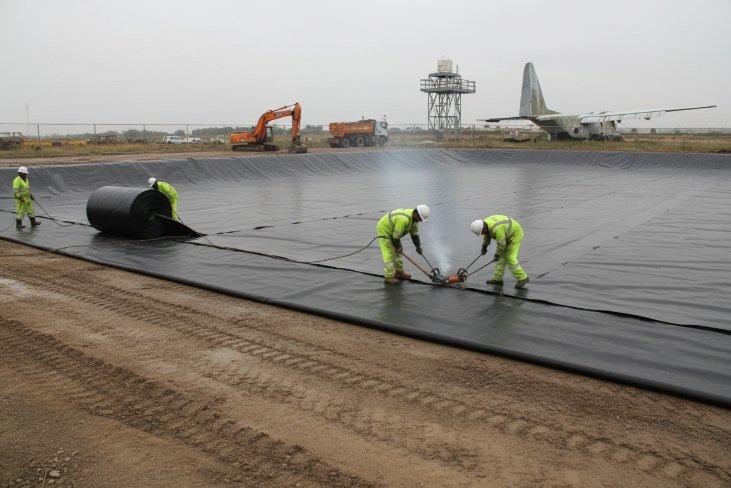
High-density polyethylene (HDPE) has become the global industry standard for large-scale secondary containment. It replaces the bulk of clay and the rigidity of concrete with an engineered, impermeable synthetic barrier. However, HDPE requires a carefully prepared subgrade and specialized heat welding to ensure seam integrity.
Why HDPE Liners Are the Preferred Solution
When evaluating materials for international export and large-scale B2B projects, HDPE geomembranes are overwhelmingly the preferred choice for oil and gas facilities. Here is why this material outperforms traditional methods in the field.
Otpornost na kemikalije
HDPE is virtually inert to a massive spectrum of harsh chemicals. It inherently resists degradation when exposed to crude oil, diesel fuel, harsh drilling acids, and highly saline produced water. Unlike concrete (which absorbs liquids) or steel (which rusts), HDPE maintains its structural integrity even during prolonged contact with spilled hydrocarbons.
Low Permeability
The core requirement of a containment system is to stop liquid migration. HDPE geomembranes provide a nearly impermeable barrier. When manufactured at the correct thickness, the percolation rate is functionally zero.
Durability and UV Resistance
Secondary containment systems are almost always installed outdoors and fully exposed to the elements. High-quality HDPE liners are manufactured with carbon black and antioxidants, granting them exceptional UV resistance. They do not turn brittle and shatter under intense desert sun, allowing for a service life that can span decades.
Fleksibilnost
Unlike rigid concrete systems, HDPE is highly flexible. It easily adapts to uneven terrain, settling soils, and the complex geometry of earthen berms without cracking. If the ground shifts beneath a tank farm, the HDPE liner simply stretches and conforms instead of breaking.
Cost Efficiency
Transporting rolls of HDPE is vastly cheaper than hauling hundreds of trucks of raw concrete or specific clay to a remote drilling site. The installation timeline is also significantly faster. When properly installed, an HDPE geomembrane forms a continuous, welded, leak-proof containment system at a fraction of the cost of traditional civil engineering methods.
Typical Applications in Oil & Gas
Geomembranes are highly versatile and are deployed across the entire supply chain of the petroleum industry.
Tank Farms and Bulk Storage:
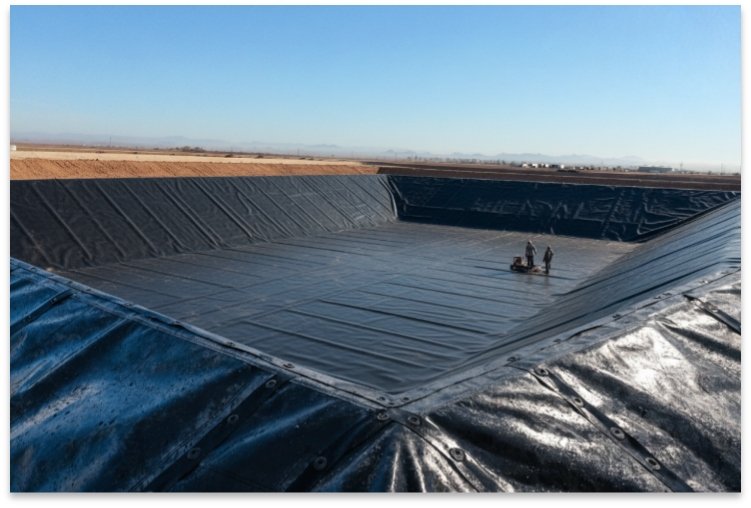
Large earthen dikes are constructed around massive crude and refined product tanks. The HDPE liner is draped over the berms and across the floor, creating a massive, continuous "bowl" capable of holding the entire volume of the largest tank in case of a catastrophic rupture.
Refineries and Processing Plants:
Refineries rely heavily on holding ponds for processing wastewater and chemical runoff. These open-air pits are lined with heavy-duty HDPE to prevent toxic wastewater from leaching into the ground before it can be treated.
Drill Pads and Fracking Pits:
During active drilling, operators use reserve pits to hold drilling mud and hydraulic fracturing ("fracking") fluids. Because these sites are often temporary but highly toxic, HDPE is used to line the active drill pad area to catch immediate operational spills.
Pipeline Containment:
Where pipelines emerge above ground for valving, pumping stations, or manifold transfers, the immediate area beneath the infrastructure is trenched and lined to catch localized drips and pressure-release spills.
Key Design and Installation Considerations
Procuring high-quality HDPE is only the first step. In my experience, site failures rarely happen because the plastic itself failed; they happen because of poor design and sloppy installation. Proper design and installation are just as important as material selection.
Priprema podloge:
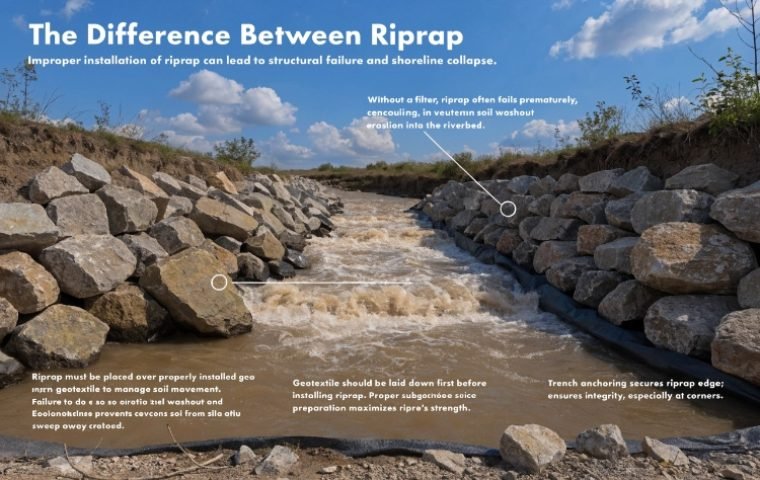
Geomembranes are tough, but they are vulnerable to puncture from underneath. The soil subgrade must be heavily compacted, smoothed, and completely cleared of sharp rocks, roots, or construction debris. In areas with rocky soils, a heavy nonwoven geotextile cushion must be laid down before the HDPE liner is deployed.
Liner Thickness Selection:
For oil and gas containment, thickness matters. We typically recommend a minimum of 1.5mm (60 mil) to 2.0mm (80 mil) HDPE for hydrocarbon containment, as this provides the necessary puncture resistance for foot traffic and minor equipment stress.
Welding and Quality Control:
An HDPE liner is only as strong as its seams. The panels must be joined using dual-track thermal fusion welding. This creates a continuous channel between the two welds, allowing technicians to pressurize the seam with air. If the pressure holds, the seam is completely leak-proof. Rigorous QA/QC testing on every single inch of welded seam is absolutely mandatory for regulatory compliance.
| System Parameter | General Recommendation | Practical Application Notes |
|---|---|---|
| Vrsta materijala | HDPE (polietilen visoke gustoće) | Best balance of chemical and UV resistance |
| Debljina | 1.5mm – 2.0mm (60-80 mil) | Standard for high-risk chemical/oil containment |
| Underlayment | 300g – 500g Netkani geotekstil | Required if subgrade contains sharp stones/gravel |
| Seam Testing | Air Pressure & Destructive Testing | Mandatory to meet SPCC and EPA guidelines |
Conclusion: Securing Your Operations
Secondary containment is non-negotiable in the oil and gas sector. It is the crucial engineered barrier that separates daily industrial operations from catastrophic environmental and financial ruin. Upgrading from outdated, crack-prone clay and concrete to a fully welded, high-density polyethylene liner guarantees long-term chemical resistance, regulatory compliance, and peace of mind.
If you are currently designing a containment facility, retrofitting an aging tank farm, or planning a new drilling pad, material selection is critical to your success. At Stručnjak za vodootpornost, we manufacture and export premium HDPE geomembranes designed specifically to withstand harsh petrochemical environments. Our factory-direct liner systems can support your specific site dimensions, engineering requirements, and regulatory standards. Reach out today for technical specification sheets and a reliable procurement quote for your next project.