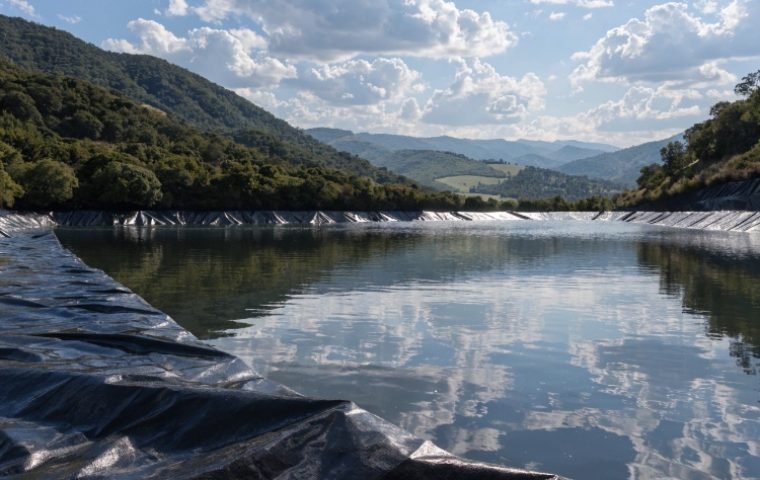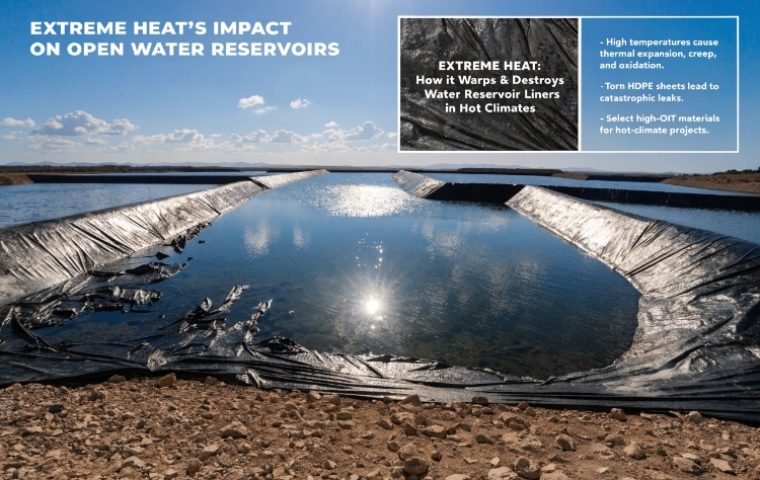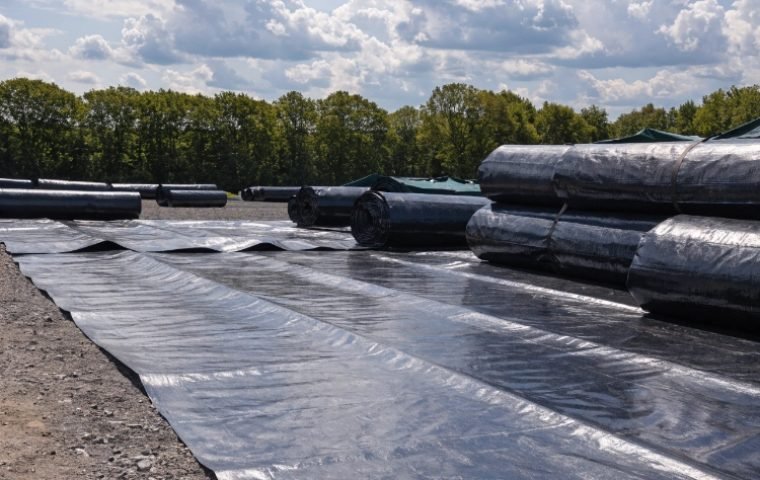


Odabir pogrešnog geotekstila za vaše odlagalište je poput unajmljivanja slabašnog zaštitara za zaštitu bankovnog trezora. Tanka, slaba tkanina će se pokidati, dopuštajući jednom oštrom kamenu da probije vašu skupu geomembranu, ugrožavajući cijeli sustav zadržavanja.
Za primjenu na odlagalištima, najprikladnije specifikacije su za netkani geotekstil s iglom, koji se obično izrađuje od polipropilena. Ključno je uskladiti težinu i čvrstoću sa specifičnim poslom: teški stupnjevi (600–2000 g/m²) za zaštitu obloge i lakši stupnjevi (200–400 g/m²) za filtraciju i odvajanje.

Kao a dobavljač geosintetike, vidio sam kako projekti trpe neuspjehe zbog specificiranja pogrešnog geotekstila. Ne radi se samo o odabiru proizvoda; radi se o razumijevanju različitih poslova koje geotekstil obavlja unutar odlagališta. Djeluje kao tjelohranitelj, filter i separator, sve odjednom. Dobijanje točne specifikacije za svaku od ovih uloga razlika je između sustava koji traje 50 godina i onog koji otkaže u pet. Prođimo kroz točno kako odabrati prave specifikacije za svoj projekt.
Koji funkcionalni zahtjevi vode odabir specifikacija geotekstila za odvajanje i filtraciju na odlagalištima?
Mnogi ljudi misle da je geotekstil samo običan sloj tkanine. Ova pogreška ih navodi da podcijene njegovu ulogu i odaberu jeftin, neadekvatan proizvod koji dovodi cijeli projekt u opasnost.
Odabir je vođen četirima primarnim funkcijama: zaštita geomembrane, filtracija procjedne vode, odvajanje različitih slojeva tla ili otpada i drenaža u ravnini za smanjenje pritiska vode.
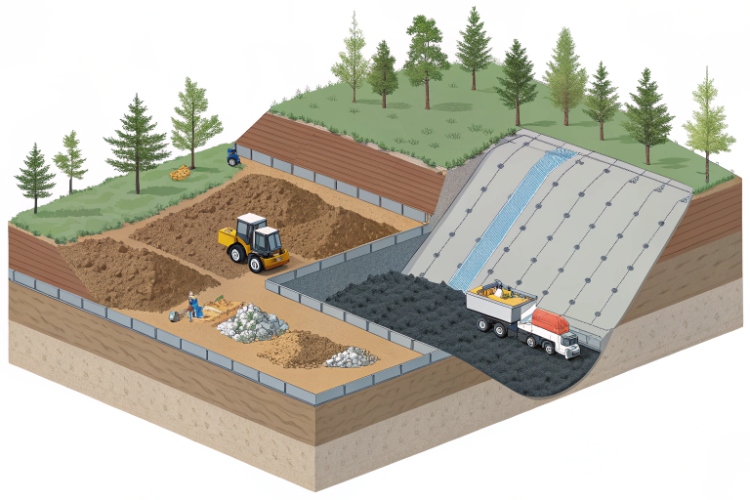
Razumijevanje ove četiri funkcije prvi je korak za odabir točne specifikacije. Svaka funkcija postavlja različite zahtjeve na tkaninu. Po mom iskustvu, objašnjavanje ovih uloga pomaže klijentima da uvide zašto pristup koji odgovara svima ne funkcionira.
| Funkcija | Što radi | Zašto je kritično na odlagalištu |
|---|---|---|
| [Zaštita] | Djeluje kao debeli jastuk za zaštitu nepropusne geomembrane od probijanja oštrim kamenjem, šljunkom ili otpadom. | Ovo je najvažnija funkcija. Jedno probijanje geomembrane može uzrokovati katastrofalno curenje. Geotekstil je tjelohranitelj geomembrane. |
| [Filtracija] | Omogućuje nesmetan prolaz vode (procjedne vode) zadržavajući sitnu zemlju ili čestice otpada. | Sprječava začepljenje sustava za prikupljanje procjednih voda (drenažne cijevi i šljunak) muljem, što bi uzrokovalo nakupljanje procjednih voda i stvaranje golemog pritiska. |
| Razdvajanje | Štiti različite slojeve materijala od miješanja. Na primjer, sprječava miješanje agregata drenažnog sloja s mekim tlom podloge. | Time se čuva cjelovitost i funkcija svakog sloja. Bez odvajanja, drenažni sloj bi izgubio svoj kapacitet i podloga bi mogla oslabiti. |
| Drenaža | Propušta vodu unutar ravnine same tkanine. Ovo je sekundarna funkcija za debele netkane tkanine. | Pomaže u ublažavanju lokalnog nakupljanja pritiska vode, posebno na padinama ili iza potpornih zidova, pridonoseći ukupnoj stabilnosti. |
Kako ključna svojstva—kao što su vlačna čvrstoća, permitivnost i otpornost na probijanje—utječu na prikladnost geotekstila?
Tehnički list geotekstila može biti zbunjujući, pun tehničkih izraza i brojeva. Fokusiranje na pogrešno svojstvo, kao što je samo vlačna čvrstoća, može vas navesti da odaberete proizvod koji na papiru izgleda jak, ali ne uspijeva u praksi.
Najkritičnija svojstva geotekstila za odlagališta otpada nisu vlačna čvrstoća, već otpornost na probijanje (CBR), debljina i masa po jedinici površine (g/m²). Oni su izravno povezani sa sposobnošću tkanine da pruži dugotrajnu zaštitu.

Kada pregledavam specifikaciju za projekt odlagališta, prvo gledam ova svojstva. Vlačna čvrstoća je važna za armaturu, ali na odlagalištu je glavna zadaća geotekstila da bude čvrst, izdržljiv jastuk.
| Vlasništvo | Zašto je važno za odlagališta | Tipična specifikacija |
|---|---|---|
| Masa po jedinici površine (g/m²) | Ovo je težina tkanine i primarni je pokazatelj njezine ukupne robusnosti, debljine i zaštitne sposobnosti. Teže općenito znači čvršće. | Zaštita: 600 - 2000 g/m² Filtriranje/odvajanje: 200 - 400 g/m² |
| CBR otpornost na probijanje (kN) | Time se mjeri sila potrebna za guranje klipa kroz tkaninu. Izravno simulira oštar kamen koji pritišće geotekstil. Ovo je najvažnija specifikacija za zaštitu. | Standardna zaštita: 3 - 5 kN Zaštita od velikog stresa: 5 - 8 kN |
| Debljina (mm) | Deblja tkanina pruža bolju amortizaciju, raspoređujući točkasta opterećenja od oštrih predmeta na šire područje. Za zaštitu od proboja debljina je važnija od vlačne čvrstoće. | Zaštitni slojevi: 4 - 8 mm (mjereno na 2 kPa) |
| Permitivnost (sek⁻¹) | Mjeri koliko brzo voda može proći kroz tkaninu. Mora biti dovoljno visoka da omogući slobodno otjecanje procjedne vode bez stvaranja pritiska. | Mora biti mnogo veća od propusnosti tla. Tipično 00,05 - 0,1 l/m²·s za filtraciju. |
| Istezanje (%) | Sposobnost tkanine da se rasteže prije pucanja. Veliko rastezanje (barem 50%) omogućuje geotekstilu da se prilagodi slijeganju tla bez pucanja. | Kruta tkanina s niskim rastezanjem pokidat će se pod stresom umjesto istezanja, nudeći lošu zaštitu. |
| Vrsta vlakana | Sirovina geotekstila. polipropilen (PP) preferira se u odnosu na poliester (PET) za većinu primjena na odlagalištima zbog svoje superiorne kemijske otpornosti na kisele ili alkalne procjedne vode. | Odaberite polipropilen (PP) za izravan kontakt s otpadom. PET je prikladan i za druge primjene. |
U kojim se zonama odlagališta obično primjenjuju specifične vrste geotekstila?
Moderno odlagalište složen je sustav s različitim zonama, od kojih se svaka suočava s posebnim stresovima. Korištenje super teškog geotekstila posvuda je rasipno, dok je korištenje lakog geotekstila u područjima s velikim stresom opasno.
Najteži geotekstil (800-2000 g/m²) koristi se za zaštitu temeljne obloge geomembrane. Srednje do teške vrste (500-800 g/m²) koriste se na padinama, a lakše vrste (200-400 g/m²) koriste se za filtraciju i u sustavu završnog pokrivanja.
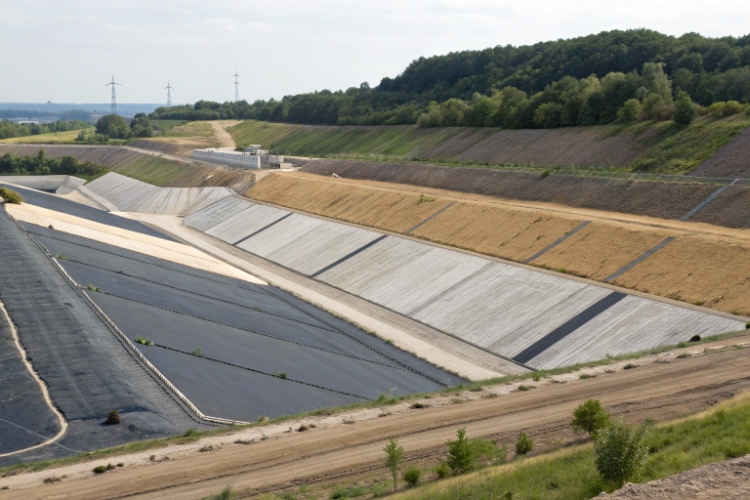
Raščlanimo tipično odlagalište odozdo prema gore da vidimo kamo odlazi svaka vrsta geotekstila. Kao dobavljač, ovo je najčešći razgovor koji vodim s izvođačima i inženjerima.
1. Sustav temeljnih obloga (najkritičnije područje)
This is the "sandwich" na samom dnu odlagališta koje sadrži sve procjedne vode.
- Zaštitni sloj (iznad geomembrane): Ovaj geotekstil nalazi se izravno na vrhu primarne geomembrane i ispod šljunka (i otpada) za skupljanje procjednih voda. Suočava se s najvećim rizikom od probijanja.
- Specifikacija: Koristite najtežu ocjenu. 800 g/m² do 2000 g/m² netkani PP geotekstil. CBR snaga proboja od >5 kN je bitno.
- Sloj jastuka (ispod geomembrane): Ovaj sloj se nalazi ispod primarne geomembrane, štiteći je od pripremljene podloge ili sekundarnog drenažnog sloja.
- Specifikacija: Još uvijek je potrebna teška ocjena. 400 g/m² do 800 g/m² je tipično.
2. Prikupljanje procjednih voda & Sustav odvodnje
To uključuje šljunčane pokrivače i cijevi koje skupljaju procjedne vode.
- Filtracijski sloj: Geotekstil se omotava oko drenažnih cijevi ili odvaja drenažni šljunak od tla. Njegova je zadaća propuštati vodu, ali zadržavati finu zemlju.
- Specifikacija: Usredotočite se na svojstva filtracije. Upaljač 200 g/m² do 400 g/m² netkani geotekstil s ispravnom prividnom veličinom otvora (AOS) je savršen.
3. Sustav nagiba
Bočne padine ćelija odlagališta doživljavaju smično naprezanje od otpada i zahtijevaju snažnu zaštitu.
- Zaštitni/jastučni sloj: Ovaj geotekstil postavlja se direktno na geomembranu na padini.
- Specifikacija: Potrebna je dobra ravnoteža između otpornosti na probijanje i debljine. Tipično 500 g/m² do 800 g/m².
4. Sustav završnog pokrova
Ovo je poklopac koji se stavlja na vrh odlagališta kada se napuni.
- Sloj za odvajanje/filtriranje: Ovdje geotekstil odvaja gornji sloj tla (za vegetaciju) od donjeg sloja drenaže.
- Specifikacija: Ovdje su stresovi manji. A 200 g/m² do 500 g/m² obično je dovoljan geotekstil.
Kako uskladiti specifikacije geotekstila s projektnim kriterijima kako bih osigurao dugoročne performanse?
Sada razumijete funkcije, svojstva i lokacije. Posljednji korak je sastavljanje svega kako bi se izradila narudžbenica koja jamči da ćete dobiti pravi materijal za svoj specifični dizajn odlagališta.
Prvo odredite zonu odlagališta. Drugo, odredite primarnu funkciju (zaštita ili filtracija). Treće, odaberite masu (g/m²) i čvrstoću probijanja (CBR) na temelju razine rizika i stresa u toj zoni.
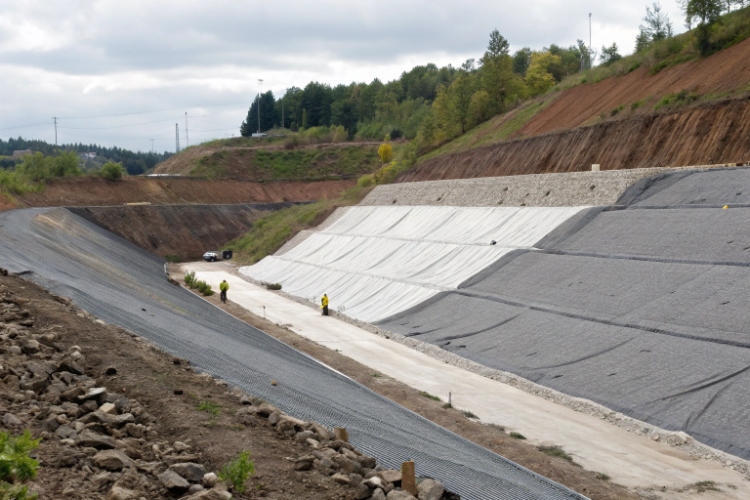
Ovo je praktična tablica koju pružam svojim klijentima kako bih im pomogla pri konačnom odabiru. Povezuje vrstu odlagališta i njegovu lokaciju s pouzdanom specifikacijom.
| Vrsta odlagališta & Mjesto | Primarna funkcija | Preporučena masa (g/m²) | Ključno razmatranje |
|---|---|---|---|
| Malo komunalno odlagalište: Zaštita temeljnog sloja | Zaštita | 600 - 800 g/m² | Uravnotežite troškove s pouzdanom razinom otpornosti na probijanje (CBR > 4 kN). |
| Veliko/trajno odlagalište: Zaštita temeljnog sloja | Zaštita | 800 - 1600 g/m² | O maksimalnoj zaštiti od proboja se ne može pregovarati. Koristite debelu, otpornu tkaninu. |
| Odlagalište opasnog otpada: Zaštita temeljnog sloja | Zaštita | 1200 - 2000 g/m² | Potrebna je apsolutno najviša razina sigurnosti. Koristite najdeblji i najjači geotekstil koji je dostupan. |
| Sva odlagališta: Sustav filtracije procjednih voda | Filtriranje | 200 - 400 g/m² | Mora imati odgovarajuću veličinu otvora kako bi se spriječilo začepljenje. Propusnost je važnija od težine. |
| Sva odlagališta: Zaštita padina | Zaštita & Trenje | 500 - 800 g/m² | Mora biti dovoljno čvrsta da se odupre probijanju i osigura trenje o geomembranu kako bi se spriječilo klizanje. |
| Sva odlagališta: Završna pokrivka | Razdvajanje & Filtriranje | 300 - 500 g/m² | Mora podržavati vegetaciju i omogućiti drenažu bez začepljenja otvora za plin ili drenažnog sloja. |
When you prepare your inquiry, come armed with this information. Tell your supplier: "I need a netkani polipropilenski geotekstil za primarnu zaštitu košuljice na velikom komunalnom odlagalištu otpada. Specifikacija bi trebala biti 1200 g/m² s a CBR otpornost na probijanje od najmanje 7 kN." Dobar dobavljač odmah će razumjeti vaše potrebe i pružiti pravi proizvod kako bi osigurao dugoročni uspjeh vašeg projekta.
Zaključak
Za uspjeh na odlagalištu koristite teške netkane geotekstile (600-2000 g/m²) za zaštitu obloge i lakše vrste (200-400 g/m²) za filtraciju. Od ključne je važnosti usklađivanje specifikacije s određenom zonom.