

Izgradite jak potporni zid, ali nakon prve jače kišne sezone on se počinje izbočiti i pucati. Ogromna, nevidljiva sila pritiska vode pokušava ga potisnuti.
Za potporne zidove ispravan izbor je netkani iglani geotekstil. Njegova je zadaća djelovati kao filtar, dopuštajući vodi da prođe kroz drenažni sustav dok istovremeno sprječava čestice tla da ga začepe, što ublažava opasno nakupljanje hidrostatskog tlaka.
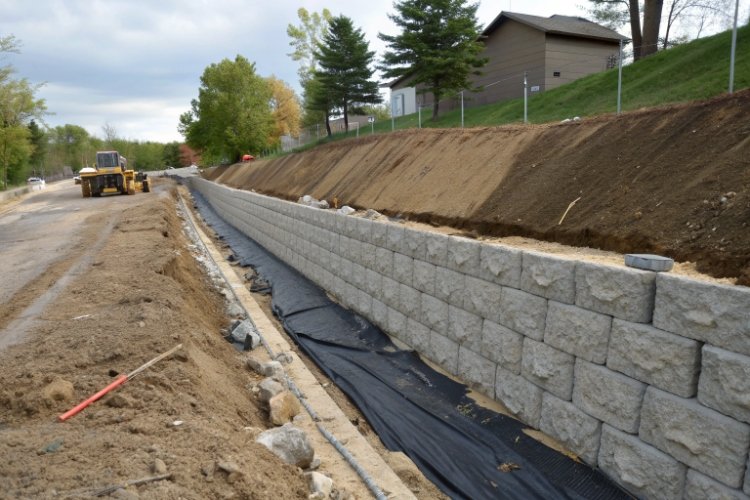
Kao a dobavljač geosintetike, vidio sam više kvarova potpornih zidova uzrokovanih lošim upravljanjem vodom nego bilo kojim drugim čimbenikom. Sam zid može biti savršeno čvrst, ali ako voda ne može pobjeći iz tla iza njega, on će propasti. Jednostavan, pravilno postavljen sloj geotekstila najvažniji je element za osiguravanje dugoročne trajnosti vašeg zida. Istražimo što točno radi i kako odabrati ono pravo.
Koje funkcije ima geotekstil u sustavima potpornih zidova?
Vidite sloj tkanine naveden u dizajnu, uvučen iza zida. Čini se tankim i beznačajnim u usporedbi s teškim blokovima i zemljom, zbog čega se pitate što zapravo radi.
Geotekstil istovremeno obavlja tri kritična zadatka: odvaja zemlju za zatrpavanje od čistog drenažnog šljunka, filtrira vodu propuštajući je dok zadržava čestice zemlje i pomaže u odvođenju vode, sprječavajući stvaranje pritiska.
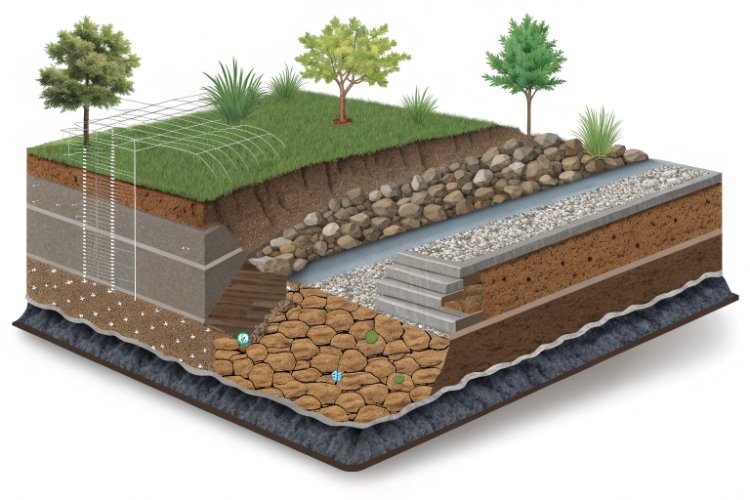
Zamislite geotekstil kao pametnog, marljivog čuvara za cijeli sustav odvodnje vašeg potpornog zida. Svaka je funkcija ključna za sprječavanje kvara.
1. Razdvajanje
Geotekstil se postavlja poput zastora između prirodnog tla koje zadržavate (zasip) i drenažne zone čistog šljunka neposredno iza zida. Djeluje kao barijera, izbacivač u klubu, sprječavajući miješanje dva materijala. Bez ovog odvajanja, fine čestice tla bi se brzo isprale u šljunak, pretvarajući vašu skupu drenažnu zonu u blatnu, nefunkcionalnu masu.
2. Filtriranje
Ovo je njegov najvažniji posao. Geotekstil se ponaša kao visokotehnološki filter za kavu. Voda iz zemlje može lako proći kroz tkaninu, ali čestice zemlje ostaju zarobljene na drugoj strani. To omogućuje vodi da pobjegne iz zatrpavanja i uđe u drenažnu zonu, oslobađajući hidrostatski pritisak koji želi gurnuti vaš zid.
3. Drenaža
Iako sam geotekstil nije primarni odvodni kanal, njegova funkcija filtracije omogućuje rad cijelog sustava odvodnje. Održavajući šljunak čistim, osigurava čist, otvoren put za protok filtrirane vode do dna zida i izlaz kroz odvodnu cijev.
Treba li koristiti tkani ili netkani geotekstil za potporne zidove?
Naručujete i vidite dvije glavne opcije: tkani i netkani. Izgledaju i osjećaju se potpuno drugačije, a odabir pogrešnog ugrozit će cijeli vaš sustav odvodnje.
Uvijek koristite netkani geotekstil za drenažu i filtraciju potpornog zida. Njegova trodimenzionalna struktura poput filca izvrsna je za propuštanje vode dok hvata tlo. Tkani geotekstil služi za ojačanje i stabilizaciju, a ne za filtraciju.
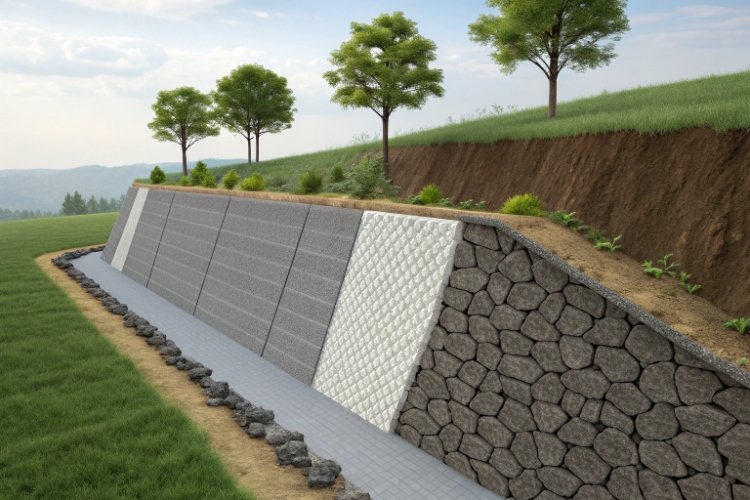
Ovo je jedna od najčešćih točaka zabune koje razjašnjavam svojim klijentima. Razlika u izvedbi je ogromna, a korištenje pogrešne vrste dovest će do kvara. Evo jednostavne raščlambe:
| Značajka | Tkani geotekstil | Netkani geotekstil |
|---|---|---|
| Struktura | Čvrsto isprepletena, ravna pređa (kao cerada) | Nasumična, isprepletena vlakna (kao filc) |
| Primarna upotreba | Pojačanje & Stabilizacija (npr. ispod cesta) | Filtriranje, odvajanje & Drenaža |
| Protok vode | Niska, teče duž ravnina pređe | Visoka, teče izravno kroz tkaninu |
| Potporni zid | Neispravan izbor - Lako se začepljuje, slabo filtriranje | Ispravan izbor - Izvrsna filtracija |
Tkani geotekstil ima vrlo male, jednolike otvore. Kada sitne čestice zemlje udare u nju, začepe te otvore i tkanina se brzo začepi, potpuno zaustavljajući protok vode. Netkani geotekstil ima složenu, nasumičnu strukturu vlakana. Voda pronalazi mnogo putova kojima prolazi, a ako se jedno područje blokira, druga ostaju otvorena. Osmišljen je posebno za ovaj zadatak filtriranja.
Koja svojstva čvrstoće i filtracije su potrebna za geotekstil za potporne zidove?
Gledate podatkovnu tablicu za netkani geotekstil, a ona je puna tehničkih pojmova. Morate znati koji su brojevi zapravo važni za pouzdan izbor za vaš zid.
Usredotočite se na težinu između 200 i 400 g/m² (6 do 12 oz/yd²). To osigurava dobru izdržljivost tijekom instalacije. Također, osigurajte da ima visoku propusnost za lako propuštanje vode i malu prividnu veličinu otvora (AOS) za učinkovito zadržavanje čestica zemlje.
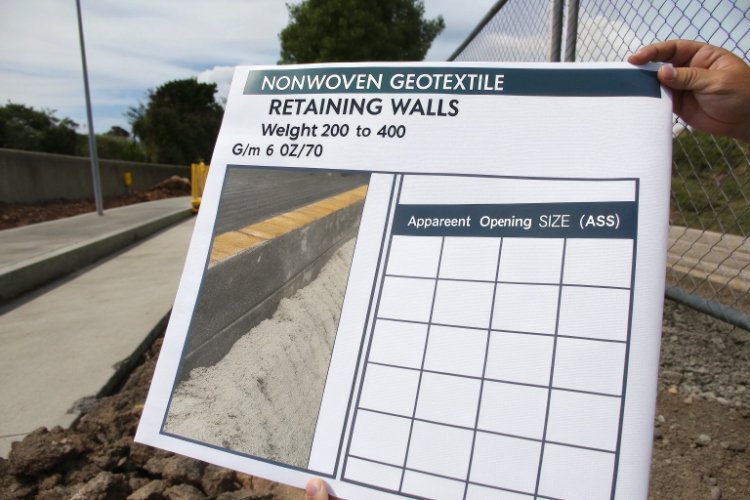
Demistificirajmo ključne specifikacije koje ćete vidjeti na podatkovnoj tablici proizvoda kako biste s povjerenjem mogli naručivati.
Ključna svojstva geotekstila
- Težina (g/m² ili oz/yd²): Ovo je najjednostavniji pokazatelj debljine i robusnosti tkanine. Teža tkanina (npr. 270 g/m² ili 8 oz/yd²) je čvršća i otpornija na trganje ili probijanje oštrim kamenjem tijekom postavljanja od lakše. Za većinu potpornih zidova najbolja je srednja težina od 200-400 g/m².
- Propusnost: Time se mjeri koliko brzo voda može proći izravno kroz tkaninu. Veća vrijednost propusnosti je bolja, jer to znači da geotekstil može podnijeti velike količine vode tijekom jake kiše bez stvaranja pritiska.
- Prividna veličina otvora (AOS): Ovo označava najveću veličinu čestica koju tkanina filtera može učinkovito zaustaviti. Često se izražava kao broj američkog sita (npr. 70 ili 80). Želite AOS koji je dovoljno mali da spriječi prolazak vaše specifične zemlje za zatrpavanje, ali dovoljno velik da se trenutno ne začepi. Dobavljač vam može pomoći da to uskladite s vrstom tla.
Kako mogu odabrati pravi geotekstil na temelju vrste zida i uvjeta na gradilištu?
Mali vrtni zid ima drugačije potrebe od masivnog nasipa autoceste. Potreban vam je praktičan način skaliranja odabira materijala kako bi odgovarao riziku i zahtjevima vašeg specifičnog projekta.
Geotekstil je dio sustava. Za male zidove može biti dovoljan jedan sloj netkanog materijala. Za visoke, kritične zidove (često izgrađene s geomrežama), geotekstil služi kao filtracijska komponenta u mnogo većem sustavu odvodnje i pojačanja.
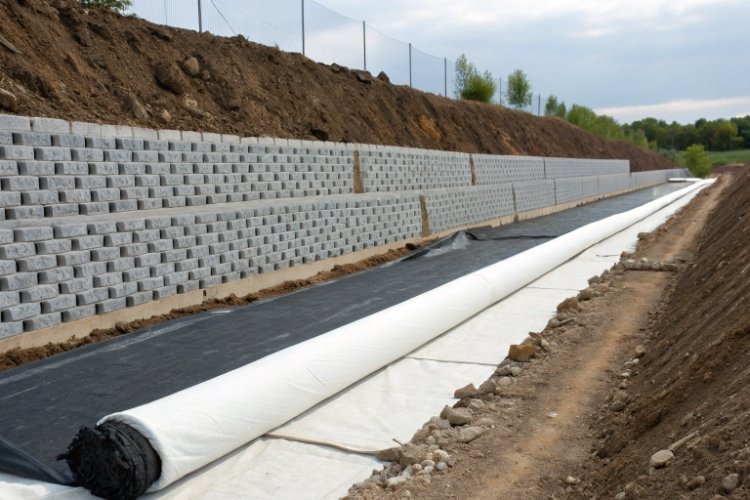
Ključno je razmišljati u smislu stvaranja cjelovite, vrlo učinkovite staze odvodnje. Moderan dizajn potpornog zida sustav je kompatibilnih materijala koji rade zajedno.
Kompletan sustav odvodnje
Za svaki kritični potporni zid nije dovoljna obična tkanina. Pravilan dizajn uparuje geotekstil sa slojem fizičke drenaže. To obično uključuje:
- Pojačanje: Slojevi geomreže postavljeni unutar tla za zatrpavanje kako bi se povećala njegova čvrstoća i stabilnost (za više zidove).
- Filtriranje: A netkani geotekstil postavljen između domaćeg tla i drenažnog šljunka.
- Odvodnja: A clean, angular gravel layer, typically 30-45 cm (12-18 inches) thick, placed directly behind the wall blocks. This zone acts as a drainage "chimney."
- Kolekcija: Perforirana cijev u podnožju šljunčane zone za prikupljanje vode i njeno odvođenje od temelja zida.
Ovaj kombinirani sustav može smanjiti hidrostatski tlak za više od 90%. Odabirom pravog netkanog geotekstila kao vašeg filtra, osiguravate da cijeli ovaj sustav ostane čist i funkcionalan tijekom životnog vijeka zida.
Zaključak
Pravi netkani geotekstil vitalna je komponenta za drenažu potpornog zida. Sprječava začepljenje i smanjuje pritisak vode, osiguravajući dugoročnu stabilnost i uspjeh vaše strukture.