

Obloga geomembrane učinkovita je onoliko koliko su učinkovite njezine brtve, a proboji su najkritičnije točke brtvljenja. U gotovo svakom projektu zadržavanja – od odlagališta do rezervoara – cijevi moraju proći kroz oblogu za upravljanje procjednom vodom, vodom ili plinom. Veza između fleksibilne geomembrane i krute cijevi je točka visokog mehaničkog naprezanja i ogromnog rizika od curenja.
Ovaj vodič pruža potpuni pregled industrijski odobrenih metoda za spajanje geomembrana na različite materijale cijevi, uključujući PE/HDPE, PVC, čelik i beton. Istražit ćemo pravu tehniku za svaki materijal, usporediti pouzdanost i cijenu svake metode i pružiti praktične inženjerske preporuke kako bismo osigurali trajno brtvljenje koje ne propušta.
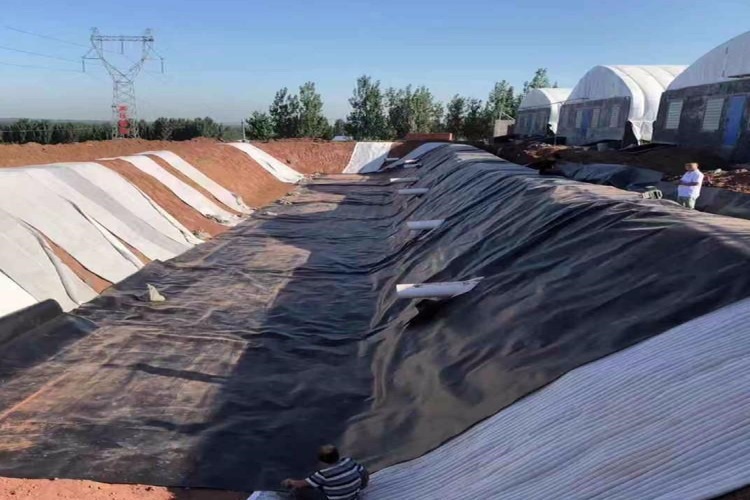
Izbor načina povezivanja nije univerzalan; to je u potpunosti diktirano svojstvima materijala cijevi.
Zašto različite cijevi zahtijevaju različite metode spajanja
Glavni izazov je kompatibilnost materijala. Geomembrana (obično Polietilen visoke gustoće, ili HDPE) može se zavariti samo toplinskim topljenjem na materijal s istim kemijskim sastavom. Prilikom spajanja na različite materijale poput PVC-a, čelika ili betona, zavarivanje je nemoguće. U tim se slučajevima moramo osloniti na mehaničke spojeve koji koriste kompresiju, brtve i brtvila za stvaranje barijere. Razdvojimo najbolju metodu za svaku vrstu cijevi.
Spajanje geomembrana na PE/HDPE cijevi
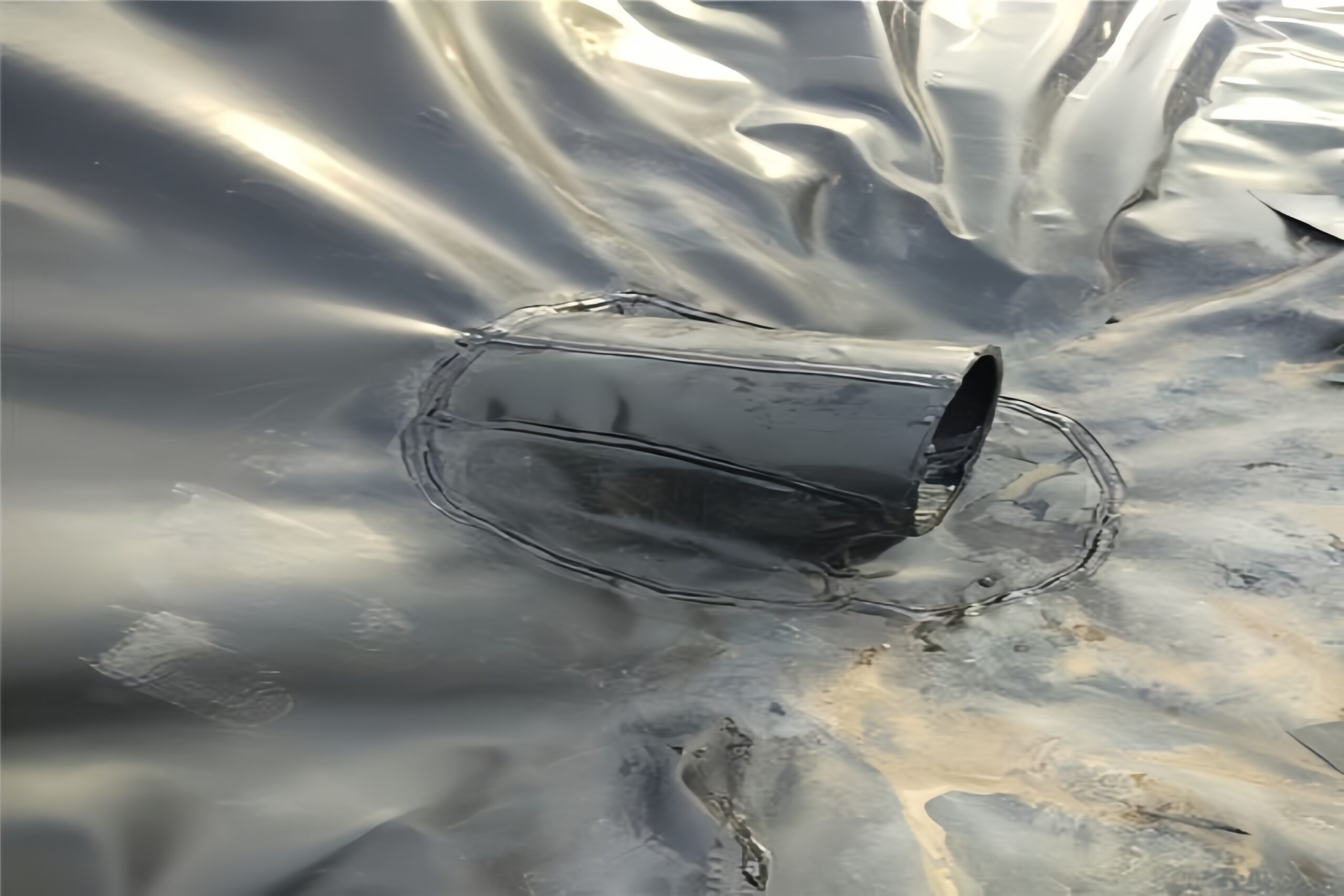
Ovo je idealan i najpouzdaniji scenarij. Budući da su PE/HDPE cijevi izrađene od istog osnovnog materijala kao i većina geomembrana, toplinskom fuzijom možemo stvoriti izravnu, monolitnu vezu.
- Primarna metoda: Zavarivanje vrućim taljenjem s cijevi. This is the gold standard. A prefabricated HDPE "pipe boot" (čahura sa širokom prirubnicom) se navlači preko cijevi. Prirubnica prtljažnika se zatim zavari topljenjem na glavnu oblogu geomembrane pomoću aparata za zavarivanje vrućim klinom. Čahura prtljažnika se zatim zavari izravno na stijenku cijevi pomoću ručnog ekstruzionog zavarivača.
- Proizlaziti: Kontinuirana, besprijekorna i trajna molekularna veza koja je često jača od samog matičnog materijala. Ova metoda je potrebna za visokorizične primjene kao što je primarno zadržavanje odlagališta.
Spajanje geomembrana na PVC cijevi
PVC se ne može zavariti topljenjem na HDPE geomembranu. Veza stoga mora biti mehanička.
- Primarna metoda: Mehaničko stezanje. To uključuje korištenje steznog sustava, često sa posebnim prijelaznim priključkom. Jedna uobičajena metoda je korištenje stezaljke od nehrđajućeg čelika zategnute preko geomembrane, koja je omotana oko PVC cijevi. Sloj neoprenske gumene brtve i/ili butilnog brtvila postavlja se između geomembrane i cijevi kako bi se stvorila brtva.
- Alternativa: Prijelazni okovi. Dostupni su specijalizirani priključci koji imaju jedan kraj dizajniran za spajanje na PVC cijev (npr. naglavak zavaren otapalom), a drugi kraj dizajniran za spajanje na HDPE geomembranu (npr. završetak priključka spreman za elektrofuziju).
Spajanje geomembrana na čelične ili cijevi od nehrđajućeg čelika
Povezivanje s krutim materijalom visoke čvrstoće poput čelika zahtijeva robusnu mehaničku brtvu koja se može prilagoditi toplinskom širenju i spriječiti da oštri rubovi čelika oštete geomembranu.
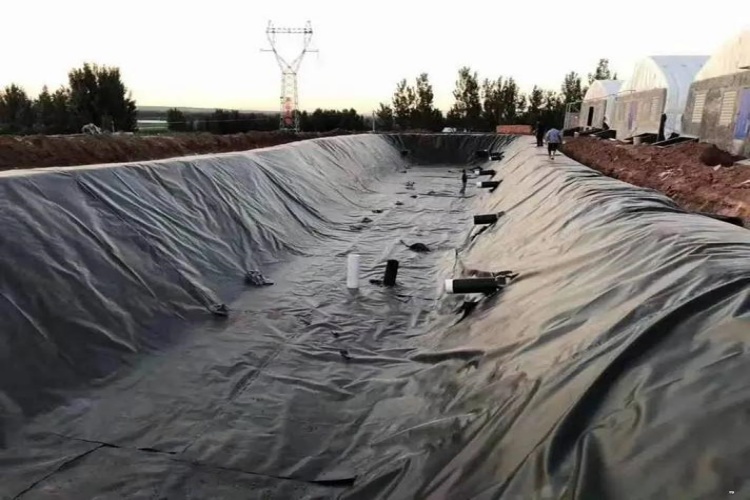
- Primarna metoda: Vijčani prirubnički spoj. A common and effective method is to weld a steel flange onto the pipe. The geomembrane is then sandwiched between this flange and a second "companion" prirubnicu pomoću visokokvalitetne elastomerne brtve (kao što je EPDM ili neopren). Niz vijaka je zategnut do određenog zakretnog momenta kako bi se stvorila sila pritiska, brtveći brtvu na geomembranu i čelik. Svi oštri rubovi moraju biti glatko izbrušeni, a preporučuje se i zaštitna podloga od geotekstila.
Spajanje geomembrana na betonske cijevi
Betonski spojevi uobičajeni su za velike ispuste, propuste i prodore kroz konstrukcijske zidove. Cilj je stvoriti brtvu na tvrdoj, poroznoj i često neravnoj površini.
- Primarna metoda: Letvica i brtvilo. The geomembrane is laid against the concrete surface. A continuous bead of aggressive butyl sealant is applied. A rigid "batten strip" (obično ravna šipka od nehrđajućeg čelika ili aluminija) se zatim postavlja preko geomembrane i mehanički učvršćuje u beton pomoću ekspanzionih sidara ili vijaka od nehrđajućeg čelika u pravilnim razmacima (npr. 20 cm u sredini). Zatezanjem vijaka geomembrana i brtvilo se sabijaju u beton, stvarajući izdržljivu brtvu.
- Alternativa: Betonska ugradnja. For new construction, a plastic or metal "embedment strip" može se uliti izravno u betonski zid ili konstrukciju. Geomembrana je kasnije zavarena ili stegnuta izravno na ovu integriranu traku, tvoreći kontinuiranu i iznimno pouzdanu vezu.
Usporedba pouzdanosti i cijene različitih metoda povezivanja
| Način povezivanja | Primjenjive cijevi | Pouzdanost brtve | trošak | Ključna značajka |
|---|---|---|---|---|
| Zavarivanje vrućim taljenjem | PE, HDPE | ★★★★★ (Izvrsno) | srednje | Monolitni, trajni zavareni spoj. Nema dugotrajnog održavanja. |
| Zavarivanje elektrofuzijom | PE, HDPE | ★★★★★ (Izvrsno) | Srednje visoka | Visoko kontrolirano, automatizirano zavarivanje taljenjem. Izvrstan za preciznost. |
| Mehaničko stezanje | PVC, PE, HDPE | ★★★☆☆ (Dobro) | Niska | Jednostavno i brzo, ali se oslanja na kompresiju brtve. |
| Vijčana prirubnica | Čelik, Beton | ★★★★☆ (Vrlo dobro) | visoko | Vrlo robusna mehanička brtva. Može se rastaviti radi održavanja. |
| Letvica | Beton, Čelik | ★★★★☆ (Vrlo dobro) | srednje | Standard za završavanje obloga protiv krutih struktura. |
Praktične inženjerske preporuke
- Dajte prednost kompatibilnosti materijala: Kad god je to moguće, projektirajte svoj sustav tako da koristi HDPE cijevi tamo gdje prodiru kroz HDPE geomembranu. To omogućuje najpouzdanije spajanje (zavarivanje) i eliminira dugoročne probleme vezane uz održavanje mehaničkih brtvila.
- Koristite gotove čizme: Za PE/HDPE spojeve, uvijek se odlučite za tvornički predgotovljene cijevne čizme umjesto onih proizvedenih na terenu. Izrađuju se u kontroliranom okruženju od debljeg materijala, osiguravajući višu kvalitetu i dosljedniju izvedbu.
- Zaštitite geomembranu: Prilikom spajanja na beton ili čelik, uvijek dodajte sloj jastuk od netkanog geotekstila između geomembrane i krute površine radi zaštite od probijanja i abrazije.
- Kontrolirajte pojedinosti: Za mehaničke veze, uspjeh je u detaljima. Upotrijebite visokokvalitetni hardver od nehrđajućeg čelika, osigurajte da su brtve kemijski kompatibilne s sadržanom tekućinom i zategnite vijke u zvjezdastom uzorku na točnu specifikaciju momenta.
- Provedite 100% kontrolu kvalitete: Svi zavareni spojevi topljenjem moraju se ispitati (npr. testiranjem zračnim tlakom ili vakuumskom kutijom). Sve mehaničke spojeve treba vizualno pregledati kako bi se osiguralo ravnomjerno sabijanje i pravilno nanošenje brtvila. Nikada nemojte zatrpavati prodor dok nije u potpunosti pregledan i odobren.
Razumijevanjem temeljnih razlika između materijala i primjenom ispravne tehnike spajanja, možete osigurati da je svaki prodor cijevi točka snage, a ne točka kvara.