

Odabir korištenja sustava geoćelija je pametan potez za stabilizacija tla. Ali sustav je jak onoliko koliko je jak materijal za punjenje. Odabir pogrešne ispune može dovesti do neuspjeha projekta, prekoračenja troškova i izgubljenog vremena.
Ovaj praktični inženjerski vodič objašnjava kako odabrati najbolji materijal za ispunu za vaš sustav geoćelija. Pokrivamo ključne čimbenike kao što su potrebe nosivosti, uobičajene vrste materijala od šljunka do recikliranog betona i preporuke specifične za primjenu kako bismo osigurali stabilnost i dugoročni uspjeh vašeg projekta.
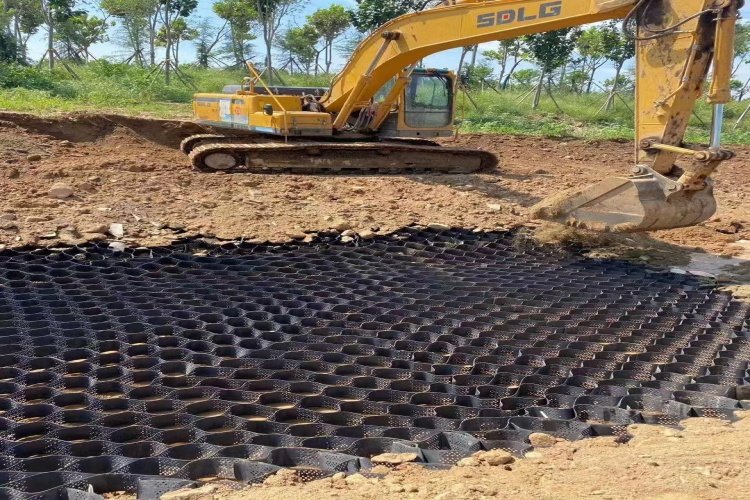
Kao a dobavljač geosintetike, iz prve sam ruke vidio kako dobro odabrana ispuna može učiniti ili uništiti projekt. Materijal za punjenje nije samo pasivno punjenje; to je aktivna komponenta koja radi sa stijenkama geoćelija kako bi stvorila snažnu, stabilnu kompozitnu strukturu. Počnimo s osnovama njegove uloge.
Što je materijal za ispunu Geocell?
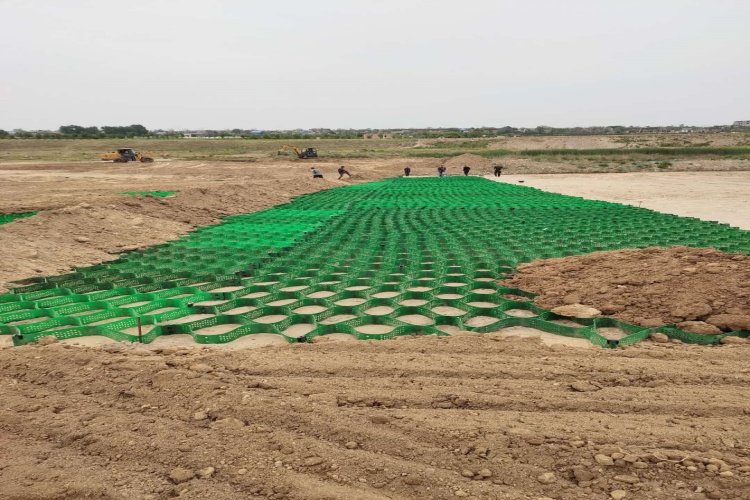
Materijal za ispunu geoćelija je bilo koja zrnata ili zemljana tvar smještena i zbijena unutar pojedinačnih ćelija ekspandirane ploče geoćelija. Primarna uloga geoćelije je osigurati trodimenzionalno ograničenje ovog materijala. Ovo ograničenje sprječava bočno širenje materijala za ispunu geoćelija pod opterećenjem.
Držeći ispunu na mjestu, sustav geoćelija iz temelja poboljšava svoja strukturna svojstva. Ovo ograničenje stvara efekt polukrutog madraca koji raspoređuje opterećenja na puno šire područje, povećavajući ukupni kapacitet nosivosti i smanjujući slijeganje. Vrsta i kvaliteta materijala za ispunu geoćelija izravno određuju konačnu izvedbu sustava, utječući na sve, od njegove čvrstoće nosivosti i drenažnih karakteristika do njegove dugotrajne trajnosti. Dobro odabran materijal za ispunu pretvara jednostavnu plastičnu rešetku u visokoučinkovito građevinsko rješenje.
Ključni čimbenici koje treba uzeti u obzir pri odabiru materijala za ispunu geoćelija
The "best" materijal za ispunu nije jednoznačan odgovor. To je odluka koja se temelji na pažljivoj ravnoteži inženjerskih zahtjeva, uvjeta na gradilištu i ekonomičnosti projekta. Prije nego što odaberete, morate analizirati ova četiri ključna čimbenika.
Zahtjevi za nosivost
Prvo i najvažnije pitanje je: koje će opterećenje sustav geoćelija morati podnijeti? Primjene se kreću od lakih (uređenje krajolika, pješačke staze) do ekstremno teških (putevi za prijevoz rudnika, pločnici luka za kontejnere).
- Teška opterećenja: Za autoceste, željezničke pruge i piste zračnih luka, geoćelijska ispuna mora imati visoku čvrstoću na smicanje i dobra svojstva međusobnog spajanja. Ovdje je idealan izbor visokokvalitetni, uglati drobljeni kamen ili dobro sortirani šljunak. Ovi se materijali mogu zbiti do visoke gustoće i otporni su na deformacije pod ogromnim pritiskom.
- Mala opterećenja: Za parkirališta, stambene prilaze ili zaštitu nagiba, zahtjevi za opterećenje su mnogo manji. U tim slučajevima često možete koristiti manje skupe materijale poput pijeska, mješavine pijeska i šljunka ili čak prikladna lokalna tla. Ograničenje geoćelije još uvijek pruža značajno povećanje performansi, dopuštajući ovim materijalima da rade znatno iznad svog normalnog kapaciteta.
Prijava projekta
Namjena sustava geoćelija ima veliki utjecaj na izbor ispune. Svaka aplikacija daje prednost različitim svojstvima materijala.
- Cestovna baza: Prioritet je snaga i krutost. Drobljeni kamen je kralj.
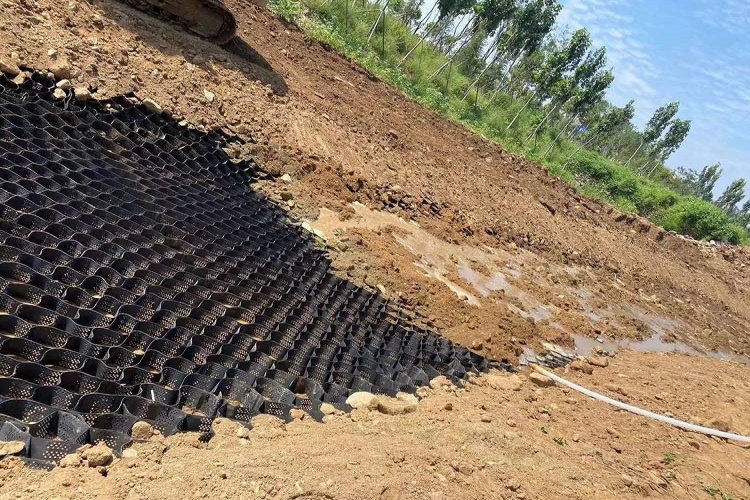
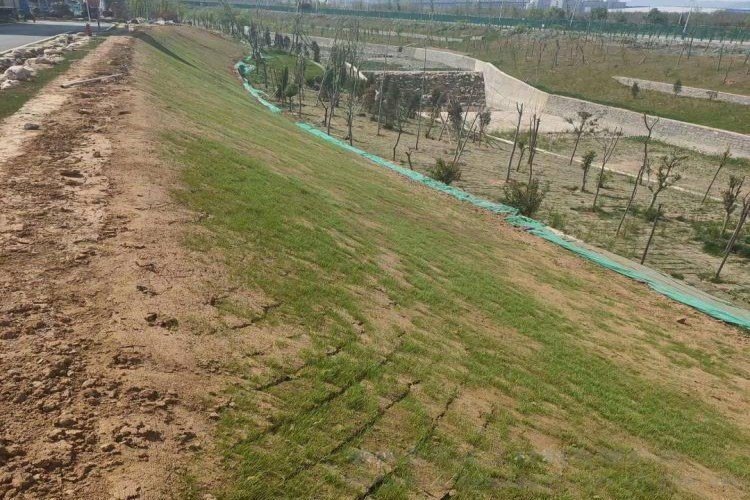
- Zaštita padina: Prioritet je podupiranje vegetacije i sprječavanje erozije. Gornji sloj tla je očigledan izbor.
- Obloga kanala: Prioritet je otpornost na eroziju. To bi moglo značiti korištenje betona za kanale s velikim protokom ili vegetirano tlo za nizak protok.
- Potporni zidovi: Prioritet je masa, stabilnost i dobra drenaža. Često se koristi dobro drenirano zrnasto punjenje ili mješavina tla i agregata.
Drenaža i propusnost
Morate razmotriti kako će voda komunicirati sa sustavom. Trebate li vodu da slobodno prolazi ili je trebate zadržati?
- Propusne primjene: Za propusne pločnike ili bilo koje područje koje zahtijeva brzu drenažu, morate koristiti otvorenu, čistu granulatu ispunu poput drobljenog kamena ili ispranog šljunka. Ovi materijali stvaraju šupljine koje omogućuju vertikalno otjecanje vode, sprječavajući stvaranje pritiska u porama i površinsko otjecanje.
- Nepropusne ili vegetirane primjene: Za padine s vegetacijom ili obloge kanala iznad geomembrane potrebna vam je ispuna koja može zadržati nešto vlage za potporu rastu biljaka. U ovom slučaju, gornji sloj tla ili pjeskovita ilovača su idealni. Ako se stvara obloga za retencijsko jezero, zbijanje glinastog tla unutar geoćelija može stvoriti sloj niske propusnosti.
Dostupnost i cijena
Za mnoge naše klijente to je odlučujući faktor. Trošak materijala nije samo nabavna cijena; uključuje prijevoz do gradilišta.
The most cost-effective solution is often to use locally available materials. If your project site has suitable soil or sand, using this "on-site fill" može dovesti do velikih ušteda u usporedbi s uvozom drobljenog kamena. To posebno vrijedi za projekte na udaljenim lokacijama, poput izgradnje servisnih cesta u pustinjskim regijama gdje je pijesak jedina održiva opcija. Dok bi uvezeni agregat mogao ponuditi bolje performanse na papiru, dobro konstruiran sustav koji koristi lokalne materijale često daje najbolju ukupnu vrijednost.
Uobičajene vrste materijala za ispunu geoćelija (s prednostima & Protiv)
Postoje četiri glavne kategorije materijala koji se obično koriste za punjenje geoćelija. Ovdje je pregled njihovih prednosti i nedostataka.
Šljunak i drobljeni kamen
Ovo je vrhunska opcija visokih performansi. Kutni drobljeni kamen nudi najbolju nosivost zbog izvrsnog mehaničkog spajanja čestica.
- Prednosti: Najveća smična čvrstoća, izvrsna raspodjela opterećenja i vrhunska drenaža. Ovo je najbolji izbor za teške ceste, željeznice i luke.
- Protiv: Najviši troškovi materijala i transporta. Zahtijeva pažljivo rukovanje kako bi se osiguralo ravnomjerno postavljanje i zbijanje. Mora se kontrolirati njegova veličina čestica; za većinu projekata preporučujemo maksimalnu veličinu čestica ne veću od 30 mm kako bi se osiguralo dobro zbijanje unutar ćelija.
Pijesak
Pijesak je široko dostupan i svestran materijal za punjenje, posebno učinkovit za lake do srednje zahtjevne primjene.
- Prednosti: Dobre karakteristike odvodnje (ako je čist), jednostavan za postavljanje i kompaktan, a često i jeftin. Izvrstan je izbor za pustinjske ceste i pristupne staze za lake terete.
- Protiv: Niža smična čvrstoća od šljunka. Pod teškim, dinamičkim opterećenjima, može izgubiti stabilnost ako nije pravilno ograničen. Za poboljšane performanse u nekim primjenama, možda će ga trebati stabilizirati s malom količinom cementa.
Tlo (lokalno punjenje)
Korištenje tla na licu mjesta je najekonomičnija opcija, ali zahtijeva pažljivu procjenu. Nisu sva tla prikladna.
- Prednosti: Može dramatično smanjiti troškove projekta. Idealno za padine obrasle vegetacijom i potporne zidove gdje je poželjan rast biljaka.
- Protiv: Vrlo varijabilna svojstva. Glinasta tla imaju lošu drenažu i mogu biti problematična u vlažnim okruženjima. Muljevita tla mogu biti nestabilna. Uvijek savjetujemo klijentima da prvo testiraju lokalno tlo. Uvjerite se da nema organskih tvari poput korijenja i da je sadržaj blata ispod 5%. Ako je tlo slabo, često se može poboljšati miješanjem s cementom ili vapnom.
Reciklirani materijali
Korištenje recikliranih materijala rastući je trend koji nudi i ekološke i ekonomske prednosti. To je dobro usklađeno s ESG (Environmental, Social, and Governance) ciljevima.
- Prednosti: Izvrstan za održivost, često jeftiniji od izvornih materijala i preusmjerava otpad s odlagališta. Reciklirani betonski agregat (RCA) a drobljeni građevinski otpad može se ponašati slično kao čisti šljunak.
- Protiv: Kvaliteta i dosljednost mogu biti problem. Reciklirani materijali moraju biti pravilno pregledani i testirani kako bi se osiguralo da ne sadrže zagađivače i da zadovoljavaju tehničke specifikacije.
Najbolji materijal za ispunu za različite primjene geoćelija
Kako bismo olakšali proces odabira, ovdje je brza referentna tablica koja povezuje uobičajene primjene s preporučenim materijalima za ispunu. Ovo je odlična polazna točka za vaše specifikacije projekta.
| Primjena | Preporučeni materijal za ispunu | Ključna razmatranja & Ciljevi izvedbe |
|---|---|---|
| Autoceste & Ceste za teške terete | Kutni drobljeni kamen / šljunak | Maksimalna nosivost i krutost. Koristite visokokvalitetni agregat s dobrom blokadom. Zbijanje do ≥93% je kritično. |
| Zaštita padina & Kontrola erozije | Gornji sloj tla / tlo s vegetacijom | Mora podržati rast korijena i zadržati vlagu. Koristite kvalitetan gornji sloj tla bez ostataka. Dodatni sloj humusa može pomoći u lošim uvjetima. |
| Parkiralište & Prilazi | Mješavina pijeska i šljunka / pijesak | Ravnoteža između učinka i cijene. Ispuna mora biti dobro drenirana i pružati umjerenu potporu opterećenju. |
| Privremene pristupne ceste & Tegljačke ceste | Lokalno tlo/pijesak/šljunak | Isplativost je ključna. Koristite najprikladniji materijal na licu mjesta ili u blizini koji zadovoljava zahtjeve minimalnog opterećenja. |
| Potporni zidovi | Mješavina tla i agregata / granulirano punjenje | Masa za stabilnost i dobra drenaža kako bi se spriječilo stvaranje hidrostatskog tlaka glavni su ciljevi. |
| Obloga kanala | Tlo s vegetacijom / Beton | Za kanale s niskim protokom, vegetirano tlo osigurava ekološku kontrolu erozije. Za kanale s velikim protokom betonska ispuna pruža maksimalnu zaštitu od habanja. |
Uobičajene pogreške pri odabiru materijala za ispunu geoćelija
Tijekom godina vidio sam nekoliko uobičajenih pogrešaka koje mogu ugroziti cijeli projekt. Izbjegavanje ovih zamki jednako je važno kao i odabir pravog materijala.
- Korištenje prevelike ispune: Ključna pogreška je korištenje kamenja ili agregata koji su preveliki za dubinu ćelije. Velike čestice ne mogu se pravilno zbiti, stvarajući šupljine i slaba mjesta. Zbog toga naglašavamo da najveća veličina čestica treba biti znatno manja od visine ćelije, obično ne veća od 30-40 mm.
- Zanemarivanje zahtjeva za odvodnju: Korištenje gustog, glinastog tla na području koje treba drenirati je recept za neuspjeh. Zarobljena voda će povećati hidrostatski tlak, oslabiti podlogu i može dovesti do nestabilnosti, osobito na padinama.
- Pretjerano određivanje skupih materijala: Ne treba vam uvijek najskuplji kamen iz kamenoloma. Za laku krajobraznu stazu ili padinu s zelenilom, korištenje agregata visokih specifikacija je bacanje novca. Uvijek uskladite kvalitetu materijala sa stvarnim zahtjevima opterećenja.
- Odgoda procesa punjenja: Ovo je kritična konstrukcijska greška. Nakon što su geoćelije postavljene i proširene, treba ih napuniti unutar pola dana i potpuno prekriti unutar jednog dana. Dugotrajno izlaganje izravnoj sunčevoj svjetlosti i UV zračenju može učiniti HDPE materijal krhkim i smanjiti mu vijek trajanja.
- Nepravilno zbijanje: Snaga sustava geoćelija dolazi od interakcije između zatvorene ispune i staničnih stijenki, što se postiže samo pravilnim zbijanjem. Ispunu treba postaviti u slojevima od 20-30 cm i zbijati od strana prema sredini kako bi se osigurala maksimalna gustoća bez deformacije ćelija.
Često postavljana pitanja (FAQ)
Može li se tlo koristiti kao materijal za punjenje geoćelija?
Da, apsolutno. Tlo je izvrstan izbor za primjene gdje velika nosivost nije primarni cilj, kao što su padine s vegetacijom, potporni zidovi i uređenje okoliša. Ključno je osigurati da je tlo odgovarajuće kvalitete (nizak sadržaj organskih tvari, niska plastičnost) i pravilno zbijeno.
Da li geoćelije zahtijevaju ispunu od šljunka?
Ne, šljunak nije uvijek potreban. Potreban je samo za zahtjevne primjene kao što su autoceste ili industrijska dvorišta gdje je potrebna vrlo visoka nosivost i izvrsna drenaža. Za mnoge druge primjene pijesak, zemlja ili miješani agregati više su nego dovoljni i daleko ekonomičniji.
Koji je najjeftiniji materijal za punjenje geoćelija?
The cheapest fill material is almost always soil or sand excavated directly from the project site ("on-site fill"). This eliminates both material purchase and transportation costs. However, its suitability must be verified by an engineer to ensure it meets the project's minimum performance requirements.
Zaključak
The principle for selecting geocell fill material is simple: the site conditions and project application must dictate your choice. There is no single "best" materijal, samo onaj najprikladniji za posao. Usklađivanjem inženjerskih performansi, potreba za odvodnjom, dostupnosti materijala i ukupnih instaliranih troškova, možete dizajnirati sustav geoćelija koji je i vrlo učinkovit i ekonomski učinkovit. Ovaj strateški pristup osigurava da će vaš projekt trajati.