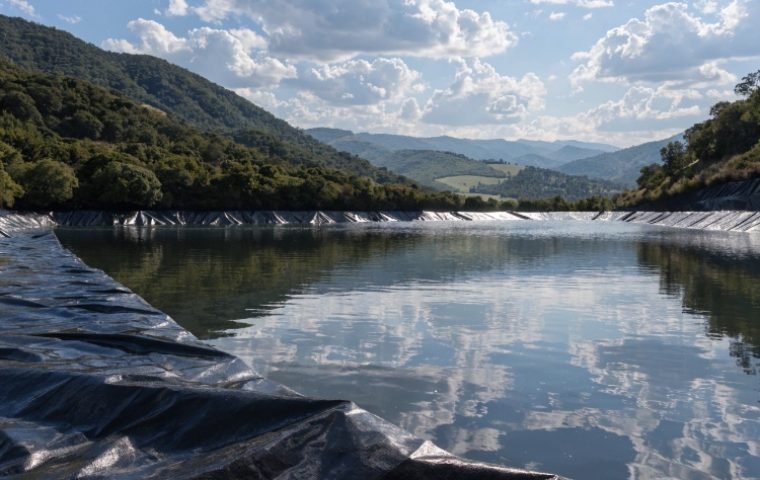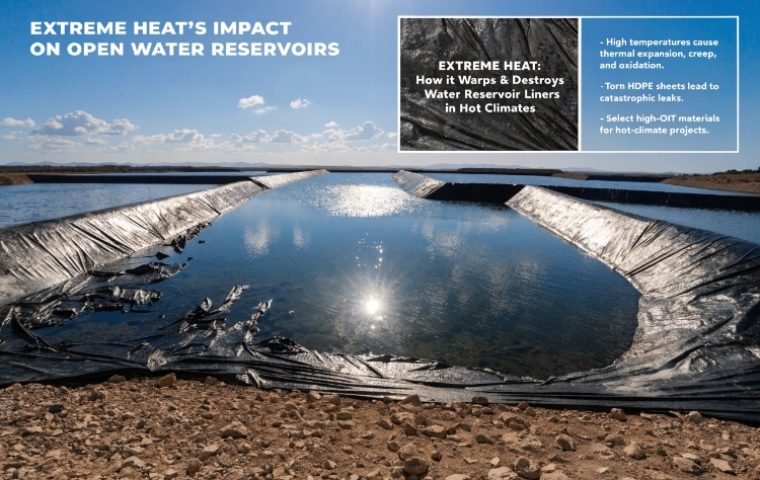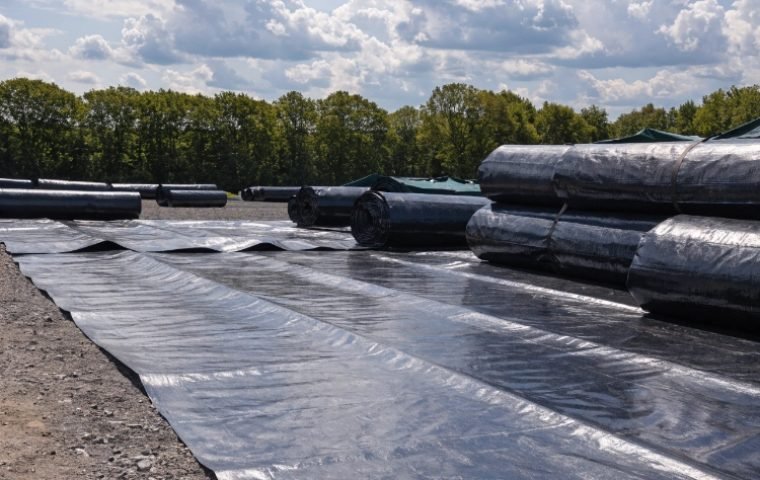


Storing drinking water in a reservoir lined with the wrong plastic is a massive public health liability. Toxic additives from industrial-grade membranes can silently leach into the municipal supply, leading to severe health consequences, failed structural inspections, and immediate project shutdowns.
This guide helps engineers, contractors, and government buyers select fully certified, food-grade geomembrane liners for potable water storage. You will learn how to verify global health compliance, choose safe virgin materials, and design a secure containment system that passes strict regulatory inspections.
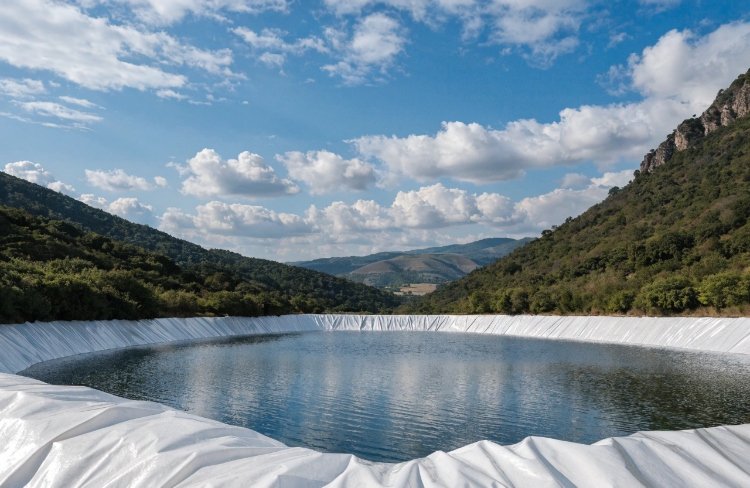
In my years of exporting geosynthetics to international municipal water projects, the conversation around drinking water is completely different from agricultural or mining ponds. It is not just about stopping leaks; it is about absolute chemical purity. Here is how professional buyers ensure their potable water systems are safe and compliant.
Why Material Safety Matters in Potable Water Storage
When an industrial buyer asks me for a standard reservoir liner, they are primarily focused on hydrostatic pressure and UV resistance. However, when a municipal contractor asks for a drinking water liner, the absolute priority becomes chemical stability.
Traditional geomembranes, while excellent for holding wastewater or irrigation runoff, often contain standard antioxidant packages, heavy-metal-based catalysts, or traces of recycled plastics (regrind). Over time, especially under high ambient temperatures, these chemicals can migrate out of the plastic matrix and leach directly into the stored water. This introduces volatile organic compounds (VOCs), endocrine disruptors, and abnormal tastes or odors into the public water supply.
Furthermore, water designed for human consumption is often pre-treated with chlorine or other disinfectants. These harsh sanitation chemicals can aggressively attack substandard plastics, causing the liner to break down prematurely. A safe potable liner must be engineered with specialized, non-toxic stabilizers that resist continuous chlorine exposure without releasing any harmful by-products into the water.
Key Certifications for Drinking Water Liners
You cannot just take a manufacturer's word that their black plastic is "food grade." In global trade and government procurement, compliance is proven exclusively through independent laboratory certifications. Supplying a liner without the correct paperwork will guarantee that the project inspector rejects the material on arrival.
NSF/ANSI 61 (National Sanitation Foundation)
This is the North American gold standard, globally recognized for water treatment and storage. If a geomembrane carries an NSF 61 certification, it means the material has undergone rigorous extraction testing. Laboratories have verified that no dangerous contaminants—such as lead, arsenic, or harmful organic compounds—leach into the water at levels exceeding established health thresholds. Most international municipal projects will boldly mandate "NSF 61 compliant" in their tender documents.
WRAS (Water Regulations Advisory Scheme)
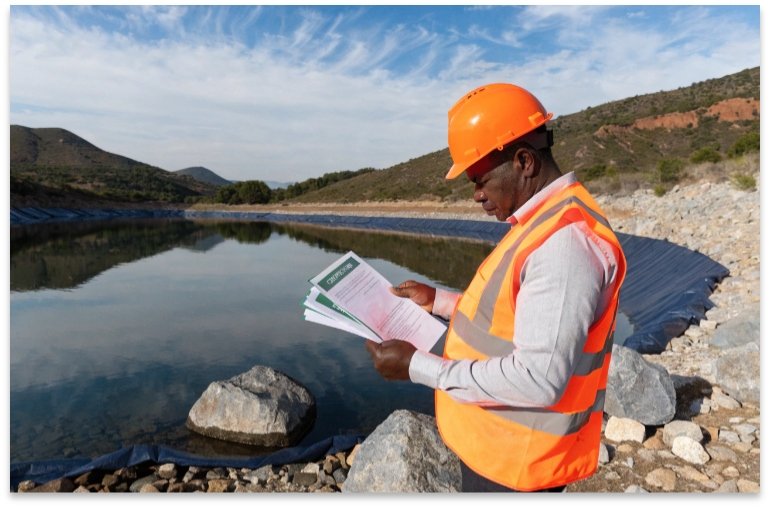
If you are exporting or bidding on a project in the United Kingdom or Commonwealth nations, WRAS approval is heavily scrutinized. Similar to NSF, WRAS ensures the material does not cause water quality to deteriorate, specifically testing for changes in taste, appearance, odor, and the promotion of harmful aquatic microorganism growth.
Best Materials for Potable Water Applications
Not all polymers are legally or functionally suitable for drinking water. When we propose solutions for clean water storage, we strictly limit the material selection to specific, highly controlled formulations.
Polyethylene Mai Girma (HDPE)
HDPE is the most widely used material for large-scale potable water reservoirs. It does not require plasticizers to remain flexible (unlike PVC), meaning there are zero plasticizer chemicals available to leach into the water over the 30-year lifespan of the reservoir. For drinking water, we extrude HDPE using exclusively 100% virgin, food-grade resin. Absolutely no post-consumer or industrial recycled material is permitted in the manufacturing process.
Polyethylene Low-Density Linear (LLDPE)
While HDPE is standard, LLDPE is utilized when the reservoir design involves complex geometries, steep concrete pillars, or uneven settling ground. Because LLDPE is highly flexible, it easily contours to irregular shapes without suffering from stress cracking. Like our HDPE, potable-grade LLDPE must be manufactured from pure, certified virgin resins with food-safe carbon black and antioxidant packages.
Many clients initially ask for PVC or EPDM because of their extreme flexibility. I strongly advise against standard versions of those materials for drinking water unless they are highly specialized, certified potable grades, as common PVC contains phthalate plasticizers that are toxic to human health.
Risk, Limitations, and When Open Reservoirs Are NOT Recommended
This is a critical engineering boundary that buyers must understand. While we produce excellent, safe geomembranes for the bottom and sides of a reservoir, leaving treated drinking water entirely exposed to the open air is fundamentally unsafe and highly discouraged.
If a municipality invests heavily in filtering and chemically treating water, pooling it in a massive, open-topped lined pond defeats the purpose. The sun will rapidly deplete the chlorine residual, allowing toxic blue-green algae and harmful bacteria to breed uncontrollably. Furthermore, an open pond is fully exposed to wind-blown dust, agricultural pesticide drift, and bird droppings.
You cannot maintain potable water quality in an open basin, regardless of how safe the bottom liner is. If you are storing fully treated drinking water, you must implement a floating cover system. A specialized flexible membrane (often made from reinforced Polypropylene or CSPE) must be floated on top of the water to block out UV light, prevent evaporation, and seal the clean water away from external environmental contamination.
Design Requirements for Drinking Water Reservoirs
Designing a secure water facility is far more demanding than a standard irrigation pond. The engineering focus must guarantee total isolation of the water from both the subgrade and the atmosphere.
Absolute Sealing and QA/QC Testing
If an irrigation pond leaks, you lose water. If a drinking water reservoir leaks, you might lose water, but more dangerously, you risk groundwater infiltrating the clean supply when the pond levels are drawn down. Every single dual-track wedge weld and extrusion weld must be aggressively tested via air-pressure tests and vacuum box testing. There is zero tolerance for a compromised seam in a potable system.
Concrete Attachment and Penetrations
Drinking water reservoirs frequently involve massive concrete intake and outfall pipes. The geomembrane must be mechanically fastened to these concrete structures using stainless steel batten strips, neoprene gaskets, and food-grade polyurethane sealants. If standard industrial sealants are used, they will contaminate the water.
Subgrade Protection
Because the liner must not be punctured under any circumstance, we always mandate a heavy non-woven geotextile cushion layer (such as 300g/m² to 500g/m²) between the soil and the geomembrane. This prevents sharp localized rocks from piercing the barrier under the massive hydrostatic pressure of the stored water.
Common Mistakes to Avoid in Procurement
In my experience coordinating international shipments, procurement errors in this sector lead to the highest financial penalties. Avoid these standard pitfalls when sourcing your materials.
- Buying Industrial-Grade Liners to Save Money: This is the most catastrophic mistake. Industrial HDPE is significantly cheaper because it uses standard carbon black and sometimes regrind. Using it for municipal water ensures you will fail the government water quality tests, forcing you to tear out the entire installation and start over.
- Ignoring Local Certification Demands: Do not assume an FDA certificate is enough if the local government tender specifically demands WRAS or NSF 61. Customs officials or local health inspectors will block the project. Always match the manufacturer's laboratory certificates exactly to the tender requirements before placing an order.
- Poor Installation Hygiene: Even if you buy the best NSF-certified liner in the world, the project will fail if the installation crew drops oil from their wedge welders onto the plastic, or leaves construction debris inside the basin before filling. Potable containment requires strict site cleanliness during the deployment phase.
Material Comparison Summary
| Siffar | Industrial Grade Geomembrane | Potable Grade Geomembrane |
|---|---|---|
| Resin Purity | May contain recycled/regrind plastic | 100% Virgin Food-Grade Resin |
| Additives | Standard industrial antioxidants | Non-toxic, FDA/NSF approved stabilizers |
| Certifications | GRI-GM13, ASTM standard | NSF/ANSI 61, WRAS, FDA compliance |
| Primary Risk | Chemical leaching over time | Zero leaching guaranteed by lab data |
Ƙarshe
Securing a reliable and safe drinking water supply requires strict adherence to health standards and uncompromising material quality. A certified potable geomembrane guarantees that you contain the water without chemically compromising it, protecting both public health and your project timeline.
Do not guess when it comes to municipal water compliance. Contact Waterproof Specialist today with your project specifications and required certifications. We will provide fully compliant, laboratory-tested geomembrane solutions tailored specifically to safe drinking water storage.