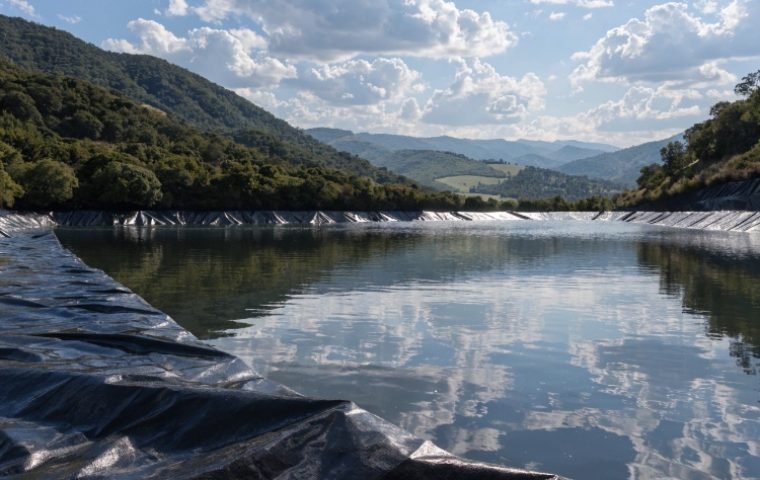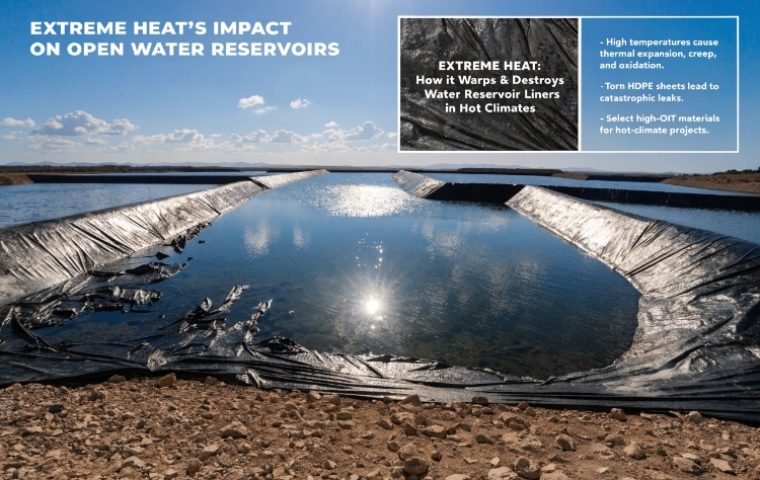


Imagine spending millions to stack an entire mountain of ore, only to watch your valuable, metal-rich solution leak away into the ground, causing an environmental crisis and crippling your financial returns.
Liner systems are critical because they provide three non-negotiable functions: environmental protection by containing toxic leachate, economic security by preventing the loss of valuable dissolved metals, and structural safety by creating a stable foundation for the massive weight of the ore heap.
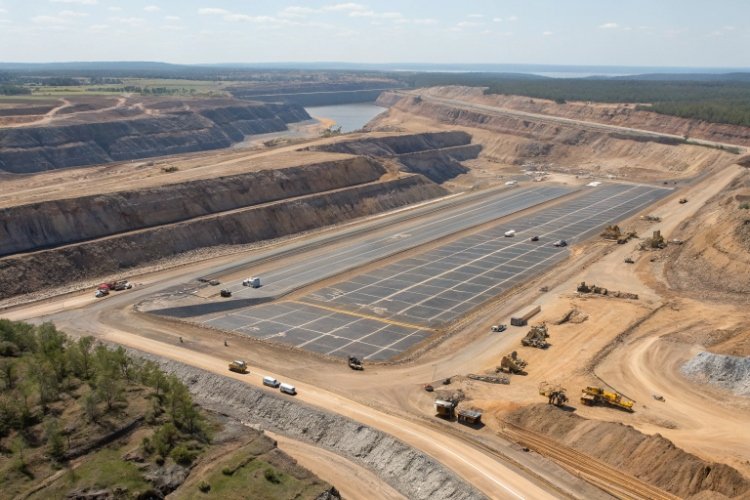
In all my years of supplying geosynthetics to mining operations, I've learned one absolute truth: the liner system isn't an optional extra; it's the heart of a modern, responsible, and profitable heap leach project. It's the technology that makes the entire process feasible. Any project that tries to cut corners here is doomed to fail, either environmentally, financially, or both. Let's dig into why this is an absolute necessity.
What role do liner systems play in controlling solution loss and contamination?
Your heap leach process uses a chemical solution—cyanide for gold or acid for copper—to dissolve metal from the ore. This solution is both a valuable asset and a potential environmental hazard.
The liner system acts as an impermeable basin, capturing every drop of the valuable "pregnant" leach solution for processing. Simultaneously, it prevents these same toxic chemicals from seeping into the ground, containing the contamination at the source.
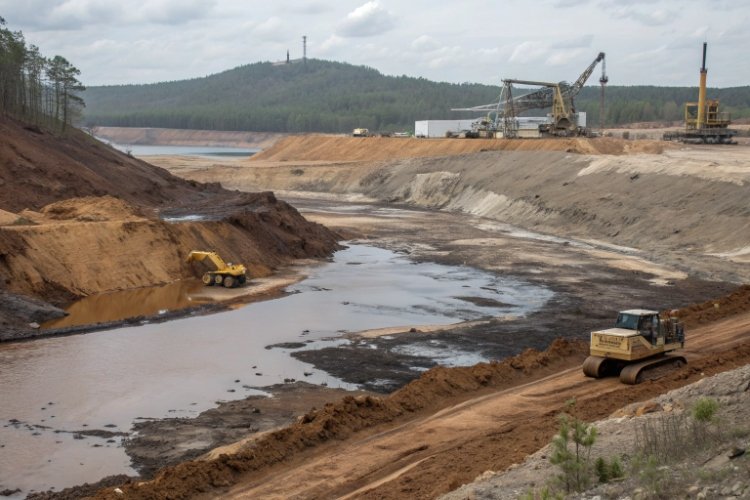
The dual role of the liner is what makes it so critical to the bottom line of the mine.
Containing the Value
First, think of the pregnant leach solution (PLS) as your "liquid asset." It's carrying all the gold or copper you've worked so hard to dissolve. Without a liner, a significant portion of this valuable liquid would simply be lost as it seeps into the earth. Research has shown that even a single-layer liner can leak anywhere from 5 to 10,000 liters per hectare per day. By installing a robust composite liner system, mines can dramatically increase metal recovery rates. The extra profits from this recovered metal often pay for the entire liner system many times over.
Containing the Contamination
Second, the leach solution is toxic. If it escapes, it contaminates groundwater and soil, creating long-term environmental liabilities. The liner's primary environmental job is to serve as a complete barrier, ensuring these chemicals stay within the closed-loop system of the mine, where they can be collected, processed, and recycled.
How do liner systems protect groundwater and surrounding environments in heap leaching?
One invisible leak from an unlined heap could poison a local aquifer for generations. The public trust and the legal permit to operate depend entirely on preventing this from ever happening.
A multi-layered composite liner system creates a robust, redundant barrier. It combines a flexible geomembrane (like HDPE) with a low-permeability clay layer (like a GCL) to create a defense-in-depth system that is far more effective at preventing leaks than any single material alone.
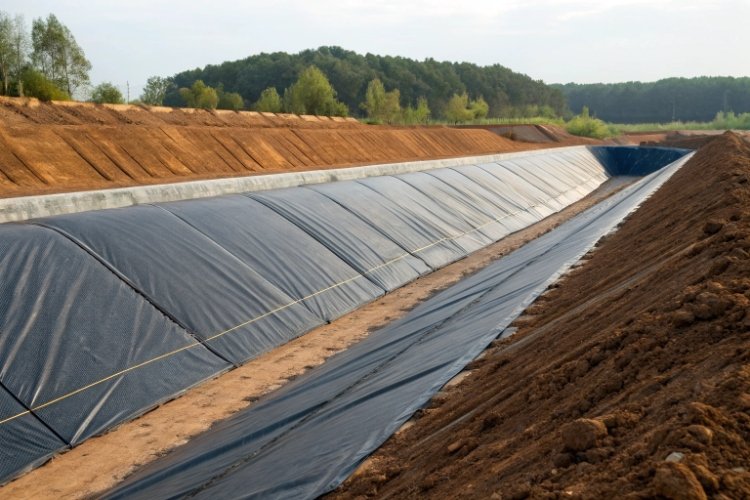
I always tell my clients that modern best practice is not about a single liner, but a complete engineered system. Think of it as a multi-layered defense.
The Composite System Advantage
The gold standard for heap leach pads is a composite liner. Here’s how the components work together:
- Prepared Subgrade: A smooth, stable earth platform provides the foundation.
- Geosynthetic Clay Liner (GCL): This layer of natural bentonite clay is sandwiched between two geotextiles. If a small tear ever occurs in the geomembrane above it, the GCL hydrates and swells on contact with moisture, sealing the leak.
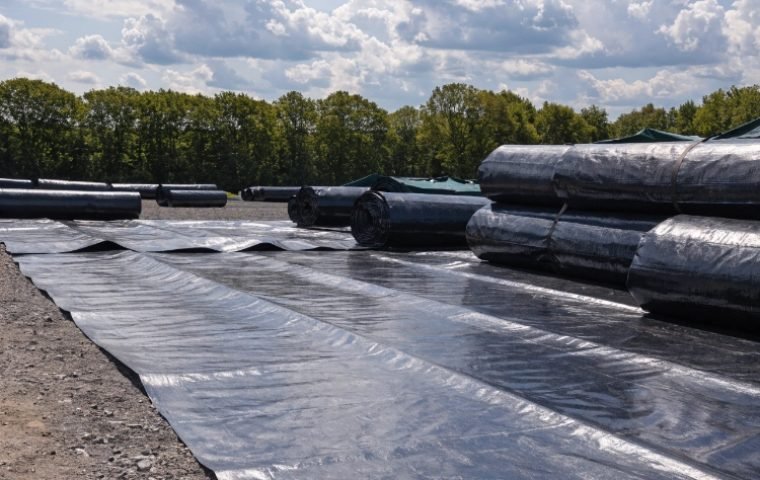
- HDPE Geomembrane: This is the primary impermeable barrier. A thick (1.5mm to 2.0mm) HDPE sheet is welded into a single, continuous basin to contain the leachate.
- Protective Drainage Layer: A layer of cushioning geotextile and gravel is placed on top of the HDPE to protect it from puncture and to serve as a collection system for the pregnant leach solution.
This combination of a flexible membrane and a self-sealing clay layer reduces leakage to near-zero levels, providing the highest possible level of environmental protection.
What risks arise when liner systems fail or are improperly designed?
Cutting corners on a liner system is one of the most expensive "savings" a mining company can make. The consequences of failure are not just minor setbacks; they are catastrophic.
An improper or failed liner leads to massive environmental cleanup costs, irreversible groundwater contamination, huge financial losses from lost metals, operational shutdowns by regulators, and potentially company-ending legal liabilities.
The risks are so severe that they can threaten the entire viability of a project. The two main causes of failure are extreme physical stress and chemical incompatibility.
Overwhelming Physical Stress
A heap leach pile can be over 100 meters high. The weight pressing down on the liner is immense, often exceeding several thousand kilopascals. If the liner system is not designed for this load, two things can happen:
- Puncture: Sharp rocks in the ore pile can be pushed through a single, unprotected geomembrane. Under the weight of a 135-meter ore pile, a liner can suffer up to 300 permanent deformation points per square meter.
- Kasawar Shear: On sloped areas, the immense weight can cause the liner system to tear or slip, creating a massive breach.
Chemical Incompatibility
The liner material must be chosen to match the specific chemistry of the leach solution. For example:
- High pH Cyanide (Gold Mining): Standard GCLs and HDPE geomembranes perform exceptionally well in this environment.
- Low pH Sulfuric Acid (Copper Mining): A standard sodium bentonite GCL will degrade in a highly acidic environment, losing its swelling capacity and becoming permeable. For these projects, a special polymer-modified GCL is required to maintain performance. Choosing the wrong type guarantees failure.
How can proper liner selection improve safety and long-term performance in heap leach operations?
You want a project that is built right the first time—one that is safe, profitable, and runs without interruption for its entire designed life. The liner system is the foundation of that goal.
Proper liner selection is an investment with a massive return. It ensures regulatory compliance, maximizes metal recovery rates, and guarantees the structural integrity of the heap for decades, providing operational certainty and peace of mind.
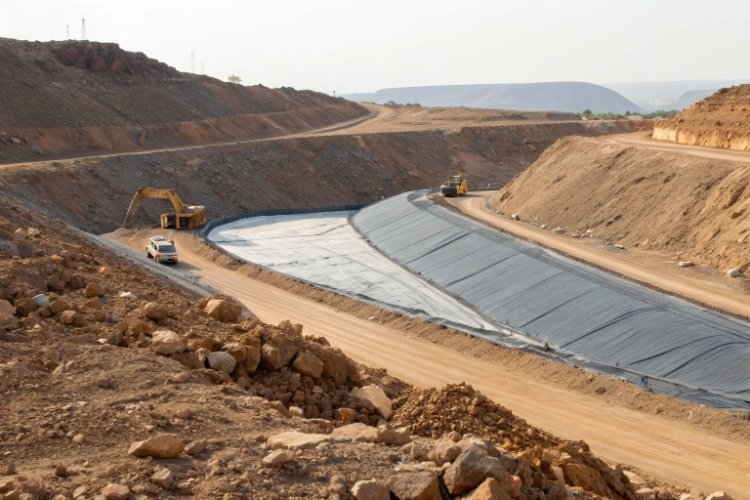
Liner systems are a significant upfront investment, but their return is realized across the entire life of the mine, both in revenue gained and disasters avoided. The cost-benefit analysis is overwhelmingly clear.
| Benefit Type | How the Liner Delivers Value |
|---|---|
| Direct Financial Return | Maximizes metal recovery by preventing loss of pregnant solution. |
| Risk Mitigation | Eliminates risk of massive fines and cleanup costs. |
| Operational Uptime | Prevents project shutdowns ordered by environmental regulators. |
| Long-Term Asset | One-time cost provides benefits for the 10-30 year life of the mine. |
The cost of a state-of-the-art liner system typically represents only 1-3% of the total operating cost when amortized over the mine's lifespan. However, it protects 100% of the mine's revenue stream and environmental reputation. In modern mining, the quality of your project is judged by the quality of your liner system.
Ƙarshe
Liner systems are a technical, legal, economic, and environmental necessity. They prevent asset loss, protect groundwater, and are mandated by law, making a successful heap leach operation possible and profitable.