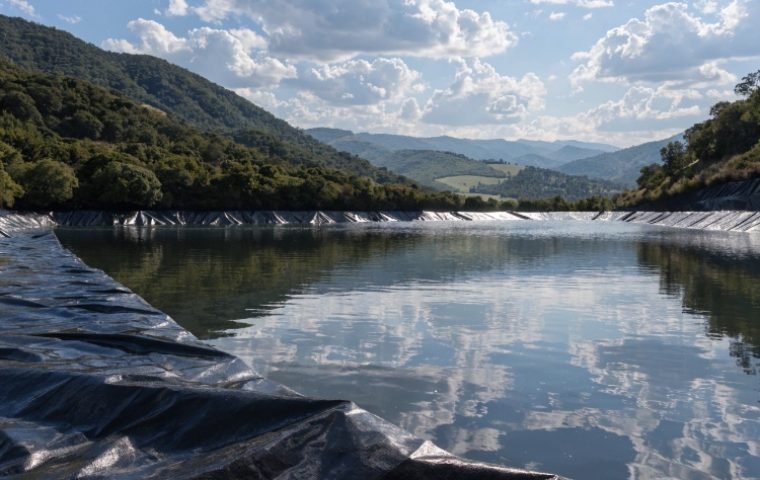
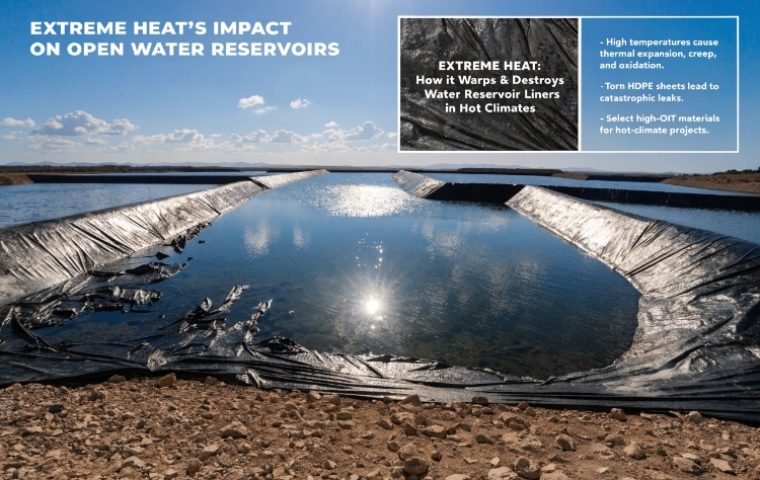
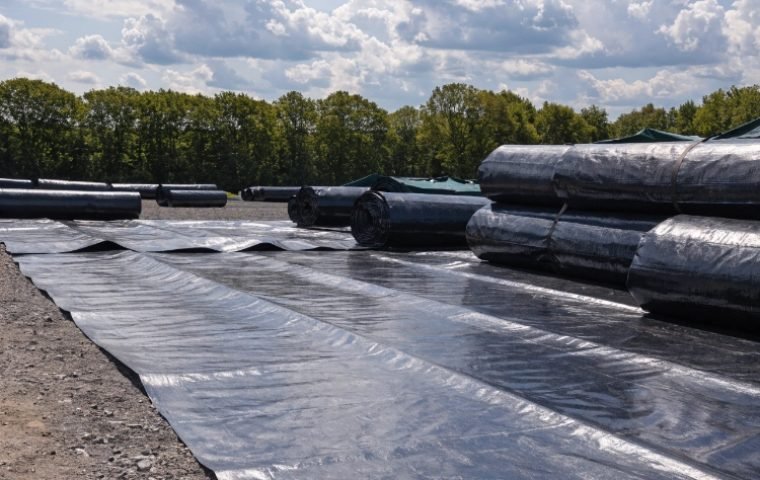
Dutsen dutse mai kaifi ɗaya ko kayan aiki da aka sauke na iya huda layin layin geomembrane mai tsada, wanda zai haifar da gazawar bala'i. Kare wannan shinge mai mahimmanci yana da mahimmanci, amma ta yaya za ku iya tabbatar da amincinsa yayin da bayan ginin?
Geotextile mara saƙa yana kare masu layi ta yin aiki azaman kauri, matashi mai ɗorewa. Yana ɗaukar ƙarfi da watsar da ƙarfi daga abubuwa masu kaifi da gogayya, yana hana huɗa da lalacewa wanda zai iya lalata amincin geomembrane mai tushe.

Daga gwaninta na fitar da geosynthetics, zan iya gaya muku cewa 60-80% mai ban mamaki na lalacewar geomembrane yana faruwa yayin lokacin shigarwa. Yana da babban haɗari. Shi ya sa nake gaya wa abokan ciniki koyaushe cewa kariyar geotextile ba ƙari ba ne na zaɓi; muhimmin sashe ne na tsarin tsaro mai tsaro. Bari mu dubi daidai yadda wannan masana'anta mai sauƙi ke ba da irin wannan kariya mai ƙarfi.
Ta yaya geotextile ke aiki a matsayin shimfiɗar shimfiɗa don rage haɗarin huda?
Kun san cewa geotextile na iya dakatar da dutse mai kaifi, amma ta yaya? Ga alama ma sauki. Fahimtar injiniyoyi yana taimaka muku fahimtar dalilin da yasa yadudduka mai kauri, nauyi shine mafi kyawun kariyarku daga gazawar layi.
Geotextile mai kauri mara kauri yana aiki kamar soso don ƙarfi. Tsarinsa na fiber mai girma uku yana ɗaukar makamashi mai tasiri daga wurare masu kaifi, yana rarraba damuwa a kan wani yanki mai girma da kuma hana karfi daga mayar da hankali a kan da kuma huda layin.
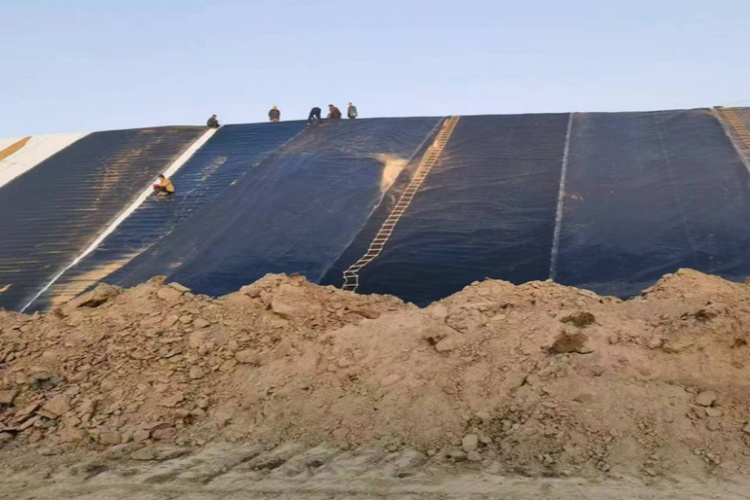
Lokacin da abokin ciniki ya tambaye ni game da huda kariya, A koyaushe ina jaddada cewa wasa ne na ilimin lissafi, ba kawai danyen ƙarfi ba. Manufar ita ce dakatar da matsin lamba daga haɓakawa a wuri guda.
Ikon Kauri
Mahimmin abu guda ɗaya mafi mahimmanci don kariyar huda shine girman geotextile, ko nauyi (wanda aka auna cikin gram kowace murabba'in mita, gsm). Geotextile mafi nauyi (misali, 400 gsm vs. 200 gsm) ya fi kauri. Wannan kauri yana haifar da yanki mai ɗaukar hoto na zahiri. Lokacin da dutse mai kaifi ya danna ƙasa, dole ne ya tura ta cikin ƙarin kayan, kuma zaruruwa suna da ƙarin ɗaki don motsawa da ɗaukar kaya. Yayin da ƙarfin ƙwanƙwasa yana da mahimmanci ga sauran aikace-aikacen, don kariya ta huda mai tsabta, kauri, masana'anta masu nauyi koyaushe za su fi sirara, ƙarfi mai ƙarfi.
Muhimmancin Tsari
Geotextiles da ba a sakar allura ba an yi su ne da filayen polypropylene marasa adadi waɗanda aka kulle su cikin bazuwar gidan yanar gizo na 3D. Wannan tsarin shine mabuɗin. Maimakon maki ɗaya yana ɗaukar duk ƙarfin, ana raba kaya a cikin dubban zaruruwa. Wannan yana yada damuwa, yana rage matsa lamba a kowane lokaci akan geomembrane da ke ƙasa zuwa matakin aminci. Wannan tsarin kuma yana iyakance nau'in geomembrane kanta, yana kiyaye shi ƙasa da 6%, wanda ke taimakawa hana fashewar damuwa na dogon lokaci.
Ta yaya geotextile ke hana lalacewar abrasion yayin shigarwa da amfani na dogon lokaci?
Huda ba shine kawai barazana ga layin ku ba. Shafawa na yau da kullun da gogayya daga tsakuwa ko zirga-zirgar kayan aiki na iya lalata saman geomembrane akan lokaci, wanda zai haifar da ɗigo. Ta yaya masana'anta mai laushi ke hana wannan lalacewar niƙa?
Geotextile yana aiki azaman Layer na hadaya wanda ke ɗaukar duk abin da ya faru. Fibrous samansa yana jure gogewa da gogewa, yana hana hulɗa kai tsaye tsakanin kayan abrasive (kamar tsakuwa) da santsin saman layin geomembrane.
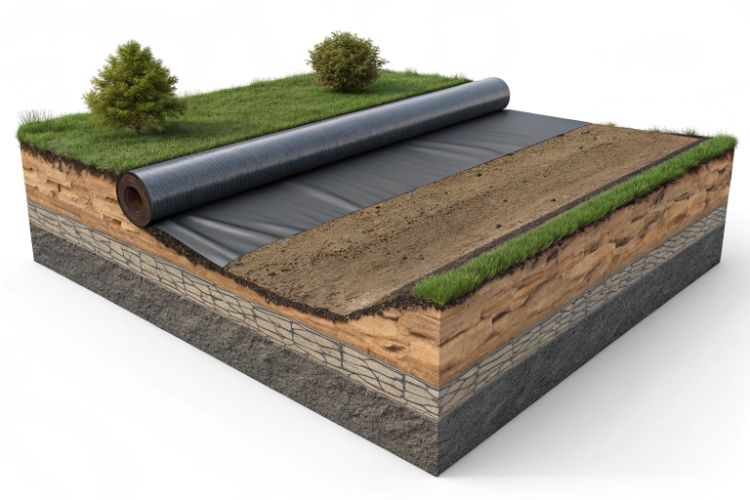
Ina gaya wa abokan cinikina su yi tunaninsa kamar mai kare allo a wayarka. Mai karewa yana gogewa, amma allonku mai tsada ya kasance cikakke a ƙasa. Geotextile yana aiwatar da ainihin aiki iri ɗaya a cikin tsarin ɗaukar hoto.
Kariyar tana aiki ta hanyoyi biyu. Na farko, saman geotextile yana ɗaukar bugun kai tsaye daga kowane kayan zamewa ko motsi, kamar lokacin da ɗan kwangila ya sanya wuri kuma ya ƙaddamar da magudanar ruwa. An tsara zaruruwan masana'anta don tsayayya da wannan lalacewa. Na biyu, kuma mafi mahimmanci, yana haifar da rabuwa na dindindin. Tsakuwar abrasive da santsin geomembrane ba su taɓa taɓawa ba. Wannan yana da mahimmanci don aiki na dogon lokaci. A cikin aikace-aikace masu nauyi mai ƙarfi, kamar hanya ko hular shara, maimaita cunkoson ababen hawa na iya haifar da abubuwa don motsawa da niƙa. Geotextile yana ci gaba da ɗaukar wannan motsi, yana hana jinkirin amma ci gaba da lalata saman geomembrane wanda in ba haka ba zai faru tsawon shekaru na sabis. Idan ba tare da wannan Layer na hadaya ba, za a rage tsawon rayuwar layin.
A waɗanne nau'ikan ayyuka ne ake amfani da geotextile a matsayin Layer na kariya?
Kun san cewa geotextile yana ba da kariya, amma a ina yake da matuƙar mahimmanci? Aiwatar da shi a cikin aikace-aikacen da ya dace yana tabbatar da samun mafi girman ƙima da tsaro, guje wa gazawa a cikin matsanancin yanayi.
Geotextiles suna da mahimmanci don kare layi a cikin wuraren da ake zubar da ƙasa, tafkunan ruwa, da magudanar ruwa. Hakanan suna da mahimmanci a ƙarƙashin rip-rap don kula da zaizayar ƙasa, ƙarƙashin tituna da layin dogo, da kuma kan tudu masu tudu inda abubuwa zasu iya canzawa da haifar da lalacewa.

A cikin kwarewata, kusan kowane aikin da ya ƙunshi geomembrane yana amfana daga kariya ta geotextile. Farashin yayi kadan idan aka kwatanta da haɗarin zubewa. Ga mafi yawan al'amuran da na ga an kayyade su:
| Nau'in Aikin | Me yasa Geotextile yake da mahimmanci |
|---|---|
| Layin ƙasa | Yana ba da kariya ga geemembrane na farko na HDPE daga huda shi ta ruwan magudanar ruwa ko abubuwa masu kaifi a cikin sharar gida. |
| Tafkunan ruwa & Canals | Yana ba da matashi tsakanin layin layi da ƙasa mai ƙasa ko dutse mai kariya/rufin kankara. |
| bakin teku & Kariyar Kogin Kogin | An sanya shi ƙarƙashin dutsen sulke mai nauyi (rip-rap) don hana kaifi da gefuna na duwatsu yaga masana'anta ko ƙasa mai tacewa. |
| Tunnels & Tushen | Yana garkuwa da murfin ruwa daga lalacewa yayin cikawa da dutsen kusurwa. |
| Heap Leach Pads | Yana kare layin geomembrane daga huda tama mai kaifi da aka sanya a saman. |
Bayan 'yan shekarun da suka gabata, wani abokin ciniki yana gina babban tafki a cikin wani yanki mai dutse ya yi ƙoƙari ya ajiye kuɗi ta hanyar barin geotextile na kariya. A lokacin cikowa, an huda layinsu a wurare da yawa. Kudin ganowa da gyara ɗigogi ya ninka sau goma abin da geotextile zai kasance a farkon wuri.
Ta yaya zan iya zaɓar ƙarfin geotextile daidai da kauri don ingantaccen kariya?
Zaɓin geotextile mara kyau na iya ba ku ma'anar tsaro ta ƙarya. Yaduwar da ta yi haske da yawa ba za ta samar da isassun matattakala ba, yayin da ƙayyadaddun ƙayyadaddun ƙayyadaddun ƙayyadaddun ƙayyadaddun ƙayyadaddun ƙayyadaddun kuɗai ne. Ta yaya kuke samun daidaitattun ma'auni don aikinku?
Zaɓi madaidaicin geotextile ta hanyar daidaita yawan sa kowane yanki ɗaya (gsm) da juriya mai tsauri (CBR) zuwa girma da kaifin kayan da ke sama. Ana buƙatar mafi girma, mafi kauri geotextiles (gsm mafi girma) don girma, ƙarin dutsen kusurwa.
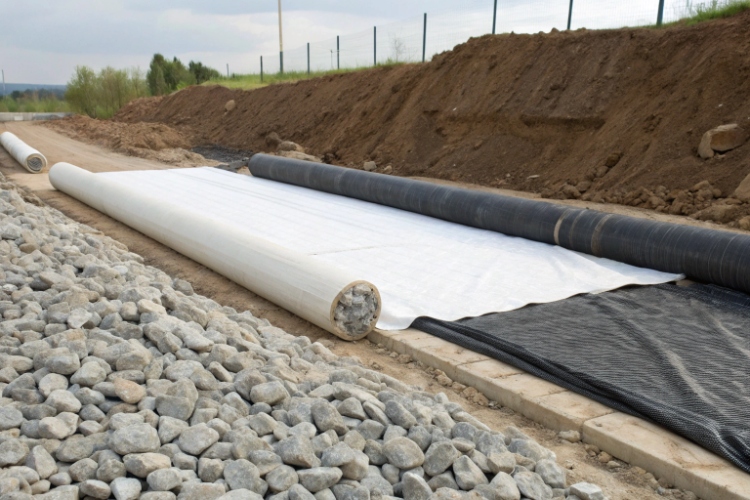
Lokacin da abokin ciniki ya nemi shawara, ba na ba su amsa ɗaya ɗaya. Maimakon haka, na tambaye su game da yanayin rukunin yanar gizon su. Zaɓin yanke shawara ne na fasaha dangane da haɗari. Ga abubuwan da muka tattauna:
Maɓallin Ayyukan Ayyuka
Don yin zaɓin da aka sani, kuna buƙatar duba takardar bayanan masana'anta don ƴan mahimman ƙima. Kada ku kalli sunan samfurin kawai; duba lambobi.
- Yawan Raka'a Kowane Raka'a (g/m² ko oz/yd²): Wannan shine mafi mahimmancin nuni na kauri da ƙarfin cushioning. Yadudduka mai nauyi yana ba da ƙarin kariya. Ƙimar 400 gsm ya zama ruwan dare don kariya mai matsakaici, yayin da 800+ gsm za a iya buƙata don kaifi, dutse mai nauyi.
- Juriya Tsakanin Huɗa (ASTM D6241): Wannan gwajin yana auna ƙarfin da ake buƙata don tura mai shiga cikin masana'anta. Ƙimar da ta fi girma tana nufin mafi kyawun juriya ga huda daga abubuwa mara kyau.
- Mazugi Drop Resistance Resistance (ASTM D5494): Wannan yana auna yadda masana'anta ke tsayayya da tasiri daga faɗuwa, abu mai kaifi, kwaikwayon dutsen da aka faɗo.
Don ƙaramin saka hannun jari na $0.50–$1.50 a kowace murabba'in mita, geotextile na kariya yana tabbatar da geomembrane wanda ke biyan $2–$5 kowace murabba'in mita don shigarwa. Ita ce mafi kyawun tsarin inshora da za ku iya saya don aikinku.
Ƙarshe
Geotextile mara saƙa ba shi da tsada amma manufar inshora mai mahimmanci ga kowane tsarin layi. Ƙarfin sa na kwantar da hankali da huda da kuma tsayayya da abrasion shine mabuɗin don tabbatar da amincin dogon lokaci na aikin ƙulli mai mahimmanci.