

Zaɓin madaidaicin tsayin geocell shine yanke shawara mai mahimmanci wanda ke shafar aikin aiki kai tsaye, farashi, da kwanciyar hankali na dogon lokaci. Zaɓin tsayin da ya yi ƙasa da ƙasa zai iya haifar da rashin isasshen tallafi ko gazawar gangara, yayin da fiye da ƙayyadaddun ƙayyadaddun tsayin daka, yana ƙara zurfin hakowa, da haɓaka farashin aikin. Nemo ma'auni mafi kyau shine mabuɗin samun nasarar aikin daidaita ƙasa.
Kamar yadda a mai samar da geosynthetics, Mun ga yadda wannan siga guda ɗaya zai iya yin ko karya ƙira. An tsara wannan jagorar mai amfani don tafiya da ku ta hanyar tsari don zaɓar daidai tsayin geocell. Za mu rufe mahimman abubuwan da ke tasiri, samar da cikakkun shawarwari don aikace-aikace daban-daban, da ba da jerin abubuwan dubawa na ƙarshe don taimaka muku yanke shawara mai fa'ida bisa ƙaƙƙarfan ƙa'idodin aikin injiniya, ba zato ba.
Bari mu fara da fahimtar yadda tsayin geocell ke aiki don haɓaka kaddarorin ƙasa.
1. Fahimtar Aikin Geocell Height
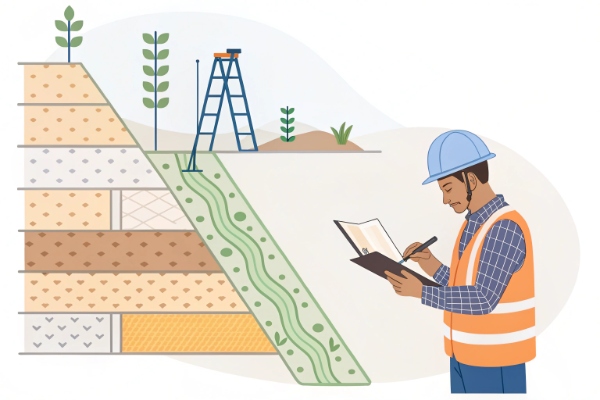
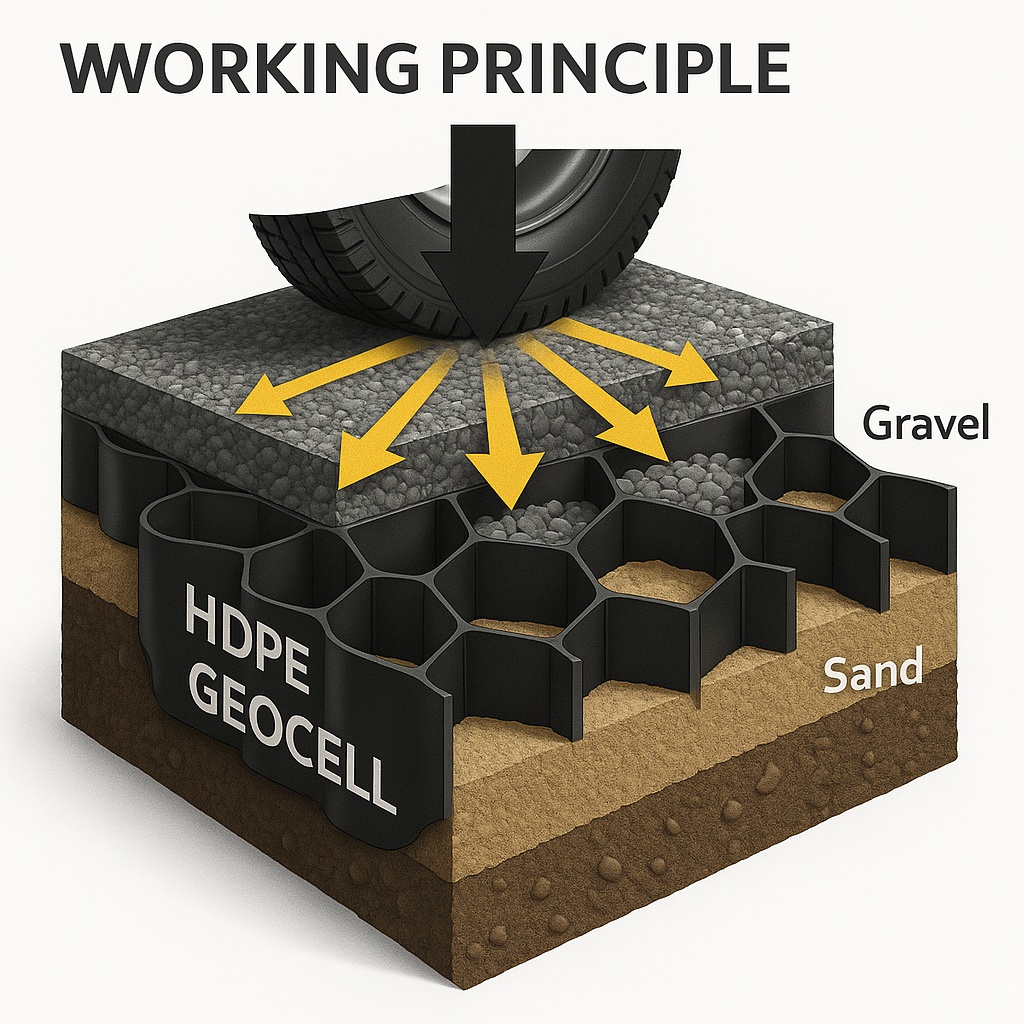
Tsarin geocell yana aiki ta hanyar ƙirƙirar saƙar zuma mai girma uku na tsarewa. Lokacin da aka cika shi da tara, yashi, ko ƙasa, yana hana motsin ɓangarorin da ke ciki. Wannan tsarewa yana haifar da tasirin katifa mai tsauri wanda ke haɓaka kaddarorin ƙasa mai mahimmanci.
The tsawo na geocell tabbas shine mafi mahimmancin siga a cikin wannan tsarin. Yana faɗa kai tsaye:
- Zurfin Tsari: Dogayen sel suna haifar da zurfafa, ƙwaƙƙwaran ƙayyadaddun nau'in haɗin gwiwa, suna samar da maƙarƙashiya mai ƙarfi tare da kayan cikawa.
- Rarraba Load: Katifa mai tsayin geocell yana rarraba kayan aiki a tsaye akan wani yanki mai faɗi na ƙasa, yana rage matsi da hana daidaitawa ko rugujewa.
- Juriya na Layi: A kan gangara, tsayi mafi girma yana ba da ƙarin juriya ga ƙarfin nauyi da na ruwa, yana hana zaizayar ƙasa da zamewar ƙasa.
Mahimmanci, tantanin halitta mai tsayi yana haifar da ƙayyadaddun ƙayyadaddun injina tare da mafi girman tsarin tsari. Koyaya, fa'idodin ba na layi ba ne, kuma makasudin shine zaɓin m tsayin da ake buƙata don saduwa da maƙasudin aiki, don haka inganta farashi.
2. Mabuɗin Abubuwan Da Ke Tasirin Zaɓin Tsawon Geocell
Abubuwa na farko guda uku ne ke jagorantar zaɓin tsayin geocell: ƙarfin ƙasar da kuke ginawa, nauyin abin da kuke sawa a kai, da nau'in aikin da kuke ginawa.
Ƙarfin Ƙarfi da Buƙatun CBR
Wannan shine abu mafi mahimmanci. Matsakaicin raguwar darajar ku, ƙarin tallafin da kuke buƙata daga tsarin geocell. The Raba Haɗin California (CBR) shine ma'aunin ma'auni na Karfin subgrade.
| Rage darajar CBR | Ƙididdigar Ƙarfafawa | Nasihar Geocell Height | Bayanin kula |
|---|---|---|---|
| < 2% | Mai Rauni | 150 mm - 250 mm (6" – 10") | Yana buƙatar ƙaƙƙarfan tsarewar gefe. Maiyuwa kuma yana buƙatar daidaitawa ƙasa. |
| 2% - 5% | Mai rauni | 100mm - 150mm (4" – 6") | Daidaitaccen aikace-aikace akan ƙasa mara kyau. |
| 5% - 10% | Matsakaici | 75mm - 100mm (3" – 4") | Ƙananan tsayi sau da yawa ya isa. |
| > 10% | Yayi kyau | 50mm - 75mm (2" – 3") | Subgrade ya cancanta; Geocell yafi dacewa don kwanciyar hankali na saman ƙasa ko sarrafa yazawa. |
Misali, akan aikin tare da rigar ƙasa mai yumbu (CBR < 2%), geocell mm 50 kawai ba zai yi tasiri ba. Zane zai buƙaci geocell na akalla 100 mm, mai yiwuwa tare da haɗin gwiwar ƙasa mai daidaitawa kamar lemun tsami, don cimma aikin da ya dace.
Load da Ake Tsammata (Tsarin zirga-zirga, Ƙarfafawa, Matsalolin Tudu)
Nau'in da girman nauyin kaya yana ƙayyade damuwa da tsarin geocell dole ne ya jure.
- Maɗaukakin Maɗaukaki: Rufe-tsalle, bangon riko, da katifu na tushe. Manyan geocells suna ba da tushe mai kauri, mafi tsayi.
- Maɗaukakiyar lodi: Motoci. Motoci masu nauyi da mitar zirga-zirga suna buƙatar tsayin geocells don hana ɓarna na dogon lokaci. Geocell mm 100 na iya haɓaka rayuwar ruguzawar hanya da sau 1.8 idan aka kwatanta da tantanin halitta 75 mm.
Nau'in Aikin: Tushen Hanya, gangara, Tashoshi, Cika Ciki
Aikace-aikace daban-daban suna da manufofin farko daban-daban:
- Hanyoyi: Bukatar tsayayya da rutting a tsaye da rarraba kaya.
- gangara: Bukatar tsayayya da motsin ƙasa na gefe da zaizayar ƙasa.
- Tashoshi: Bukatar tsayayya da damuwa mai ƙarfi na hydraulic daga kwararar ruwa.
3. Shawarar Geocell Heights don Aikace-aikace Daban-daban
Dangane da dubban ayyuka, ƙayyadaddun jagorori sun fito. Mafi yawan tsayin da aka fi sani shine 100 mm (4"), 150 mm (6"), and 200 mm (8"), wanda ke rufe mafi yawan aikace-aikacen.
Teburin Magana Mai Sauri
| Tsayi (mm) | Tsayi (ciki) | Aikace-aikace na yau da kullun | Load Class |
|---|---|---|---|
| 50 mm | 2" | Tsarin shimfidar wuri, hanyoyin lambun haske, kariyar turf | mai tafiya a ƙasa (< kilogiram 500) |
| mm 75 | 3" | Hanyoyin tafiya a ƙasa, hanyoyin keke, hanyoyin keken golf | Aikin Haske (< kilogiram 1,000) |
| 100 mm | 4" | Mafi Yawanci: Titin mota, wuraren ajiye motoci, hanyoyin samun haske | Aikin Matsakaici (< kilogiram 3,000) |
| 150 mm | 6" | Parking na kasuwanci, hanyar gaggawa, hanyoyin gona | Babban aiki (< kilogiram 16,000) |
| 200 mm | 8" | Jawo hanyoyi, wuraren hakar ma'adinai, tsaka-tsakin yadudduka, wuraren kwanciya | Nauyi Mai nauyi (< kilogiram 30,000) |
| 250 mm | 10" | Wuraren tashar jiragen ruwa, titin jirgin sama, matsanancin lodi | Babban Aikin (< kilogiram 60,000) |
Domin Karfafa Tushen Hanya
- Ayyukan Haske (Motoci, yankunan masu tafiya): 75 mm zuwa 100 mm ya isa.
- Matsakaicin Layi (Hanyoyin zama, guraben kasuwanci): 100 mm zuwa 150 mm shine ma'auni. Yi amfani da mm 150 don wuraren da manyan motocin dakon kaya ke yawaita.
- Babban Ayyuka (Gidan masana'antu, hanyoyin jigilar kayayyaki, hanyar gaggawa ga motocin kashe gobara): 150 mm zuwa 200 mm (ko fiye) ana buƙata.
Don Kwanciyar Hankali
Mafi girman gangaren, mafi girman tsayin geocell da ake buƙata don samar da isasshen ƙaƙƙarfan ƙaƙƙarfan ƙaƙƙarfan ƙaƙƙarfan ƙarfi.
- Tafiya mai laushi (< 30° ko 1V: 3H): 75 mm - 100 mm
- Matsakaicin gangara (30°-45° ko 1V:2H): 100 mm - 150 mm
- Tuduniya (> 45° ko 1V: 1.5H): 150 mm - 200 mm
Ƙididdigar ƙima mai amfani mai sauri don aikace-aikacen gangara shine:
Recommended Cell Height ≈ Slope Height / 8 to 10
Don tsayin daka mai tsayi na mita 10, wannan yana nuna tsayin 100 mm zuwa 125 mm, wanda ya faɗi daidai a cikin kewayon da aka ba da shawarar don matsakaicin gangara.
4. Kwatanta Low, Medium, da High Geocells
Zaɓin tsayin tsayi ya haɗa da ciniki tsakanin farashi na gaba da aiki na dogon lokaci.
| Factor | 100 mm (4") Geocell | 150 mm (6") Geocell | Takeaway |
|---|---|---|---|
| Farashin samfur | Kasa | 20-30% sama da 100 mm | 150 mm yana da farashin kayan gaba mafi girma. |
| Cika Ƙarar | Kasa | 50% fiye da cikawa fiye da 100 mm | Dogayen sel suna buƙatar ƙarin jimillar, haɓaka farashi. |
| Kudin tono | Kasa | Mafi girma (ana buƙatar hako mai zurfi) | Kudin shirye-shiryen yanar gizon yana ƙaruwa tare da tsayin tantanin halitta. |
| Ayyuka | Madalla don matsakaicin lodi | Babban aiki don kaya masu nauyi | Abubuwan da aka samu sun ragu fiye da 150mm don amfani da yawa. |
| Rahoton da aka ƙayyade na ROI | Mafi kyawu don yawancin aikace-aikace | Tattalin arziki kawai don ayyuka masu nauyi | 100 mm shine wuri mai dadi don tsada-tasiri. |
Don yawancin ayyuka, a Geocell mm 100 yana ba da mafi kyawun dawowa kan saka hannun jari. Motsawa zuwa 150 mm yana dacewa kawai lokacin da ake hulɗa da ƙasa mai rauni (CBR < 3%) ko daidaitaccen cunkoson ababen hawa.
5. Abubuwan La'akari da Girman Halitta
Samfurin geocell shima yana taka rawa.
Cika Mu'amalar Material
Nau'in kayan cikawa yana shafar tsarewar da ake buƙata. M, tsakuwa mai kusurwa yana da babban kusurwar juzu'i kuma yana aiki da kyau a cikin sel 75-100 mm. Yashi mai kyau, wanda ba shi da kwanciyar hankali, yana amfana daga mafi girman tsarewar sel 100-150 mm. Abin sha'awa, bincike ya nuna cewa geocell mm 100 da ke cike da haɗin ginin da aka sake fa'ida zai iya cimma aiki iri ɗaya kamar geocell mm 150 cike da tsakuwa na al'ada, yana ba da tanadi mai mahimmanci.
Ingancin Geocell (Kaurin bango da Ƙarfin Weld)
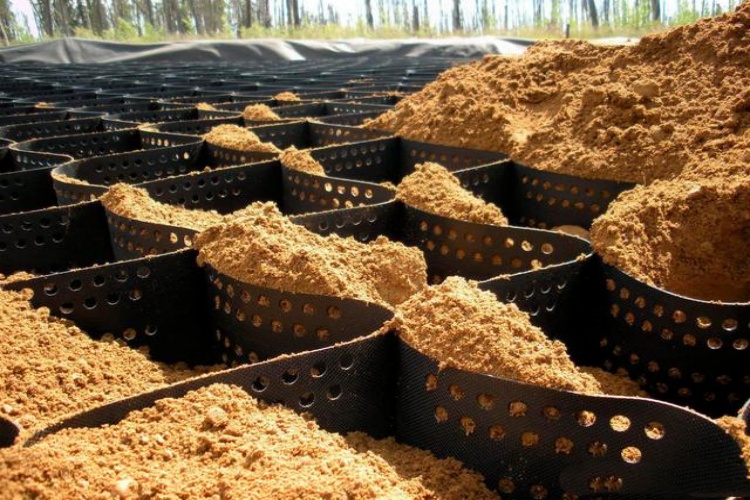
Ba duk geocells ba daidai suke ba. Kyakkyawan geocell mai inganci tare da bango mai kauri (misali, 1.5 mm vs. daidaitaccen 1.25 mm) da waldi masu ƙarfi suna ba da tsaro mafi girma. Wannan yana nufin babban aiki Geocell 100 mm sau da yawa na iya maye gurbin daidaitaccen aikin geocell 150 mm, adanawa akan kayan, cikawa, da farashin tono. Koyaushe kwatanta takaddun bayanan fasaha, ba kawai tsayi ba.
6. Kura-kurai na gama gari wajen Zabar Tsawon Geocell
- Ƙarfafa ƙayyadaddun bayanai: Choosing a 200 mm height "just to be safe" akan hanyar matsakaicin aiki ba tare da ingantaccen bincike ba yana haifar da kashe kuɗi mara amfani.
- Ƙarƙashin ƙayyadaddun bayanai: Yin amfani da geocell mm 75 akan mai laushi mai laushi mai laushi saboda yana da rahusa kusan tabbas zai haifar da gazawar da wuri.
- Yin watsi da Cika: Zaton duk kayan shigar suna yin iri ɗaya. Cikowar yashi mai kyau yana buƙatar tantanin halitta mai tsayi fiye da dakakken dutsen da aka samu don cimma ƙarfin ɗaukar nauyi iri ɗaya.
7. Lissafin Zaɓuɓɓuka Masu Haƙiƙa na Injiniya
Bi wannan tsarin aiki don isa ga yanke shawara mai ma'ana.
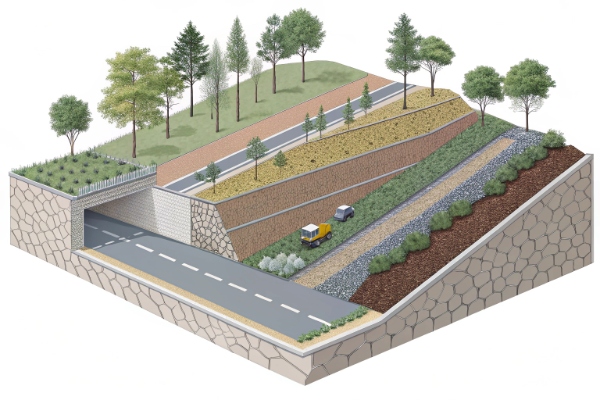
- Ƙayyade aikace-aikacen: Hanya ce, gangara, tasha, ko bango? Yi amfani da Teburin Magana mai Sauri don samun kewayon tsayin farko.
- Ƙimar Ƙarfafawa: Menene Babban darajar CBR? Idan mai rauni ne (<5%), daidaita zaɓinku na farko sama da girman ɗaya (misali, daga 100 mm zuwa 150 mm).
- Tabbatar da Matsayin Load: Menene abin hawa mafi nauyi da ake tsammani? Bincika ingantaccen zaɓinku akan azuzuwan kaya a cikin tebur.
- Yi la'akari da Yanayin: Don wuraren da ke da yawan ruwa mai yawa ko narkewar hawan keke, la'akari da ƙara tsayi da 25-50 mm don inganta magudanar ruwa da kwanciyar hankali.
- Ƙimar Kayan Ciki: Shin kuna amfani da jimlar angular mai inganci ko ƙasa mai ƙarancin inganci? Daidaita tsayi daidai.
- Tabbatar da Ma'auni: Yi la'akari da zaɓinku tare da jagororin ƙira na gida da na ƙasa (misali, AASHTO don ƙananan hanyoyi), waɗanda galibi suna ba da shawarar geocells 100-150 mm don rage kauri na tushe da 30-50%.
Ƙarshe
Duk da yake abubuwa da yawa suna cikin wasa, tsari bayyananne yana fitowa. Ga mafi yawancin ayyukan, 100 mm (4") geocell is the versatile, cost-effective workhorse. Yana ba da ingantacciyar ma'auni na aiki da tattalin arziƙi ga komai daga titin mazaunin zuwa hanyoyin kasuwanci masu haske. Ajiye 150 mm (6") geocells for projects with known challenges, kamar masu rauni sosai ko yawan zirga-zirgar manyan motoci akai-akai. Ta bin tsarin zaɓin da aka tsara, zaku iya amincewa da zaɓin tsayi wanda ke tabbatar da nasarar aikin kuma yana ba da ƙimar ƙima.