

Massive infrastructure projects and stricter environmental laws are creating huge demand for reliable containment solutions. But how do you navigate a complex global market to find a trustworthy supply partner? Choosing incorrectly can lead to project delays and failures.
This guide analyzes the global geomembrane market outlook for 2025–2030. We’ll cover key growth drivers, emerging material and manufacturing trends, and highlight why China has become a pivotal hub for sourcing high-quality geomembrane solutions, helping you make informed decisions for your next project.
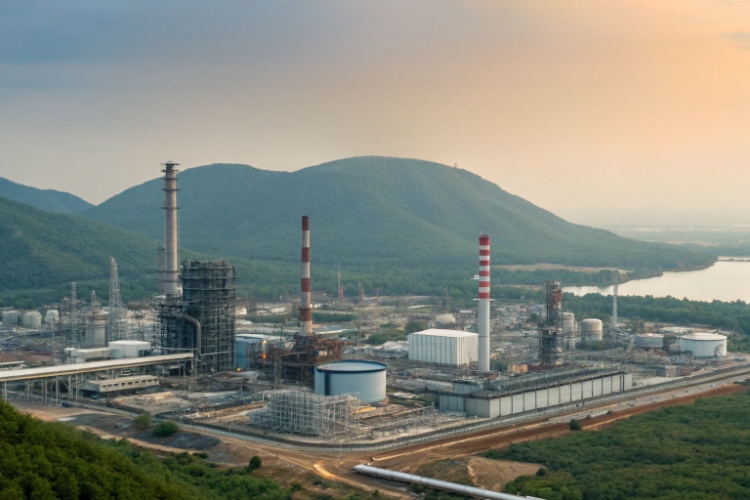
1. Understanding the Geomembrane Market and Its Environmental Role
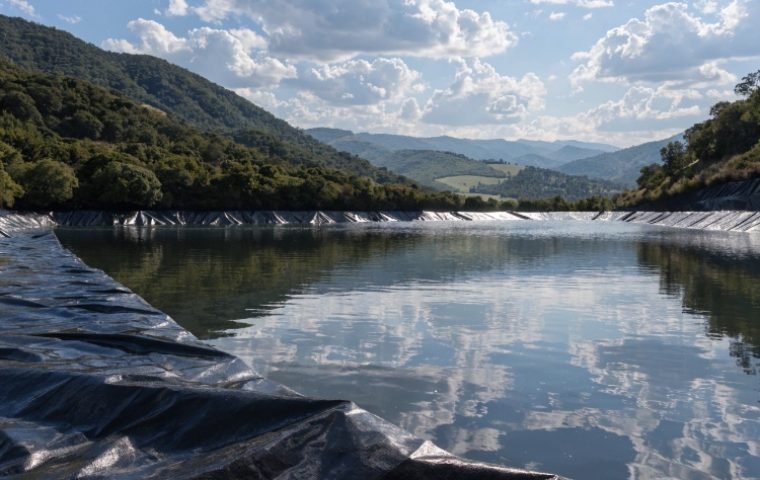
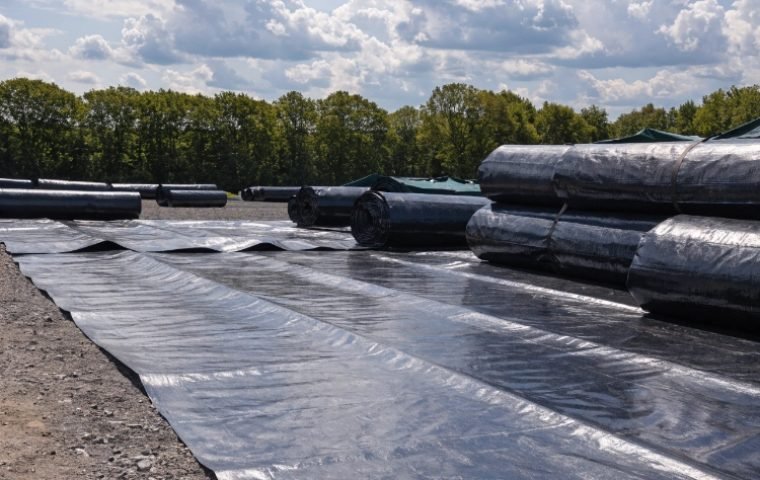
First, let's define our core product. A géomembrane is an engineered, impermeable liner made from synthetic polymer sheets. Its primary function is to act as a barrier, controlling fluid or gas migration in any project it's used in. We see them as the unsung heroes of modern environmental protection.
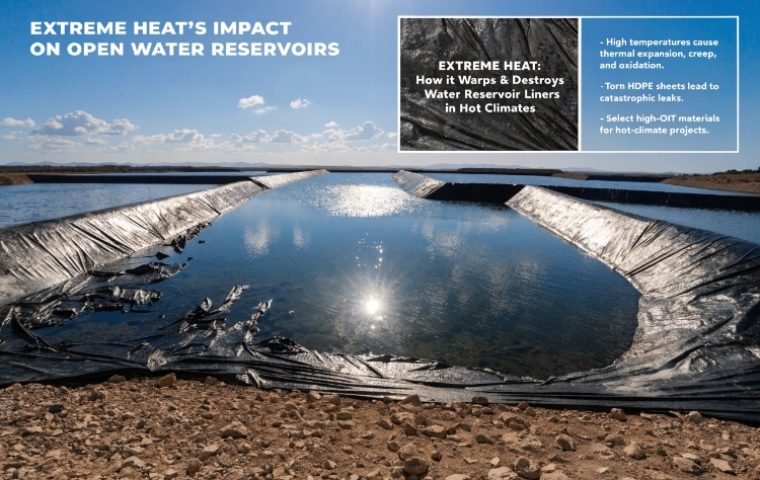
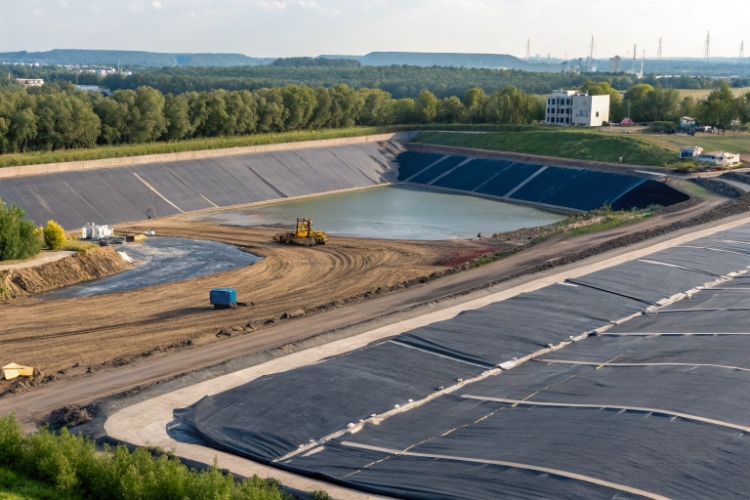
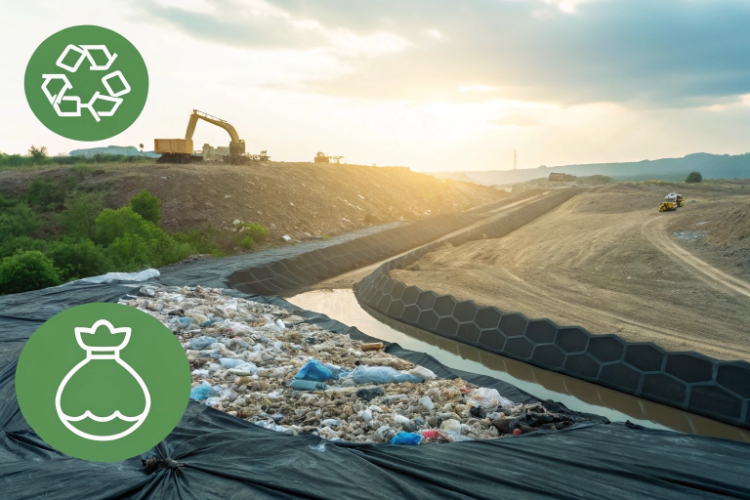
From lining landfills to prevent toxic leachate from contaminating groundwater, to securing water in reservoirs and irrigation canals, geomembranes are essential. They play a critical role in waste management, mining, water conservation, and civil construction. As global standards for environmental responsibility tighten, the demand for these durable and reliable containment systems has never been higher. Their importance will only grow as we continue to build more sustainable infrastructure worldwide.
2. Global Geomembrane Market Overview 2024–2025
The global geomembrane market is on a robust growth trajectory. In 2024, the market size is valued between approximately $2.3 billion and $2.8 billion. Looking ahead, industry analysts project a compound annual growth rate (CAGR) of 5% to 7%, with the market expected to reach between $3.5 billion and $4.6 billion by 2030.
The top application sectors driving this demand are:
- Waste Management: This segment is the largest, driven by the non-negotiable need for landfill liners and caps.
- Exploitation minière: Used extensively for heap leach pads and tailings dams to prevent chemical seepage.
- Water Management: Essential for reservoirs, canals, and wastewater treatment plants.
- Agriculture & Aquaculture: Growing use in pond liners for irrigation and fish farming.
- Construction: Application in tunnels, foundations, and other waterproofing projects.
High-Density Polyethylene (HDPE) geomembranes remain the dominant material choice due to their superior durability and chemical resistance. Regionally, the Asia-Pacific market holds the largest revenue share, fueled by rapid industrialization and massive infrastructure investments.
3. Key Drivers of Geomembrane Market Growth
Several powerful forces are fueling the global adoption of geomembranes. As a manufacturer, we see these drivers influencing project specifications and creating new opportunities every day.
First and foremost are stricter environmental regulations. Governments worldwide are implementing rigorous laws to control waste seepage and protect water resources. For example, mandates requiring composite liners in landfills or secure containment for mining tailings directly drive the demand for high-performance geomembranes.
Second, rapid urbanization and infrastructure development, especially in emerging economies, are major catalysts. Every new landfill, water treatment facility, reservoir, and transportation tunnel requires reliable containment and waterproofing solutions.
Finally, a growing global consciousness about water scarcity and environmental preservation is pushing both public and private sectors toward more sustainable practices. Using geomembranes to line reservoirs and canals prevents water loss, making them a critical tool for water conservation efforts in agriculture and municipal supply. These drivers collectively ensure a strong and sustained demand for geomembrane products for the foreseeable future.
4. Global Geomembrane Trends 2025–2030
As we look toward the end of the decade, several key trends are shaping the future of the geomembrane market.
4.1 Sustainable and Eco-Friendly Geomembrane Materials
Sustainability is no longer a niche-request; it's a core requirement. Clients are increasingly asking for materials made with recycled polymers and produced using energy-efficient methods. This trend supports corporate ESG (Environmental, Social, and Governance) goals and aligns with the global push for a circular economy.
4.2 HDPE Geomembrane Dominance and Market Demand
HDPE geomembranes continue to dominate the market, holding over 42% of the share. There's a simple reason for this: unmatched performance. HDPE offers exceptional chemical resistance, UV stability, and a long service life of over 50 years in many applications, making it the most reliable and cost-effective choice for critical containment projects like landfills and mines.
4.3 Smart Manufacturing and Quality Control in Geomembrane Production
The manufacturing process is becoming more sophisticated. Automation, precision extrusion, and inline digital monitoring are now standard in leading factories. Using technologies like infrared thermography and machine learning for defect recognition ensures consistent quality, reduces waste, and provides full traceability—giving clients greater confidence in the product's performance.
4.4 Expanding Geomembrane Applications in Infrastructure and Water Projects
While waste management remains a primary market, we are seeing exciting growth in other sectors. Geomembranes are now fundamental in building large-scale aquaculture ponds, lining tunnels for waterproofing, and enabling efficient extraction in mining heap leach pads. This diversification creates a more resilient market.
4.5 Emerging Markets: Geomembrane Growth in Asia, Africa, and the Middle East
While North America and Europe represent stable replacement markets, the most dynamic growth is happening in Asia, Africa, and the Middle East. Massive government investments in water infrastructure, mining, and urban development in these regions are creating significant export opportunities.
5. China’s Role in the Global Geomembrane Supply Chain
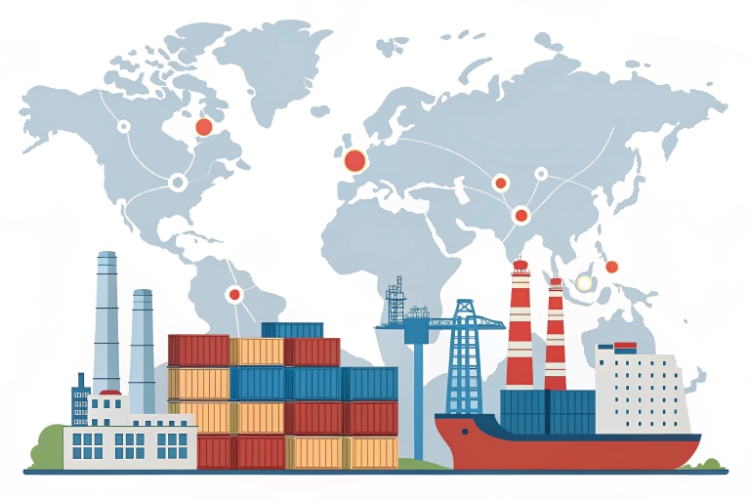
China has solidified its position as a world-leading hub for geomembrane manufacturing and export. This is due to a combination of factors that create a powerful competitive edge.
First is the massive production scale. Chinese manufacturers have the capacity to produce vast quantities of high-quality geomembrane efficiently, which allows for competitive export pricing that is hard to match. This scale ensures a stable supply chain for large international projects.
Second is a deep commitment to international standards and certification. Leading factories, including our own, operate under strict quality control systems and hold certifications like ISO and CE. This guarantees that our products meet the technical and safety requirements for projects around the globe.
Finally, Chinese suppliers offer unparalleled flexibility. We provide comprehensive OEM/ODM services, meaning we can manufacture geomembranes to a client's exact technical specifications or even produce them under their brand name. This ability to customize, combined with extensive export experience, makes Chinese manufacturers ideal partners for global importers, engineering contractors, and government projects.
6. Future Outlook for the Geomembrane Market (2030 and Beyond)
Looking beyond 2030, the demand for geomembranes is set to continue its upward trend. We anticipate the evolution of new material technologies becoming more mainstream. Innovations currently in pilot stages, such as biodegradable liners for temporary applications and "smart" geomembranes with embedded sensors for real-time integrity monitoring, will likely see wider adoption.
Sustainable manufacturing will also become a key differentiator. The focus will intensify on minimizing carbon footprints, maximizing the use of recycled content, and developing products that contribute to a circular economy. The core need for reliable containment is permanent, and the industry will continue to innovate to provide even more effective, intelligent, and environmentally friendly solutions.
7. About Waterproof Specialist – Leading Geomembrane Manufacturer in China
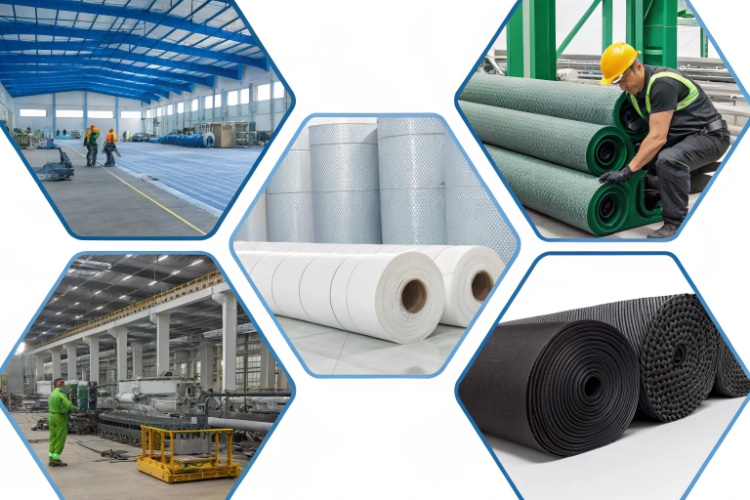
À Spécialiste de l'étanchéité, we do more than just manufacture geosynthetics; we deliver reliable containment solutions that empower our clients' projects worldwide. As a leading geomembrane manufacturer based in China, we are dedicated to setting the standard for quality, innovation, and customer support.
Our core mission is to help our clients—global importers, contractors, and project managers—scale their businesses with confidence. We achieve this by offering:
- A Comprehensive Product Range: Our main products include high-performance HDPE, LLDPE, and PVC geomembranes, alongside a full suite of geosynthetics like geotextiles and geogrids.
- Factory-Direct Flexibility: We provide flexible supply solutions, from factory-direct shipments to full-service project support, including OEM/ODM customization.
- Proven Export Experience: We have a deep understanding of international logistics and quality standards, ensuring a smooth and reliable procurement process for clients in any country.
- Expert Technical Support: Our team provides more than just a product; we offer practical insights and technical support, from material selection to on-site welding guidance.
We pride ourselves on helping clients build faster, safer, and more sustainably with fewer mistakes.
Conclusion
The global geomembrane market presents a clear picture of sustained growth, driven by environmental responsibility and essential infrastructure needs. As trends move toward greater sustainability and smarter materials, the foundational need for quality and reliability remains paramount. For long-term success in this expanding market, partnering with an experienced and forward-thinking supplier who can deliver certified products and flexible solutions is the most critical decision you can make.