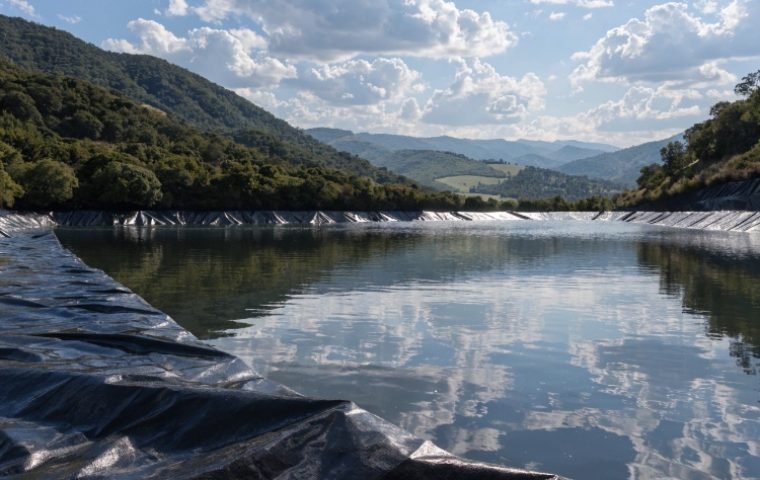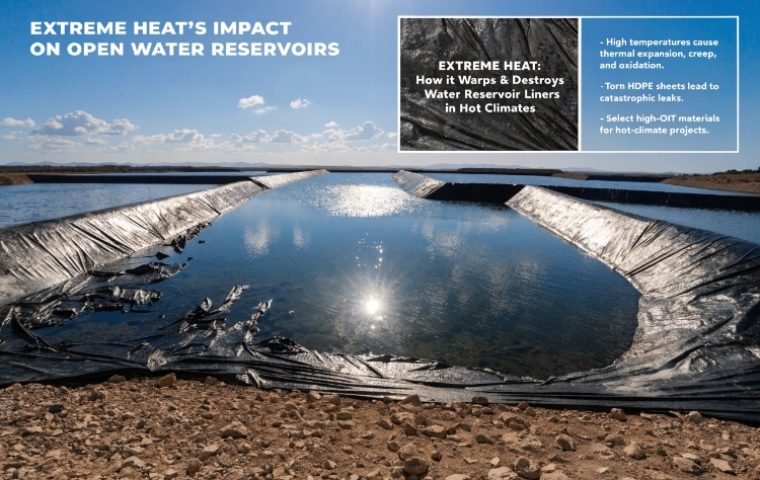


Choosing the wrong liner for a chemical pond can lead to disastrous leaks. With so many materials on the market, it's hard to know which claim of "chemical resistance" you can actually trust for your project.
No, HDPE's chemical resistance isn't unique, but its excellent performance against a very broad range of chemicals, especially acids and bases, makes it the default choice for most industrial and environmental containment projects when compared to LLDPE and PVC.
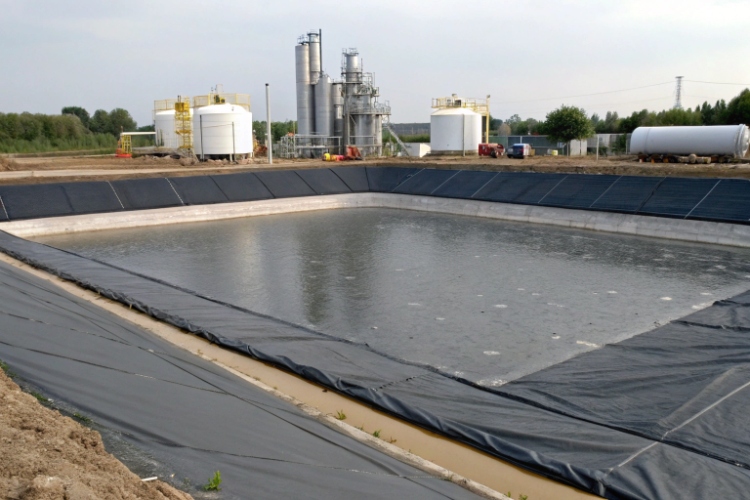
As a geosynthetics supplier, I often get asked if HDPE is the only option for chemical containment. The answer is more nuanced than a simple "yes" or "no." While HDPE is the undisputed king for many applications like landfills and mining, sometimes LLDPE or even PVC is a smarter choice. Let's look at the details so you can choose with confidence.
Is chemical resistance exclusive to HDPE geomembranes?
You constantly hear that HDPE is the go-to liner for chemical resistance. This might lead you to believe it’s the only option. But assuming one material is perfect for every chemical can be a very expensive mistake.
No, while HDPE is often superior, both LLDPE and PVC offer good resistance for specific applications. LLDPE provides similar resistance with better flexibility, while PVC can be more suitable for environments with chlorinated water. The best choice depends on the specific chemical and site conditions.
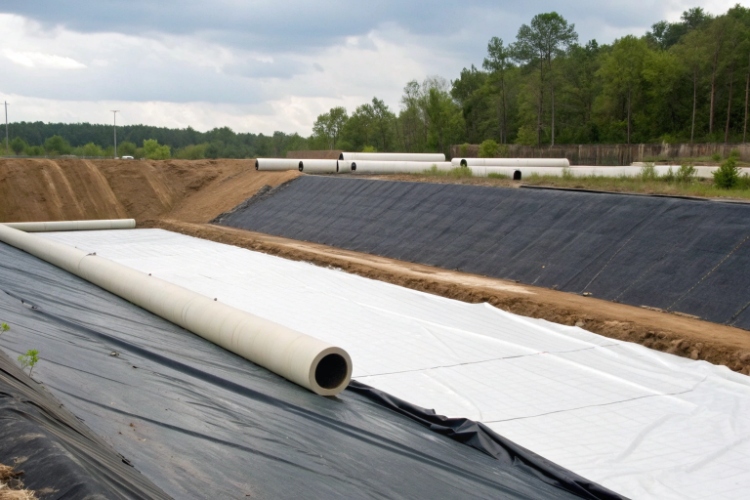
To make the right decision, it is essential to compare these three common materials directly. Each has its strengths and weaknesses depending on the chemical exposure. I always advise my clients to review a comparison chart to see the full picture.
Here’s a breakdown of how they typically perform against common chemical classes:
| Chemical Type | HDPE (Polietileno de Alta Densidad) | LLDPE (Polietileno lineal de baja densidad) | PVC (Polyvinyl Chloride) |
|---|---|---|---|
| Strong Acids | Excelente | Bien | Fair to Poor |
| Strong Bases | Excelente | Bien | Fair |
| Salts & Brines | Excelente | Excelente | Bien |
| Hydrocarbons (Oil/Fuel) | Fair (can swell) | Fair (can swell) | Poor |
| Chlorinated Water | Good (long-term aging) | Fair (long-term aging) | Excelente |
As you can see, HDPE is the clear winner for aggressive chemical environments like mining leach pads or landfill leachate ponds. LLDPE is a fantastic alternative when you need comparable resistance but more flexibility to conform to uneven ground. PVC is a cost-effective option for water containment applications, especially in pools or reservoirs where chlorine is present, but it should not be used for aggressive industrial waste.
Why does HDPE show superior chemical resistance compared to other liner materials?
You know that HDPE is very resistant, but you may not know why. Understanding the science behind its performance helps you trust the material and explain its value to your team, clients, or regulatory agencies.
HDPE's superior resistance comes from its tightly packed, crystalline molecular structure. This dense, non-polar polymer makes it extremely difficult for polar chemicals like acids, bases, and salts to penetrate and degrade the material.
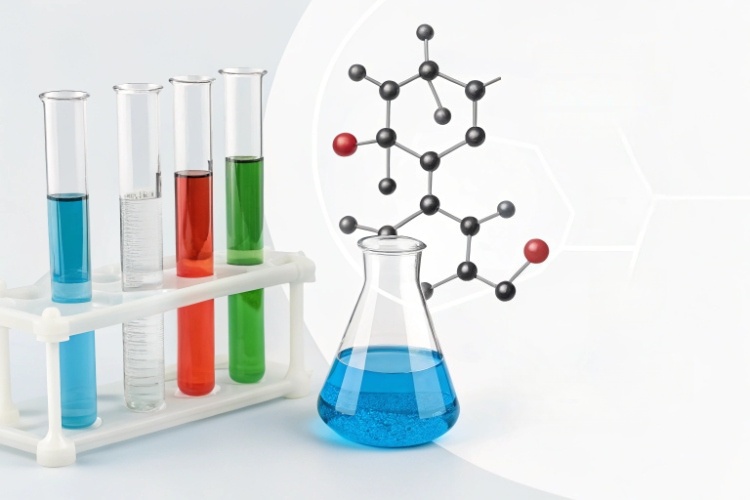
The best way to think about it is with a simple analogy: oil and water. HDPE is a non-polar material, much like oil. Many of the most aggressive industrial chemicals, like sulfuric acid, are polar, like water. Just as oil and water don't mix, HDPE's non-polar structure naturally repels these polar chemicals, preventing them from soaking in and causing damage.
Its molecular structure is also highly crystalline. Imagine building a wall with perfectly square, tightly fitted bricks versus a wall with round, loose stones. HDPE is like the brick wall. LLDPE has more branches in its structure, making it less dense and more flexible, but also slightly less resistant to chemical attack. PVC has a completely different polymer structure that is more susceptible to certain solvents and has plasticizers that can leach out over time, reducing its performance.
What types of projects rely on HDPE’s strong chemical resistance?
You have a new project and need to select a liner. With several options available, you need to know which applications are the perfect fit for HDPE to avoid spending too much on a specialty liner or, worse, choosing a liner that will fail.
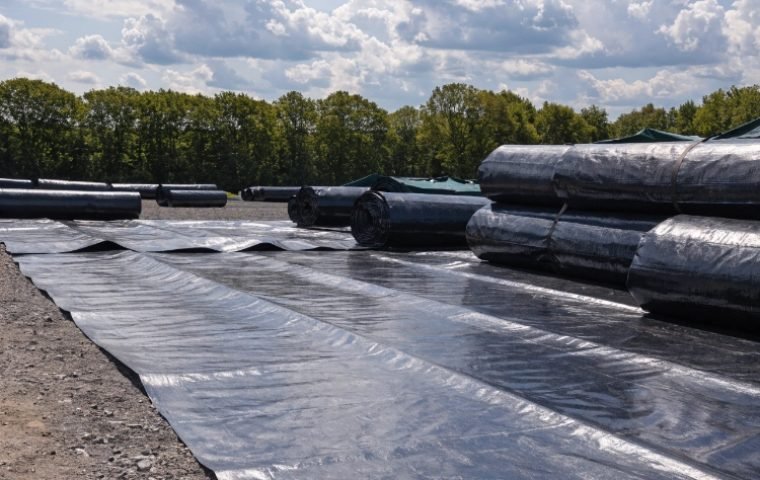
HDPE is the industry standard for projects with broad and aggressive chemical exposure. This includes solid waste landfill liners, mining heap leach pads, and industrial wastewater ponds, where its reliability against a mix of chemicals is essential.
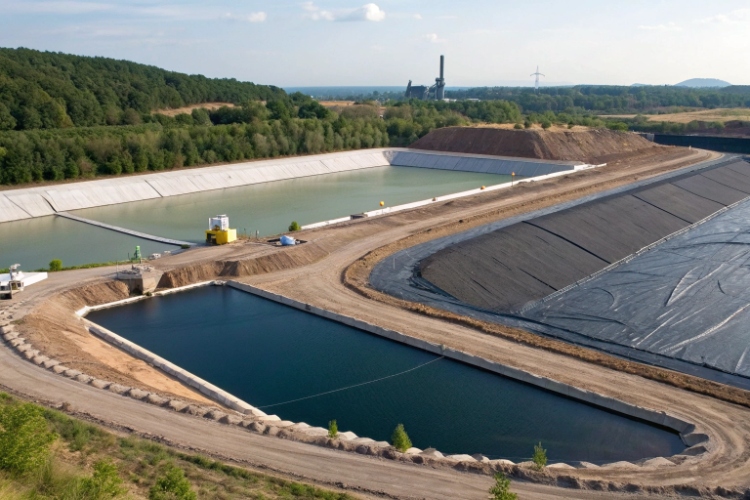
In my experience, about 80% of industrial containment projects can be served perfectly by HDPE. Its combination of broad chemical resistance, physical toughness, and long-term durability makes it the safest and most cost-effective choice. Here are the most common applications where I see HDPE used almost exclusively:
| Tipo de proyecto | Why HDPE is the Standard Choice |
|---|---|
| Revestimientos de vertederos | Must contain an unknown mix of household and industrial chemicals (leachate) for decades. HDPE's broad resistance is essential for this critical environmental protection. |
| Mining Heap Leach Pads | Uses strong acids (like sulfuric acid) to extract metals. HDPE provides the best long-term resistance to these aggressive chemicals. |
| Industrial Wastewater Ponds | Contain a mix of acidic and alkaline wastewater from manufacturing processes. HDPE handles this wide pH range without degrading. |
| Power Plant Ash Ponds | Coal ash leachate contains heavy metals and has a variable pH. HDPE provides secure, long-term containment. |
For these applications, the proven performance and reliability of HDPE make it the dominant material specified by engineers worldwide.
How do industry standards evaluate the chemical durability of HDPE geomembranes?
A manufacturer’s data sheet claims their HDPE is "chemically resistant," but that's just a phrase. You need objective proof, based on standardized testing, to be confident that the material will actually hold up against the specific chemicals on your site.
Chemical durability is verified using long-term immersion tests, such as EPA Method 9090 or ASTM D5322. In these tests, geomembrane samples are submerged in the actual site liquid at elevated temperatures to accelerate aging and measure any loss in physical properties.

When a client has a project with a very unique or aggressive chemical, we always recommend this type of testing. It's the only way to be 100% sure. The process is straightforward but very effective.
- Get a Baseline: First, we test the physical properties of a new, untouched sample of the geomembrane. We measure its tensile strength, resistencia a la punción, and other key values.
- Soak the Samples: Next, we place several samples in a sealed container filled with the liquid from the client's actual project site.
- Accelerate the Aging: We then place the container in an oven at a high temperature (e.g., 50°C or 60°C). The heat accelerates any chemical reactions, simulating many years of exposure in just 30 to 90 days.
- Test Again: After the immersion period, we remove the samples, clean them, and re-test all their physical properties.
The results give us a clear answer. If the material retains most of its original strength (e.g., less than 10% loss), it's considered compatible. If it loses significant strength, a different or thicker material is needed.
Conclusión
While HDPE's chemical resistance is not entirely unique, its powerful, broad-spectrum performance against common industrial chemicals makes it the most reliable and cost-effective choice for a huge range of critical containment applications worldwide.