Construir una carretera sobre terreno débil y húmedo es una receta para el fracaso. La subrasante se convierte en papilla, el pavimento se agrieta y toda la carretera se desmorona rápidamente, desperdiciando millones en costos de construcción y reparación.
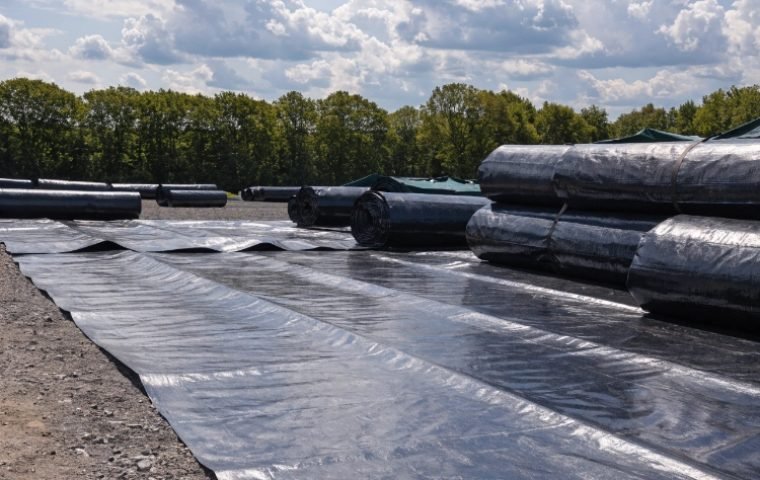
En la construcción de carreteras, una geomembrana funciona como una barrera impermeable. Separa el suelo blando de la base de agregado, evita que el agua debilite los cimientos de la carretera y refuerza toda la estructura, extendiendo dramáticamente la vida útil del pavimento y reduciendo el mantenimiento.

como un proveedor de geosintéticosA menudo explico que un camino es tan fuerte como sus cimientos. Una geomembrana es como colocar un escudo perfecto e impenetrable antes de comenzar a construir. Evita que las cosas buenas (la base de agregado limpia) se mezclen con las malas (la tierra blanda y húmeda de la subrasante). Este simple acto de separación e impermeabilización es una de las formas más rentables de garantizar que una carretera dure décadas, no solo unos pocos años, especialmente cuando se trata de terrenos en malas condiciones.
¿Cómo funcionan las geomembranas en la construcción de carreteras para mejorar el rendimiento estructural?
Se podría pensar que añadir una lámina de plástico debajo de una carretera es un gasto innecesario. Pero esto ignora el principal enemigo de cualquier camino: el agua y el suelo débil. Una geomembrana ataca directamente ambos problemas.
Las geomembranas mejoran el rendimiento de la carretera de dos maneras clave: actuando como un separador para evitar que las capas de suelo se mezclen y actuando como una barrera impermeable para mantener la subrasante fuerte y seca.

Estas funciones son simples pero tienen un profundo impacto en la integridad estructural de la carretera. Así es como funciona a nivel técnico:
- Separación: La mayoría de las fallas en las carreteras comienzan cuando el suelo blando y de grano fino de la subrasante es empujado hacia la capa base de agregado grueso bajo la presión del tráfico. Esto contamina el agregado, obstruye las vías de drenaje y reduce su capacidad de carga. Una geomembrana actúa como una barrera física, manteniendo los finos de la subrasante completamente separados del agregado. Esto preserva indefinidamente la función de resistencia y drenaje de la capa base.
- Reforzamiento: Al separar estas capas, la geomembrana también ayuda a confinar la base del agregado. Este confinamiento lateral aumenta la rigidez de la base y distribuye las cargas del tráfico sobre un área más amplia de la subrasante. En suelos marginales (con un índice de carga de California o CBR de 1 a 3), esto puede aumentar la capacidad de carga general en un asombroso 40 a 50 %.
- Impermeabilización: El agua es el mayor enemigo de los cimientos de una carretera. Una geomembrana crea una barrera impermeable que impide que el agua subterránea suba hacia la subrasante (ascenso capilar) y evita que el agua superficial penetre en ella. Esto mantiene el suelo de subrasante en su contenido de humedad óptimo, manteniendo su resistencia y evitando fallas como las heladas en climas fríos.
¿En qué escenarios de construcción de carreteras se aplican con mayor eficacia las geomembranas?
No todas las carreteras necesitan una geomembrana. Usarlo en un terreno perfecto y con buen drenaje sería excesivo. La clave es identificar escenarios donde el suelo o el agua débiles representan una amenaza significativa para la vida útil de la carretera.
Las geomembranas son más efectivas cuando se construyen caminos sobre subrasantes blandas y húmedas, en áreas con niveles freáticos altos y para caminos sin pavimentar en todas las condiciones climáticas. Son una herramienta fundamental para garantizar el desempeño en terrenos pobres.
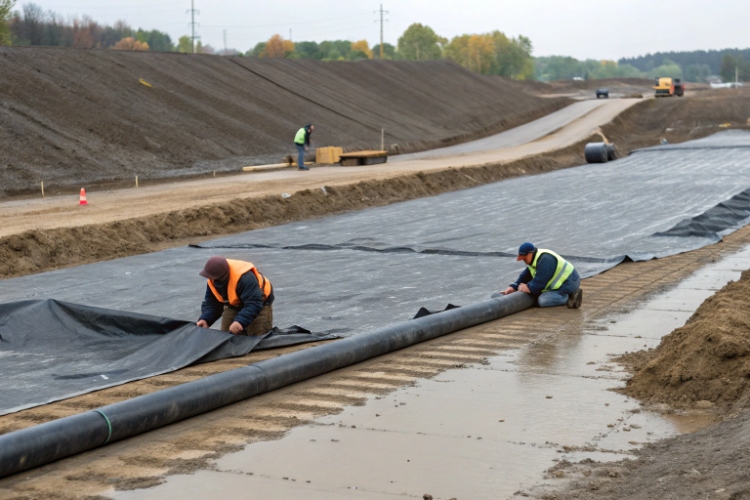
En mi experiencia, especificar un geomembrana se convierte en un punto de inflexión en estas situaciones específicas:
- Estabilización de subrasante blanda: Esta es la aplicación principal. Cuando se encuentra con arcilla blanda, limo o terreno pantanoso, una geomembrana es esencial. Evita que el agregado se pierda en el lodo y proporciona el refuerzo necesario para construir una plataforma estable.
- Ambientes con niveles freáticos elevados: En zonas costeras, valles fluviales o zonas con mal drenaje, una geomembrana actúa como una capa impermeabilizante fundamental. Evita que el agua subterránea sature la subrasante, lo que reduciría drásticamente su resistencia. Esto también evita daños por heladas en regiones frías.
- Caminos sin pavimentar (caminos de acarreo, caminos de acceso): Para caminos no pavimentados en granjas, minas o sitios de construcción, un separador de geomembrana es revolucionario. Evita que la superficie de grava se hunda en el barro, lo que mantiene la transitabilidad en todo tipo de clima y elimina la necesidad constante de agregar más grava temporada tras temporada.
- Caminos sobre terrenos contaminados: Cuando se construye sobre antiguos sitios industriales o vertederos, se puede utilizar una geomembrana como barrera ambiental para tapar el suelo contaminado y evitar que sustancias nocivas se filtren hacia arriba o que el agua de lluvia se filtre hacia abajo.
¿Qué beneficios técnicos aportan las geomembranas en la ingeniería vial?
El objetivo de cualquier ingeniero vial es construir un pavimento que dure mucho tiempo con un mantenimiento mínimo. Una pequeña inversión inicial en una geomembrana puede generar enormes beneficios técnicos a largo plazo.
Los principales beneficios son una menor deformación (huellas), una mayor durabilidad al mantener la base seca y una extensión significativa de la vida útil del pavimento, a menudo de 10 a 20 años o más.
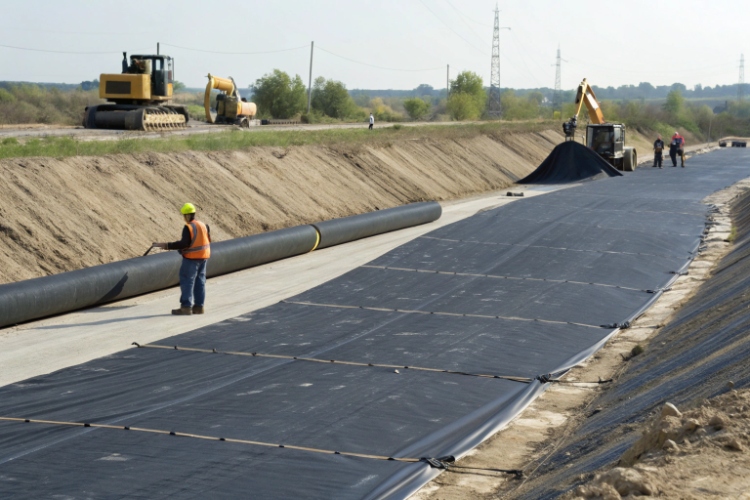
La inclusión de una geomembrana en el diseño de una carretera se traduce directamente en mejoras de rendimiento mensurables. He visto a clientes lograr resultados notables que están bien documentados en estudios de ingeniería.
| Beneficio técnico | Mecanismo | Impacto mensurable |
|---|---|---|
| Ruido reducido | Evita la mezcla de subrasante y agregado, manteniendo la integridad estructural y la rigidez de la capa base. | Reducción del 15 al 25 % en el surco del pavimento durante la vida del diseño. |
| Deformación mitigada | Distribuye las cargas de tráfico de manera más efectiva sobre la subrasante débil, reduciendo la tensión y el asentamiento localizados. | 30-50% de reducción general de la deformación, especialmente en suelos blandos. |
| Mayor vida útil del pavimento | Mantiene la subrasante seca y fuerte, evitando fallas en los cimientos, que es la causa principal de la mayoría de las grietas en el pavimento. | Extiende la vida crítica del pavimento desde 8-10 años a 15-25 años. |
| Espesor agregado reducido | Debido a que la geomembrana mejora la distribución de la carga, se necesita una capa más delgada de agregado costoso para lograr la misma resistencia. | Reducción del 15-30 % en el espesor del agregado requerido, lo que supone importantes ahorros en costes de material. |
| Control de humedad | Actúa como barrera impermeable contra la infiltración de aguas subterráneas y superficiales. | Elimina el debilitamiento de la subrasante debido a la saturación y previene daños por heladas en climas fríos. |
¿Cómo puedo evaluar las condiciones del proyecto para determinar cuándo se necesita una geomembrana?
Necesita un método claro para decidir si el costo adicional de una geomembrana se amortizará en términos de rendimiento y ahorros a largo plazo. La decisión debe basarse en una evaluación de riesgos sencilla de las condiciones de su sitio.
Evalúe el tipo de suelo de subrasante, el nivel del agua subterránea y la carga de tráfico de su proyecto. Si tienes suelos blandos (CBR<3), un nivel freático alto o un tráfico intenso, es casi seguro que una geomembrana generará un retorno de la inversión significativo.
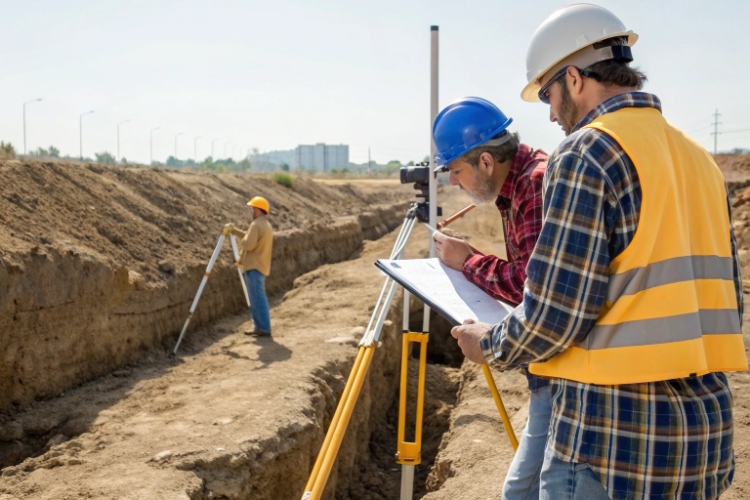
Here is a simple checklist I walk through with clients to justify the use of a geomembrane. If you answer "yes" Para cualquiera de estas preguntas, se debe considerar seriamente una geomembrana.
-
¿Es débil el suelo de subrasante?
- Realice una prueba de suelo sencilla. es el Relación de rodamientos de California (CBR) menos de 3?
- ¿El suelo está compuesto de limos o arcillas de grano fino sensibles a la humedad?
- En caso afirmativo, una geomembrana para la separación y el refuerzo es fundamental.
-
¿Es el agua un problema?
- ¿La carretera está ubicada en una zona baja, cerca de un río o en una región con un nivel freático alto?
- ¿Experimenta el área fuertes lluvias o ciclos de hielo y deshielo?
- En caso afirmativo, Una geomembrana impermeabilizante es fundamental para proteger la cimentación.
-
¿La carretera no está pavimentada y está sujeta a un uso intensivo?
- ¿Es un camino de acceso a un sitio de construcción, operación minera o granja que debe ser transitable en cualquier clima?
- ¿Actualmente gasta una cantidad significativa de dinero en volver a calificar y agregar nuevos agregados cada año?
- En caso afirmativo, un separador de geomembrana se amortizará muy rápidamente con costos de mantenimiento reducidos.
-
¿Está realizando una superposición de asfalto en una carretera agrietada?
- ¿Está pavimentando una carretera existente con grietas importantes?
- En caso afirmativo, un compuesto de superposición de asfalto especializado (geomembrana unida a una tela) actuará como una capa intermedia que absorbe la tensión, evitando que las viejas grietas se reflejen a través del nuevo pavimento.
Al analizar estas condiciones, puede decidir con confianza cuándo una geomembrana no es solo un costo adicional, sino una inversión necesaria para el éxito a largo plazo de su proyecto vial.
Conclusión
El uso de una geomembrana en la construcción de carreteras sobre suelos débiles o húmedos es una estrategia muy eficaz. Fortalece los cimientos, extiende la vida útil del pavimento y reduce significativamente los costos y fallas de mantenimiento a largo plazo.