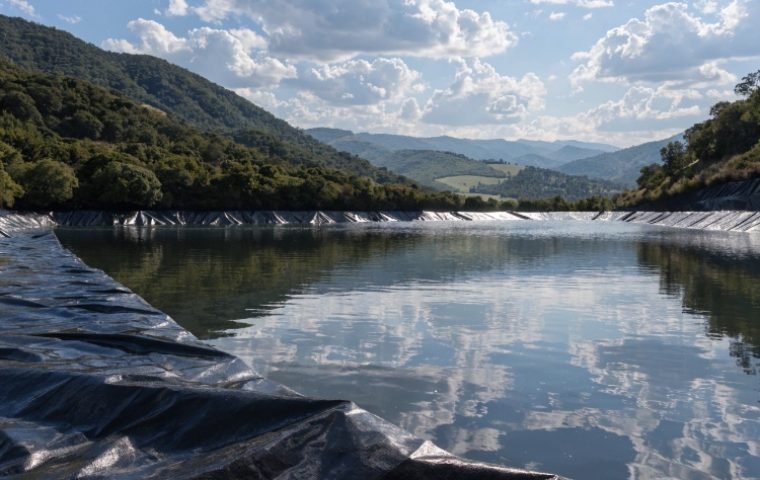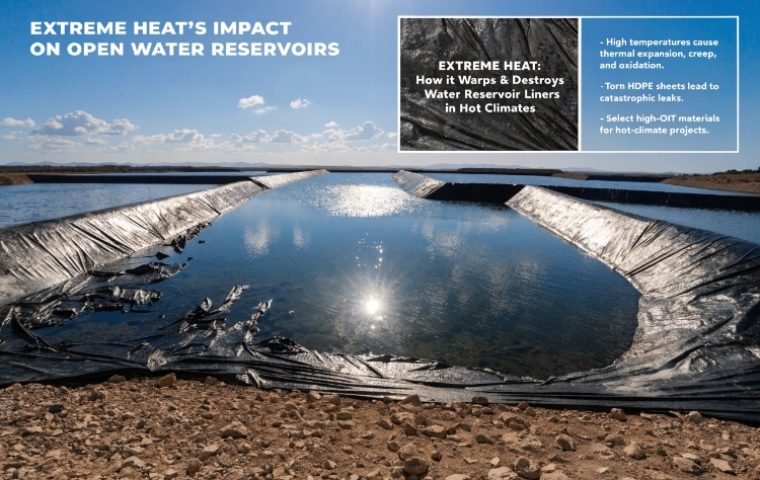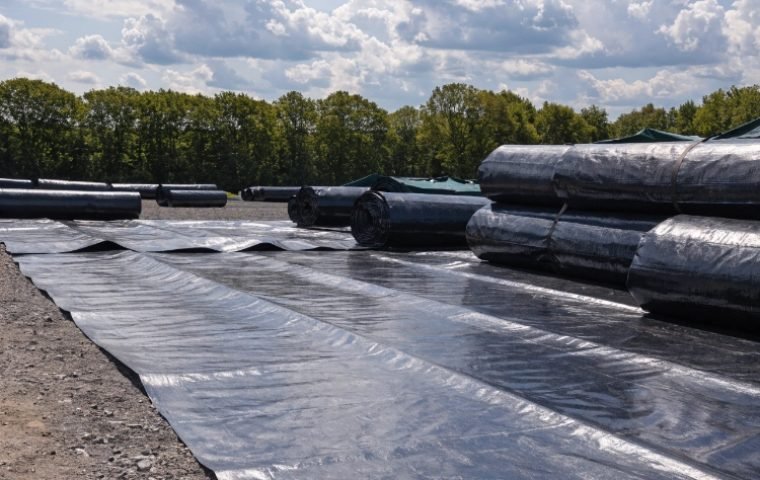


La instalación sola de una geomembrana corre el riesgo de pinchazos y costosas fugas. Esta vulnerabilidad oculta pone en peligro todo el proyecto, provocando fallos y reparaciones costosas que superan con creces cualquier ahorro de material inicial.
Las geomembranas y los geotextiles funcionan mejor juntos porque el geotextil protege la geomembrana de perforaciones, proporciona drenaje para aliviar la presión del agua y aumenta la fricción para la estabilidad de la pendiente. Esta sinergia crea un sistema robusto y duradero que extiende la vida útil del proyecto.
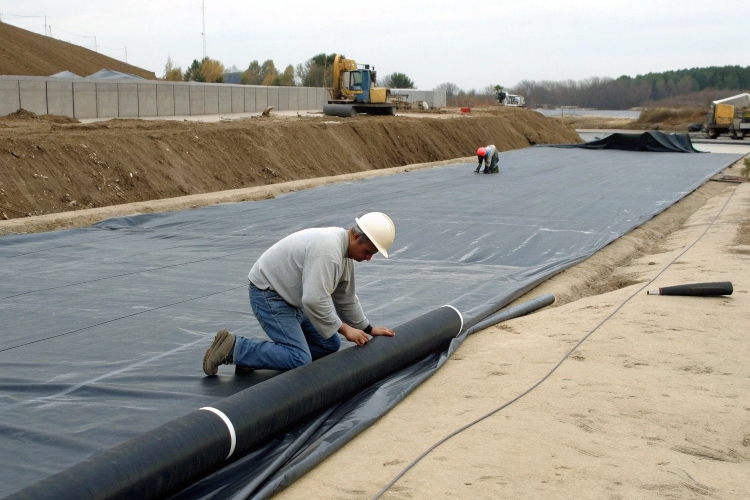
Many importers or project managers view these as two separate products and question the added cost of the geotextile. However, in most critical applications, this is a dangerous oversimplification. The real value emerges when they are designed to function as a single, integrated system, where the geotextile acts as the bodyguard for the impermeable geomembrane liner.
What are the main functions of geomembrane and geotextile in engineering projects?
Specifying the wrong geosynthetic material for the job is a common error. A geotextile cannot stop leaks, and a geomembrane cannot filter soil, leading to system failure if their roles are misunderstood.
A geomembrane's sole function is to be an impermeable barrier, stopping liquid and gas. A geotextile performs multiple functions: separation, filtration, drainage, and crucially, protection. They serve entirely different but complementary purposes.
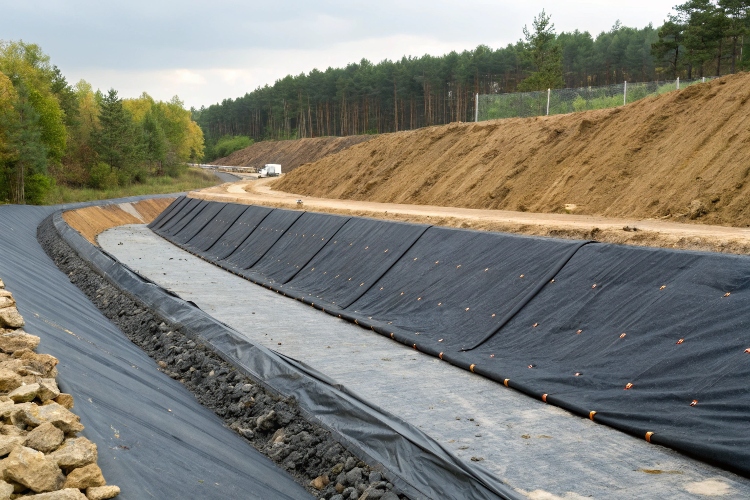
Understanding this functional difference is key to designing durable systems. A geomembrane is the waterproof shield, but it's vulnerable. A geotextile is the versatile workhorse that protects that shield and manages the surrounding soil and water conditions, ensuring the entire system performs as designed for decades.
Funciones principales de un vistazo
| Geosintético | Función primaria | Papel clave en un sistema |
|---|---|---|
| Geomembrana | Contención (Impermeabilidad). Bloquea el flujo de líquido/gas. | Actúa como el revestimiento principal a prueba de fugas. |
| Geotextil | Protección, Separación, Filtración, Drenaje. | Protege el liner, evita que la tierra se mezcle, permite el paso del agua. |
¿Por qué es importante combinar geomembrana y geotextil durante la instalación?
Pensar que la geomembrana por sí sola es lo suficientemente resistente es una apuesta de alto riesgo. Las rocas afiladas en la subrasante o en el agregado de cobertura pueden crear pequeñas perforaciones no detectadas que con el tiempo se convierten en fugas importantes.
Es fundamental combinarlos porque la capa de geotextil actúa como un cojín mecánico, protegiendo la geomembrana de pinchazos y abrasión a un bajo coste. Esta única función aumenta drásticamente la confiabilidad y la vida útil de todo el sistema de contención.
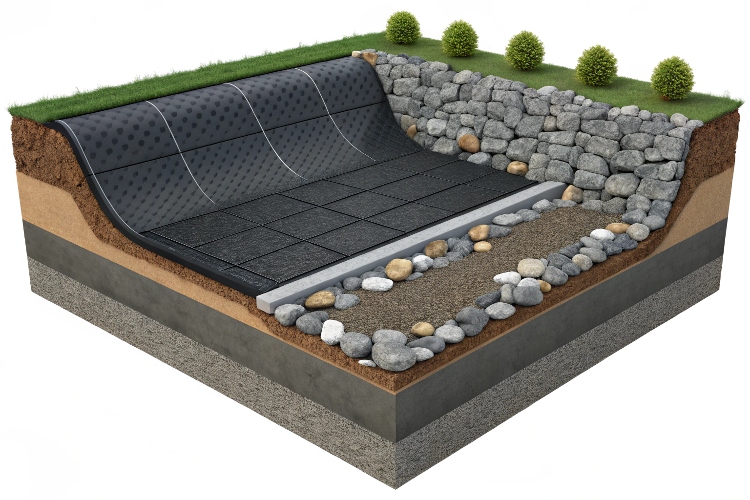
This protective mechanism is the most important reason for using the two materials together. The relatively inexpensive geotextile acts as insurance for the more critical geomembrane. By absorbing point loads and blunting sharp objects, it mitigates the single greatest risk during installation and long-term operation. Furthermore, it increases interface friction, preventing the smooth geomembrane from sliding on steep slopes. For any project with a rough subgrade or a long design life, a geotextile is not an optional accessory; it's a mandatory component.
In which applications does the geomembrane–geotextile combination provide the best performance?
Sabes que la combinación es beneficiosa, pero ¿dónde es absolutamente innegociable? Aplicar este sistema donde no es necesario es una pérdida de dinero, pero omitirlo en un escenario de alto riesgo es una receta para el desastre.
Esta combinación proporciona el mejor rendimiento en aplicaciones de alto riesgo, como revestimientos de vertederos, embalses en terrenos accidentados, estabilización de pendientes pronunciadas y plataformas de lixiviación en pilas. En estos proyectos, un pinchazo en la geomembrana podría tener graves consecuencias ambientales o financieras.
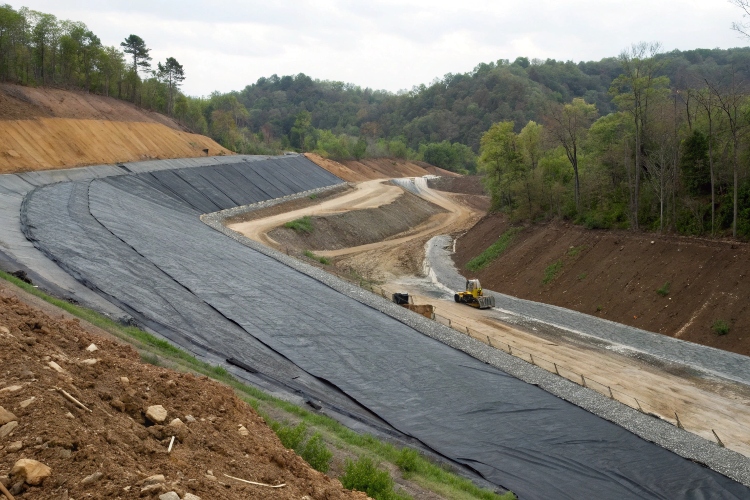
While a simple decorative pond might not require a geotextile, critical infrastructure projects demand this robust system. The geotextile provides the necessary resilience to handle the harsh operational conditions typical of these environments.
High-Performance Applications
| Solicitud | Primary Benefit of the Combination |
|---|---|
| Vertederos | Unmatched protección contra pinchazos from waste and construction equipment. |
| Embalses | Cushions the liner against sharp subgrade, ensuring water containment. |
| Steep Slopes | Increases interface friction, preventing the liner from sliding down. |
| Mining Pads | Protects the liner from sharp ore and heavy operational loads. |
How can I select the right geomembrane and geotextile pairing for long-term durability?
Simply throwing any geotextile next to a geomembrane is not engineering. An underspecified geotextile won't provide adequate protection, while an over-specified one wastes budget, negating the cost-benefit.
Select the pairing by matching the geotextile’s weight and type to the site-specific risks. Use a heavier, nonwoven geotextile for sharp subgrades requiring high puncture resistance, and consider a lighter one for separation on smoother soils.
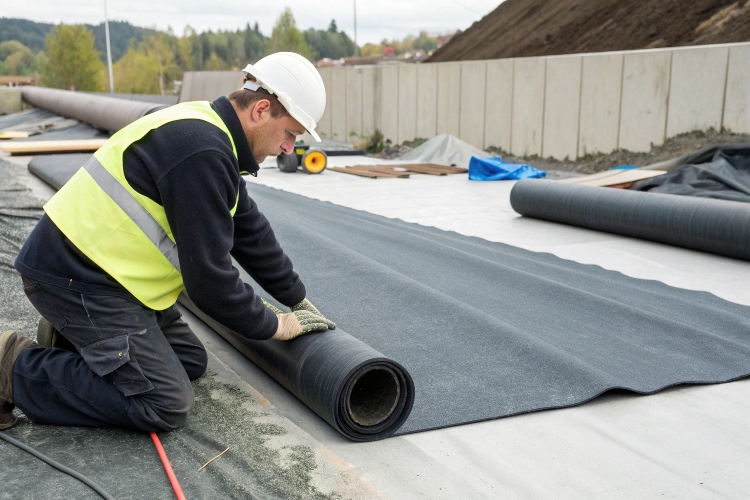
The decision should be data-driven. A nonwoven, needle-punched geotextile is almost always chosen for protection due to its cushioning ability. The key variable is its weight (measured in oz/yd² or g/m²). The sharper and more angular your subgrade or cover material, the heavier the geotextile needs to be to provide adequate long-term protection for your geomembrane investment. Always evaluate your site conditions to specify a pairing that delivers durability without excessive cost.
Conclusión
Combining geomembrane and geotextile isn't an optional upgrade; it's an engineered system. The geotextile provides essential protection, ensuring the geomembrane's long-term performance and reducing your total project risk.