

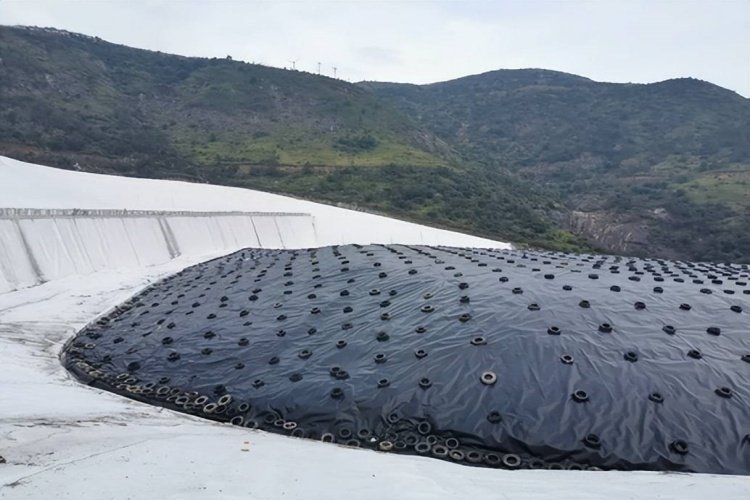
Many people assume closing a landfill is as simple as covering it with soil. This is a dangerous misconception that can lead to long-term environmental pollution. A proper final closure is an engineered system designed to isolate waste from the environment forever.
Final landfill closure relies on an engineered cover system, not a single material, to ensure long-term environmental protection. This guide explains the different layers and materials used in a modern final cover, detailing why each component is critical for preventing rainwater infiltration, controlling landfill gas, and ensuring site stability for decades to come.
como un proveedor de geosintéticos, I have seen these systems designed and installed worldwide. Their success is never about one heroic material, but about how several carefully selected materials work together. To understand why certain materials are chosen, you first need to understand the system as a whole.
Overview of a Typical Final Landfill Cover System
A final landfill cover is a multi-layer systemplaced on top of the stabilized waste mass. Each layer has a specific job, and they all work in concert to achieve the primary goals of closure: keeping water out and keeping gas in. While designs can vary based on local regulations and climate, a typical final cover system, from top to bottom, includes:
- The Vegetative Layer: The topsoil layer that supports plant growth and provides a natural, erosion-resistant surface.
- The Drainage Layer: A layer that quickly collects and removes any rainwater that seeps through the topsoil, preventing it from putting pressure on the barrier below.
- The Barrier Layer: The core impermeable layer that stops water from entering the waste mass and generating new leachate.
- The Protection Layer: A cushioning layer that protects the critical barrier layer from being punctured or damaged.
- The Gas Control Layer: A system to safely collect and vent landfill gas (mostly methane) that is continuously produced by the decomposing waste.
Now, let's break down the specific materials used for each of these vital functions.
Main Materials Used in Final Landfill Closure
This is the heart of the system. The specific materials chosen for each layer are selected for their ability to perform a distinct function reliably over a very long time.
Vegetative Soil / Topsoil
The final surface of a closed landfill is the vegetative layer. Its purpose is both functional and aesthetic, helping to blend the site back into the surrounding landscape.
- Materials Used: This layer typically consists of 20-25 cm of topsoil or a specially blended soil rich in organic matter to support plant growth. Compost or biosolids may be mixed in to create a fertile growing medium.
- Why It's Used: The primary function is to support a healthy cover of vegetation, usually shallow-rooted grasses and native plants. This vegetation is crucial for preventing wind and water erosion of the underlying soil. The root mass helps to hold the soil in place, creating a stable, natural-looking surface that requires minimal long-term maintenance. It is the landfill's first line of defense against the elements.
Drainage Layer Materials
Just beneath the topsoil lies the drainage layer. Its job is to intercept any rainwater that infiltrates the vegetative layer and carry it away before it can reach the impermeable barrier.
- Materials Used: Traditionally, this layer was made of sand or gravel with high permeability. However, the modern and often more effective solution is a drainage geocomposite. This is an engineered product that combines a high-flow geonet (a plastic grid-like structure) with a nonwoven geotextile bonded to one or both sides.
- Why It's Used: This layer must quickly channel water off the cover to prevent a buildup of hydraulic head (water pressure) on the barrier layer below. A geocomposite is often preferred over sand and gravel because it is lightweight, provides consistent, factory-verified performance, and is much faster and cheaper to install than moving tons of aggregate. By keeping the barrier layer as dry as possible, the drainage layer dramatically enhances the entire system's long-term security.
Barrier Layer Materials
This is the most critical component of the final cover system. The barrier layer is the primary seal that prevents water from entering the waste and creating contaminated leachate. It is almost always a composite system itself.
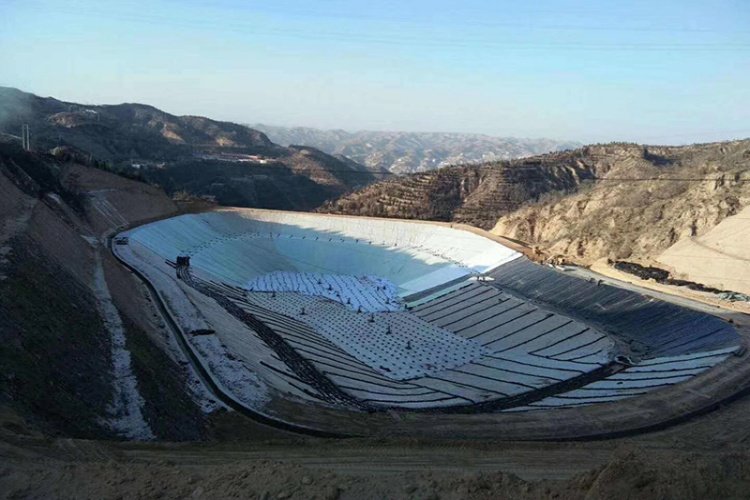
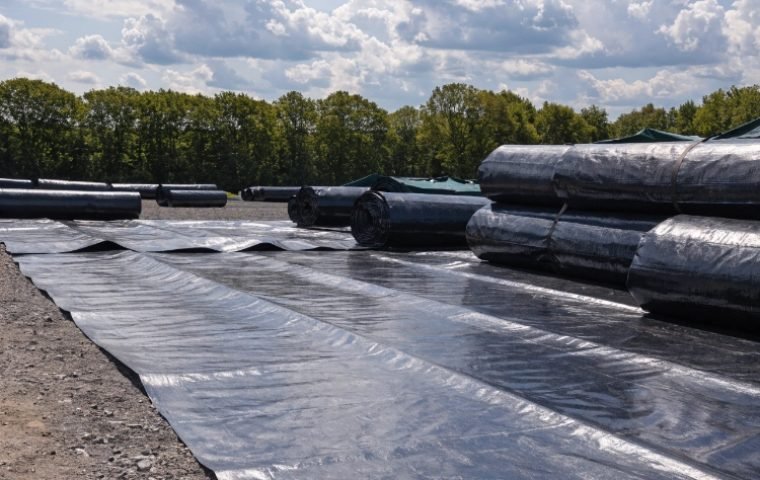
Geomembrana de HDPE
- Material: High-Density Polyethylene (HDPE) geomembrane, typically with a thickness of 1.5 mm to 2.0 mm, is the industry standard.
- Why It's Used: HDPE offers an unparalleled combination of properties for this application. It has an extremely low permeability, making it a nearly perfect water barrier. It also has excellent chemical resistance and long-term durability, with a design life that can exceed 100 years. Its ability to resist degradation from UV exposure (during installation) and oxidation makes it the most reliable choice for long-term containment.
Compacted Clay or GCL
- Material: The geomembrane is placed on top of either a thick layer of Compacted Clay (CCL) or, more commonly today, a Revestimiento de arcilla geosintética (GCL). A GCL is a thin, factory-made roll of bentonite clay sandwiched between two geotextiles.
- Why It's Used: This layer provides redundancy. If the geomembrane were ever to be breached, the underlying clay layer acts as a second line of defense. GCLs are particularly effective because the bentonite clay swells on contact with water, creating a self-healing seal around minor punctures. This composite barrier (HDPE + GCL) is significantly more secure than either material used alone.
Protection Layer Materials
Directly above the critical barrier layer is a protection layer. Its sole purpose is to safeguard the geomembrane from physical damage.
- Materials Used: A thick, heavy-duty geotextil no tejido is the most common material for this layer. In some cases, a layer of fine-grained soil may also be used.
- Why It's Used: The geomembrane, while durable, can be punctured by sharp stones in the drainage material above it or by construction equipment during installation. The needle-punched structure of a nonwoven geotextile acts as a thick cushion, absorbing impact energy and distributing loads to prevent punctures, tears, and long-term stress fatigue. It is a low-cost insurance policy for the most important part of the cover system.
Gas Control and Venting Materials
While the landfill is being sealed off from water, a system must be in place to manage the build-up of landfill gas. If not properly vented, this gas can create immense pressure, forming large bubbles ("whales") that can lift and tear the entire cover system.
- Materials Used: A gas venting layer, often made from a geonet or geocomposite similar to the drainage layer, is placed beneath the barrier layer. This layer directs gas toward collection points. Perforated gas collection pipes (typically HDPE) are installed within this layer and run to vertical vent stacks that safely release the gas into the atmosphere or to a flaring/energy recovery facility.
- Why It's Used: This system provides a controlled pathway for gas to escape, preventing a dangerous and destructive pressure build-up. It is fundamental to the structural stability of the final cover.
Why These Materials Are Used Together as a System
No single material can perform all the required functions of a final cover. A layer of soil alone is permeable. A geomembrane alone can be punctured. A drainage layer alone provides no barrier. Success comes from synergy.
The system works because the layers complement each other:
- El geotextile protects the geomembrana.
- El geomembrana blocks the water.
- El drainage geocomposite removes the water that the geomembrane has blocked.
- El vegetative soil protects all the underlying geosynthetics from UV degradation and erosion.
- El gas venting system protects the structural integrity of all the layers above it.
From my experience, final landfill closure performance depends on this system integration rather than on the individual properties of any single material.
Key Factors Influencing Material Selection
While the layered system is fairly standard, the specific material choices and thicknesses are influenced by several key factors:
- Regulatory Requirements: Local and national environmental regulations will dictate the minimum requirements for the cover system design.
- Climate and Rainfall: Arid regions may require covers designed to resist desiccation cracking, while regions with high rainfall need highly efficient drainage layers.
- Expected Landfill Settlement: The cover system must be flexible enough to accommodate the significant settlement that occurs as the underlying waste decomposes and consolidates over many years.
- Gas Generation Potential: The volume and rate of expected gas generation will determine the required capacity and layout of the gas venting system.
- Long-Term Maintenance Strategy: The design must align with the owner's long-term plan for site maintenance and monitoring.
Conclusión
The materials used in modern landfill closure are not overly complex, but their roles within the engineered system are highly specialized and clearly defined. A properly designed final landfill closure system combines soil and geosynthetic materials to ensure long-term environmental protection and site stability. By understanding how each layer functions, engineers and project owners can create a secure, sustainable, and permanent solution for isolating waste.