

You're trying to choose a geocell supplier, but every data sheet looks the same. Choosing a low-quality product could lead to project failure, liability issues, and a damaged reputation.
To truly compare geocell quality, look beyond the price. Focus on four key areas: the raw material (virgin vs. recycled HDPE), the seam peel strength (the system's weakest link), documented long-term durability (ESCR and OIT tests), and third-party certifications (like ASTM or ISO).
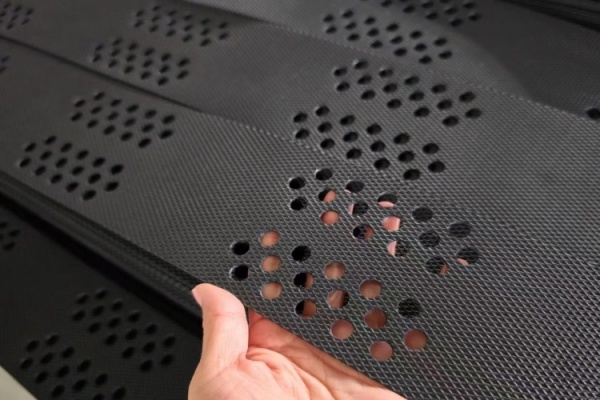
As 'n supplier shipping geosynthetics worldwide, I’ve seen firsthand what separates a premium product from one that fails prematurely. Low-cost geocells might save you money upfront, but they often use inferior materials and poor welding techniques that compromise the entire project. Understanding what to look for on a technical data sheet—and what to demand from a supplier—is the key to ensuring your project's long-term success. Let's break down the critical factors.
What material and manufacturing factors indicate geocell quality?
You receive two quotes. One is 40% cheaper, which is tempting. But you suspect there's a hidden catch that could cost you much more in the long run.
The single most important factor is the raw material. High-quality geocells are made from 100% virgin high-density polyethylene (HDPE) resin. Cheaper alternatives are often made from recycled plastic, which has significantly lower strength, durability, and a much shorter lifespan.
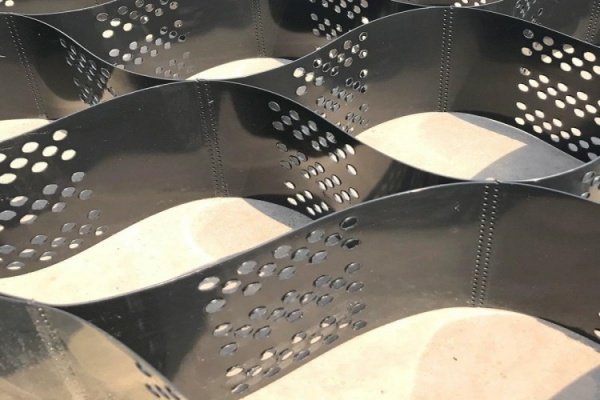
From my experience, this is non-negotiable for any critical application. Virgin HDPE offers consistent molecular properties that are essential for long-term performance. Recycled material, on the other hand, can contain impurities and have a degraded polymer structure, making it prone to cracking and premature failure. Another key manufacturing factor is the weld quality. The ultrasonic welds that join the HDPE strips are the backbone of the geocell system. Poorly controlled welding can create weak spots that will fail under load. Always look for a smooth, uniform seam with no visible bubbles, discoloration, or cracks.
Here’s a quick comparison I share with my clients:
| Factor | High-Quality Geocell | Low-Quality Geocell |
|---|---|---|
| Materiaal | 100% Virgin HDPE Resin | Recycled HDPE or unknown blends |
| Appearance | Smooth, uniform texture, consistent black color | Dull finish, rough spots, grayish tint |
| Buigsaamheid | Strong yet flexible, resists cracking when bent | Brittle, may crack easily, feels stiff |
| Welds | Clean, flat, and fully fused seams | Uneven, bubbly, or partially fused seams |
How do welding distance, sheet thickness, and cell height affect overall performance?
You're looking at a geocell data sheet with specs for thickness, height, and weld spacing. It's not clear how these geometric factors combine to affect the final strength of your project.
These three dimensions work together to determine the geocell's confinement ability. Thicker sheets provide higher tensile strength, greater cell height creates a deeper "beam" for better load distribution, and shorter welding distances create smaller, stronger cells that offer superior soil confinement.
Think of these factors as a team. A geocell with thick walls but a very large welding distance will still be weak because the soil has too much room to move. Conversely, a geocell with a short welding distance but made from very thin material might tear or deform under load. The cell height is also critical. A taller geocell creates a thicker, more rigid "mattress" that spreads loads more effectively over weak subgrades. For a heavy-duty road, you might need a 150 mm or 200 mm height, whereas a 75 mm or 100 mm height might be sufficient for a driveway or slope. The key is to match the combination of these three factors to your project's specific load and soil conditions. Don't be fooled by a product that excels in one dimension but is weak in another.
What testing standards can be used to evaluate geocell strength and durability?
Every supplier claims their product is "high-quality," but you need objective proof. Without verifiable test data, you are essentially buying a promise, which is a huge risk for any engineering project.
Demand third-party test reports verifying compliance with key ASTM and ISO standards. The most critical tests to check are Seam Peel Strength, Environmental Stress Crack Resistance (ESCR), and Oxidative Induction Time (OIT). These prove the geocell's immediate strength and long-term durability.
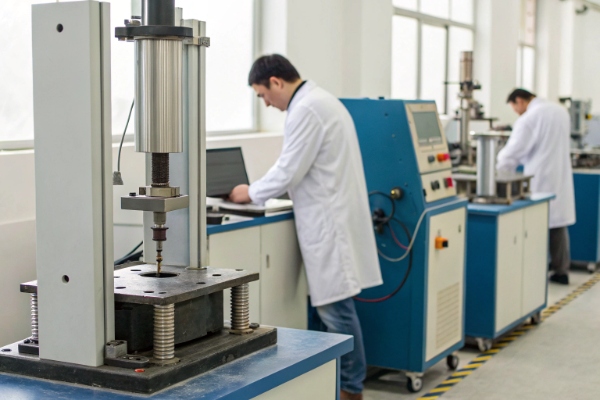
A reputable manufacturer will happily provide these reports. Here's what to look for:
- Seam Peel Strength (ASTM D6637 / ISO 13426-1): This is the most important mechanical test. It measures the force required to pull a welded seam apart. The entire geocell system is only as strong as its weakest weld. A high-quality geocell will have a seam strength value significantly higher than the minimum requirement. For example, for a 100 mm tall cell, a good value is over 1420 N.
- Environmental Stress Crack Resistance (ESCR) (ASTM D1693): This test simulates the geocell's ability to resist cracking over many years when exposed to chemical and mechanical stress. A high-quality virgin HDPE geocell should have an ESCR value of over 5,000 hours. Recycled materials often fail in under 500 hours. A low ESCR value is a huge red flag that the product will become brittle and fail prematurely.
- Oxidative Induction Time (OIT) (ASTM D3895): This measures the effectiveness of the antioxidant additives that protect the polymer from heat and UV degradation. A good OIT is over 150 minutes, indicating a long service life.
If a supplier can't provide recent, verifiable test reports for these standards, it's best to walk away.
How can project requirements guide the selection of higher-quality geocells?
You're working on a critical project like a mine haul road, not a garden path. You understand that a low-cost, low-quality geocell won't work, but you need to justify the investment in a premium product.
For critical infrastructure with heavy loads, poor soil, and a long design life, investing in a higher-quality geocell is non-negotiable. The cost of failure—in repairs, downtime, and safety risks—is infinitely higher than the initial savings on a cheaper material.
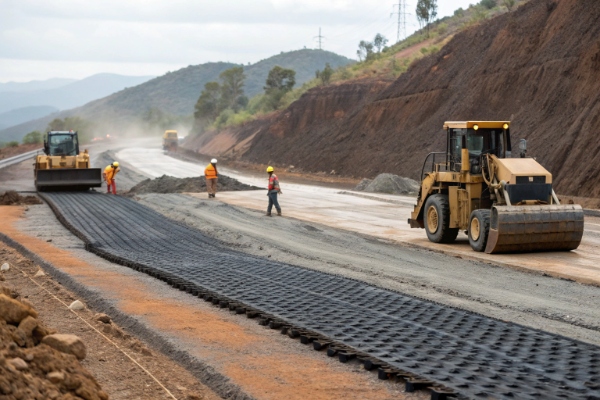
When I consult with clients on large government or industrial projects, we always start with the risk assessment. What happens if the reinforcement fails? If the answer involves road collapse, environmental contamination from a failed containment system, or operational shutdown of a port or mine, then the choice is clear.
Premium geocells, made from virgin HDPE with certified high seam strength and durability, provide peace of mind. For these projects, you should specify the highest standards:
- Material: 100% Virgin HDPE.
- ESCR: > 5,000 hours.
- OIT: > 150 minutes.
- Seam Strength: Significantly exceeds minimums for the specified cell height.
- Certification: Backed by ISO 9001 and recent third-party test reports from a reputable lab like TRI.
For less critical applications like light-duty access roads or landscape slopes, you might have more flexibility. But even then, the risk of having to replace a failed product in just a few years often makes the initial investment in quality a smarter financial decision.
Gevolgtrekking
To compare geocells, verify the use of virgin HDPE, demand high seam strength and durability test reports (ESCR, OIT), and choose products certified to international standards for any critical project.